UNESCO Sites That Every History Buff Should Visit
7 July 2026
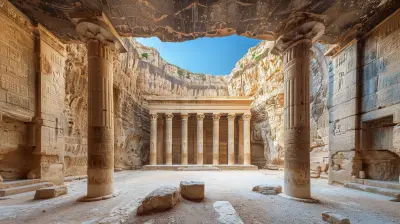
History isn't just about reading old books or memorizing dates—it's about experiencing the past firsthand. And what better way to do that than by visiting UNESCO World Heritage Sites? These landmarks have stood the test of time, carrying stories from ancient civilizations, epic battles, and lost cultures.
So, if you’re a history buff craving a deep dive into the past, pack your bags and get ready to step into history at these must-visit UNESCO sites! 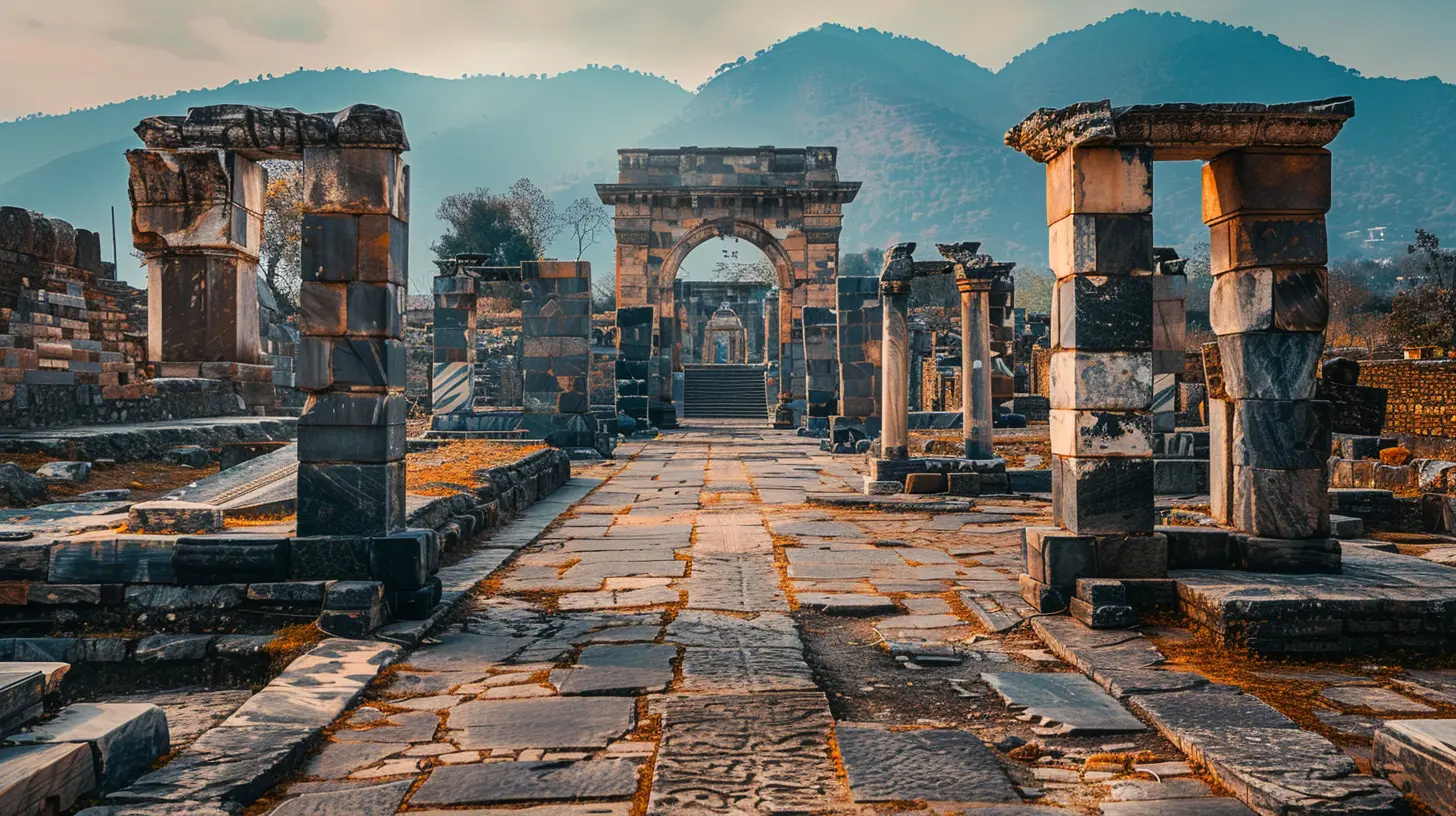
1. Machu Picchu, Peru – The Lost City of the Incas
Hidden high in the Andes Mountains, Machu Picchu is an architectural wonder. This 15th-century Incan city remains one of the greatest archaeological discoveries of all time. The perfectly cut stone structures, breathtaking terraces, and intricate water systems showcase the genius of the Inca civilization.For history lovers, the biggest mystery is why it was abandoned. Some believe it was a royal estate; others think it was a religious retreat. One thing’s for sure—it’s magical! Whether you hike the Inca Trail or take the scenic train ride, Machu Picchu is a journey back to an ancient world. 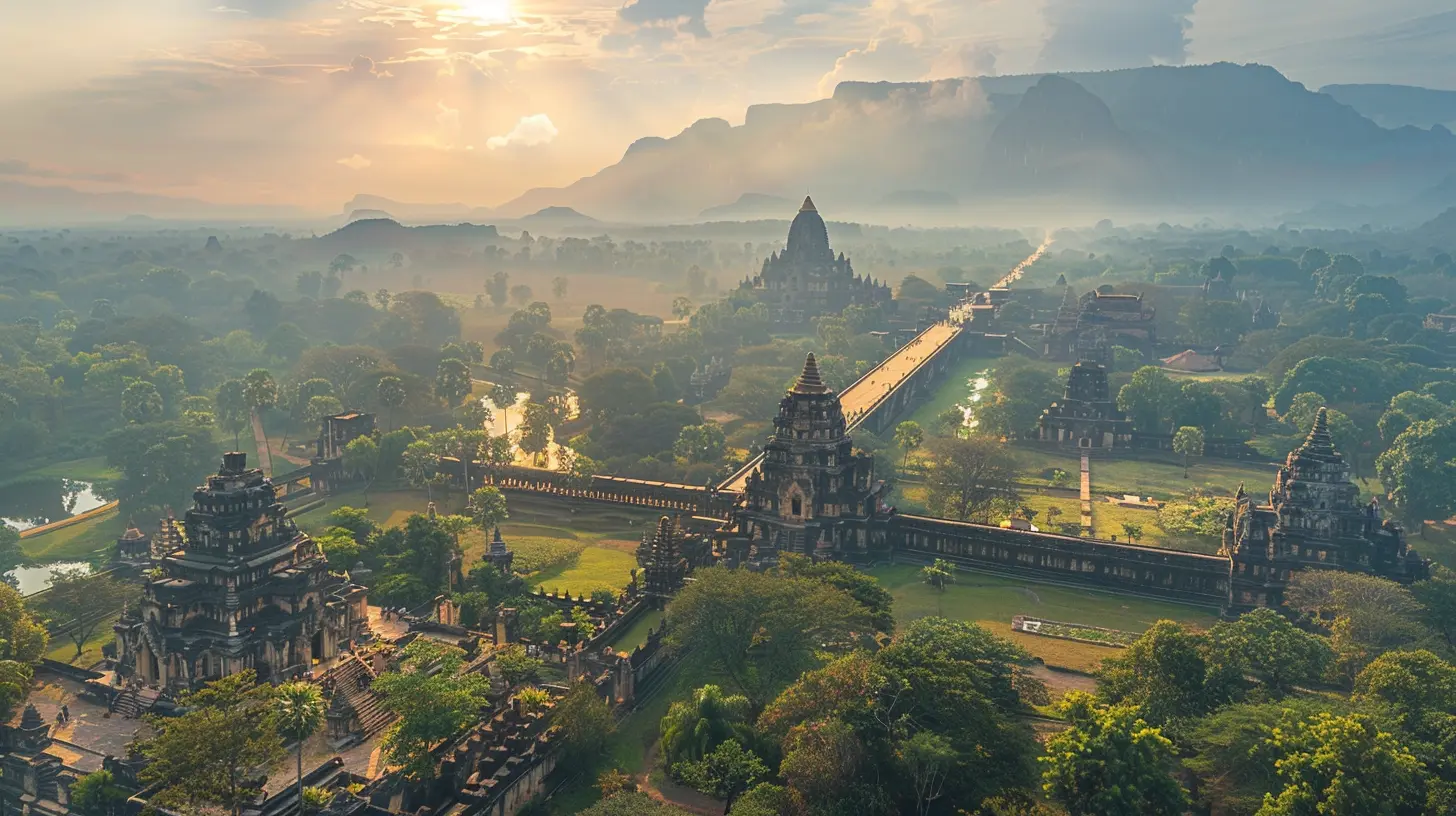
2. The Great Wall of China – A Marvel of Defense
The Great Wall of China isn’t just a wall—it’s a symbol of power, strategy, and resilience. Built over centuries (from the 7th century BC through the Ming Dynasty), this incredible structure stretches over 13,000 miles to protect China from invasions.Walking along these ancient stone paths, you can practically hear the echoes of soldiers who once guarded the empire. Some sections, like Badaling and Mutianyu, are well-preserved, while others remain rugged, offering a raw look into history. Either way, it’s a must-see for anyone fascinated by military strategy and ancient construction techniques. 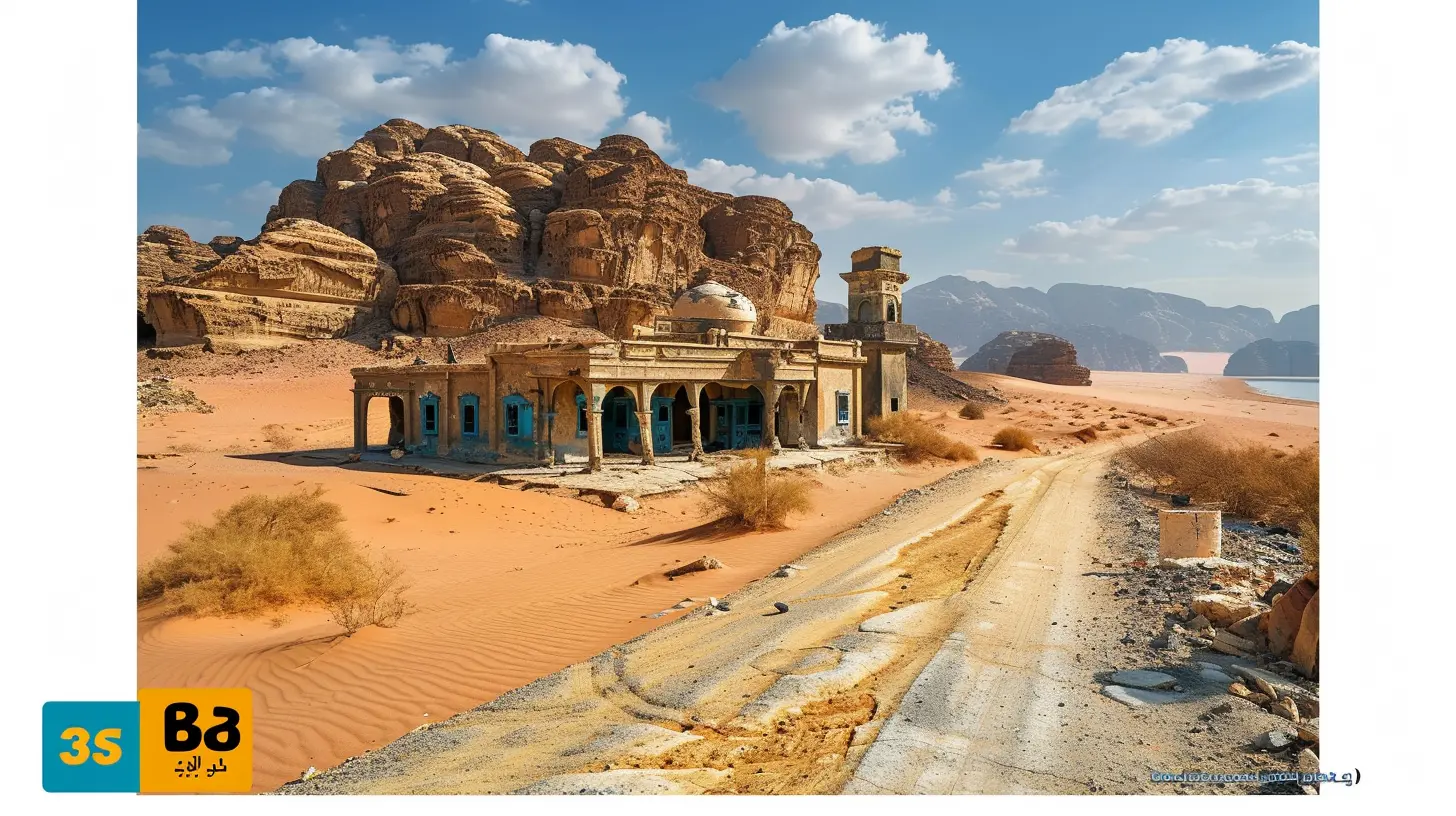
3. Petra, Jordan – The Rose-Red City
Tucked away in Jordan’s desert, Petra is an archaeological dream. Once the capital of the Nabatean Kingdom, this rock-carved city flourished in the 1st century AD along key trade routes.Walking through the narrow Siq canyon, you suddenly arrive at the Treasury (Al-Khazneh)—a breathtaking temple carved straight into the sandstone cliffs. But Petra is more than just one iconic façade. With tombs, temples, and an ancient amphitheater, it’s like stepping into an Indiana Jones adventure! 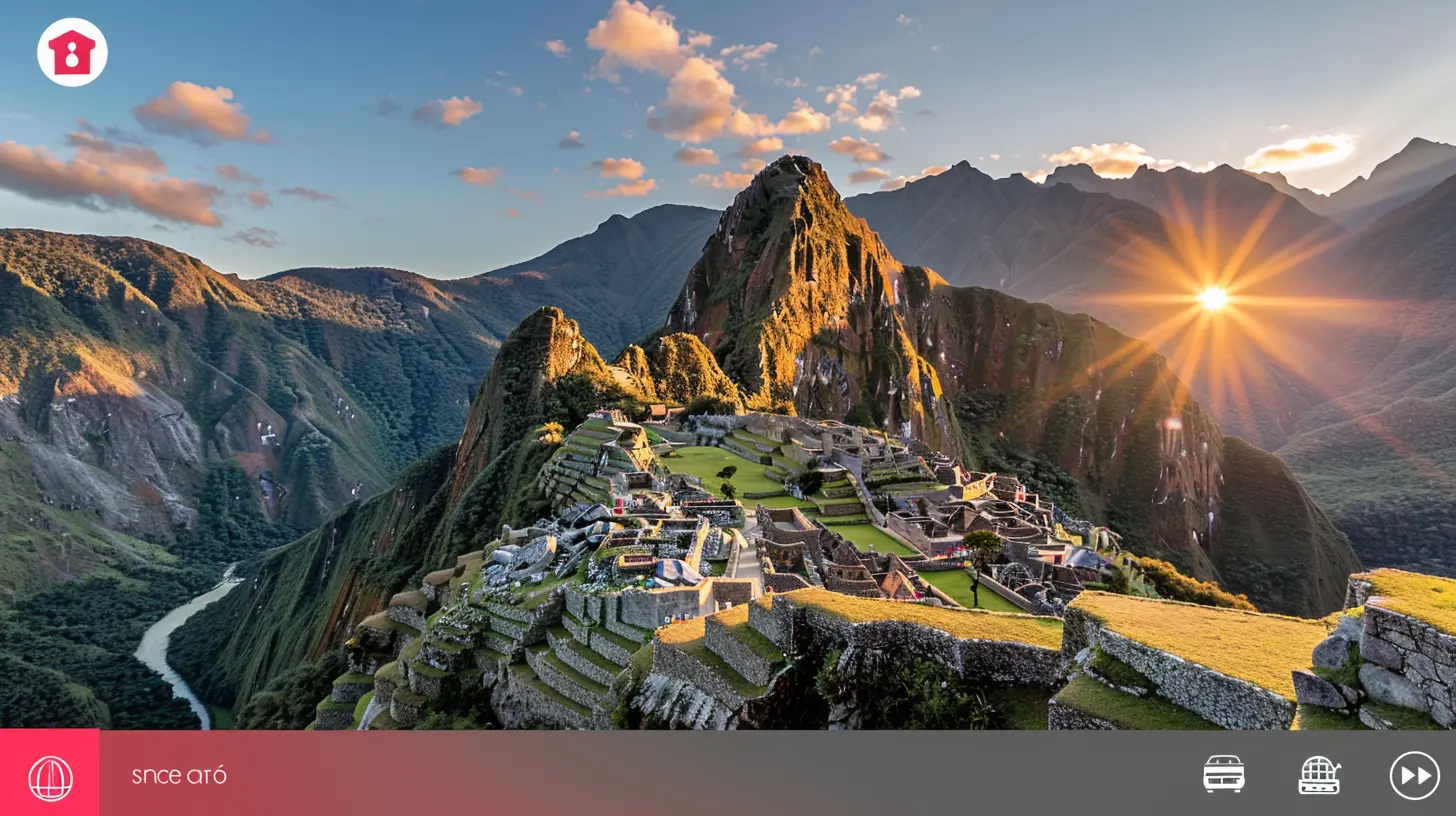
4. The Pyramids of Giza, Egypt – Ancient Wonders Standing Tall
The Pyramids of Giza are the last standing Wonder of the Ancient World, and they continue to baffle historians and engineers alike. Built over 4,500 years ago, these massive structures served as tombs for Pharaohs, but how they were constructed remains one of history’s greatest mysteries.The Great Pyramid alone consists of around 2.3 million stone blocks, each weighing between 2.5 and 15 tons. How did the Egyptians move and place these stones with such precision? It’s a riddle wrapped in stone, and visiting the site feels like traveling back in time.
5. Stonehenge, England – A Prehistoric Puzzle
Stonehenge is one of the world’s most mysterious ancient monuments. The massive stone circle, dating back over 4,500 years, has puzzled historians for centuries. Was it a burial site? A celestial calendar? A place of worship? No one knows for sure, which makes it even more fascinating.What’s incredible is that some of these massive stones were transported from over 150 miles away! The sheer effort it took to assemble this monument makes you wonder—what kind of secrets did ancient civilizations hold that we’ve yet to uncover?
6. Pompeii, Italy – A City Frozen in Time
If you’ve ever wanted a time machine, Pompeii is probably the closest thing to it. This Roman city was buried under volcanic ash when Mount Vesuvius erupted in 79 AD. The ash preserved everything—homes, frescoes, and even the expressions of people caught in the disaster.Walking through Pompeii’s streets, you can still see bakeries, bathhouses, and theaters, just as they were nearly 2,000 years ago. It’s eerie and awe-inspiring at the same time, offering an unfiltered glimpse into ancient Roman life.
7. Angkor Wat, Cambodia – The Largest Religious Monument in the World
Angkor Wat is not just a temple; it’s a sprawling city of ancient Khmer architecture. Originally built as a Hindu temple in the 12th century, it later became a Buddhist site, reflecting Cambodia’s rich cultural history.The sheer scale is mind-blowing—the temple complex stretches over 400 acres! Its intricate carvings depict epic battles and mythical tales, making it a paradise for history lovers. And if you catch the sunrise behind the temple’s spires? Pure magic.
8. Chichen Itza, Mexico – The Legacy of the Maya Civilization
Chichen Itza, one of the most famous Mayan ruins, is packed with history, astronomy, and mystery. Its main pyramid, El Castillo, was designed as a giant calendar—on the equinox, the sun casts a shadow that looks like a serpent slithering down the steps.Apart from the pyramid, the ruins house a massive ball court, where Mayans played a ritualistic game (some say the losing team was sacrificed!). This site is perfect for those fascinated by ancient civilizations and their advanced understanding of science and architecture.
9. Acropolis of Athens, Greece – The Birthplace of Western Civilization
The Acropolis isn’t just a collection of ruins—it’s the foundation of Western culture. Built in the 5th century BC, this hilltop citadel is home to iconic structures like the Parthenon, a temple dedicated to Athena, the goddess of wisdom.Walking around the Acropolis, you can almost hear the voices of ancient philosophers, politicians, and artists who once shaped the world’s ideas on democracy, art, and philosophy. If you're into classical history, this is the ultimate pilgrimage site.
10. Hiroshima Peace Memorial, Japan – A Somber Reminder of the Past
History isn’t always ancient. The Hiroshima Peace Memorial, also known as the Atomic Bomb Dome, marks one of humanity’s darkest moments—the dropping of the atomic bomb on Hiroshima in 1945.Unlike the other sites on this list, Hiroshima serves as a painful but powerful lesson in history. The preserved ruins of the building serve as a reminder of the devastation caused by war, but also of resilience and peace. It’s a place that will leave you reflecting on the past, present, and future.
Final Thoughts
There’s something truly special about visiting UNESCO World Heritage Sites. They’re not just tourist attractions—they’re windows into the past, whispers of civilizations long gone, and testaments to human ingenuity.Whether you're drawn to the mysteries of Machu Picchu, the grandeur of the pyramids, or the tragedy of Pompeii, each of these sites offers a unique connection to history. So why not add them to your travel bucket list? Your inner history buff will thank you!
all images in this post were generated using AI tools
Category:
Unesco SitesAuthor:

Ian Powell
Discussion
rate this article
1 comments
Ryder McKeever
This article highlights remarkable UNESCO sites that offer deep insights into our shared history. Visiting them is a must for anyone passionate about cultural heritage and historical narratives.
August 8, 2026 at 4:49 AM