UNESCO Sites: Preserving the World’s Cultural Heritage
29 July 2026
Every brick, every stone, and every ancient relic tells a story—a story of civilizations past, of traditions kept alive, and of history shaping the future. UNESCO World Heritage Sites are more than just tourist attractions; they are living testaments to humanity’s greatest achievements. But why are these places so important? And what does it take to preserve them for generations to come?
What Are UNESCO World Heritage Sites?
Let’s start with the basics. UNESCO (United Nations Educational, Scientific and Cultural Organization) has one mission: to protect and preserve the world’s most significant cultural and natural wonders. Since its inception in 1972, UNESCO’s World Heritage program has identified sites that hold "outstanding universal value." Some are man-made marvels, while others are breathtaking natural wonders.The Two Types of UNESCO Sites
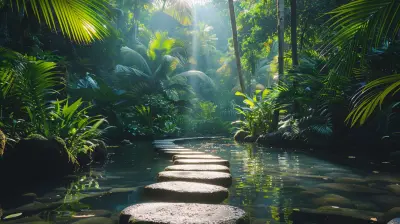
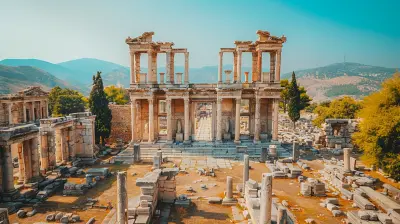
1. Cultural Sites – These are places that hold historical, artistic, or cultural significance. Think of ancient ruins, architectural masterpieces, and traditional villages. Examples? The Pyramids of Egypt, the Great Wall of China, and the historic city of Rome.2. Natural Sites – Stunning landscapes, rare ecosystems, and wildlife sanctuaries fall into this category. Places like the Grand Canyon, the Great Barrier Reef, and the Amazon Rainforest make the list.
Some locations even qualify as mixed sites, blending both cultural and natural significance. A prime example? Machu Picchu in Peru—it’s both an architectural wonder and a breathtaking natural setting.
Why Are UNESCO Sites So Important?
Imagine a world where the Pyramids of Giza crumble, the Colosseum becomes a parking lot, or the Great Barrier Reef fades into oblivion. Sounds tragic, right? That’s precisely why UNESCO status matters. These sites represent our shared human history, reminding us where we came from and what we value.But it's not just about nostalgia. When a place becomes a UNESCO site, it gains international recognition and legal protection. That means fewer threats from development, tourism, or even war.
How Does a Site Get UNESCO Recognition?
Becoming a UNESCO World Heritage Site isn’t as easy as filling out an application. It’s a rigorous process that involves:1. Nomination by a Country – A government submits a site for consideration.
2. Evaluation by Experts – Committees of historians, archaeologists, and environmentalists determine if it meets UNESCO’s strict criteria.
3. Approval by UNESCO – If a site meets the grade, it earns its spot on the list.
And guess what? Once a site gets UNESCO recognition, the responsibility doesn’t end there. Countries must actively protect and maintain these treasures to keep their status intact.
Must-Visit UNESCO Sites Around the World
With over 1,000 sites across the globe, choosing where to go can be overwhelming. But here are some of the most remarkable UNESCO gems worth putting on your bucket list.1. Machu Picchu, Peru
Hidden high in the Andes, Machu Picchu is a symbol of the Incan Empire’s brilliance. This ancient city, built in the 15th century, remained untouched for centuries until its "rediscovery" in 1911. Standing amidst the towering peaks, you can’t help but feel the magic of this lost civilization.2. Angkor Wat, Cambodia
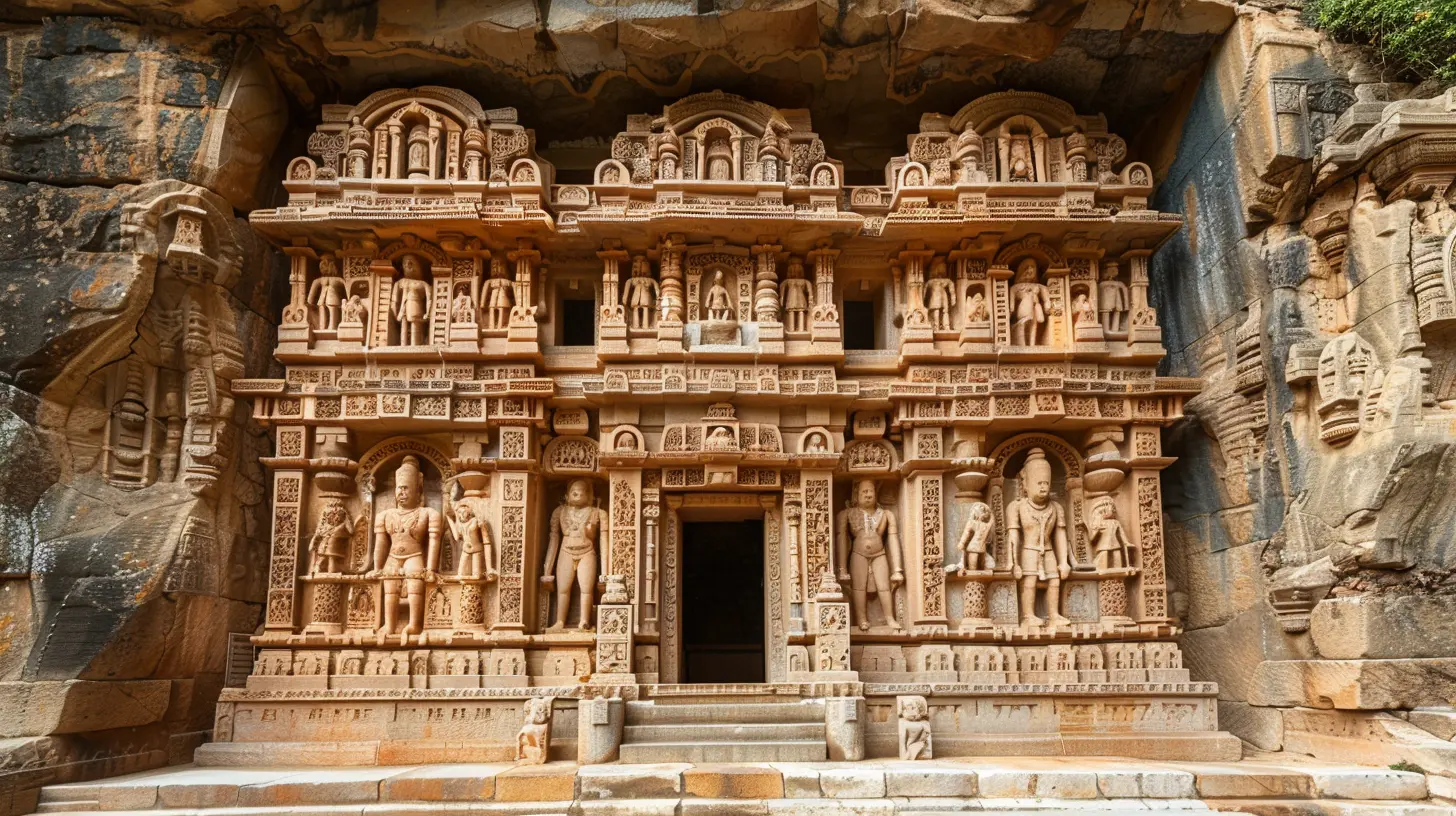
The largest religious monument in the world, Angkor Wat is an architectural wonder unlike any other. Built in the early 12th century, this temple complex is a stunning mix of Hindu and Buddhist influences. The intricate carvings and colossal structures make it feel like something straight out of a fantasy novel.3. The Great Barrier Reef, Australia
It’s not just about ancient ruins—nature deserves a spot on the list too. The Great Barrier Reef is the biggest coral reef system on Earth, home to thousands of marine species. Sadly, climate change is threatening its future, making conservation efforts more critical than ever.4. Petra, Jordan
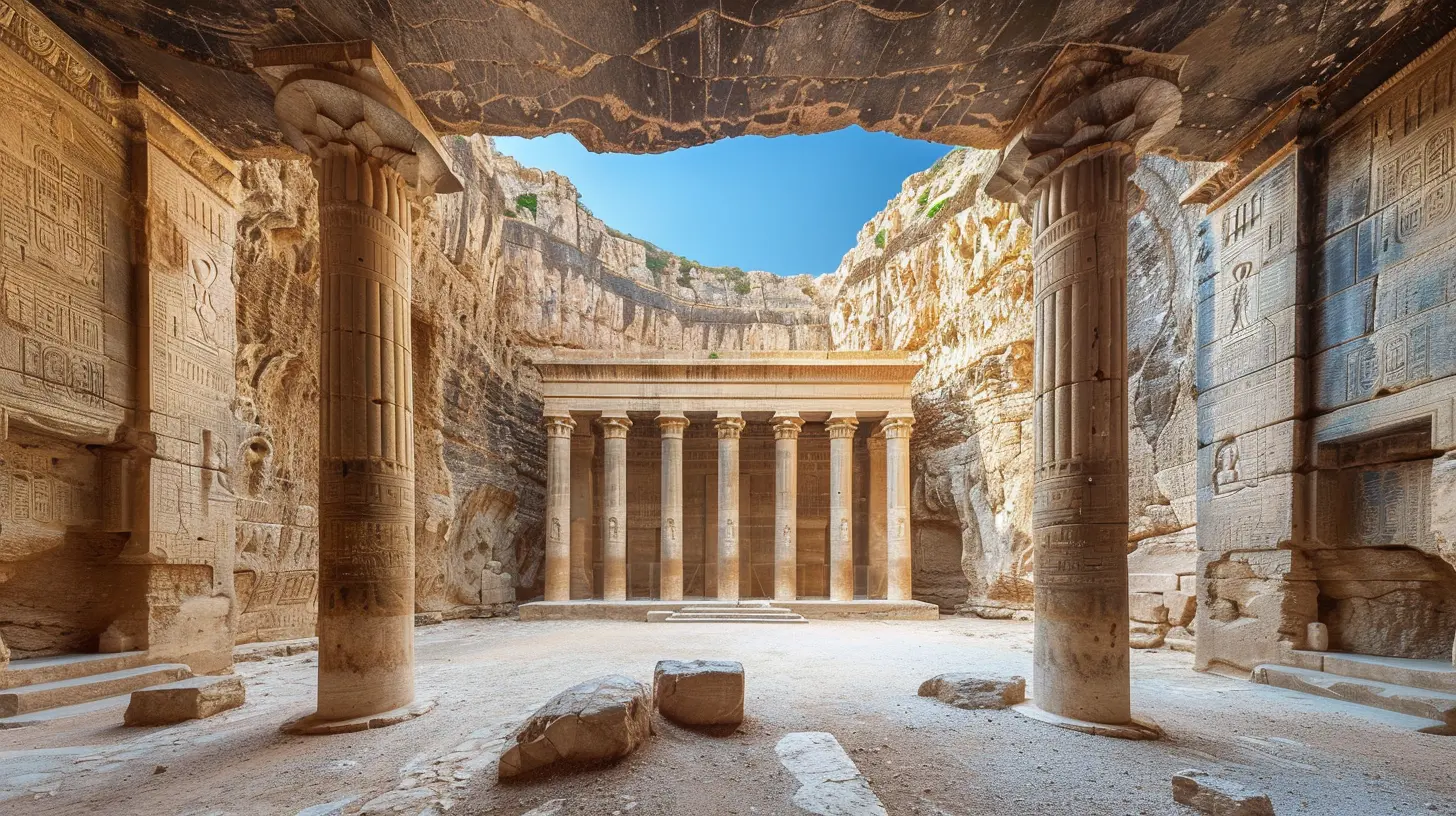
Carved into red sandstone cliffs, Petra is sometimes called the "Rose City." You might recognize it from Indiana Jones and the Last Crusade, but its real history is even more fascinating. This ancient city was a major trading hub, showcasing the ingenuity of the Nabataeans.5. Mont-Saint-Michel, France
A fairytale destination if there ever was one! Mont-Saint-Michel is a medieval monastery perched on a rocky island. During high tide, it looks like it's floating on water—talk about breathtaking.6. Serengeti National Park, Tanzania
If safaris are on your travel wishlist, the Serengeti is the place to go. This UNESCO site is home to the famed Great Migration, where over a million wildebeest travel across the plains in search of fresh grass. It’s nature in its rawest, most spectacular form.
The Challenges of Preserving UNESCO Sites
While UNESCO status helps protect these places, challenges still loom large.Over-Tourism
Some UNESCO sites are victims of their own fame. Places like Venice and Santorini are flooded with tourists, leading to damaged infrastructure and rising pollution levels.Climate Change
Rising sea levels, extreme weather, and warmer temperatures are taking a toll on many sites. The Great Barrier Reef, for example, faces devastating coral bleaching due to global warming.War and Conflict
Historical landmarks in conflict zones are at constant risk. Sites in Syria, Yemen, and Iraq have suffered destruction due to war, resulting in irreversible cultural loss.Neglect and Poor Maintenance
While some sites enjoy excellent preservation efforts, others struggle with funding and government neglect. Without proper care, these irreplaceable locations could deteriorate beyond repair.How Can We Help Preserve These Treasures?
Protecting UNESCO sites isn’t just the job of governments and organizations—it’s a mission we all share.1. Travel Responsibly – Avoid overcrowding fragile locations and follow "leave no trace" principles.
2. Support Conservation Efforts – Donate to organizations that work to protect these sites.
3. Raise Awareness – The more people know about these places, the more we can advocate for their protection.
4. Respect Local Cultures – Many of these sites have deep cultural significance; treating them with respect is crucial.
Final Thoughts
UNESCO World Heritage Sites are more than just places to take stunning photos for Instagram. They are our collective past, present, and future—a global treasure trove that deserves protection and appreciation. Whether it's an ancient temple, a breathtaking landscape, or a historic city, each site is a reminder of what makes humanity extraordinary.So, the next time you visit a UNESCO site, take a moment to soak it all in. The stories, the craftsmanship, the history—it’s all part of the grand tapestry that connects us all.
all images in this post were generated using AI tools
Category:
Unesco SitesAuthor:

Ian Powell