Train vs. Bus: The Best Options for Budget Travelers
18 March 2026
Traveling on a budget? You've probably found yourself caught in the classic debate: train or bus? Both have their perks, quirks, and downright frustrating moments. But which one is the real MVP when it comes to budget travel?
Let's settle this once and for all. Grab your backpack, secure your snacks, and let's dive into the ultimate showdown—train vs. bus!
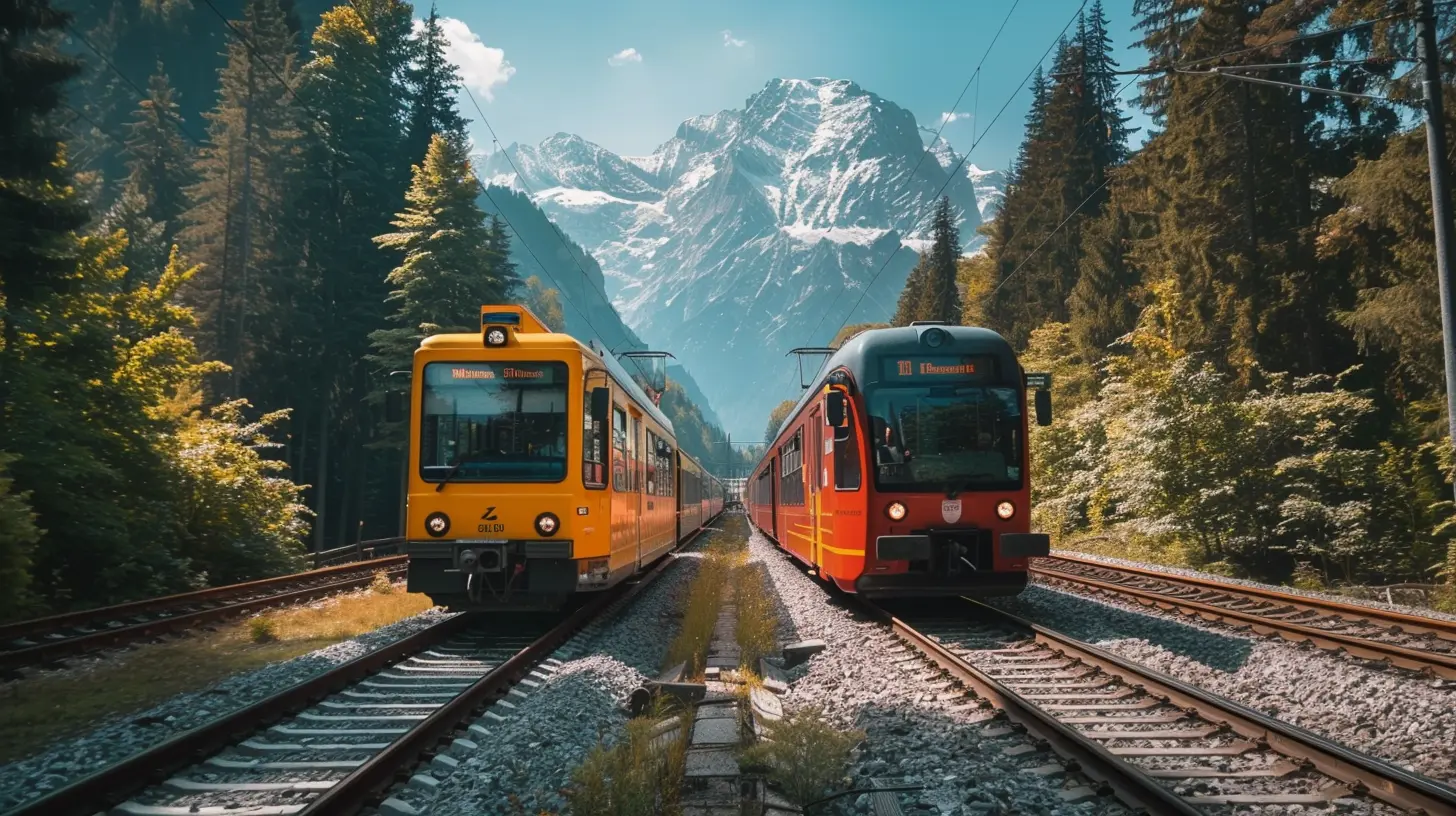
🚆 Trains vs. Buses: The Budget Traveler's Battle
When keeping your wallet happy is the goal, every dollar (or euro, or peso) counts. The good news? Both buses and trains can be super cheap alternatives to flights. The bad news? Picking between them isn't always straightforward.To help you choose your ride wisely, we've broken down all the nitty-gritty factors—price, comfort, speed, scenery, and overall experience. Let’s go!
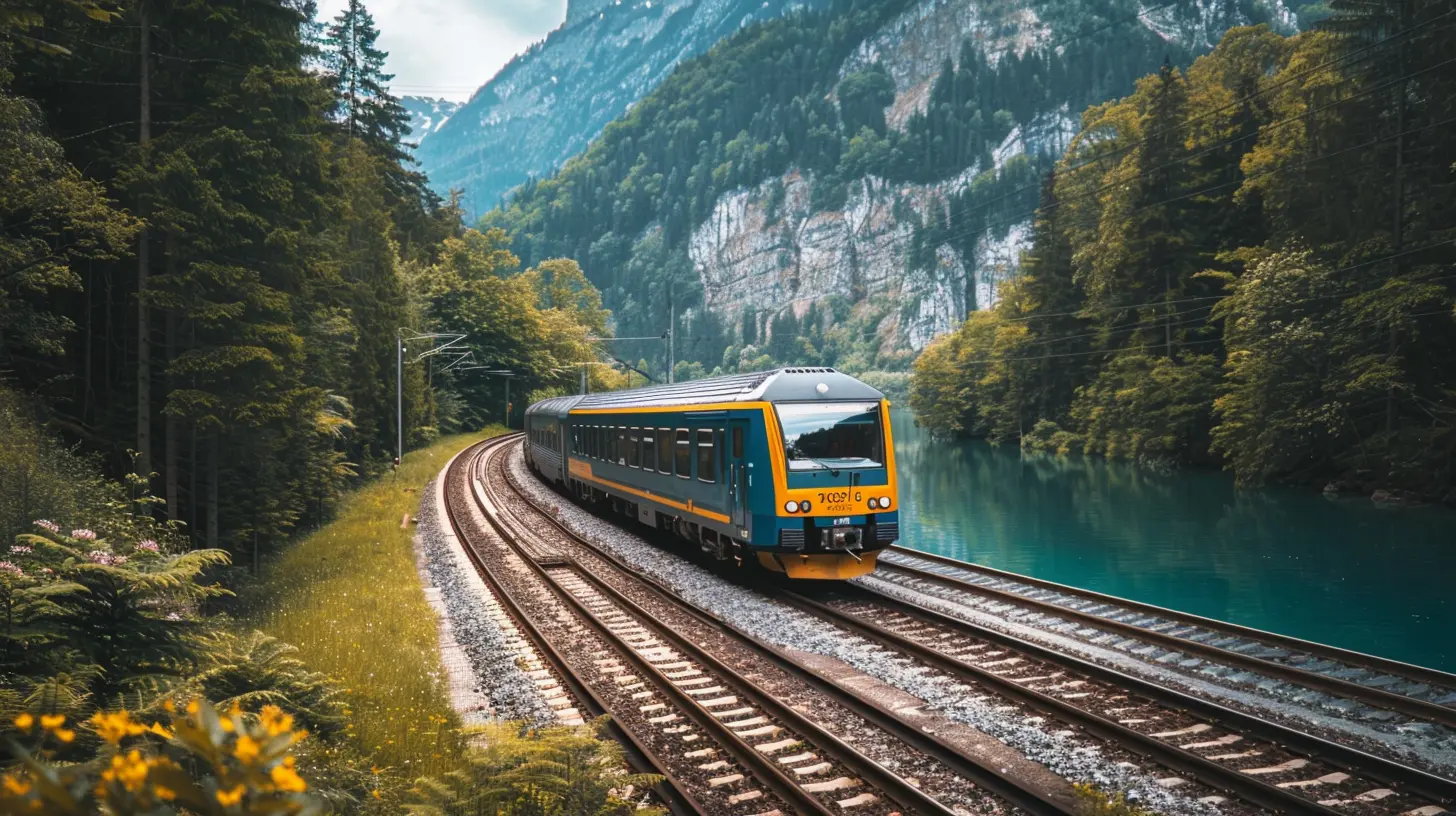
💰 Cost Comparison: Which One Saves You More?
Bus: The Undisputed King of Budget Travel
If your goal is to spend the absolute least amount of money possible, buses are usually the clear winner. In most countries, bus tickets are significantly cheaper than train fares. You’ll often find budget-friendly bus companies offering ridiculously low prices, especially if you book in advance.💡 Example: In Europe, budget bus companies like FlixBus offer fares as low as $5 for intercity routes. Compare that to a train ticket on the same route, which might set you back $20+!
Train: Cheap… But With Conditions
Trains can be budget-friendly, but they usually require some hacks. For instance, booking train tickets well in advance or using rail passes can bring costs down. Some regions (like India or certain parts of Europe) have affordable train options, but in others (looking at you, North America), train travel can be pricier than flying.❗ Winner: The Bus – If we’re talking strictly about the cheapest options, buses win every time. 
🏎️ Speed: Who Gets You There Faster?
Train: Speedy & Efficient (Most of the Time)
Trains tend to be faster than buses, especially on long-distance routes. High-speed rail systems (like Japan’s Shinkansen or Europe’s TGV) can zip you from one city to another in record time. Even regular trains usually bypass traffic, making them a more time-efficient option.BUT… not all trains are built for speed. Some local and regional trains stop way too frequently, making them slower than express buses.
Bus: Slow & Steady… and Sometimes Just Plain Slow
Buses have one major drawback—traffic. While overnight buses can be a great way to save on accommodation costs, they often take longer than trains due to road conditions and multiple stops.❗ Winner: The Train – If time is money, trains are the smarter pick. 
🛋️ Comfort: Which Ride Treats You Better?
Trains: Spacious Seats & Room to Stretch
Ever tried stretching your legs on a cramped bus? Not fun. Trains generally have more legroom and the freedom to walk around. Some even have dining cars, power outlets, and WiFi!Bonus: No seat belts. You can shift, adjust, and spread out without feeling like you're trapped in a metal cocoon.
Buses: Hit or Miss Comfort Levels
Bus comfort varies wildly. Some long-distance buses are surprisingly comfy with reclining seats, footrests, and even entertainment screens. Others feel like a punishment for travelers who didn’t plan ahead.Also… ever been stuck on a bus with a broken AC? It’s not pretty.
❗ Winner: The Train – More space and flexibility make this one an easy win.
🌅 Scenery & Travel Experience
Train: Scenic & Relaxing
Trains usually offer gorgeous views, especially if you're traveling through mountains, countryside, or along coastal routes. Watching the world glide by while sipping on coffee? Chef’s kiss.Bus: Views... If You Can See Past the Traffic
Buses can offer decent views, too… but you're also dealing with highways, billboards, and the occasional roadside gas station. Factor in motion sickness from bumpy roads, and the train is clearly the more scenic choice.❗ Winner: The Train – Hands down, a better experience for those who love watching landscapes unfold before them.
🏁 Convenience & Accessibility
Train: Best for City-to-City Travel
Trains usually have stations in central locations, which means you won’t waste time (or extra money) getting to your final destination. No need to deal with sketchy bus terminals located in the middle of nowhere.Bus: Goes Where Trains Don’t
One big selling point for buses? They can reach remote and offbeat locations that trains simply don’t service. If you’re headed to smaller towns or rural areas, a bus may be your only option.❗ Winner: Tie – It all depends on where you’re going!
🎒 The Backpacker’s Perspective
If you're backpacking through multiple countries, combining buses and trains is often the best strategy. Trains are ideal for long-haul, comfortable travel, while buses will get you to those smaller destinations off the beaten path.Some travelers swear by buses for their rock-bottom prices, while others can’t give up the comfort and reliability of trains. The key? Be flexible—sometimes the cheapest ride isn’t always the best, and sometimes, saving a few bucks is worth a little discomfort.
🏆 Final Verdict: Train or Bus?
So, what's the ultimate winner? The truth is, it depends on your priorities:- For the cheapest option → Go for the bus
- For speed & efficiency → Take the train
- For comfort & legroom → Train wins again
- For scenic views → Train, 100%
- For reaching remote areas → Bus is the better choice
At the end of the day, your choice boils down to whether you prioritize cost, convenience, or comfort. Want to save money? Take the bus. Want a smoother ride? Take the train.
Either way, one thing is certain—your budget-friendly adventure awaits!
all images in this post were generated using AI tools
Category:
Travel BudgetingAuthor:

Ian Powell
Discussion
rate this article
2 comments
Isla King
When choosing between train and bus travel, consider your priorities: comfort, time, and scenery. Trains often offer a scenic journey, while buses can be more budget-friendly. Assess your itinerary to find the perfect fit for your adventure!
April 17, 2026 at 5:03 AM
Ian Powell
Great points! It's all about balancing comfort and cost. Both options have their perks, so it really depends on what you value most for your trip.
Xena King
Great article! It’s super helpful for budget travelers weighing their options. Trains offer comfort and scenic views, while buses can be more economical. Can’t wait to plan my next adventure!
March 20, 2026 at 5:35 AM
Ian Powell
Thank you for your kind words! I'm glad you found the article helpful for planning your adventures. Safe travels!