Health Precautions You Need to Take Before Traveling
1 February 2026
Traveling is one of life’s greatest joys. Whether it's a solo adventure, a romantic getaway, or a family vacation, nothing beats the excitement of exploring a new place. But what happens if you get sick while traveling? That's a nightmare no one wants to experience.
Staying healthy on your trip starts with taking the right precautions before you even step on the plane. From vaccinations to packing a first-aid kit, there are several things you should do to keep yourself in top shape throughout your journey.
In this guide, we’ll cover everything you need to know about staying healthy before and during your travels.
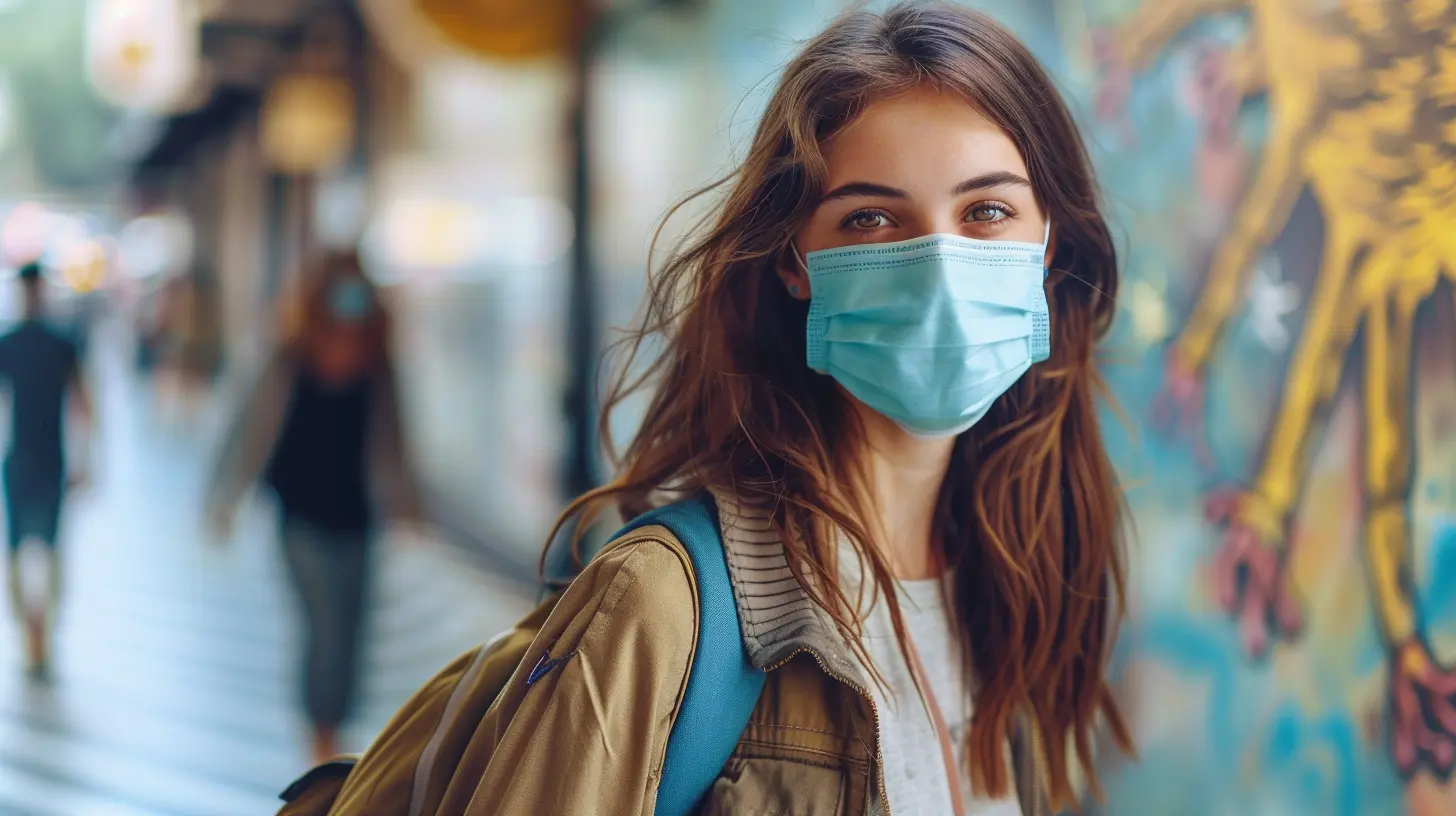
1. Get the Necessary Vaccinations
Depending on where you’re headed, certain vaccinations may be required or strongly recommended. Some countries even have strict entry requirements that won’t let you in without proof of specific vaccines.How to Find Out Which Vaccines You Need
- Check the CDC or WHO Websites – These organizations update their travel advice regularly, including vaccine recommendations.- Visit a Travel Clinic – A travel doctor can guide you on necessary vaccinations based on your destination.
- Know the Routine Vaccines – Ensure you're up to date on vaccines like the flu shot, hepatitis, and tetanus.
Common Travel Vaccines
Here are some common vaccines travelers might need:- Hepatitis A & B – Protects against food and waterborne diseases.
- Typhoid – Also food and waterborne, especially common in developing countries.
- Yellow Fever – Required for certain destinations in South America and Africa.
- Rabies – Recommended if you’re heading to areas where rabies exposure is a risk.
It’s always best to consult with a doctor at least 4-6 weeks before traveling to ensure your vaccines have time to take effect.
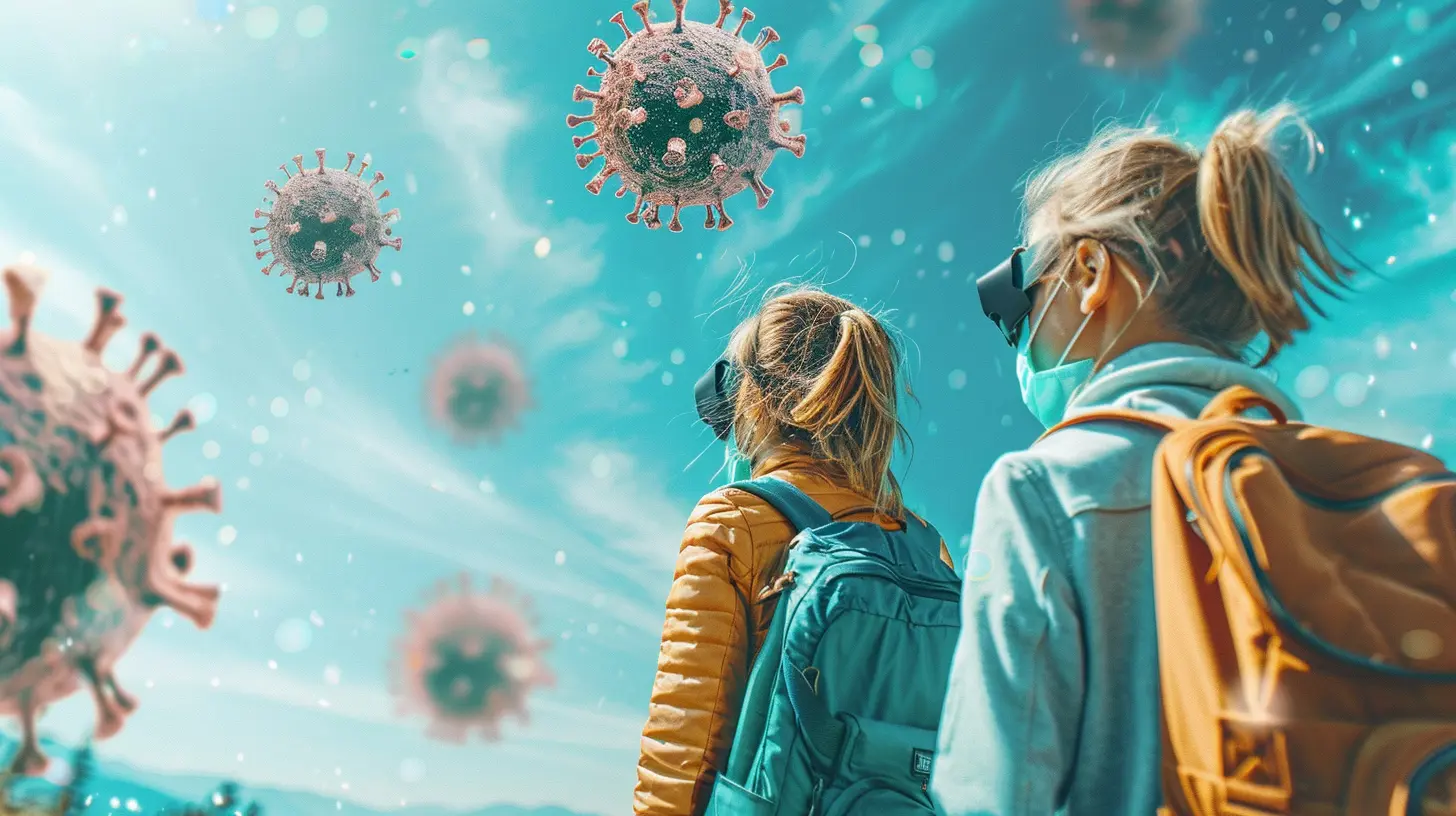
2. Schedule a Pre-Travel Health Check-Up
Even if you feel great, a pre-travel health check-up can help ensure there are no hidden health issues that might cause trouble later.What Should You Discuss with Your Doctor?
- Chronic Conditions – If you have ongoing health concerns like diabetes or heart disease, make sure your condition is well-managed.- Prescriptions – Ensure you have enough medication to last the entire trip, plus extra in case of delays.
- Allergies and Medical Alerts – If you're prone to allergic reactions, discuss the best ways to handle emergencies abroad.
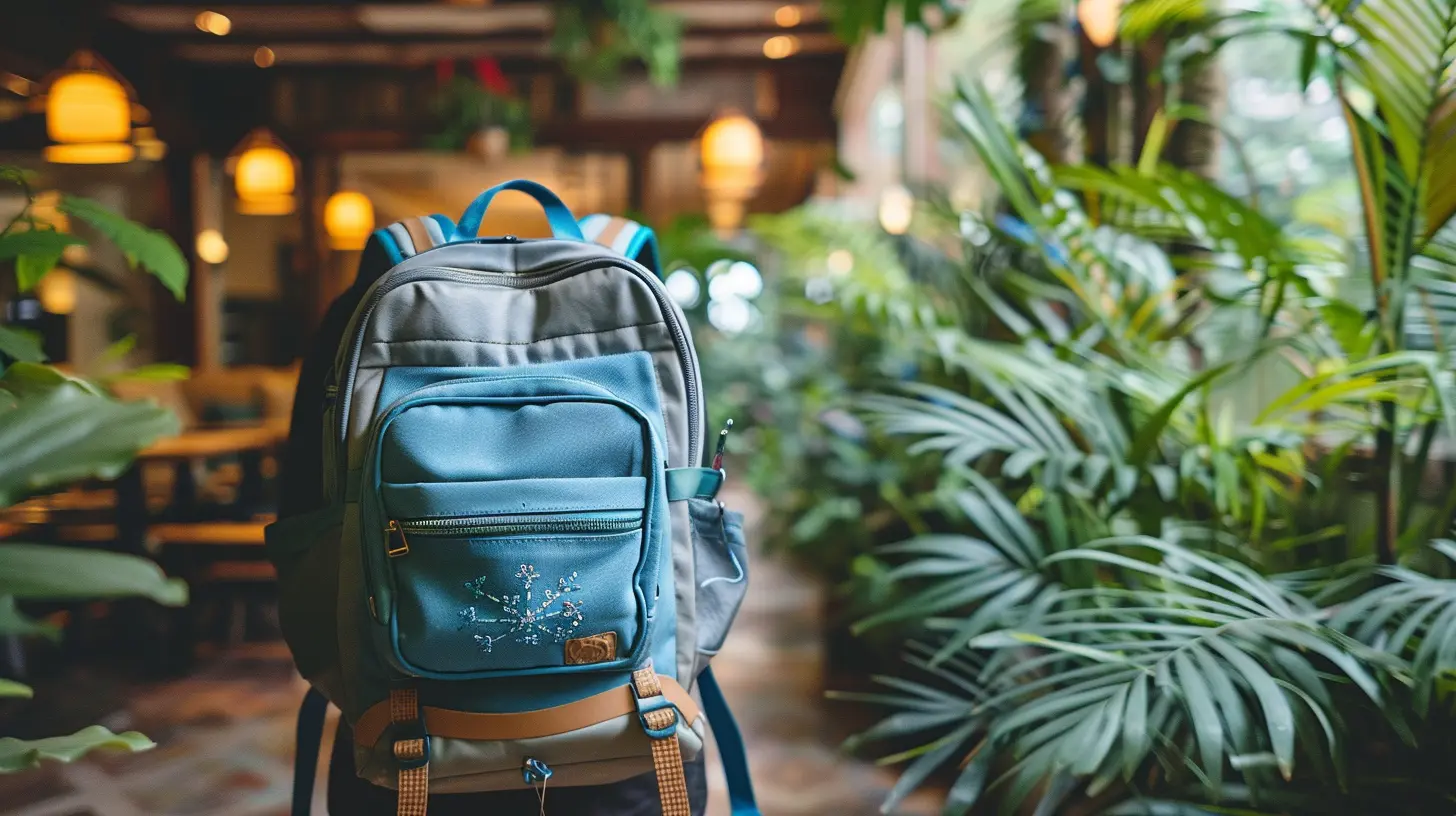
3. Pack a Travel-Friendly First-Aid Kit
You never know when a headache, stomach issue, or minor injury will occur. Being prepared with a well-packed first-aid kit can save you from discomfort.Essentials for Your First-Aid Kit
- Pain relievers (Ibuprofen, Paracetamol)- Anti-diarrhea medication (Loperamide)
- Antacids (for indigestion)
- Antihistamines (for allergies)
- Band-aids and wound care supplies
- Electrolyte powder (for dehydration)
- Hand sanitizer and disinfecting wipes
- Motion sickness pills (if you’re prone to nausea)
A compact but well-stocked first-aid kit can be a lifesaver, especially if you’re going to remote areas where pharmacies might not be available.
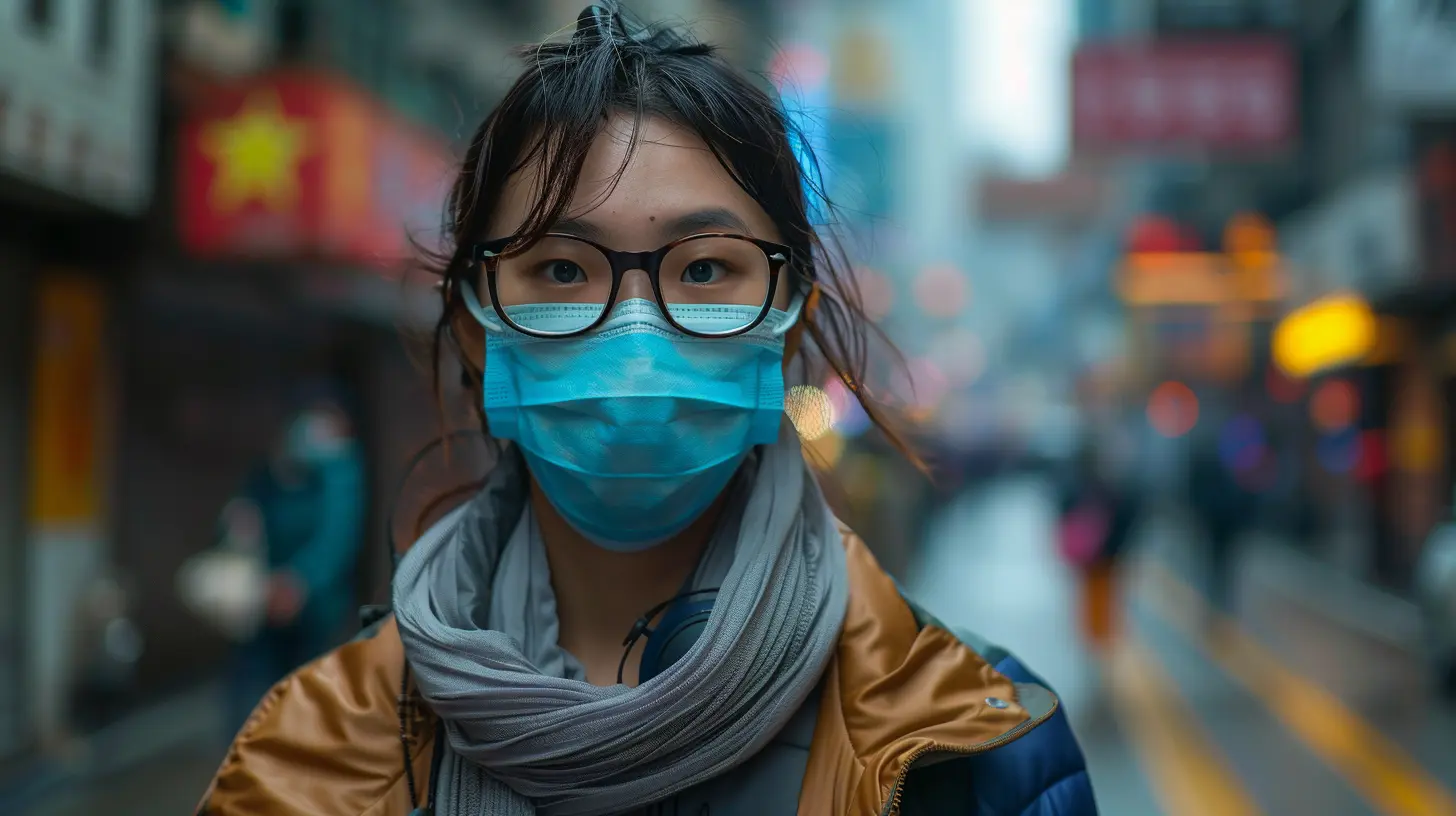
4. Strengthen Your Immune System Before the Trip
Traveling exposes you to new environments, foods, and germs – all of which can challenge your immune system. The stronger your immune system is, the lower your risk of falling sick.How to Boost Your Immunity Before Traveling
- Eat a Nutrient-Rich Diet – Focus on fruits, vegetables, and protein to nourish your body.- Stay Hydrated – Drink enough water to flush out toxins.
- Get Enough Sleep – Sleep deprivation weakens your immune response.
- Exercise Regularly – Staying active keeps your body in top shape.
If you know you’ll be traveling soon, start paying extra attention to your health a few weeks in advance.
5. Be Aware of Food and Water Safety
One of the fastest ways to ruin a trip is by getting food poisoning. Contaminated food and water are common culprits for traveler’s diarrhea and other stomach problems.Tips for Safe Eating and Drinking
- Stick to Bottled Water – Avoid tap water, even for brushing your teeth, in areas with poor sanitation.- Eat Hot, Cooked Foods – Freshly cooked meals are less likely to carry harmful bacteria.
- Avoid Raw or Undercooked Seafood and Meats – These can carry dangerous parasites.
- Be Careful with Street Food – If street food looks questionable hygiene-wise, skip it.
If you have a sensitive stomach, it's a good idea to carry probiotics to promote gut health.
6. Protect Yourself from Insect-Borne Diseases
In many tropical and subtropical countries, mosquitoes can carry serious diseases like malaria, dengue, and Zika virus. Protecting yourself from insect bites isn’t just about comfort—it’s about safety.How to Prevent Insect Bites
- Use Insect Repellent – A high-quality repellent with DEET or picaridin is best.- Wear Long Sleeves and Pants – Especially in mosquito-prone areas.
- Sleep Under a Mosquito Net – If you're in areas with a risk of malaria or dengue, a net can help.
If you're traveling to a malaria-risk area, consult a doctor about anti-malaria medication in advance.
7. Prepare for Changes in Climate and Altitude
Different climates can have various effects on your body, from dry air to high altitudes.Handling Different Climates
- Cold Weather: Pack warm clothes and moisturizers to prevent dry skin.- Hot & Humid Weather: Wear breathable clothing, sunscreen, and stay hydrated.
- High Altitudes: Take it slow and allow your body to adjust to avoid altitude sickness.
8. Get Travel Insurance with Medical Coverage
Nobody wants to think about accidents or emergencies, but it's always better to be prepared. Travel insurance can cover medical emergencies, hospital visits, and even medical evacuations if needed.Why Travel Insurance is Essential
- Covers Unexpected Medical Expenses – A simple doctor’s visit abroad can be costly.- Emergency Evacuation – If you need to be flown home due to a medical issue, insurance can cover it.
- Lost Medication Replacement – If your prescriptions get lost or stolen, your policy may cover replacements.
Always read the fine print to ensure your insurance includes medical coverage and isn’t just for lost luggage or trip cancellations.
9. Manage Stress and Mental Well-Being
Traveling can be stressful, from planning logistics to adjusting to new environments. Stress and anxiety can weaken your immune system, making you more vulnerable to illness.How to Stay Mentally Healthy While Traveling
- Plan Ahead – Avoid last-minute rushes and travel anxiety.- Get Enough Sleep Before Your Trip – Rested travelers are happier and healthier.
- Practice Relaxation Techniques – Deep breathing, meditation, or journaling can help.
10. Stay Hydrated and Avoid Overindulgence
It’s easy to neglect hydration while exploring, but dehydration can lead to fatigue, dizziness, and headaches.- Carry a Reusable Water Bottle – Always have water with you.
- Limit Alcohol and Caffeine – Too much can dehydrate you and mess with your sleep.
- Eat Balanced Meals – Overeating junk food can leave you feeling sluggish.
Final Thoughts
Staying healthy while traveling starts with proper preparation. From vaccinations to first-aid kits, taking the right steps before your trip can save you from unnecessary health troubles.By following these simple health precautions, you’ll give yourself the best chance to enjoy every moment of your adventure without the worry of getting sick.
So, book that flight, pack your bags, and take care of yourself—because the world is waiting for you!
all images in this post were generated using AI tools
Category:
Travel SafetyAuthor:

Ian Powell
Discussion
rate this article
2 comments
Yasmine Daniels
Great tips! Prioritizing health precautions ensures a safe and enjoyable travel experience. Safe travels!
February 22, 2026 at 5:59 AM
Ian Powell
Thank you! Prioritizing health is essential for a smooth journey. Safe travels to you too!
Lily Williams
Essential tips for safe travel preparation!
February 1, 2026 at 5:28 AM
Ian Powell
Thank you! Prioritizing health precautions is crucial for a safe travel experience.