How to Save on Food While Traveling
6 July 2026
Traveling is one of the best experiences life can offer — new places, new cultures, and yes, new flavors. But let’s be real — food can eat up a huge chunk of your travel budget. You're not alone if you've ever thought: "How did I just spend $50 on a sandwich and coffee?"
That’s why knowing how to save on food while traveling can make your trip more enjoyable and way less stressful. You don’t have to starve or eat boring food just to save money. There’s a fine balance between treating yourself and traveling smart.
In this article, we're going to dig into practical, real-world tips that'll help you travel well-fed and well-budgeted. From little-known local tricks to smart planning, here’s everything you need to know.
Why Food Costs Creep Up So Easily When Traveling
Before we jump into solutions, let's talk about the problem.When you're at home, you probably buy groceries, prep your own meals, and maybe eat out once in a while. It's a routine. But on the road? Your routine’s out the window. You're in new places, surrounded by tempting dishes, and possibly not feeling like cooking after a long day of sightseeing.
And let’s be honest—food at airport terminals, tourist centers, or popular restaurants often comes with an inflated price tag. You're also paying for the view, the vibe, and yeah, probably your table just for being in a tourist hotspot.
The key here is preparation. With a little know-how (and a pinch of strategy), you can enjoy tasty bites without burning holes in your wallet.
1. Pack Smart Snacks Before You Go
Let’s start before the plane even leaves the runway. One of easiest ways to avoid overspending is by packing travel-friendly snacks. Granola bars, nuts, dried fruit, or even some instant oatmeal can go a long way in saving big when hunger strikes.Airports, train stations, and roadside stops thrive on impulsive hunger buys. A $6 banana? No thanks.
Having a stash of healthy, portable snacks means you're not forced to buy overpriced options when the hunger pangs hit.
Pro tip: Bring a reusable water bottle too. Hydration is often overlooked, and airport water bottles can cost more than a coffee.
2. Choose Accommodations With a Kitchen
This tip alone can cut your food bill in half.Hotels are fine, but hostels, Airbnb rentals, or guesthouses that offer access to a kitchen give you the freedom to cook. Even just having a microwave and fridge helps.
You don’t have to go full MasterChef Mode, but making your own breakfast or throwing together a sandwich can save you $10–$15 per meal.
Bonus? Shopping at local grocery stores gives you a sneak peek into how the locals eat. It's like cultural immersion, but deliciously affordable.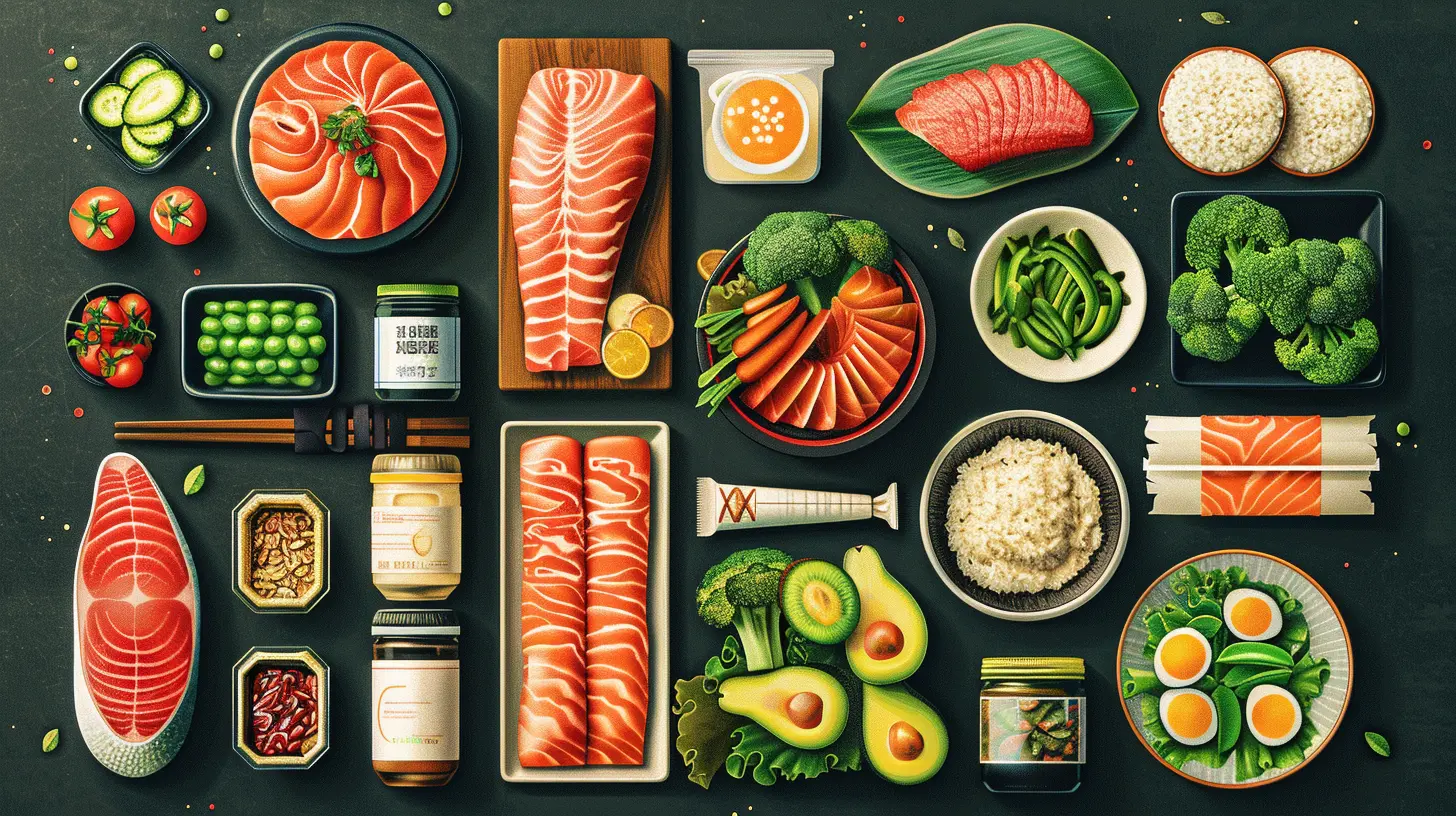
3. Hit the Local Markets
Skip the supermarkets for a bit and check out local food markets. Not only are they usually cheaper, but they’re bursting with fresh, delicious, and authentic ingredients you won’t find in chain stores.Markets are also a gold mine for cheap ready-to-eat meals—fresh pastries, grilled meats, local fruits—all for a fraction of restaurant prices.
And the vibes? Immaculate. Shopping at a bustling street market is 10x better than pushing a cart under fluorescent lights.
4. Eat Like a Local
If you're aiming to save cash and have an authentic experience, ditch the touristy eateries.Locals don’t eat at the restaurant with the massive English menu and an employee waving you in with a smile (Sorry, but that’s usually a trap). Instead, they hit up hole-in-the-wall joints and food stalls.
Ask someone who lives there: “Where do you eat?”
Follow your nose, look for busy spots filled with locals, and keep your Google Translate app handy if needed. Your stomach and your wallet will thank you.
5. Go Big at Lunch, Light at Dinner
Here’s a tip many travelers overlook: lunch menus are often cheaper than dinner menus—sometimes by a lot.In many countries, lunch is the main meal of the day. Restaurants offer set menus or “menu del día” for way less than their dinner prices. You’ll get multiple courses at a bargain price.
Then, have a lighter dinner with something you’ve cooked yourself, or pick up something small from a food stall or grocery store.
It’s budget-friendly and won't leave you in a food coma right before bed.
6. Embrace Street Food (Safely, of Course)
Street food is the traveler’s best friend. It’s fast, flavorful, and budget-friendly.From tacos in Mexico City to pad thai in Bangkok or crepes in Paris, some of the world’s best meals come from food carts and roadside vendors.
Yes, hygiene is important—look for vendors with a steady stream of local customers, clean prep areas, and food made fresh to order.
Pro tip: Avoid anything that looks like it’s been sitting under heat lamps for hours.
7. Buy Groceries and Meal Prep
If you're staying somewhere longer than a couple of days, go grocery shopping like a local.Simple meal prep can include:
- Breakfast: Oatmeal, cereal, eggs, toast.
- Lunch: Sandwiches, wraps, pasta salads.
- Dinner: Stir-fry, pasta, baked veggies.
Not only is this lighter on the wallet, you'll get a break from rich restaurant meals. Ever get travel tummy? Cooking your own food can help keep it in check.
This trick works incredibly well in expensive cities like Tokyo, Paris, or New York. A few homemade meals will stretch your budget further than you'd expect.
8. Take Advantage of Hotel Freebies
If you're staying in a hotel, don’t skip that continental breakfast. Yes, it might seem basic—some toast, eggs, maybe a soggy pancake—but hey, it’s free food.Load up at breakfast, and you might not even feel hungry until the late afternoon. Some travelers even sneak some snacks for later—just saying.
Also, some hotels offer “happy hours” with drinks and light bites. Take advantage of these little perks—they’re basically budget boosts in disguise.
9. Use Food Apps and Deal Finders
Technology is your budget’s best friend. There are tons of apps designed to help travelers eat smarter:- Too Good To Go – Grab unsold food from local restaurants and bakeries at crazy low prices.
- HappyCow – Great for vegan/vegetarian finds (often cheaper, too).
- Yelp, TripAdvisor, Google Reviews – Find popular local eateries with great value.
- Groupon – Local restaurant deals and discounts.
A few minutes of research can save you a lot of money and lead you to some hidden culinary gems.
10. BYOB: Buy Your Own Beverages
A small soda at a restaurant can cost as much as your meal in some places. Beverages add up quickly—especially alcohol.Want to enjoy a glass of wine or a beer? Pick up a bottle from a local store and enjoy it back at your hotel or with a picnic.
Not only is it way cheaper, it’s often more relaxed. Imagine sipping a cold beer watching the sunset on the beach rather than in a crowded bar.
11. Have a “No-Buy Day”
One fun way to stay on budget is to challenge yourself with a no-buy food day. That means you only eat what you’ve packed, cooked, or already have.It’s a great way to slow down and re-center your spending when it starts running wild.
Plus, those days often become your most creative. That leftover half avocado? Boom—gourmet toast. The snack stash you forgot about? Now it’s lunch.
12. Picnic Over Pricy Dinners
There’s something magical about a simple picnic.Pick up some bread, cheese, fruit, wine—whatever’s local and fresh—and head to a scenic spot. Parks, beaches, rooftops—your dining room is anywhere you want it to be.
It’s cheap, romantic (hey, date night goals), and gives you the best seat in town.
13. Share Meals
Still want to try that fancy dish or restaurant? Split it!Portions in many countries (especially the U.S.) are massive. Share an entrée and pair it with a side or starter. You still get the experience, without the oversized bill or stomachache.
Traveling with someone? Great. Traveling solo? Many places will give you a half-portion if you ask.
14. Be Mindful of Tipping Culture
Tips can sneak up on you, especially if you’re not familiar with local customs.In the U.S., tipping 15–20% is standard. But in Japan? Tipping is actually considered rude. In some European countries, service charge is included.
Research the tipping norms before you go so you don’t accidentally overspend.
15. Don’t Fall for the "Tourist Trap" Menus
When you see a laminated menu with photos of every dish and a guy waving tourists in, walk away slowly.These places usually offer mediocre food at inflated prices. If you see a menu in five languages—run. Locals likely eat somewhere else.
Trust your instincts. Sometimes, the best meals are down a quiet alley, not on the main square.
Final Thoughts: It’s About Balance
You’re traveling to enjoy yourself—and food is a huge part of that. So don't stress over every cent. The goal isn’t to avoid every restaurant or live on crackers. It’s about making smart choices so that your budget lasts and your belly stays full.Mix and match your meals: some home-cooked, some street food, and the occasional amazing restaurant experience. That’s the sweet spot.
Because at the end of the day, whether you're slurping noodles in Thailand or nibbling cheese in France, the real goal is to savor the journey—without running out of money halfway through.
Bon appétit and happy travels!
all images in this post were generated using AI tools
Category:
Travel BudgetingAuthor:

Ian Powell
Discussion
rate this article
1 comments
Tamsin Brown
Great tips! Eating like a local not only saves money but also enhances the travel experience. Embracing street food and local markets can lead to delicious discoveries. Your insights will surely help many travelers enjoy tasty meals on a budget!
August 8, 2026 at 4:49 AM
Ian Powell
Thanks for your comment! I'm glad you found the tips helpful. Eating like a local really does make the experience richer. Enjoy your travels and those tasty street food finds!