The Serengeti Show: Nature’s Greatest Spectacle on Earth
11 August 2026
Imagine a place where the wild roams free, where nature’s drama unfolds daily, and where you can witness one of the most breathtaking natural events on the planet. Welcome to the Serengeti, a land of endless plains, roaring lions, thundering hooves, and skies darkened by migrating herds. This is not just another safari destination—this is nature’s grandest stage, the Serengeti Show.
The Serengeti: A Land Like No Other
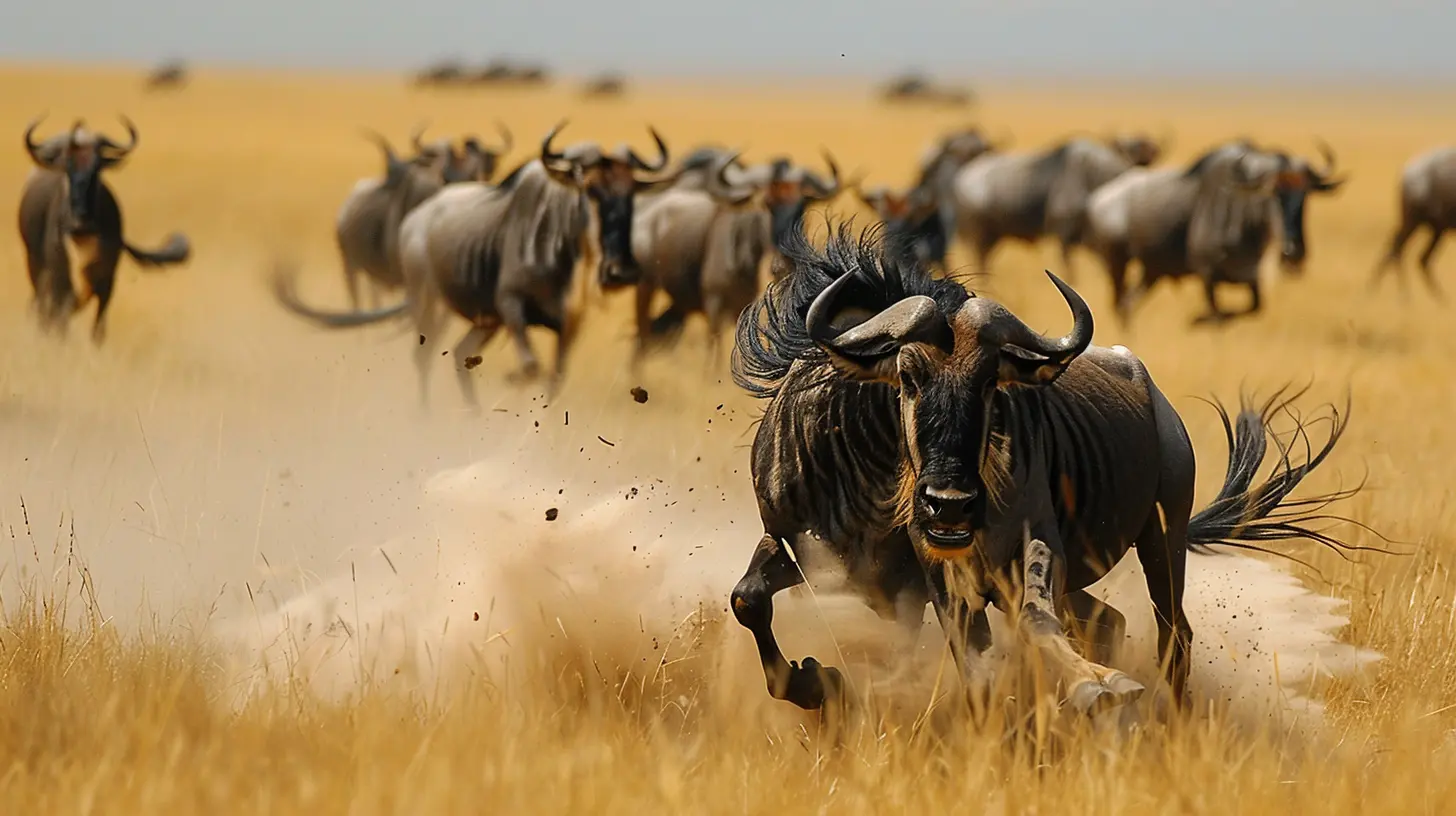
Nestled in East Africa, stretching across northern Tanzania and spilling into Kenya, the Serengeti is one of the world’s most iconic wildlife destinations. Its name, derived from the Maasai word "Siringet," means "the place where the land runs forever"—and that’s exactly what it feels like.With vast open plains, scattered acacia trees, and the mighty Mara River carving through its heart, this land has remained unchanged for thousands of years. It’s home to an astonishing variety of wildlife, from towering giraffes to elusive leopards, but what truly sets it apart is The Great Migration, one of the most mesmerizing natural events on Earth.
The Great Migration: Nature’s Most Spectacular Journey
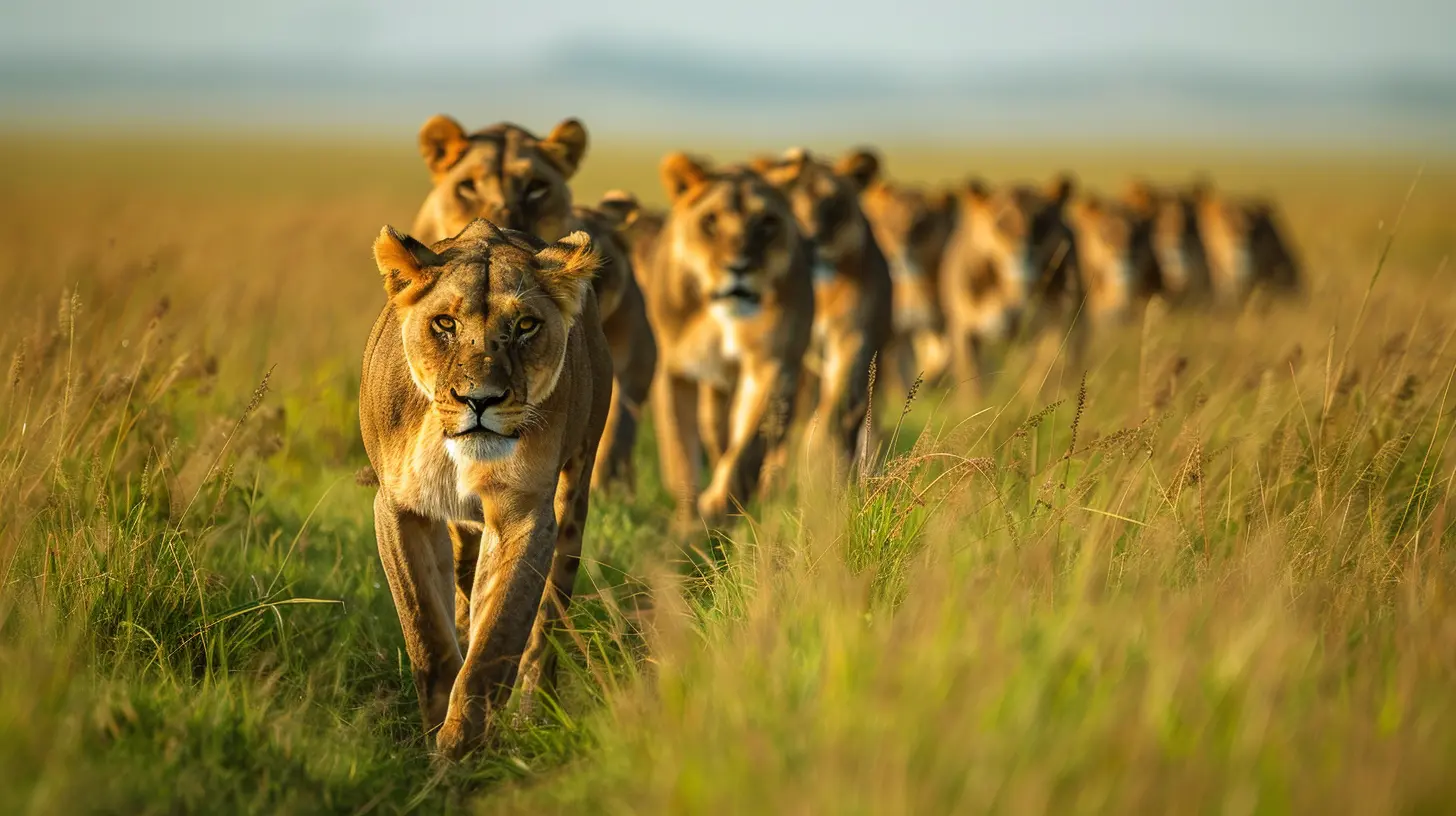
Picture this—millions of wildebeest, zebras, and antelopes embarking on a never-ending cycle of life and survival. Every year, roughly 1.5 million wildebeest, alongside hundreds of thousands of zebras and gazelles, move in search of greener pastures. Their journey is not just about food—it's about survival, reproduction, and escaping the jaws of death.The Migration Cycle
The migration follows an annual pattern, dictated by the rains and the changing seasons:- December – March: Calving Season in the Southern Serengeti
This is when the southern plains become the nursery of the Serengeti. Over 500,000 wildebeest calves are born within a span of a few weeks, attracting predators like lions, cheetahs, and hyenas. It’s an intense period of life-and-death struggles.
- April – May: The Journey Begins
As the plains start drying up, the herds move northwest towards the Grumeti River, a dangerous passage where massive crocodiles wait in ambush.
- June – July: The Dramatic River Crossings
If you’ve ever seen a wildlife documentary, this is probably the moment that stands out. The Mara River crossings are the most dramatic scenes in the circle of life. Wildebeests leap into the fast-moving waters, dodging crocodiles and battling strong currents, all in pursuit of the greener grass on the other side.
- August – October: The Kenyan Stage
By this time, the herds have reached Kenya’s Maasai Mara, enjoying the lush pastures before making their way back towards Tanzania.
- November: The Return Begins
The migration starts heading south again, completing the never-ending cycle of movement and survival.
Majestic Wildlife Beyond the Migration
While The Great Migration steals the spotlight, the Serengeti is home to an incredible variety of wildlife year-round. It’s one of the few places in the world where you can see the Big Five—lion, leopard, elephant, buffalo, and rhino—roaming freely in their natural habitat.The Kings and Queens of the Serengeti
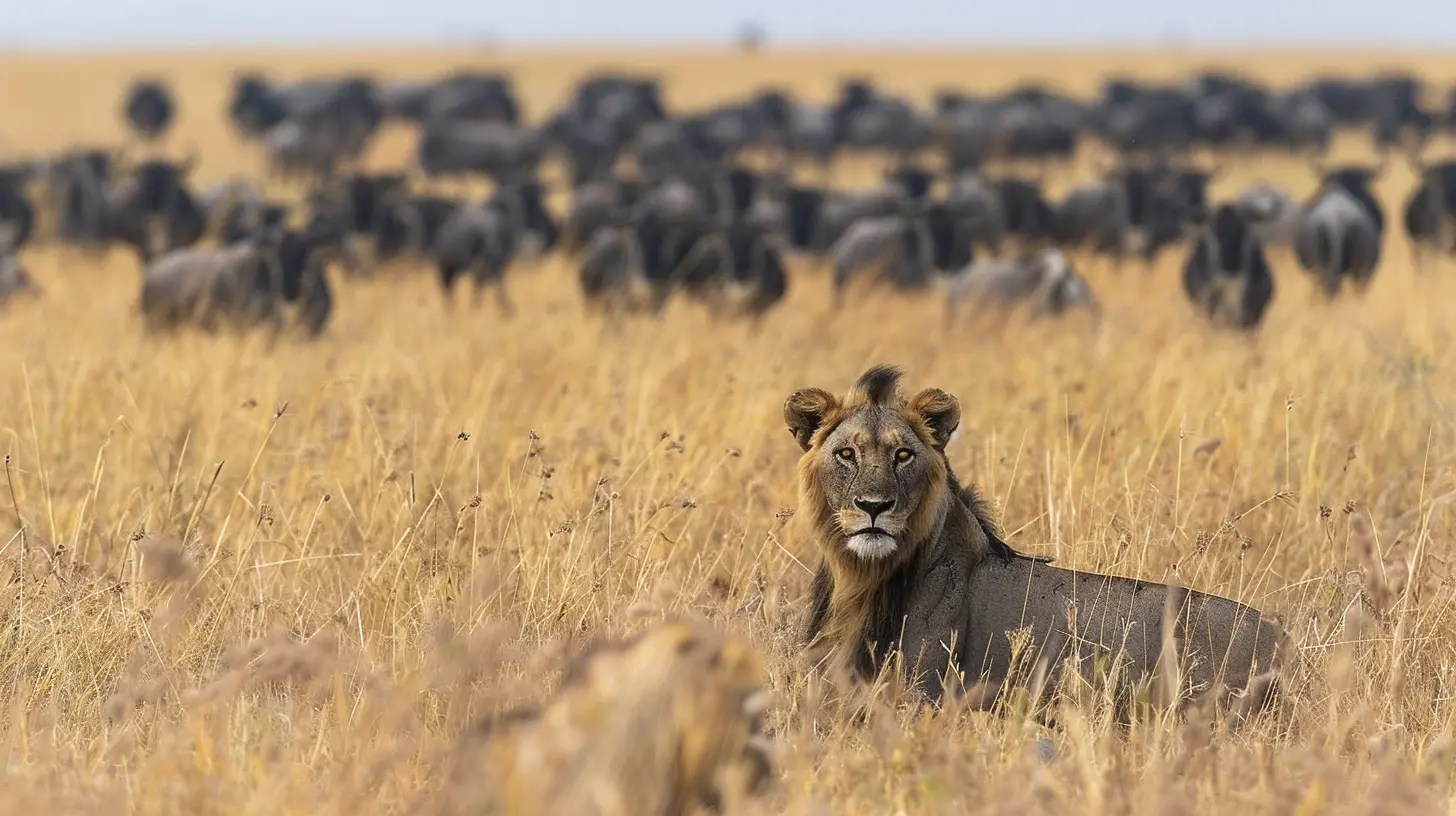
- Lions: The Rulers of the PlainsThe Serengeti boasts one of the largest lion populations in Africa. These magnificent beasts are often seen basking in the sun, hunting in coordinated packs, or defending their pride from rival males.
- Leopards: The Stealthy Hunters
Solitary and elusive, leopards prefer the cover of trees, waiting patiently before launching a precise attack on unsuspecting prey.
- Elephants: Gentle Giants
Towering and intelligent, elephants traverse the Serengeti in matriarch-led herds, teaching their young the secrets of survival.
- Rhinos: The Last of Their Kind
Rare and threatened by poaching, the black rhino remains a prized sighting for visitors.
- Buffalo: The Silent Powerhouses
Often overlooked, buffalo are formidable creatures, known for their unpredictable nature and strength.
The Birds of the Serengeti: A Paradise for Birdwatchers
The Serengeti isn’t just about big mammals—it’s a bird lover’s paradise, with over 500 species recorded. You’ll see everything from the towering ostrich sprinting across the plains to the vibrant lilac-breasted roller, one of Africa’s most colorful birds.Birdwatchers will be thrilled by sightings of the secretary bird, fish eagles, vultures, and countless other species that add to the richness of the ecosystem.
The Best Time to Visit the Serengeti
So, when’s the best time to visit? The truth is, the Serengeti is spectacular year-round, but your experience will depend on what you want to see.- For Calving Season: December to March
If you love seeing baby animals and predator action, this is your time.
- For River Crossings: June to August
If you want to witness the breathtaking Mara River crossings, this is your window.
- For General Wildlife Viewing: Year-round
The Serengeti never disappoints. No matter when you go, you’ll always find wildlife in abundance.
Safari Experiences: More Than Just Game Drives
Think a Serengeti safari is all about sitting in a jeep? Think again! There are multiple ways to experience the magic of this land.Hot Air Balloon Safari
Want a bird’s-eye view of the Serengeti at sunrise? Hop into a hot air balloon, soar over the plains, and watch the wilderness wake up beneath you. It’s a once-in-a-lifetime experience that leaves you breathless.Walking Safaris
For the adventurous souls, a guided walking safari offers an intimate look at the ecosystem. You’ll track animal footprints, observe smaller creatures, and feel truly connected to nature.Cultural Encounters with the Maasai
The Serengeti isn’t just about wildlife—it’s also home to the Maasai people, one of Africa’s most well-known indigenous communities. Visiting a Maasai village gives you a chance to learn about their ancient traditions, vibrant dances, and unique way of life.Conservation Efforts: Protecting Nature’s Masterpiece
Unfortunately, the Serengeti faces threats from poaching, habitat destruction, and climate change. Thankfully, conservation organizations and government initiatives are working tirelessly to preserve this precious ecosystem. When you visit, remember to choose eco-friendly lodges, respect wildlife, and support conservation efforts.After all, wouldn’t it be heartbreaking if future generations never got to witness The Serengeti Show?
Final Thoughts: The Magic of the Serengeti
The Serengeti is more than just a destination—it’s an experience, a journey back to nature at its wildest and most untamed. Whether you’re watching a lion stalk its prey, witnessing thousands of wildebeest thunder across the plains, or simply soaking in the golden hues of an African sunset, the Serengeti leaves an imprint on your soul.If you’ve ever dreamed of seeing raw, unfiltered nature in action, there’s no better place than here. The Serengeti isn’t just a safari—it’s a front-row seat to the greatest wildlife show on Earth.
all images in this post were generated using AI tools
Category:
Wildlife EncountersAuthor:

Ian Powell