Why 2027 is the Perfect Year to Explore Hidden Paradises
12 May 2026
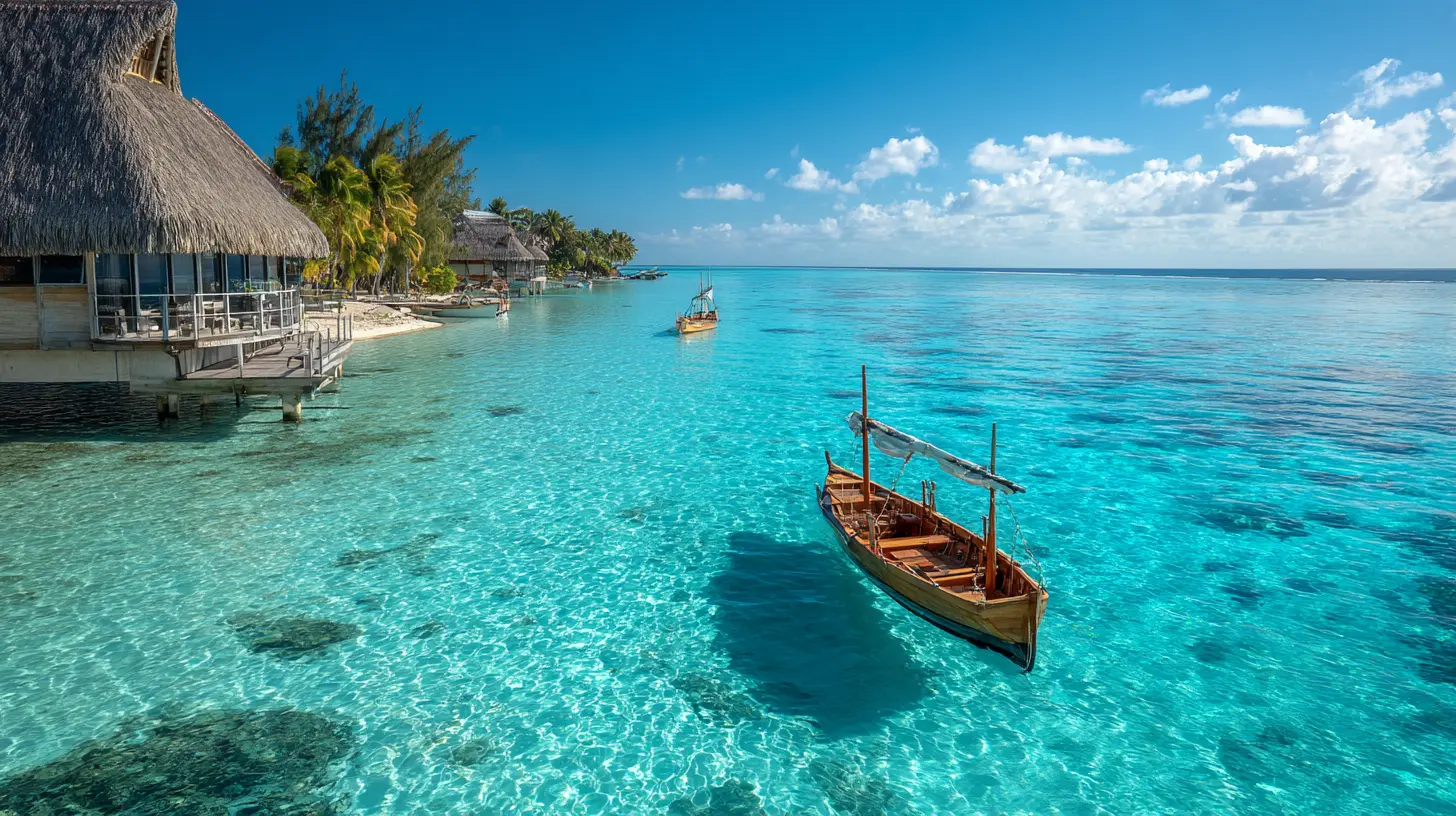
Let me ask you something. Have you ever stood in a crowd of tourists, waiting for that one perfect photo, only to realize the "secret spot" you found online now has a ticket booth and a gift shop? It stings, right? The world feels smaller every year. The places we used to dream about are now plastered across Instagram with geotags and hashtags. But here is the thing: the planet is still full of corners that most people haven't touched. And 2027 is your golden ticket to get there before the crowds do.
I am not talking about some vague "someday" trip. I am talking about a specific window of time where the stars align for the true traveler. Think of 2027 as the last quiet breath before the storm of mass tourism finally swallows the last hidden gems. If you have been waiting for a sign to pack your bags and go somewhere raw, this is it.
The Window is Closing, But Not Yet
We live in an age where every beach, every mountain, every tiny village is being catalogued by algorithms. By 2027, the travel industry will have shifted again. New flight routes will open. Budget airlines will start servicing remote islands. Infrastructure projects that have been stalled for years will finally finish. But here is the catch: the hype will still be building, not peaking.
Right now, places like the Svalbard archipelago in Norway or the remote valleys of Kyrgyzstan are still considered "niche." By 2027, they will be on more lists, but not yet overrun. The early adopters, the people who read blogs like this one, will have a two-year head start before the influencer armies arrive. You want to be that early adopter.
Think of it like a wave. You do not want to be the person who catches it at the crest, fighting for space. You want to be the one paddling out when the water is still flat, feeling the pull before anyone else knows it is coming. That is 2027.
Why Not 2025 or 2026? The Sweet Spot
You might be wondering, "Why not go right now?" Well, you could. But let me be real with you. 2025 and 2026 are still recovery years. The travel industry is still shaking off the dust from the last few years. Some routes are inconsistent. Some hidden paradises are still closed or dealing with overtourism from the post-pandemic boom. By 2027, the dust will have settled, but the prices will still be reasonable.
Think of it as the perfect middle ground. The chaos of the last few years will be a memory. The infrastructure will be ready for you, but the masses will not have arrived yet. It is like finding a great restaurant that just opened. The food is amazing, the service is fresh, but the line is not out the door. That is 2027 for the hidden paradises of the world.
The Places That Will Still Be "Hidden" in 2027
Let me paint you a picture of what I mean by "hidden paradise." I am not talking about a secret beach in Thailand that now has a 7-Eleven on the corner. I am talking about places that require a little effort, a little curiosity, and a willingness to step off the beaten path.
- The Faroe Islands (But Not the Main Ones): Everyone has seen the photos of the Faroe Islands. But by 2027, the main islands will be busy. The real hidden paradise is the island of Kalsoy or the tiny village of Gjogv. These places are still raw, still quiet. You can hike for hours without seeing another soul. The wind whips your face, the grass is impossibly green, and the only sound is the ocean. In 2027, you will still have those trails mostly to yourself if you go in the shoulder season.
- The Togean Islands, Indonesia: If you have heard of Raja Ampat, you know it is stunning. But it is also getting crowded. The Togean Islands, a cluster of islands in the Gulf of Tomini, are like Raja Ampat was twenty years ago. No resorts. No Wi-Fi. Just coral reefs that look like underwater gardens and beaches where you can be the only footprint in the sand. By 2027, a few eco-lodges will have opened, but the infrastructure is so limited that it will stay exclusive without being expensive.
- The Kalahari Desert's Hidden Oases, Botswana: Everyone goes to the Okavango Delta. Smart money says go to the Kalahari. In 2027, new community-run camps will be opening in the remote central Kalahari. You can sleep under stars so bright they feel like a second sun, and wake up to a landscape that looks like another planet. It is not a beach paradise, but it is a paradise for the soul.
The Technology That Will Help You Go Deeper
Here is something most travel blogs do not tell you. By 2027, technology will actually help you find the hidden stuff, not just the popular stuff. AI-powered travel apps will be able to filter out "tourist traps" and suggest routes based on your actual interests, not just what is trending. But the real magic is offline.
Satellite internet will be cheaper and more accessible. You will be able to get a signal in places that were dead zones five years ago. That means you can navigate a remote trail in Patagonia or call a local guide in rural Mongolia without worrying about getting lost. But the key is to use this tech to get off the grid, not to stay on it. Use it to find the path, then put the phone away.
The Eco-Tourism Shift That Benefits You
By 2027, the travel industry will have fully embraced a new kind of eco-tourism. It is not just about planting a tree for your flight. It is about community-led travel. Many hidden paradises are in developing regions, and local communities are starting to run their own lodges, their own tours, their own experiences.
This is huge for you, the traveler. You get an authentic experience. You eat food cooked by a local family. You sleep in a hut built with traditional methods. You hear stories that are not in any guidebook. And your money goes directly to the people who live there, not to some international corporation. In 2027, this will be easier to find because these community projects will be more organized, but still small enough to feel personal.
The Practical Side: How to Plan for 2027
Alright, let me get practical with you. You cannot just wake up in January 2027 and book a flight to a hidden paradise. It takes some groundwork. Here is my advice, straight from someone who has made the mistakes so you do not have to.
First, start following local tourism boards on social media. Not the big national ones, but the regional ones. The province of Khyber Pakhtunkhwa in Pakistan, for example, has a tourism board that posts about valleys so remote they do not even have names on Google Maps. Follow those. They will announce new routes and new openings before the big travel magazines pick them up.
Second, learn a few words of a local language. It sounds basic, but it opens doors. In 2027, the hidden paradises will still be places where English is not the default. A simple "thank you" or "hello" in the local tongue will get you a smile, a meal invitation, or a tip about a waterfall that is not on any map.
Third, be flexible with your dates. The hidden paradises are not designed for peak season. Go in April instead of July. Go in October instead of December. The weather might be a little unpredictable, but you will have the place to yourself. And honestly, a little rain makes the jungle greener and the air cleaner.
The Risk of Waiting Too Long
Here is the hard truth. If you wait until 2028 or 2029, those hidden paradises will not be hidden anymore. The secret will be out. The same thing happened to places like Bali, like the Maldives, like Santorini. They were once quiet, soulful places. Now they are crowded, expensive, and sometimes feel like a theme park version of themselves.
Do not let that happen to your dream trip. 2027 is the last real window to experience a place before it changes forever. Think of it like finding a great band before they get famous. You get to see them in a small club, feel the raw energy, and then later, when they are playing stadiums, you can say, "I was there when it was real."
The Emotional Payoff
Let me be honest with you about what you will get from this. It is not just a vacation. It is a reset. When you go to a hidden paradise, you are not just looking at a pretty view. You are connecting with something ancient. You are standing on a beach where no one has built a hotel. You are walking through a forest that has never heard a chainsaw. You are meeting people who live by rhythms we forgot existed.
That feeling, that deep, quiet joy, is what makes travel worth it. And 2027 is the year you can get that feeling without fighting a crowd for it.
A Final Challenge
I will leave you with this. Look at your calendar. Look at your savings. Look at your dreams. If you have been putting off that big trip to somewhere wild, stop. Start planning now. Not next month. Not next year. Now.
Because 2027 is not just a year on a calendar. It is a deadline. It is the last chance to see these places as they are meant to be seen: raw, quiet, and full of mystery. After that, the world catches up. The secret gets out. And the hidden paradises become just another postcard.
So, are you ready? The trail is waiting. The water is warm. The stars are bright. All you have to do is take the first step.
all images in this post were generated using AI tools
Category:
Dream DestinationsAuthor:

Ian Powell
Discussion
rate this article
1 comments
Peyton Palmer
2027 is a game changer. These hidden paradises are waiting to be discovered, offering unique adventures and breathtaking beauty. Stop dreaming and start planning your escape now...don't miss out!
June 3, 2026 at 4:40 PM