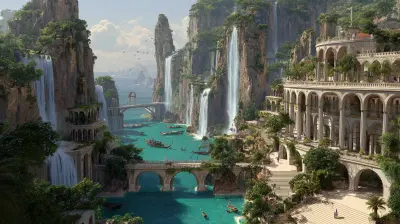
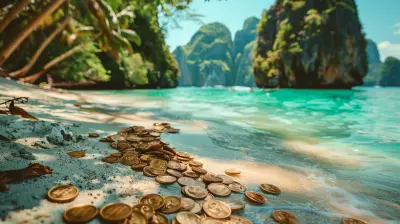
Journey to the Heart of UNESCO’s Most Remote Sites
10 April 2026
Ever had the itch to visit someplace so remote that even Google Maps gives you the digital equivalent of a shrug? Well, buckle up, because we’re taking a deep dive into the world’s most isolated UNESCO World Heritage Sites—places so wild that even getting there feels like stepping into an episode of Survivor.
Forget the overcrowded streets of Paris or the predictable sun-and-sand vacations; these wonders require a little more effort (and maybe a survival guide). But hey, what’s life without a little adventure?
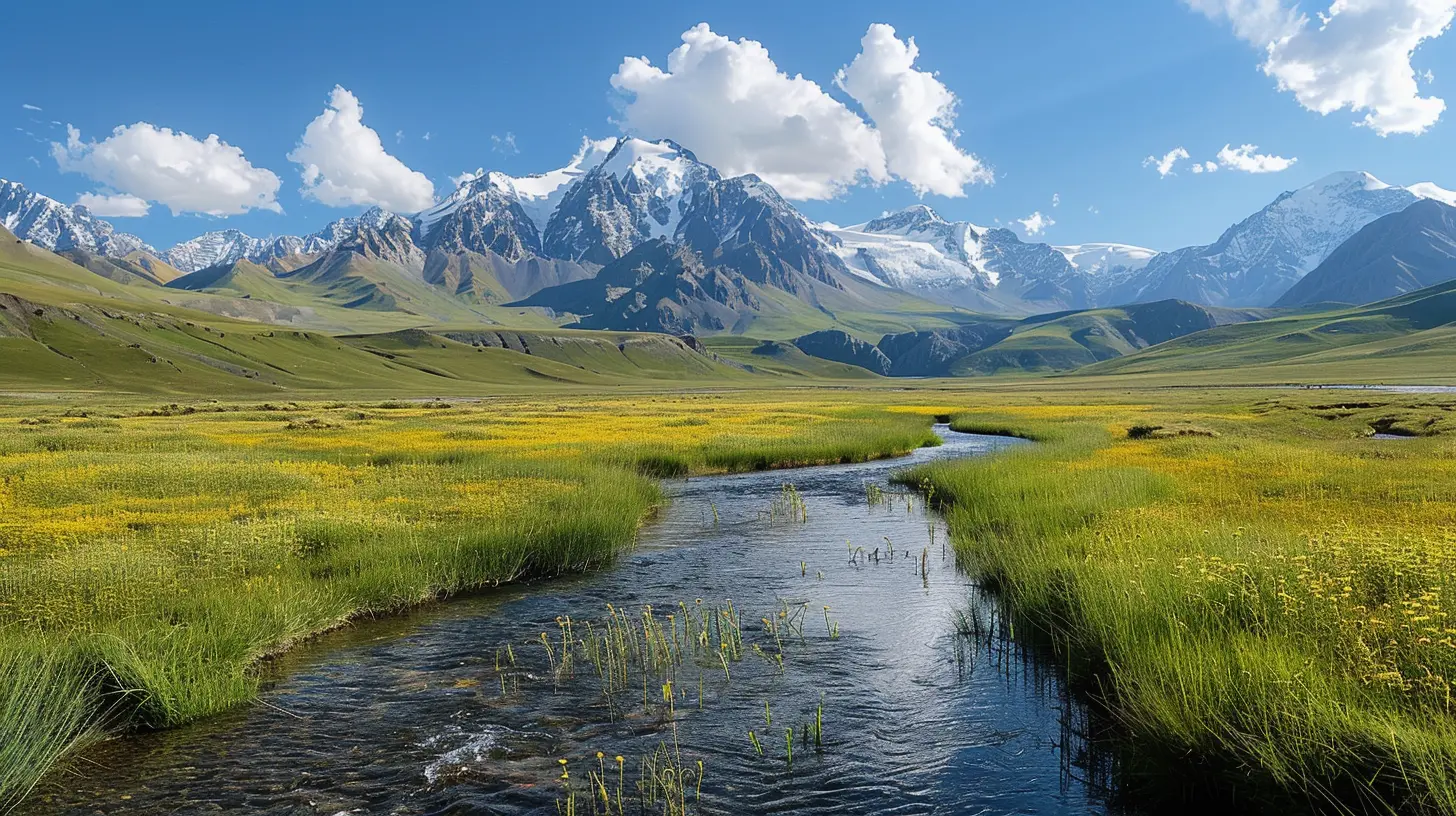
1. Tristan da Cunha – The Most Isolated Settlement on Earth
Ever heard of Tristan da Cunha? No? That’s probably because it’s literally in the middle of nowhere. This tiny volcanic island in the South Atlantic Ocean is home to less than 300 people, zero hotels, and definitely no Uber drivers.Getting there? Well, that’s a journey in itself. You’ll need to embark on a six-day boat journey from South Africa, assuming the weather doesn’t throw a tantrum. But once you arrive, you’ll be rewarded with dramatic coastlines, fields of penguins, and a level of peace that makes meditation retreats look chaotic.
Why It’s UNESCO-Worthy
- Home to millions of seabirds, including the endangered Tristan albatross.- Unique volcanic landscapes and untouched ecosystems.
- A human settlement that has thrived despite being essentially cut off from the rest of the world.
Pro Tip: If you ever need an excuse to go completely off-grid without offending anyone, just tell them you’re moving to Tristan da Cunha.
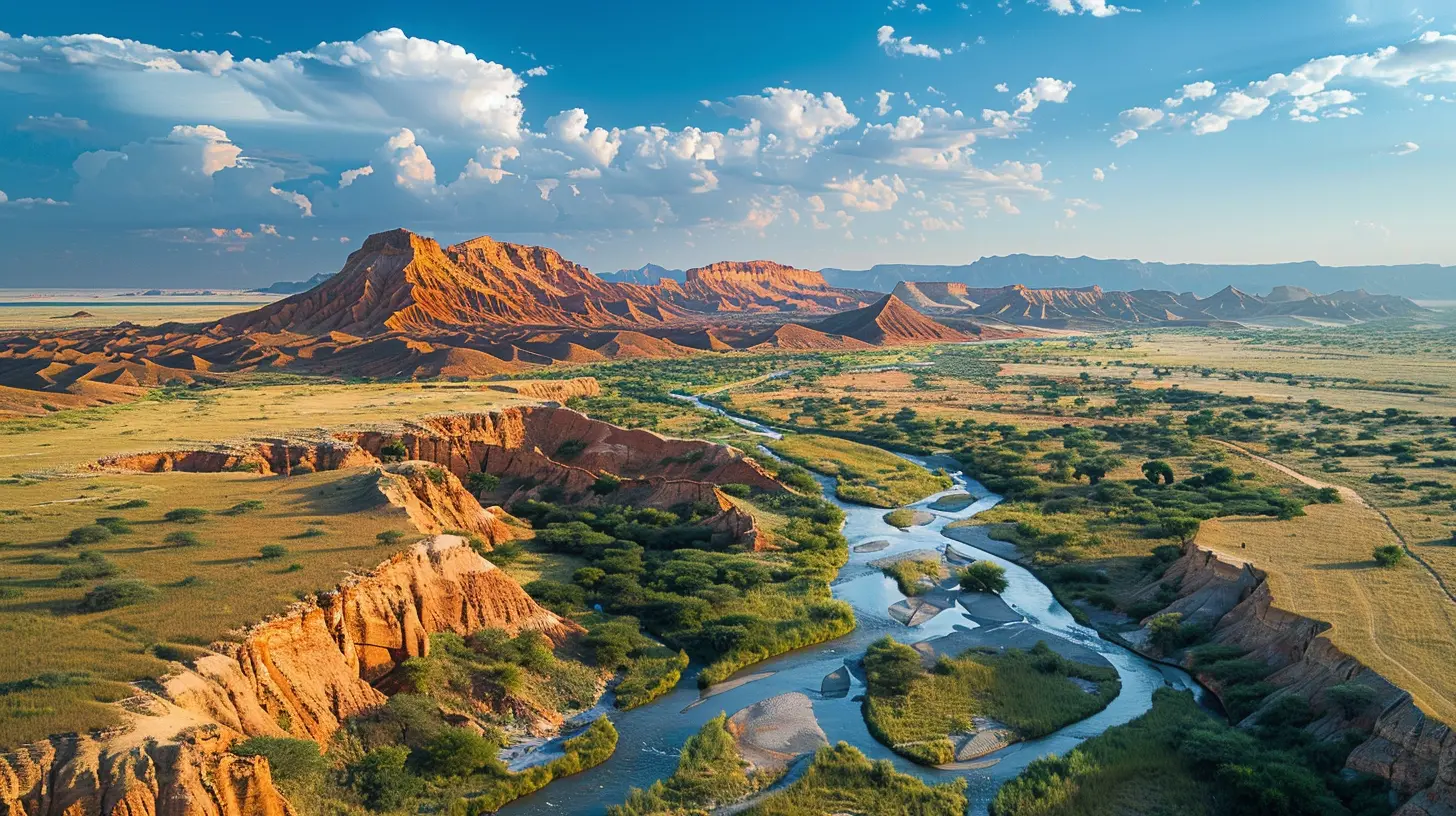
2. Aldabra Atoll – The Galápagos’ Cooler Cousin
Ever had a tortoise stare at you like it has life advice to give? Welcome to Aldabra Atoll in the Seychelles, home to over 150,000 giant tortoises who honestly seem to have it all figured out.Aldabra is the world’s second-largest atoll and is so remote that even Charles Darwin gave it a nod. The crystal-clear waters, untouched coral reefs, and complete absence of human interference make this one of nature’s last true sanctuaries.
Why It’s UNESCO-Worthy
- The world’s largest population of giant tortoises (they make for great slow-motion entertainment).- A pristine marine ecosystem that most Instagram influencers would sell their souls to photograph.
- Four coral islands forming a natural lagoon that looks straight out of a dream.
Pro Tip: There’s no tourism infrastructure here, so unless you have connections with the right scientists or conservationists, the closest you’ll get is through a David Attenborough documentary.
3. Papahānaumokuākea – Hawaii’s Secret Paradise
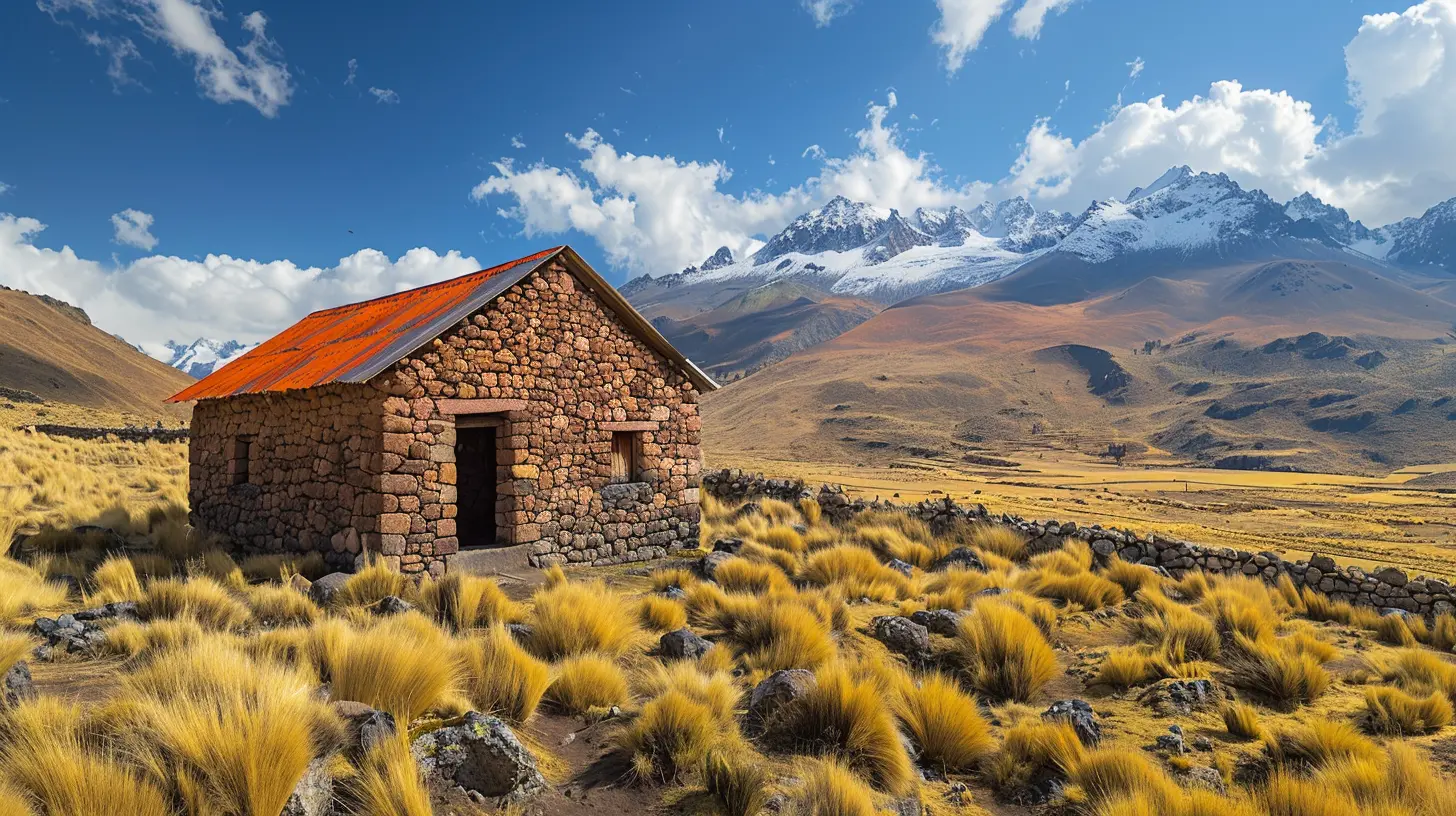
You’ve probably heard of Hawaii, but I bet Papahānaumokuākea isn’t rolling off your tongue anytime soon. This marine national monument is a chain of remote atolls and reefs stretching over 1,500 miles across the Pacific Ocean.This isn’t your typical Hawaiian vacation. No resorts, no luaus, just untouched natural beauty where monk seals sunbathe like retired lifeguards and seabirds rule the skies.
Why It’s UNESCO-Worthy
- One of the largest marine protected areas on Earth.- Houses over 7,000 species, many of which are found nowhere else.
- A sacred site in Native Hawaiian culture, connecting past and present.
Pro Tip: Unless you’re a scientist or part of a conservation team, you’re probably never setting foot here. But hey, knowing it exists is kinda cool, right?
4. Heard and McDonald Islands – Australia’s Frozen Backyard
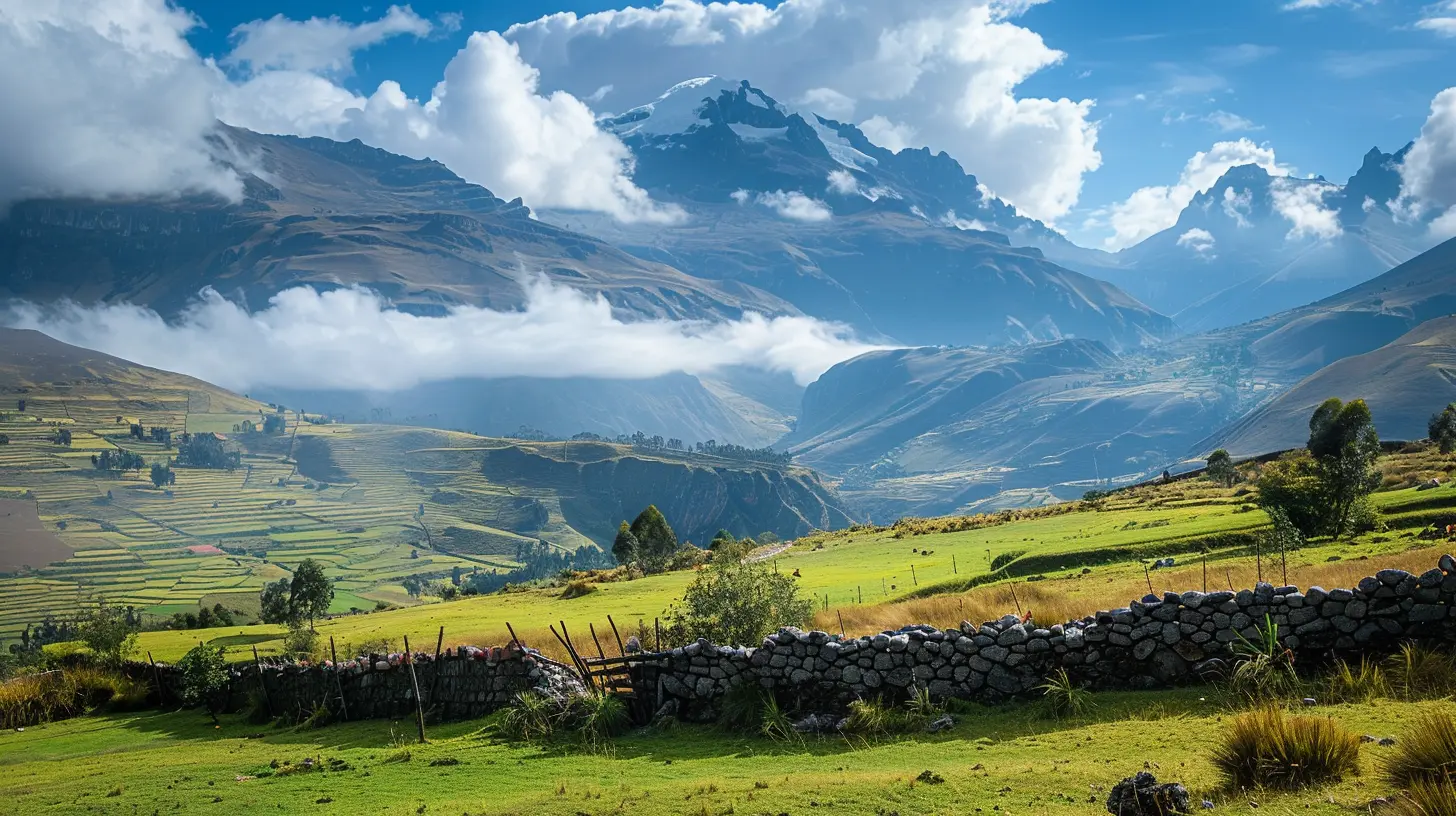
Think Australia is just beaches and kangaroos? Think again. Heard and McDonald Islands are Antarctica’s lesser-known cousins, sitting in the Southern Ocean, where the climate is basically a never-ending winter.Getting here is like winning the geographic lottery—only a handful of scientists and researchers ever visit, thanks to the extreme conditions. But if you’re into glaciers, active volcanoes, and penguins that don’t care about human presence, this place is your wonderland.
Why It’s UNESCO-Worthy
- Home to the only active volcano in Australian territory.- Completely untouched by human hands—no invasive species, no pollution, just pure nature.
- A rare glimpse of a subantarctic ecosystem in all its raw glory.
Pro Tip: If you really want to test your endurance, just try planning a trip here. It makes Mount Everest look like a casual weekend hike.
5. Wrangel Island – The Last Woolly Mammoth Stand
If Woolly Mammoths had a retirement home, this would’ve been it. Wrangel Island, nestled in the Arctic Ocean north of Russia, is the last known place where these prehistoric giants lived before going extinct.Today, it’s an icy sanctuary for polar bears, musk oxen, and walruses that look like they’ve seen some things. Getting here requires patience, special permits, and a willingness to embrace frostbite.
Why It’s UNESCO-Worthy
- Has more polar bears per square mile than anywhere else on Earth (so yeah, maybe don’t bring a picnic).- An important breeding ground for rare bird species.
- A living museum of Ice Age history.
Pro Tip: If you’ve ever wanted to feel like the last human on Earth, this is the place. Just don’t expect a quick escape if the weather turns bad.
6. Rapa Nui (Easter Island) – Where the Heads Have Eyes
Okay, this one’s probably the most famous on our list, but it’s remote enough to deserve a shoutout. Rapa Nui, also known as Easter Island, is home to the iconic moai statues—those giant stone heads that look like they’ve been silently judging humanity for centuries.Despite its fame, Easter Island is one of the most isolated inhabited places in the world. It takes a five-hour flight from Chile to get there, and once you arrive, you’ll quickly realize there’s more to the island than just statues—like the mystery behind why their ancient civilization suddenly disappeared.
Why It’s UNESCO-Worthy
- The moai statues, which are an engineering and cultural marvel.- A lesson in ecological collapse (the island’s deforestation led to its downfall).
- A unique cultural blend of Polynesian heritage that still thrives today.
Pro Tip: If you ever want to have a face-off with a giant stone head, this is your best chance. Just don’t expect an answer.
Final Thoughts
Visiting these places isn’t exactly a “weekend getaway” kind of deal. Most of them require a lot of planning, commitment, and perhaps an absence of fear when it comes to extreme isolation. But that’s what makes them special—they remain some of the last untouched corners of the world, quiet reminders of nature’s raw power and history’s lingering secrets.So, if you ever get tired of tourist-packed destinations and want a real adventure, maybe it’s time to set your sights on one of these UNESCO wonders. Just don’t forget to send a postcard… if you can find a post office.
all images in this post were generated using AI tools
Category:
Unesco SitesAuthor:

Ian Powell
Discussion
rate this article
2 comments
Aris Castillo
What an inspiring journey! Your insights into UNESCO's most remote sites truly highlight their beauty and significance. Thank you for sharing this incredible adventure and encouraging us to explore these remarkable places!
April 24, 2026 at 3:19 PM
Ian Powell
Thank you for your kind words! I'm glad you found the journey inspiring. These hidden gems deserve to be explored.
Faryn Valentine
Unleash your wanderlust! These hidden UNESCO gems offer unparalleled adventures and breathtaking beauty. Step off the beaten path and embrace the extraordinary—because life's too short for ordinary travels!
April 11, 2026 at 4:56 AM
Ian Powell
Thank you! Exploring these hidden UNESCO gems truly brings out the beauty of extraordinary travels. Can't wait for readers to embark on this adventure!