What to Expect from Bali’s Traditional Festivals in 2026
29 April 2026
So, you’ve decided to crash Bali’s party in 2026. Smart move. Or maybe you just Googled “cheap flights to paradise” and now you’re stuck wondering if you’ll be dodging holy water or just dodging tourists. Either way, welcome. Bali’s traditional festivals are less “calm yoga retreat” and more “chaotic, incense-fueled, traffic-jamming spectacle.” And honestly? You’re going to love it—if you survive the noise, the offerings, and the sheer audacity of a culture that celebrates everything with a smile and a chicken sacrifice.
Let’s get one thing straight: Bali doesn’t do “quiet.” It does vibrant, spiritual, and slightly confusing—like a fever dream directed by a hyperactive god. By 2026, the island will have dialed up the weirdness to eleven, thanks to climate change, tourism recovery, and a collective desire to make up for lost time. Think of it as a cultural rollercoaster where you’re not sure if you’re supposed to cry, laugh, or buy a sarong. Probably all three.
Here’s what you can actually expect when you wade into Bali’s 2026 festival calendar. Spoiler: it involves sweat, traffic, and a profound respect for anyone who can balance a tower of fruit on their head.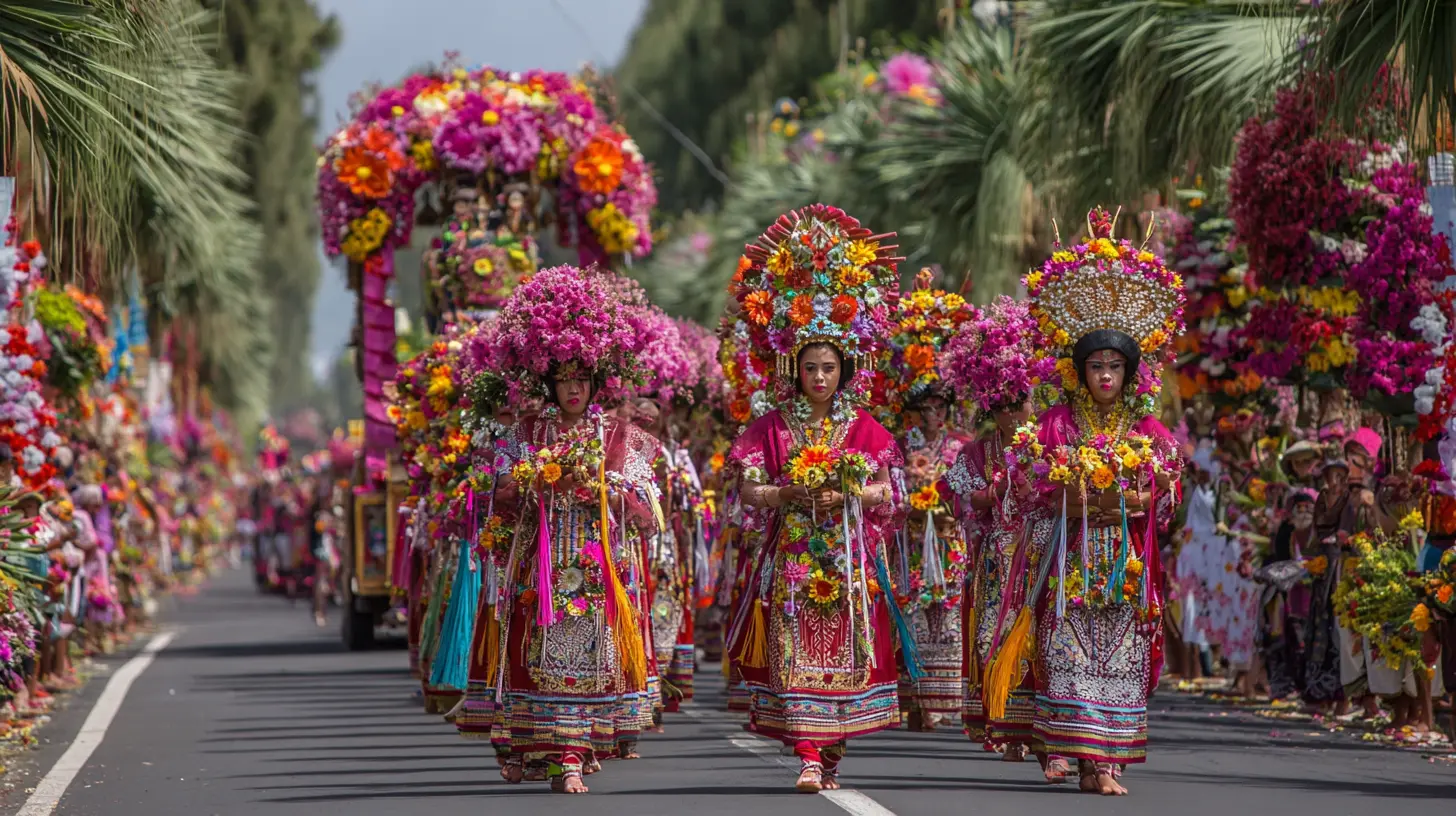
The Nyepi “Day of Silence” – But Make It Loud (Before and After)
Nyepi is Bali’s New Year, and it’s the one day when even the airports shut down. No flights, no lights, no Wi-Fi. Sounds peaceful, right? Wrong. The night before Nyepi, the island throws a massive, chaotic parade called Ogoh-Ogoh. Think of it as Halloween meets a monster truck rally, but with papier-mâché demons that look like they escaped from a heavy metal album cover.In 2026, expect the Ogoh-Ogoh to be bigger, louder, and more politically charged. Local villages compete to build the most terrifying statues—often mocking politicians, celebrities, or that one tourist who tried to climb a temple in a bikini. You’ll hear gamelan music so loud it rattles your fillings, and you’ll be dodging torches, firecrackers, and kids who haven’t slept in 48 hours. It’s beautiful chaos.
Pro tip: Don’t try to sleep before Nyepi. You won’t. Instead, join the parade, pretend you understand the symbolism, and buy a plastic demon mask from a street vendor. You’ll look ridiculous, but so does everyone else. And then, at 6 a.m., silence. Dead silence. For 24 hours. You’ll either experience profound spiritual clarity or go stir-crazy staring at a wall. Either way, it’s a rite of passage.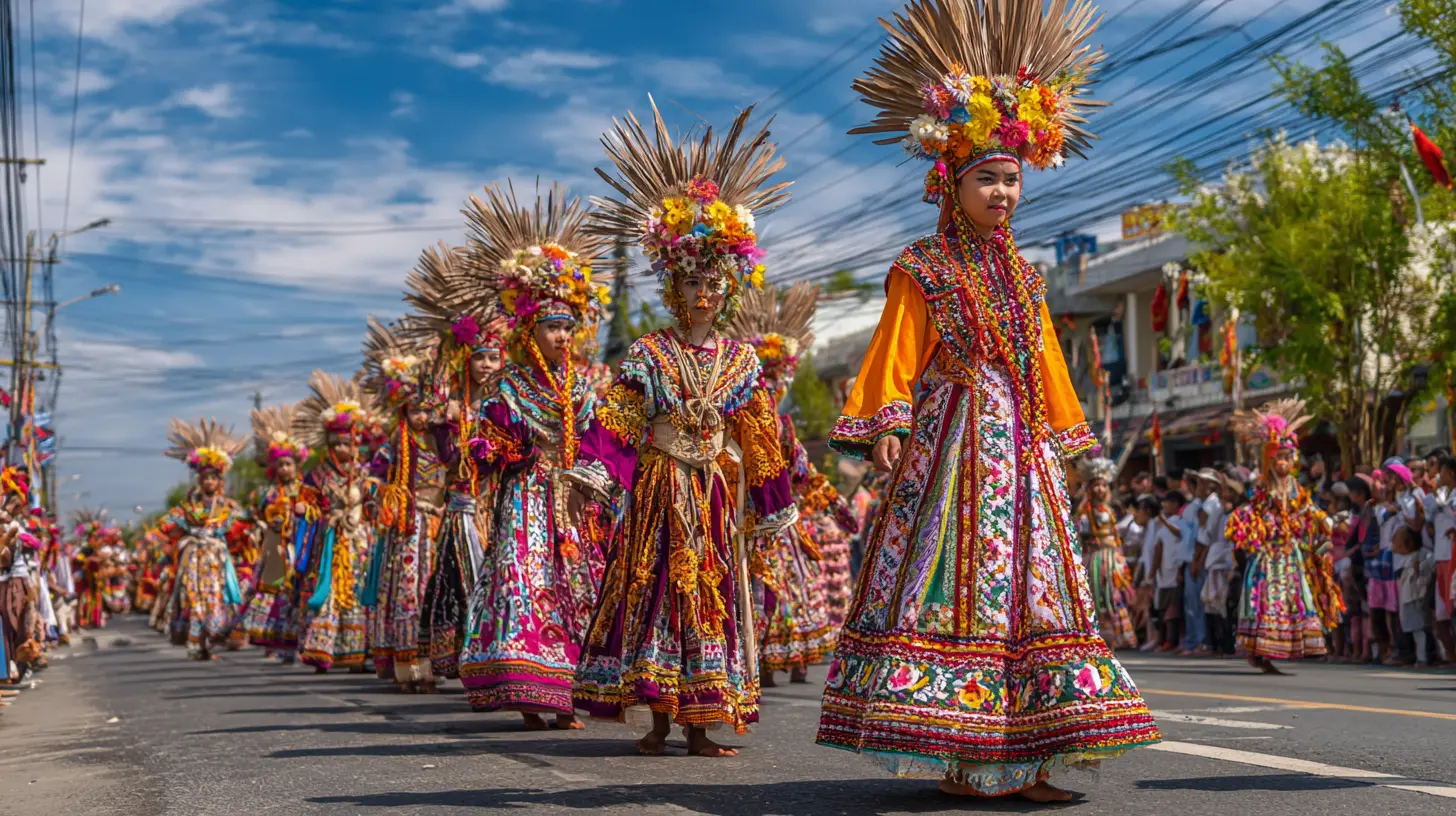
Galungan – When Ancestors Visit and Traffic Dies
Galungan is like Thanksgiving, but with more incense and fewer football games. It’s a celebration of good triumphing over evil, and it happens every 210 days—because why follow a boring Gregorian calendar when you can confuse everyone? In 2026, Galungan falls in late February and again in September. Yes, twice. Because Bali loves to party.What to expect? Penjor—those tall, curved bamboo poles decorated with coconut leaves, fruits, and cakes—will line every street. They look like elegant, spiritual welcome banners. In reality, they’re obstacles for scooters. You’ll be weaving through them while locals carry offerings to temples. The roads will be a gridlock of scooters, trucks, and tourists taking selfies. It’s organized chaos, but the Balinese have a superpower: they smile through it all.
The real experience: You’ll be invited (or guilt-tripped) into a local home to eat lawar, babi guling, and nasi kuning. You’ll nod politely while someone explains the complicated mythology. You’ll try to eat with your right hand, fail, and use a spoon. It’s awkward, hilarious, and deeply human. By the end, you’ll feel like you’ve adopted a Balinese grandmother who force-feeds you cake.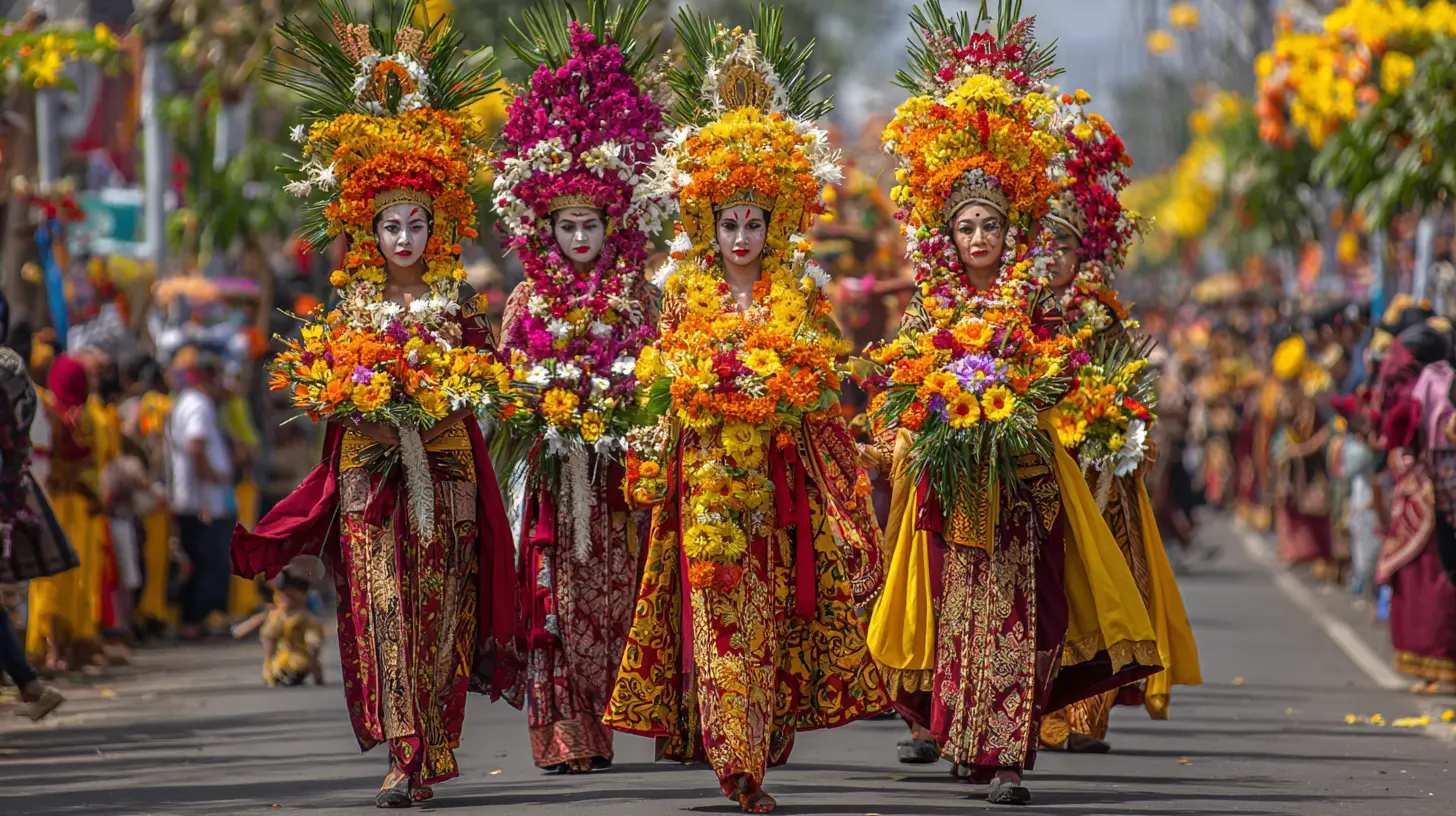
Kuningan – The Grand Finale That’s Actually a Party
Kuningan is the 10-day finale of Galungan, and it’s when the ancestors go back to heaven. Think of it as the after-party where everyone is slightly drunk on holy water and coconut rice. In 2026, expect temples to be packed, offerings to be piled higher than your credit card debt, and the air to be thick with incense and the smell of fried bananas.What you’ll actually see: Women in kebaya (traditional lace blouses) walking with towers of fruit on their heads. Men in sarongs chanting like they’re summoning a deity. Tourists in rented sarongs who forgot to tie them properly, flashing the gods. It’s a beautiful mess. You’ll feel like an intruder, but locals will wave you in, hand you a flower, and tell you to pray. Don’t worry—you can just pretend. The gods are chill.
Meta moment: By 2026, expect drone shots of Kuningan processions flooding Instagram. You’ll see influencers posing with offerings, captioned “#blessed” and “#balilife.” Don’t be that person. Instead, put your phone down, watch a grandmother adjust a child’s sarong, and realize that some things are too sacred for a grid.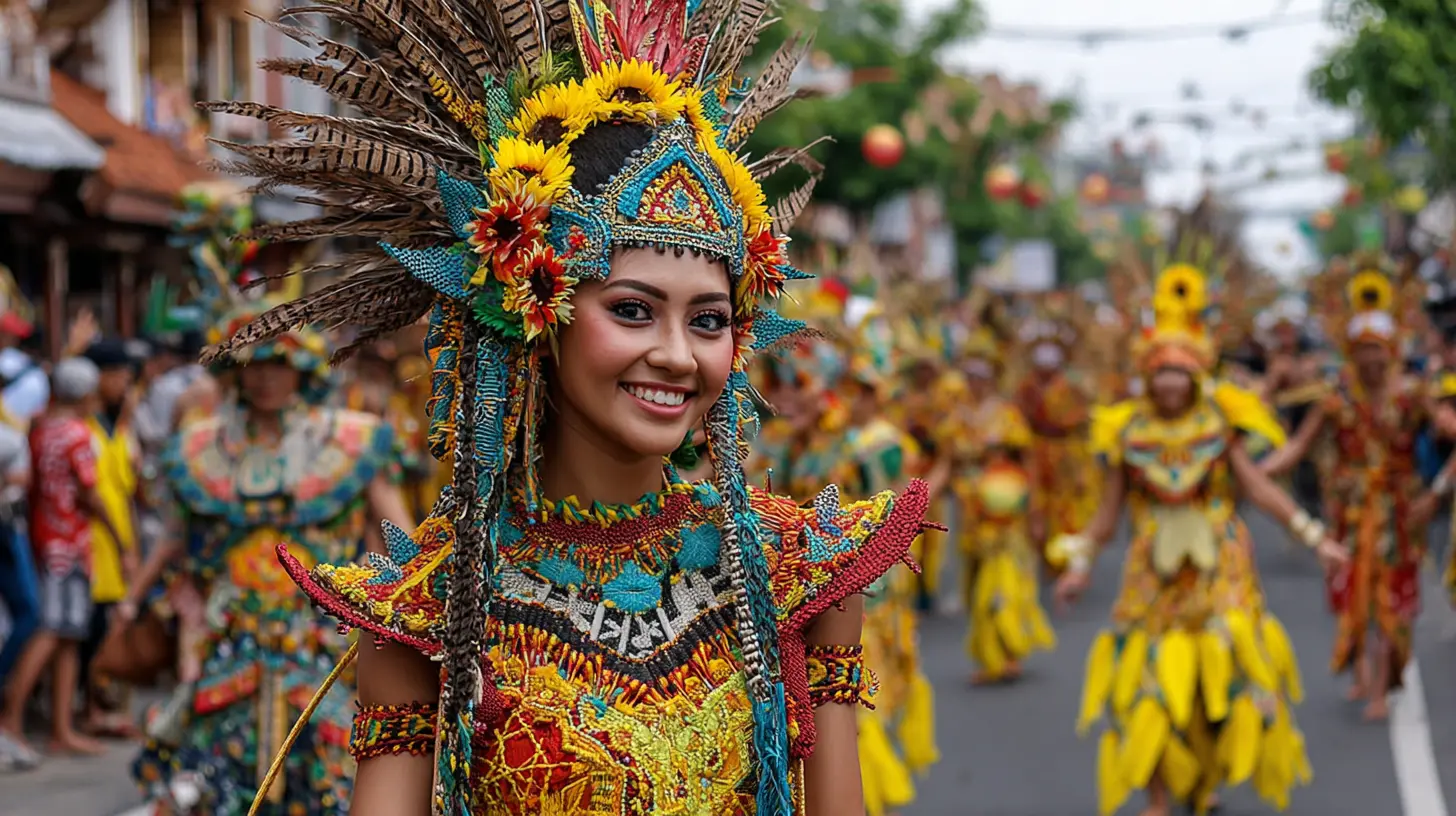
Odalan – Every Temple’s Birthday Party (Yes, All of Them)
Here’s the thing about Bali: every temple has a birthday. And there are thousands of temples. So, every single day in 2026, somewhere on the island, a temple is celebrating its Odalan—a festival that happens every 210 days (again with the 210-day thing). You can’t escape it.What to expect: A random village will block off a road, set up a stage, and blast gamelan music until 3 a.m. You’ll be trying to sleep, but the sound of bamboo drums and chanting will seep into your dreams. You’ll wake up confused, covered in sweat, and craving fried rice. That’s the Odalan experience.
The upside: You can stumble into any temple during an Odalan, and you’ll be welcomed—provided you’re wearing a sarong and a sash. (If you’re not, a vendor will sell you one for $5. It’s a scam. Pay it anyway.) You’ll watch dancers perform Legong or Barong—stories of good vs. evil, with costumes so elaborate they look like they’re from a fantasy movie. You won’t understand the plot, but you’ll clap anyway. That’s fine.
2026 twist: Expect more “Instagram-friendly” Odalan events. Some temples will charge a fee for “photography passes.” Yes, it’s commodification. Yes, it’s annoying. But the money goes to the temple, so just pay it, take your photo, and feel guilty later.
Bali Arts Festival – A Month of Controlled Chaos
The Bali Arts Festival (Pesta Kesenian Bali) runs from June to July in 2026, and it’s a month-long celebration of Balinese culture. Think of it as a cultural open-mic night that lasts 30 days. You’ll see dance, music, painting, sculpture, and food—all competing for your attention like a toddler on caffeine.What to expect: The opening ceremony is a parade through Denpasar that features thousands of participants in traditional costume. It’s loud, colorful, and will take three hours to watch. You’ll be standing in the sun, sweating, and wondering why you didn’t bring water. But then a group of kids on stilts will walk by, and you’ll forget your discomfort.
The real highlight: The food stalls. You’ll eat sate lilit (minced fish on lemongrass sticks), pisang goreng (fried bananas), and es campur (a dessert that looks like a science experiment). You’ll regret nothing. By 2026, expect vegan and gluten-free options—because tourism evolves, and so does Bali. But the heart of the festival remains: community, creativity, and a healthy dose of chaos.
Pro tip: Go to the smaller, village-level performances. They’re less polished but more authentic. You’ll see a farmer dance like a god, and a grandmother sing like an angel. That’s the magic.
Siwa Ratri – The Night of Shiva (and Sleep Deprivation)
Siwa Ratri is a Hindu festival dedicated to Lord Shiva. It involves staying awake all night, chanting, meditating, and—let’s be honest—trying not to fall asleep in a temple. In 2026, it falls in February or March (the exact date depends on the lunar calendar, because Bali loves a guessing game).What you’ll experience: You’ll arrive at a temple around sunset, dressed in white (yes, white—not your favorite black yoga pants). You’ll sit on the floor, legs crossed, for hours. Monks will chant in Sanskrit. You’ll understand nothing, but you’ll feel something. Maybe peace. Maybe hunger. Definitely leg cramps.
The 2026 twist: Expect a “Siwa Ratri Lite” version in tourist areas. Some hotels will offer “meditation packages” with sound baths and matcha tea. It’s a diluted experience, but if you’re a beginner, it’s a decent start. Just know that the real thing involves no sleep, no food after sunset, and a lot of self-reflection. You’ll leave feeling like you’ve been spiritually scrubbed—and also craving a burger.
Melasti – The Beach Cleanup Party
Melasti is a purification ritual where villagers process to the beach to cleanse sacred objects—and themselves—in the ocean. It happens a few days before Nyepi, and it’s one of the most visually stunning festivals you’ll ever see. In 2026, expect huge crowds, colorful umbrellas, and priests splashing holy water on everyone.What to expect: You’ll see a river of white-clad people walking to the shore, carrying statues, offerings, and banners. The beach will be packed. You’ll be jostled, splashed, and possibly stepped on. But then you’ll look out at the ocean, see the sun setting behind the procession, and feel a strange sense of peace. It’s like a religious rave without the techno.
The irony: After the ceremony, the beaches are often trashed with plastic and offerings. In 2026, expect more organized cleanups—local groups will hand out bags and ask you to help. Yes, you’ll be picking up trash while wearing a sarong. It’s humbling. Do it anyway.
The Traffic – The Unofficial Festival
Let’s talk about the elephant in the room (or the scooter in the ditch). Bali’s festivals mean traffic. Lots of it. In 2026, with tourism fully recovered, expect gridlock that makes Los Angeles look like a country road. A 10-kilometer drive to a temple can take two hours. You’ll breathe in exhaust fumes, sweat through your clothes, and question your life choices.How to survive: Rent a scooter. Learn to weave through traffic like a local (hint: be aggressive, but polite). Or hire a driver—they know the backroads and will tell you stories about the festivals. You’ll pay $30 for a day, and it’s worth every penny. Also, carry water, a sarong, and an umbrella. The rain in Bali is as unpredictable as the traffic.
The payoff: When you finally arrive at the festival, the chaos will make sense. The music, the offerings, the smiles—it’s all worth the hassle. You’ll forget the traffic. You’ll remember the old man who offered you a cup of sweet tea.
The Food – Your New Obsession
Bali’s festivals are a food lover’s paradise. You’ll eat dishes you can’t pronounce and will crave for years. Babi guling (suckling pig) is the star—crispy skin, tender meat, and spices that will make your taste buds do a backflip. Lawar (a mix of vegetables, coconut, and minced meat) is an acquired taste. Nasi jinggo (small portions of rice with sides) is perfect for on-the-go eating.2026 trend: Expect more “festival food” vendors with Instagram-worthy presentations. Think banana leaf bowls, edible flowers, and coconut water served in a hollowed-out gourd. It’s photogenic, but the taste is still authentic. Don’t skip the street stalls. They’re where the magic happens.
Warning: Spice levels vary. Ask for “tidak pedas” (not spicy) if you’re a wimp. But where’s the fun in that? Live a little. Your mouth will burn, but your soul will thank you.
The Spiritual Hangover – Yes, It’s a Thing
After attending multiple festivals, you’ll feel… weird. Maybe you’ll have vivid dreams. Maybe you’ll feel emotional for no reason. That’s the spiritual hangover. Balinese festivals are intense—they’re designed to shake you out of your routine and connect you to something bigger. In 2026, with the world still recovering from chaos, this effect will be amplified.What to do: Embrace it. Journal your experiences. Talk to locals. Buy a small offering and leave it at a temple. You don’t have to be Hindu to appreciate the energy. Just be respectful, and you’ll leave Bali with more than just a tan.
Final Thoughts – Why 2026 Is the Year to Go
Bali’s traditional festivals in 2026 will be louder, brighter, and more crowded than ever. But they’ll also be more accessible, more organized, and more welcoming. The island has learned to balance tourism with tradition—sometimes awkwardly, but always with a smile. You’ll get lost, you’ll sweat, you’ll eat too much, and you’ll cry during a sunset ceremony. That’s the deal.So pack your sarong, your patience, and your sense of humor. Bali’s festivals are waiting. And they’re absolutely, gloriously, ridiculously worth it.
all images in this post were generated using AI tools
Category:
Local TraditionsAuthor:

Ian Powell
Discussion
rate this article
1 comments
Sloane Burton
Bali's festivals promise vibrant culture and unforgettable experiences!
April 30, 2026 at 3:29 PM
Ian Powell
Absolutely! Bali's festivals truly offer a unique glimpse into its rich culture and traditions. You'll leave with lasting memories.