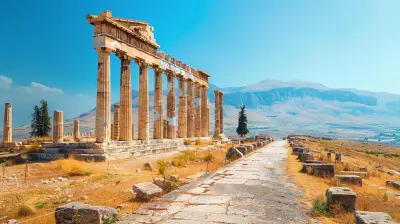
UNESCO World Heritage & the True Story Behind Their Recognition
16 February 2026
Ever wondered why some places get the prestigious title of UNESCO World Heritage Site while others don’t? What’s the secret sauce behind this recognition? Is it ancient magic, a secret handshake, or just really good PR?
Spoiler alert: It’s none of those (well, maybe a little PR). But the real story behind these globally cherished sites is way more fascinating than you think. Buckle up, because we're about to dig into the history, the criteria, and a few eyebrow-raising facts about UNESCO’s World Heritage List. 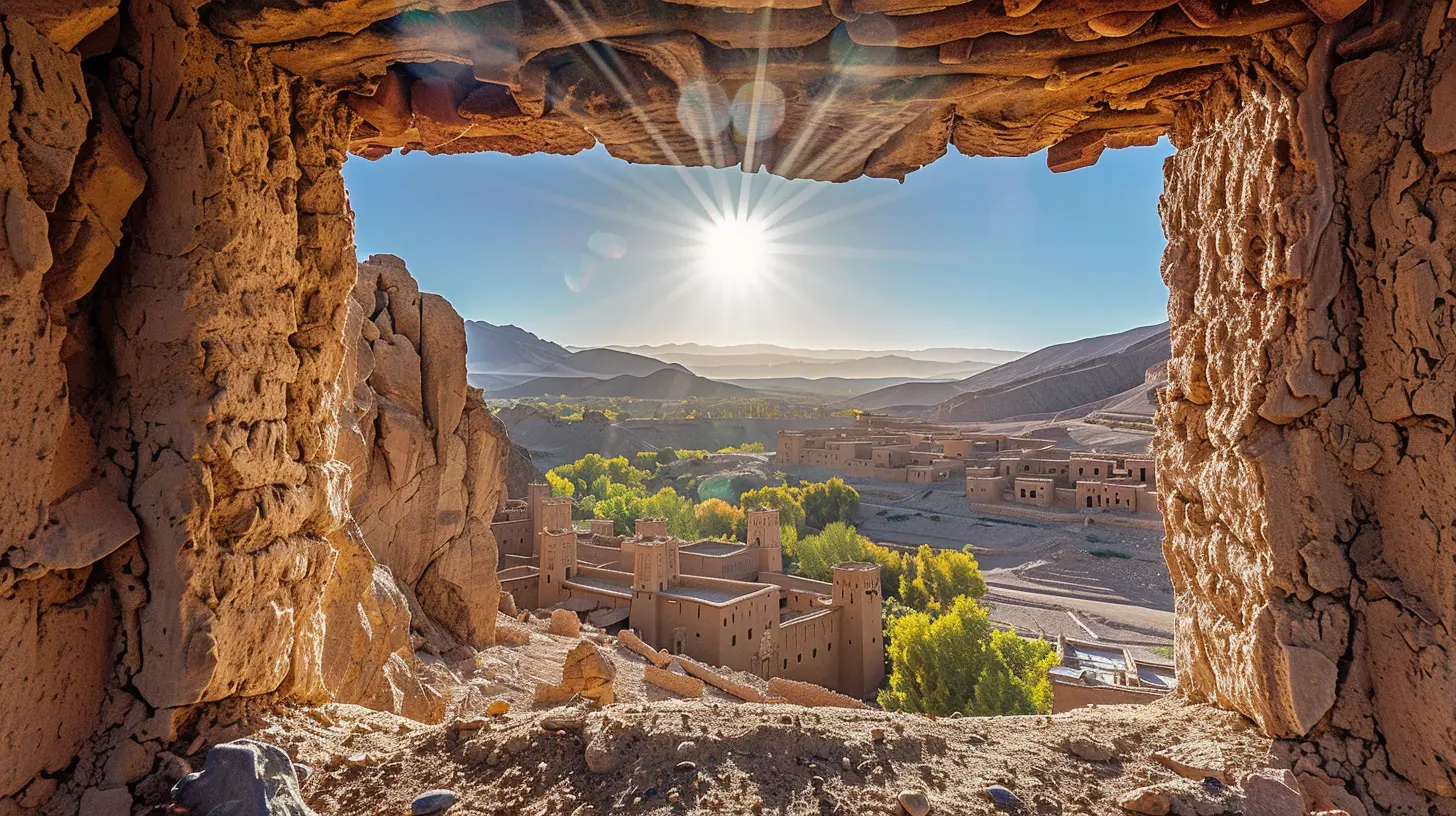
What Is UNESCO? And Why Do They Get to Decide?
Let’s start with the basics. UNESCO stands for the United Nations Educational, Scientific, and Cultural Organization. Quite a mouthful, right? Essentially, it’s an organization that focuses on preserving humanity’s most important cultural and natural landmarks.The World Heritage program was launched in 1972 with the adoption of the World Heritage Convention. The goal? To protect places that have “outstanding universal value.” In simpler terms, these sites aren’t just cool—they’re exceptionally cool, and they matter to the whole world.
But who actually picks them? That’s where the World Heritage Committee steps in. It’s a group of 21 countries that rotate every few years, and they have the power to approve or reject nominations. Think of it as the ultimate travel influencer group, except instead of Instagram likes, they hand out global prestige. 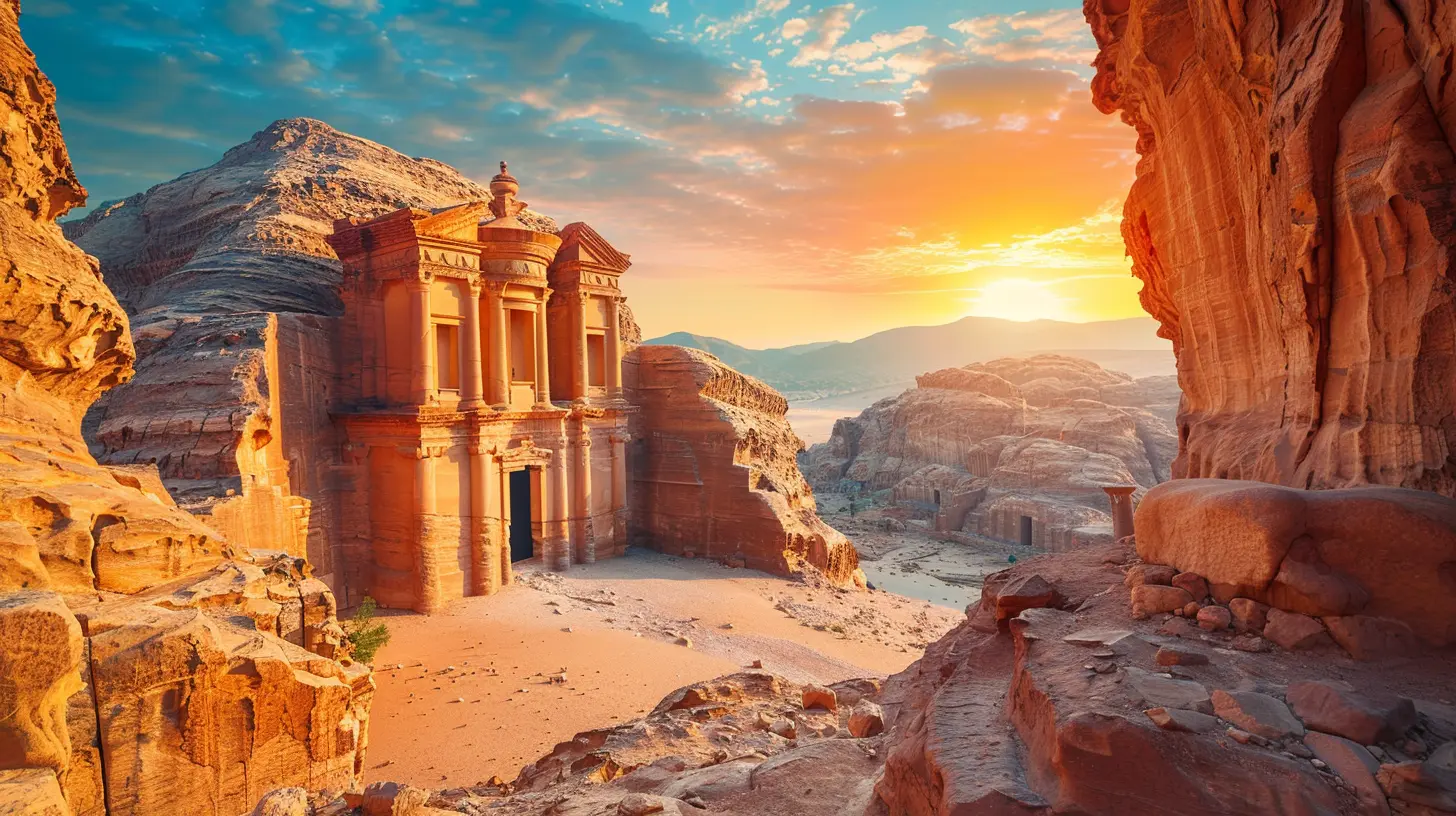
The Secret Checklist: How Does a Site Get Recognized?
Wouldn’t it be amazing if you could just raise your hand and say, “Hey UNESCO, my backyard is really special—let’s make it a World Heritage Site”? Well, not so fast. There’s a strict set of requirements, and only the best make the cut.A site must meet at least one of these 10 criteria to be considered:
Cultural Criteria
1. Masterpiece of Human Creativity – Think the Taj Mahal, Angkor Wat, or Machu Picchu. These places showcase incredible craftsmanship.2. Interchange of Human Values – Sites that played a huge role in cultural exchanges, such as the Silk Road.
3. Testimony to a Cultural Tradition or Civilization – Remnants of ancient societies, like the Pyramids of Egypt.
4. Significant Stage in Human History – Sites that represent key moments in human evolution, like the birthplace of agriculture.
5. Traditional Human Settlement – Areas that show how humans have adapted over time, like Venice and its canals.
6. Association with Events, Traditions, or Beliefs – This includes places deeply tied to legends, literature, or religion (hello, Stonehenge!).
Natural Criteria
7. Outstanding Natural Beauty – Breathtaking landscapes, like the Grand Canyon or Victoria Falls.8. Major Stages of Earth's History – Fossil sites or places that offer a glimpse into prehistoric life (like the Galápagos Islands).
9. Significant Ecological & Biological Processes – These spots are crucial for understanding how ecosystems work.
10. Biodiversity and Endangered Species – Think of the Amazon Rainforest or the Great Barrier Reef.
A site ticking even one of these boxes is already pretty impressive. But hold on — that’s just the beginning. 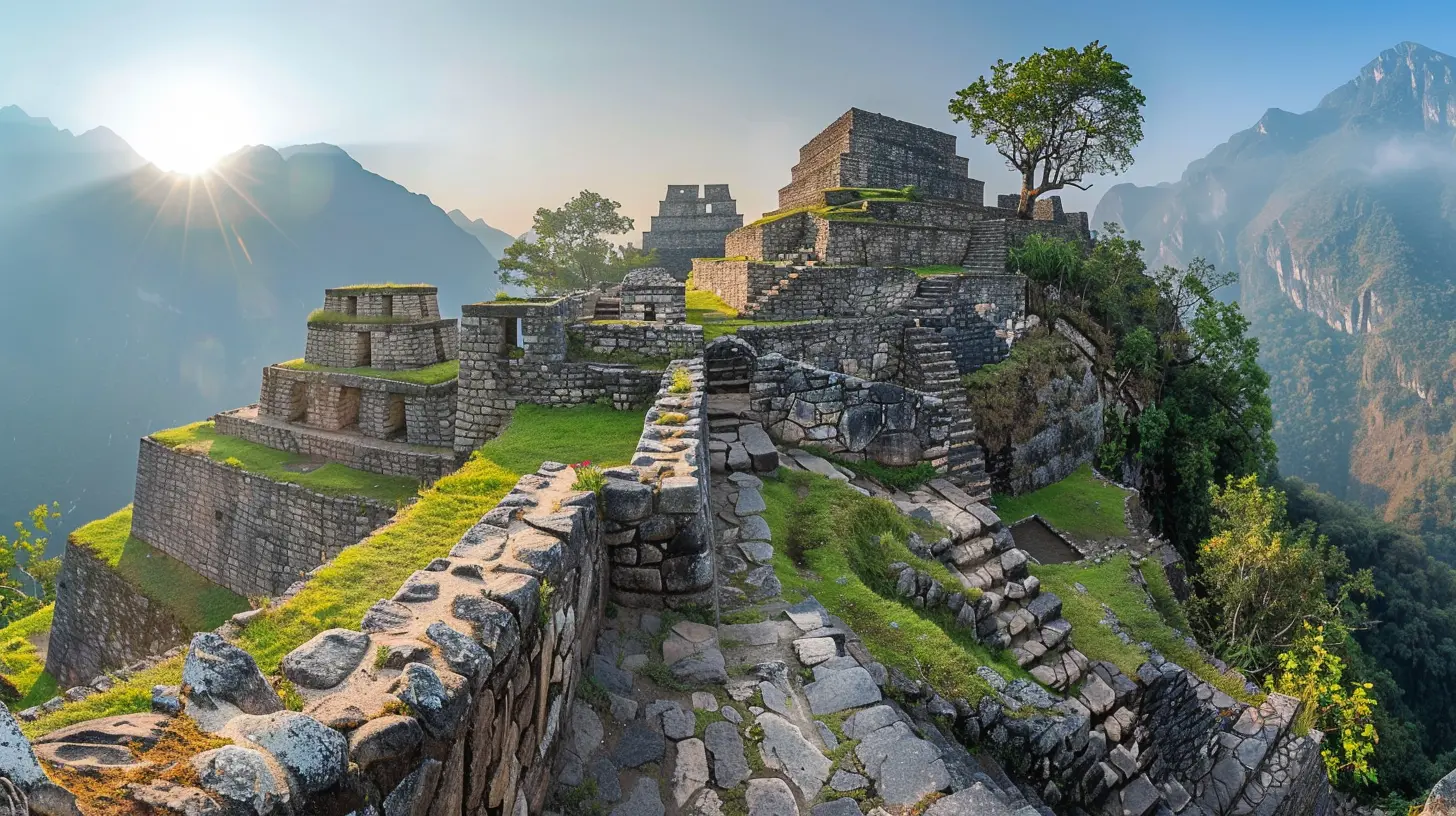
The Politics Behind the Prestige
Alright, let’s talk about the elephant in the room. While UNESCO wants to keep things fair, the selection process isn’t always free from politics. Countries lobby hard to get sites recognized because, let’s be honest, it’s a tourism goldmine.Being on the World Heritage List boosts a site's visibility and attracts millions of visitors. It’s like winning an Oscar but for landmarks. Governments know this, and sometimes they push really hard to get a spot on the list—even if a site is borderline qualified.
There have even been cases of controversial nominations. Some sites face rejection due to political disputes, lack of proper preservation efforts, or even too much tourism. Yep, it’s a double-edged sword! 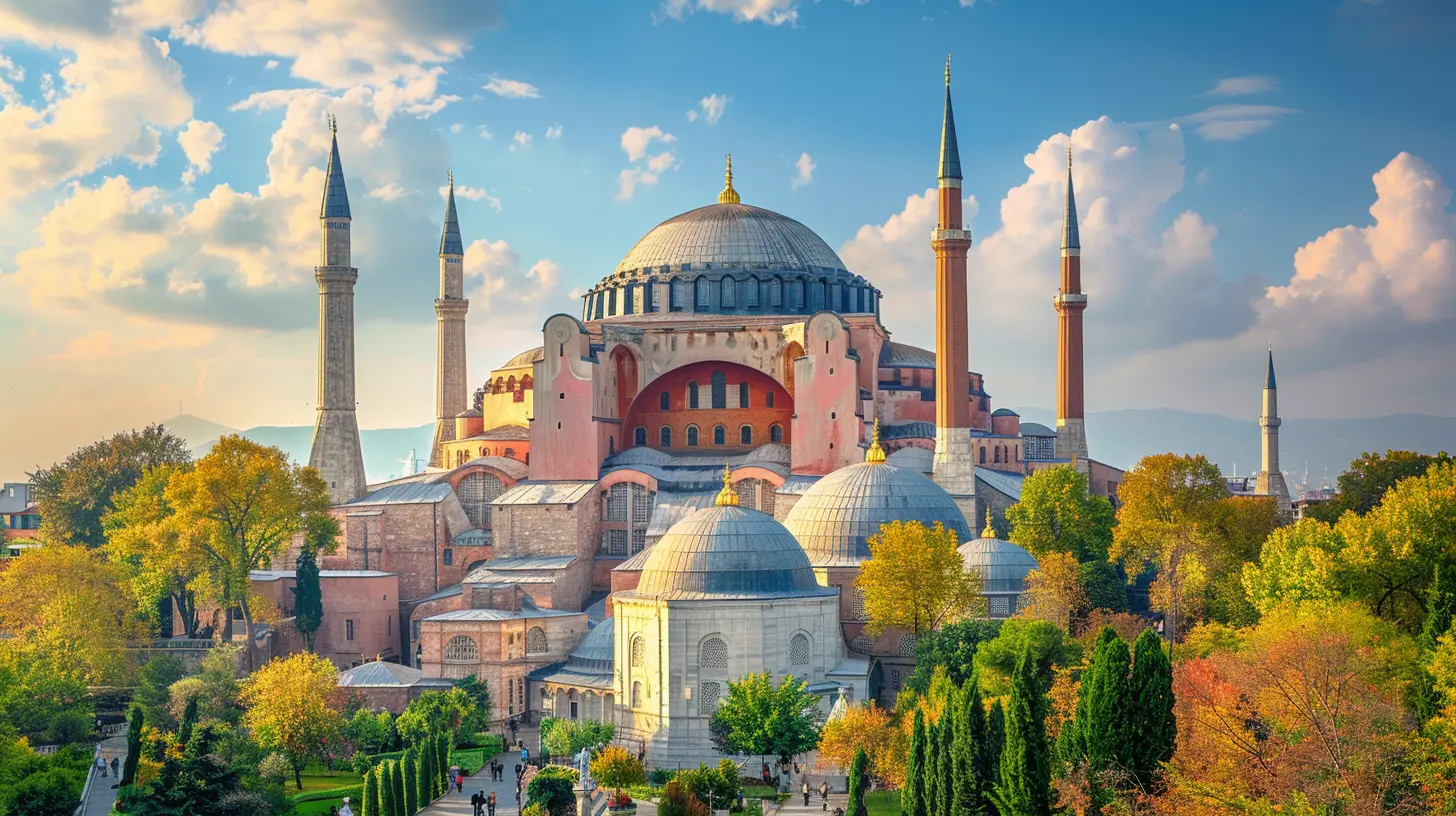
What Happens After a Site Gets Listed?
Woohoo! A place makes it to the list. But what now? Does UNESCO come in with a giant “Protected by UNESCO” sticker and call it a day?Not exactly. Once a site is listed, it gets international recognition and financial aid for conservation. More importantly, the responsible country must ensure that the site is preserved according to strict regulations.
But here’s the kicker: If a site is mismanaged or loses its value (due to construction, neglect, or environmental harm), it can be removed from the list. Ouch! Being listed is an honor, but staying listed requires serious dedication.
Sites That Were Kicked Off
Believe it or not, some places have actually lost their World Heritage status. Here are a few examples:- Dresden Elbe Valley, Germany – Removed in 2009 after a four-lane bridge was built right through it.
- Liverpool Maritime Mercantile City, UK – Taken off in 2021 due to excessive modern development.
- Arabian Oryx Sanctuary, Oman – Delisted in 2007 because of poaching and habitat destruction.
Losing UNESCO status is a big deal because it can hurt tourism and international funding. It’s a bit like being stripped of a championship title—nobody wants that bad PR!
The Weird and Wonderful: Unexpected UNESCO Sites
While places like the Great Wall of China and the Colosseum seem like obvious choices, some sites on the list might raise an eyebrow (or two).- The Rideau Canal (Canada) – A canal made the list? Yup! It's recognized for its historical role and engineering.
- Fagus Factory (Germany) – An early-1900s factory got UNESCO status for its architectural influence.
- Lavaux Vineyard Terraces (Switzerland) – These wine-producing terraces aren’t just scenic—they’re heritage-worthy.
It just goes to show that UNESCO doesn’t always look for the flashiest places. Sometimes, it’s about historical impact rather than jaw-dropping beauty.
Is Every Country Represented?
While UNESCO aims for global representation, there’s a noticeable imbalance.- Europe dominates – Countries like Italy, China, and Spain have over 40+ sites each.
- Africa & Small Islands are underrepresented – Despite their rich history and nature, many African nations have fewer than 5 sites.
- War-Torn Regions Struggle – Countries dealing with conflict often can’t maintain or nominate sites properly.
UNESCO has acknowledged this issue and has been encouraging nominations from underrepresented regions. But let’s be real—there’s still a long way to go.
What’s Next? Future UNESCO Sites?
Each year, the World Heritage Committee considers new nominations for the list. Some upcoming candidates include:- Ivory Coast’s Comoe National Park – A biodiversity hotspot in Africa.
- The Viking Monuments in Scandinavia – Because Vikings deserve some love, too.
- Cold War-Era Sites – Places tied to 20th-century history might soon make the cut.
It’s exciting to see what gets listed next, but with increasing concerns over overtourism and climate change, the future of some existing sites is also at risk.
Final Thoughts
So, the next time you visit a UNESCO World Heritage Site, remember—it didn’t just magically get on the list. There’s a long journey of criteria, politics, and preservation efforts behind that recognition.Whether it's ancient ruins, dazzling landscapes, or even a simple canal, each site tells a story. And thanks to UNESCO, these stories are preserved for future generations.
Now, the real question is—what’s the next World Heritage Site you plan to visit?
all images in this post were generated using AI tools
Category:
Unesco SitesAuthor:

Ian Powell
Discussion
rate this article
2 comments
Ava Morris
This article brilliantly uncovers the nuanced narratives behind UNESCO World Heritage Sites. It highlights how cultural, historical, and environmental factors intertwine in their selection, showcasing the importance of preserving our global heritage. Understanding these stories deepens our appreciation for these remarkable sites and their significance. Great read!
March 7, 2026 at 3:27 AM
Ian Powell
Thank you for your thoughtful comment! I'm glad you found the article insightful and that it resonated with you. Preserving our global heritage is indeed vital.
Trixie McKellar
UNESCO World Heritage sites embody our shared human narrative, reminding us that preservation is not just about history, but about safeguarding our collective future.
February 20, 2026 at 3:25 PM
Ian Powell
Thank you for your insightful comment! Indeed, UNESCO World Heritage sites play a vital role in preserving our collective identity and ensuring that future generations can connect with our shared history.