Trekking for Tigers: Exploring India's Most Popular Reserves
5 June 2026
There’s something wildly exciting about the idea of trekking through thick forests, heart thumping, eyes peeled — all for a fleeting glimpse of the majestic tiger. India, being home to over 70% of the world's tigers, gives thrill-seekers and nature lovers the ultimate chance to combine adventure with wildlife spotting. Buckle up your trekking boots, pack your camera, and let’s dive into the ultimate jungle experience: Trekking for Tigers in India’s most famous tiger reserves.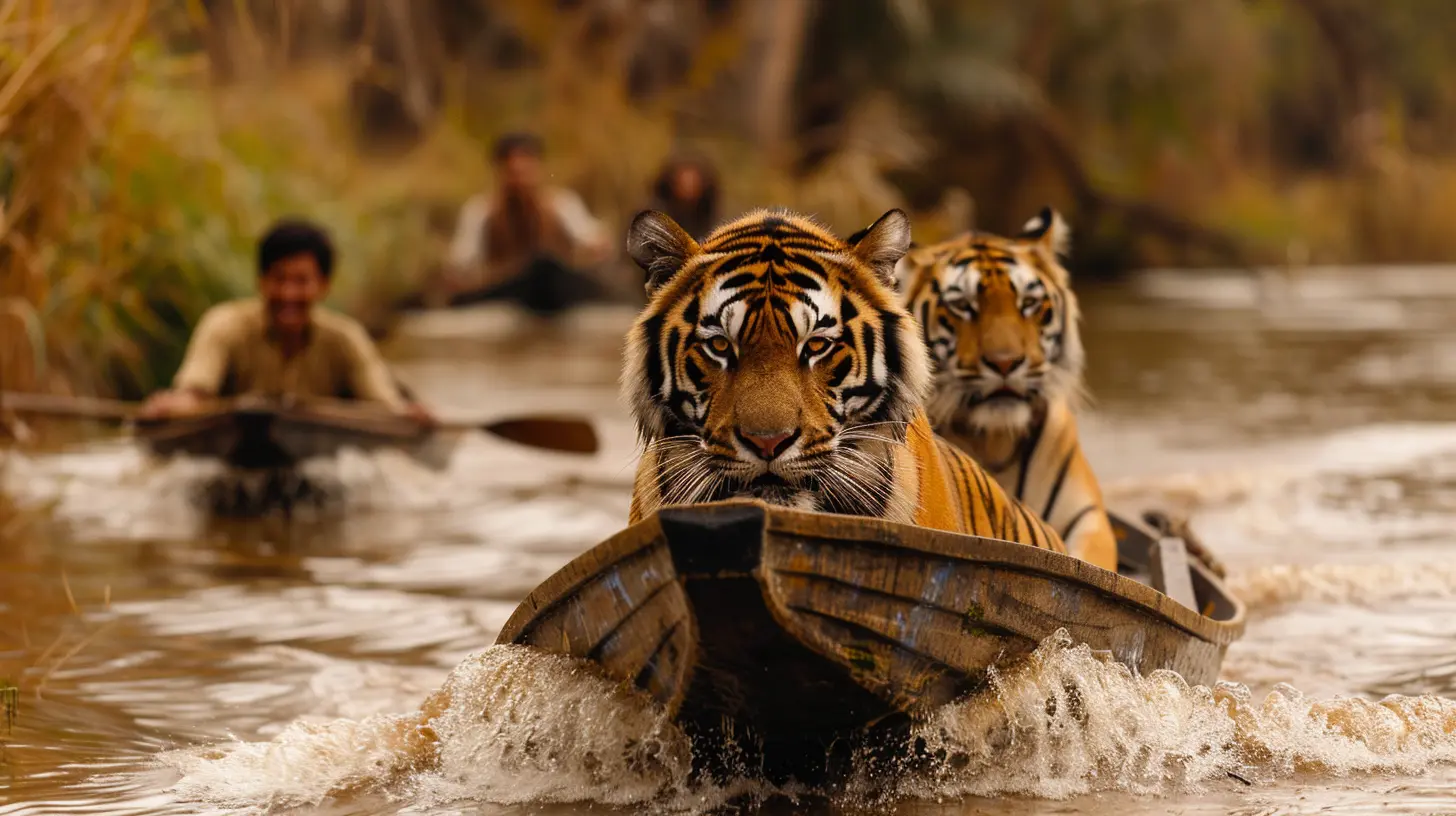
Why Trekking for Tigers is the Ultimate Wild Adventure
Picture this: you're walking under a canopy of towering sal trees, with the crisp forest air filling your lungs and the soundtrack of rustling leaves and distant bird calls echoing in your ears. Suddenly, your guide halts — fresh paw prints in the moist earth. You hold your breath, heart racing. This is not just a walk in the woods. It's a real-life treasure hunt, and the prize? The elusive and regal Bengal tiger.Trekking through tiger reserves isn't just for hardcore wildlife buffs. It's for anyone who wants to feel more alive, more connected with nature, and more aware of the beauty (and fragility) of our wild spaces.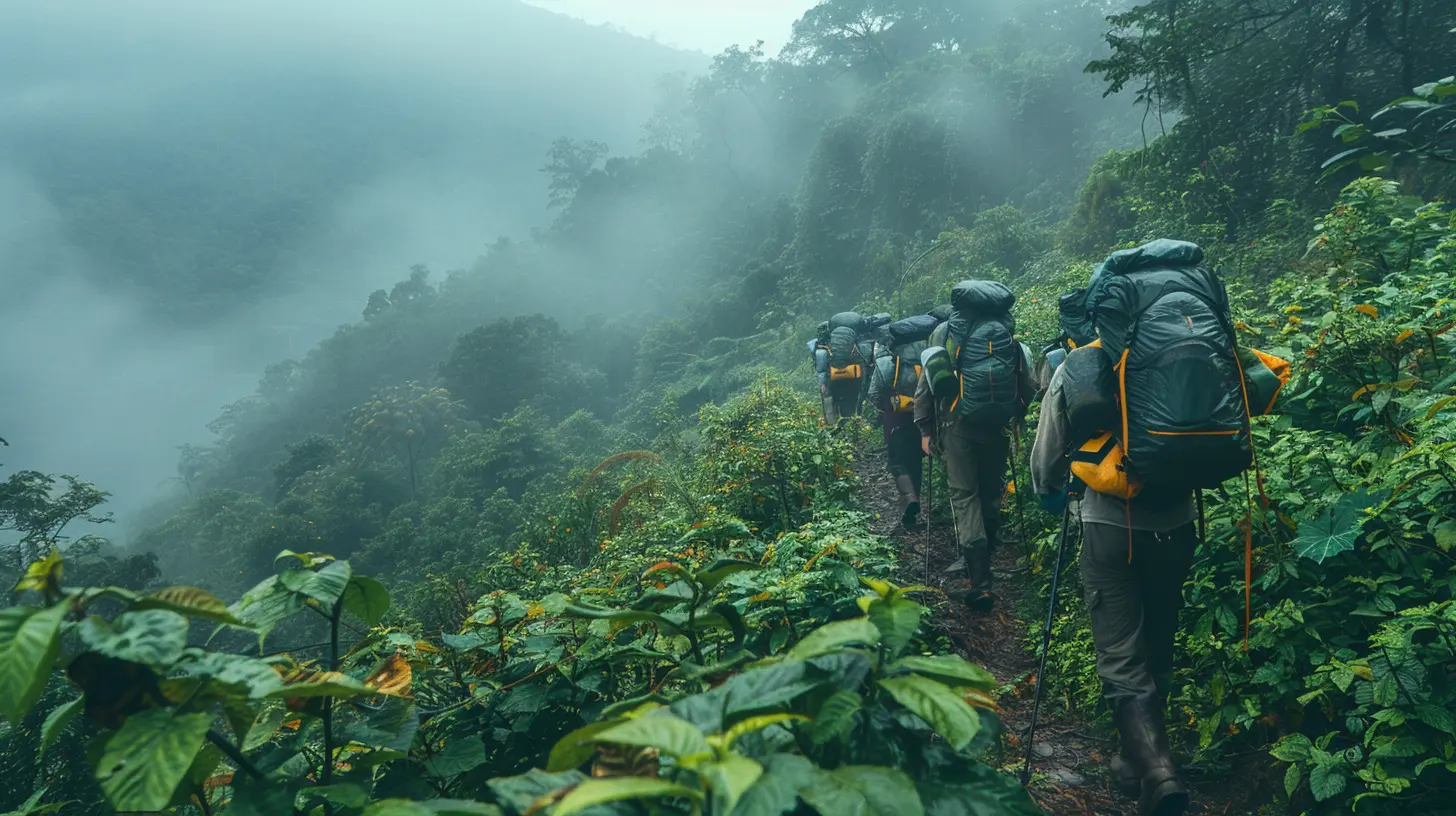
Top Tiger Reserves in India You Shouldn't Miss
India offers a buffet of tiger reserves, each with its own charm, landscape, and tiger tracking potential. Let’s break down the best places where you can lace up your boots and go tiger spotting:1. Jim Corbett National Park – Uttarakhand
The Pioneer of Wildlife Conservation
Jim Corbett is where it all began. Established in 1936, it's India’s oldest national park and the first to come under Project Tiger in 1973. Nestled in the foothills of the Himalayas, its mixed landscape — from grasslands to river belts to dense forests — makes trekking here a delight.Although most people opt for jeep safaris, certain buffer zones like Sitabani allow walking safaris. Here, you might not only stumble upon pugmarks but also catch a shy leopard hiding in the bushes or elephants bathing in the Ramganga River!
2. Ranthambore National Park – Rajasthan
Where History Meets the Wild
Ever wanted to spot a tiger with a backdrop of ancient ruins? Ranthambore, with its dreamy Ranthambore Fort and crumbling jungle temples, is straight out of a fantasy novel.Trekking isn't officially permitted inside the core zones (due to obvious safety concerns), but guided nature walks are available in the buffer zones. These treks offer a peek into the lives of other forest dwellers like wild boars, sloth bears, and crocodiles, with the occasional stripes appearing like royalty on the horizon.
3. Bandhavgarh National Park – Madhya Pradesh
The Home of the Highest Tiger Density
This is the place where your chances of seeing a tiger are highest — yep, Bandhavgarh has the highest tiger density in India. The terrain is rugged and hilly, topped by the mythical Bandhavgarh Fort. Legends say Lord Rama gave this fort to his brother Lakshmana!Although much of the park is accessible only by vehicle, you can go for heritage walks near the fort area and the buffer zones. Catching views from the fort gives you an eagle-eye perspective of the tiger kingdom below.
4. Kanha National Park – Madhya Pradesh
The Jungle Book Comes Alive
If you're a fan of Kipling’s The Jungle Book, this place will feel oddly familiar. Kanha’s landscapes — meadows, sal forests, and winding streams — inspired the book. Trekking isn’t allowed in core areas, but there are nature trails open in the buffer zones led by trained naturalists.You may not always spot a tiger, but you’ll witness barasinghas (swamp deer), vibrant butterflies, chirping birds, and ancient tribal tales embedded in the roots of this land.
5. Sundarbans National Park – West Bengal
Trekking Where Land Meets Water
Welcome to the world's largest mangrove forest and the most enigmatic tiger reserve — home to the swamp-loving Royal Bengal Tiger.Trekking here isn’t your typical forest stroll. It's more like navigating through mudflats and swamps on foot, occasionally hopping onto a boat. The buffer villages nearby offer community-led nature walks where you can listen to thrilling tiger tales as you navigate the puzzle-like waterways.
What to Expect on a Tiger Trek
Okay, so imagine this: hours of walking through spice-scented woods where even the silence feels loud, guided by forest experts who can read the forest like a book. Trekking in tiger reserves is not about guaranteed sightings. It's about becoming a part of the jungle’s rhythm.You’ll spot tell-tale signs like scratch marks on tree trunks, deer alarm calls, and maybe, if luck is on your side, a glimpse of those mesmerizing orange-and-black stripes weaving through the trees. Even if you don’t spot the big cat, the whole journey will leave you feeling enriched, educated, and utterly in awe.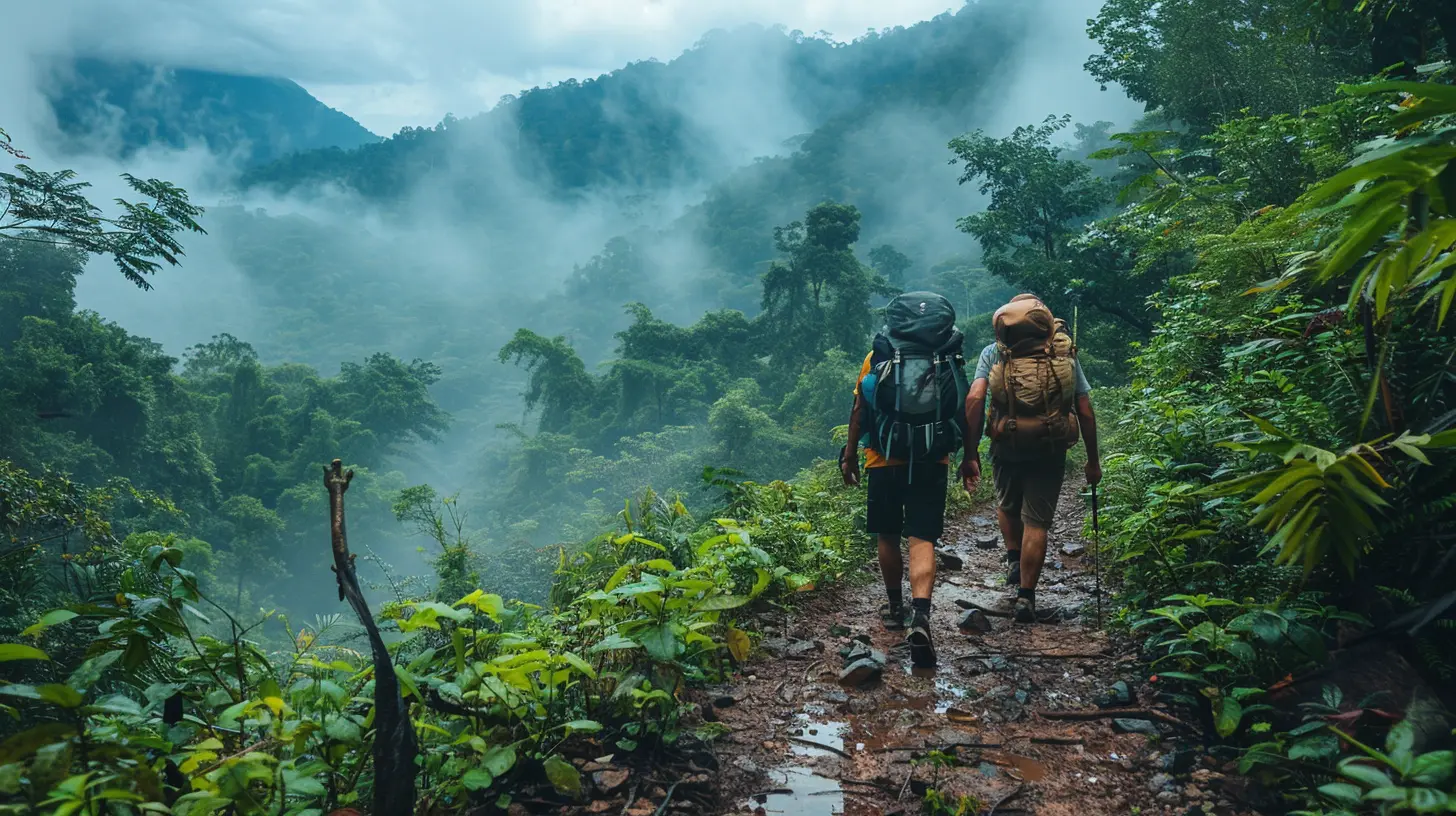
Tips to Make the Most of Your Trek
Here are a few tips that can make or break your “Trek for Tigers”:- Go with a Naturalist: These guides have jungle smarts and will make your trek way more meaningful.
- Dress Earthy: Avoid bright colors — go for greens, browns, and khakis to blend in.
- Stay Silent: Sound carries in the forest. Keep the chatter low and footsteps soft.
- Carry Essentials: Water, sunscreen, insect repellent, and binoculars are must-haves.
- Stay Patient: Wildlife treks aren’t theme parks. Tigers don’t show up on schedule.
Responsible Trekking: You VS the Forest
Here's the thing — forests are fragile. Every step we take has an impact. So, while trekking for tigers is exciting, it’s also a huge responsibility. Stick to trails. Don’t litter. Avoid playing music on your devices. Respect the fact that we're stepping into someone else's home.Also, opt for eco-friendly lodges, support local communities, and encourage sustainable tourism practices. The tiger doesn’t need another selfie — it needs space, peace, and protection.
The Human-Tiger Connection
Maybe it’s the raw power, the beauty, or just the mystery — there’s something about tigers that captivates us. Trekking for tigers isn’t just about crossing an item off your travel bucket list. It’s about awakening your inner explorer, embracing unpredictability, and reconnecting with the wild side of life.You might come back with a tiger sighting or maybe not. But one thing is guaranteed — you’ll return with stories, goosebumps, and a profound respect for Mother Nature.
Bonus: Best Time to Go Tiger Trekking in India
Want to increase your chances of spotting a tiger? Then timing is everything.- March to June (Summer): Dry weather pushes animals to water sources. This is prime tiger-spotting season, but be prepared for heat.
- October to February (Winter): Pleasant weather, lush greenery, and great birdwatching, though tiger sightings might be a tad rare compared to summer.
- Avoid Monsoon (July to September): Most parks shut down during heavy rain, and the jungles become slippery and dense.
Frequently Asked Questions
Can you really see tigers on foot?
Yes, especially in buffer zones. Core zones are usually off-limits for treks due to safety, but naturalists know the right spots for possible sightings.Is it safe to trek in tiger territory?
Absolutely, as long as you're with a trained guide. Tigers generally avoid humans, and following basic safety protocols ensures a risk-free adventure.What kind of fitness level do I need?
Moderate fitness is ideal. Most treks are not super strenuous but do involve walking on uneven terrain for a few hours.What's better — a safari or a trek?
Depends on your vibe! Safaris offer greater coverage and better odds for sightings. Treks offer intimacy and a deeper connection with the forest.Final Roar: Why You Should Go Trekking for Tigers
If you’re craving an adventure that combines raw nature, a bit of adrenaline, and the thrill of the unknown — tiger trekking in India is for you. It’s not just travel; it’s transformation. It invites you to slow down, breathe deep, and feel alive.Tigers are more than just animals. They're icons of wilderness and symbols of balance in the ecosystem. Trekking through their territories lets you be part of their world — even if just for a moment.
So – are you ready to step into the jungle, listen to the forest’s whispers, and maybe, just maybe, lock eyes with India’s most enigmatic predator?
all images in this post were generated using AI tools
Category:
Wildlife EncountersAuthor:

Ian Powell
Discussion
rate this article
1 comments
Finnegan Clayton
Embark on a thrilling adventure in India's tiger reserves. Discover breathtaking landscapes, hear nature's symphony, and witness the majesty of these magnificent creatures...
June 15, 2026 at 3:28 PM