The Intersection of Culture and Nature in UNESCO Sites
23 January 2026
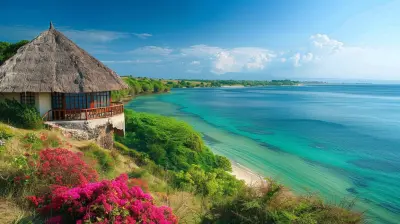
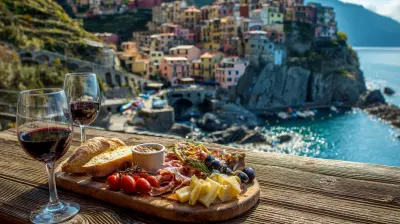
When we think of visiting a UNESCO World Heritage Site, most of us imagine standing in awe before towering monuments or jaw-dropping natural landscapes. But what if I told you some sites are more than just beautiful or historic—they’re a seamless blend of both culture and nature? These places aren’t just about “what happened here” or “how amazing this view is.” They tell stories where people and the planet have grown together, shaped one another, and coexisted for centuries.
In this post, we’re diving into the fascinating world of UNESCO sites that showcase the best of both worlds. So pack your virtual bags—we’re about to take a trip where culture meets nature in the most extraordinary ways.
What Exactly Are UNESCO World Heritage Sites?
Let’s break it down. UNESCO stands for the United Nations Educational, Scientific and Cultural Organization. Their goal? To identify and protect places around the world that have outstanding universal value. These can be cultural (like ancient cities), natural (like mountain ranges or coral reefs), or—here’s the sweet spot—mixed sites that are both.UNESCO’s list currently has over 1,100 sites, and about 39 are officially classified as “Mixed Heritage Sites.” But even beyond these, many cultural or natural sites have elements of both. It's not always black and white.
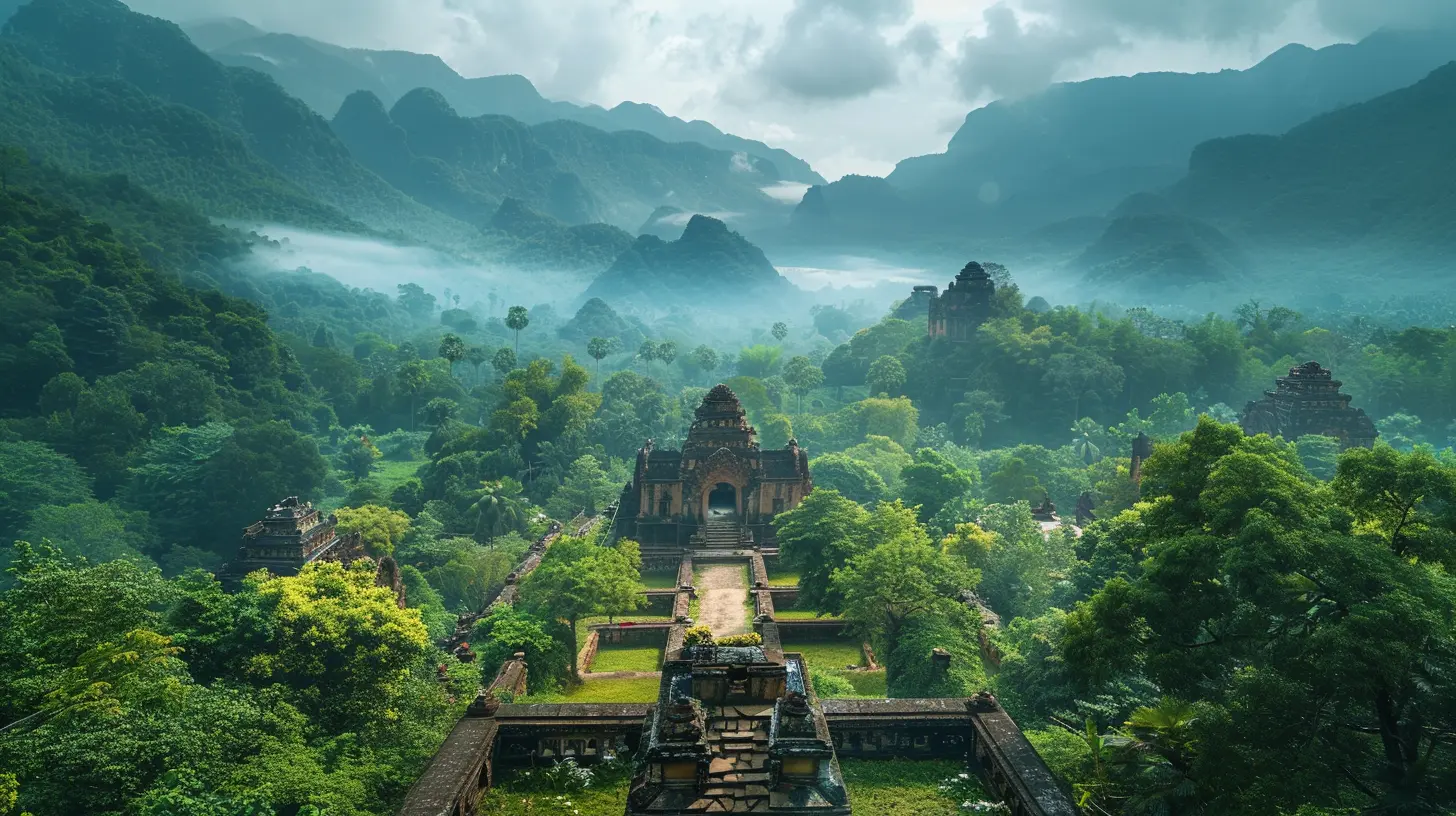
Why the Blend of Nature and Culture Matters
You might wonder, why the fuss about combining nature and culture? Well, here’s the thing: culture often develops in response to nature. Think about it—where people settle, how they build their homes, the way they farm, even their spiritual beliefs—all of these are influenced by the land they live on. And in return, human activity shapes that landscape over time.It’s like a long, slow dance between people and their environment. And in UNESCO mixed sites, this dance is beautifully preserved.
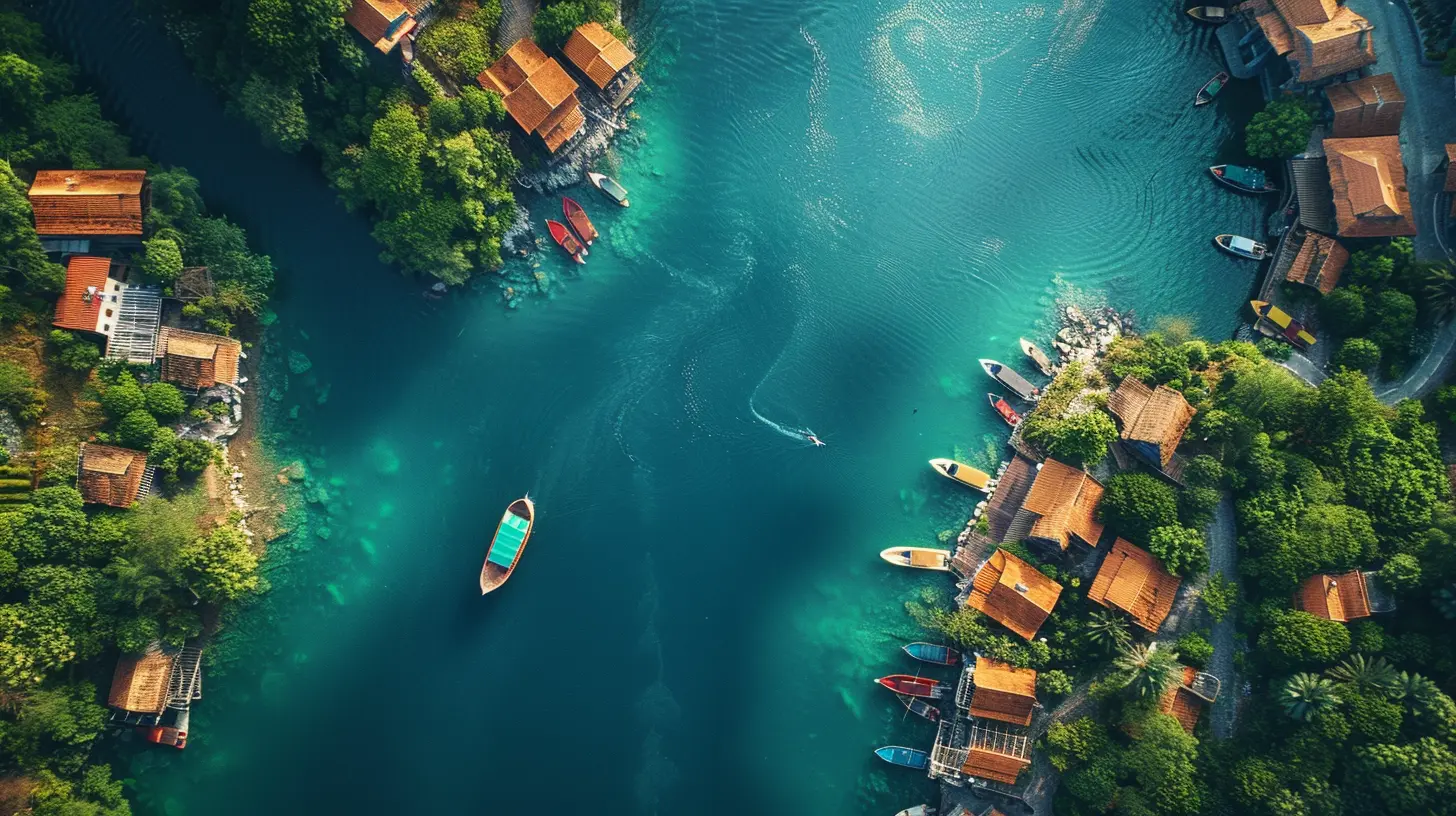
Famous Mixed UNESCO Sites That Show the Perfect Blend
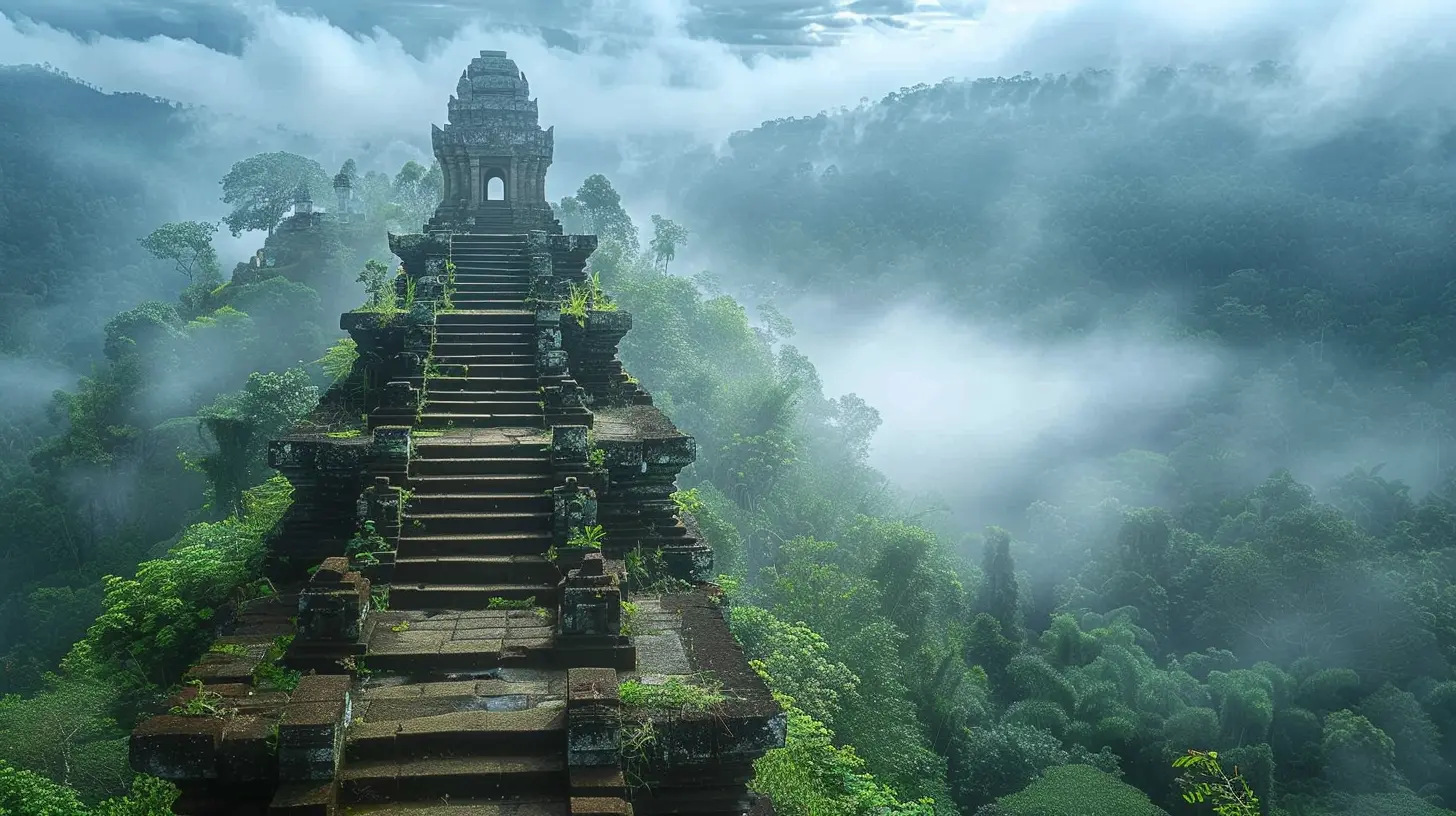
Let's put some names and images to this idea. Here are a few breathtaking examples where nature and culture intertwine seamlessly.1. Machu Picchu, Peru 🇵🇪
You’ve probably seen photos of this iconic site—ancient stone ruins perched high in the Andes, surrounded by mist-covered peaks. Machu Picchu isn’t just an archaeological treasure; it's a prime example of human engineering working in harmony with nature.The Incas built terraces not just to farm, but to prevent landslides. Their temples align with the sun and stars. And even today, the spiritual energy of the mountains is palpable. It’s not just about what the Incas left behind—it’s how they lived with the land.
2. Mount Athos, Greece 🇬🇷
A little more off the radar, Mount Athos is a spiritual haven in northern Greece. It’s home to a community of Eastern Orthodox monks, with monasteries dating back over a thousand years. But what makes it really special is that it’s also a rich natural reserve, largely untouched by modern development.In this secluded peninsula, faith and forest coexist. The monks live a simple life in deep communion with their surroundings. It's like stepping into another world—one where time slows down and the human footprint is remarkably gentle.
3. Tongariro National Park, New Zealand 🇳🇿
Here’s one for the Lord of the Rings fans! Tongariro isn’t just a rugged, volcanic wonderland. It’s also deeply sacred to the Māori people. The peaks and lakes are not just geographic landmarks—they’re ancestors, storytellers, and guardians.This site became the first in the world to be listed as a mixed UNESCO site back in 1993. That decision marked a shift in thinking: finally, indigenous spiritual beliefs and sacred landscapes were given the global recognition they deserve.
4. Uluru-Kata Tjuta National Park, Australia 🇦🇺
Uluru, the massive red rock in the center of Australia’s outback, isn’t just a geological marvel. It’s the heart of the Aboriginal Anangu people’s culture and spirituality. Their creation stories, called Tjukurpa, are written into the land itself.When you see Uluru glowing at sunset, it’s not just a photo op—it’s a living story. The land speaks, if you’re willing to listen.
5. Sacred City of Kandy, Sri Lanka 🇱🇰
Nestled among misty hills and emerald forests, the city of Kandy is a jewel of Sri Lanka. At its center is the Temple of the Tooth, which houses a relic of the Buddha. But what makes this site even more meaningful is the surrounding landscape—lakes, gardens, and forests that are integral to the city’s religious and cultural identity.Nature and spirituality are inseparable here, like yin and yang.
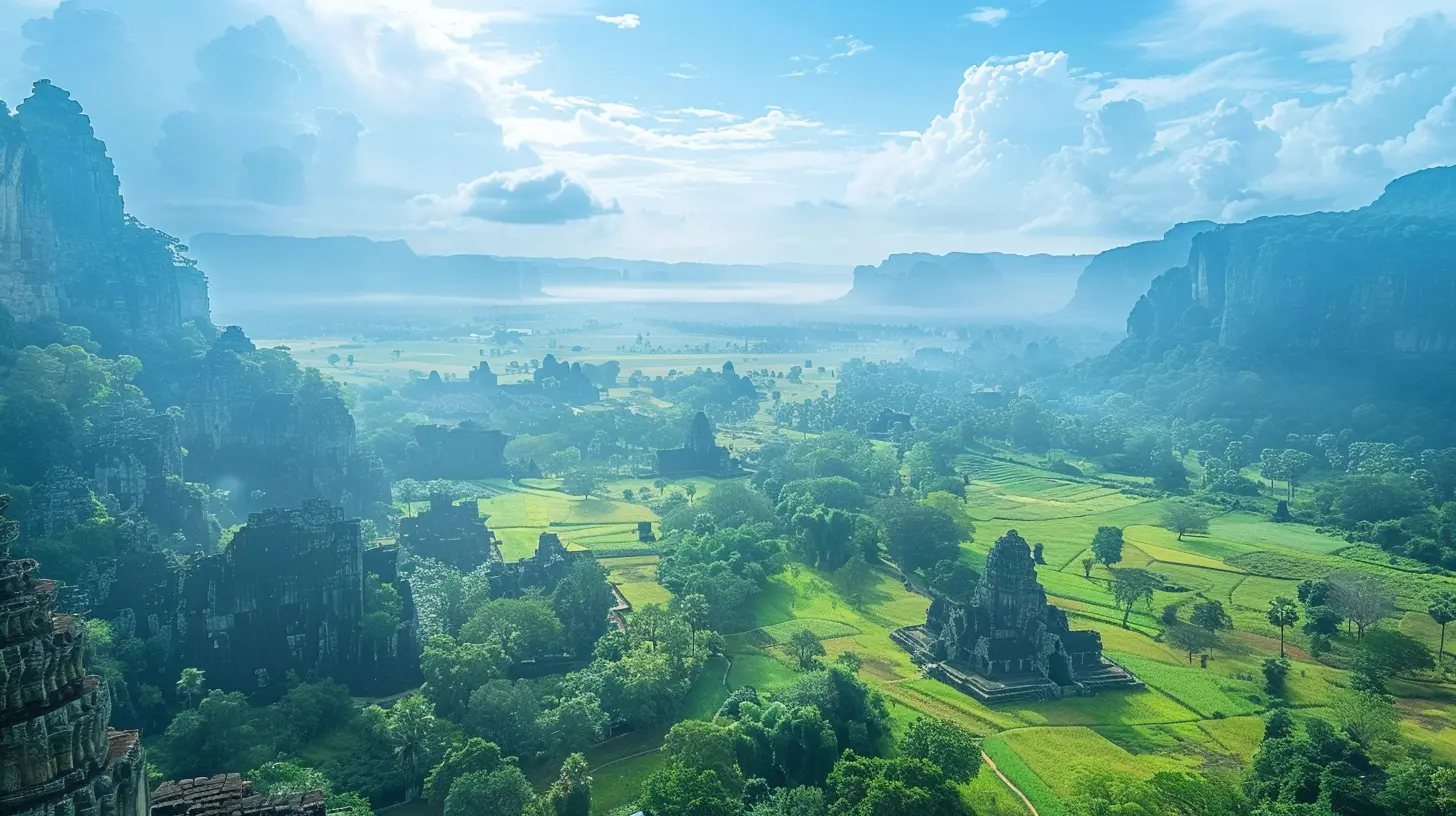
Indigenous Wisdom: The Original Eco-Conscious Lifestyle
Let’s get real for a second. Long before sustainability became a buzzword, indigenous communities all over the world were practicing it every day. In many mixed heritage sites, it’s the traditional knowledge of these communities that has preserved the balance of culture and nature for generations.They know when to plant, when to harvest, how to avoid overhunting, and how to respect the spirits of the land. Their practices are rooted in reciprocity—take only what you need and give something back.
By recognizing these places as World Heritage Sites, UNESCO is also validating this indigenous wisdom. And honestly, that’s long overdue.
Threats to These Precious Sites
Unfortunately, just because something is protected on paper doesn’t mean it’s safe.Climate change, tourism, urban development, and political conflict are real threats to these extraordinary places. Rising temperatures can damage ancient structures. Pollution and overcrowding can destroy ecosystems. And insensitive tourism? Yeah, that can do more harm than good.
Balancing preservation with access is a tricky game. But it’s one we must get right if we want future generations to experience these wonders.
How Tourism Can Help or Hurt
Tourism can be a double-edged sword. On one hand, it brings in money that can be used for conservation and community development. On the other, too much traffic (especially the wrong kind) can degrade what makes a site special in the first place.So what can we do?
Be a Respectful Visitor:
- Do your homework before visiting a site. Know what’s allowed and what’s off-limits.- Follow local customs and rules. If it's sacred, treat it with the respect it deserves.
- Support local guides and businesses. That keeps money in the community.
- Leave no trace—seriously. If you pack it in, pack it out.
Choose Slow Travel Over Checklist Travel:
Instead of hopping from one site to the next, take your time. Dive deep. Learn the stories. Listen to the land. Remember, it's not just about getting a selfie—it’s about making a meaningful connection.The Future of UNESCO Sites at the Culture-Nature Crossroads
We’re at a pivotal moment in history. As cities grow and landscapes change, the importance of these hybrid heritage sites is greater than ever. They remind us that we’re not separate from nature—we’re part of it. And our cultural heritage doesn’t stand in opposition to the wild—it emerges from it.Technology, policies, and local community engagement are all tools that can help preserve these sites. But the most powerful tool? Awareness. That starts with you and me.
Final Thoughts: Why This Intersection Matters More Than Ever
In a world that often tries to separate things into neat little boxes—nature over here, culture over there—it’s refreshing and important to recognize places where the two are inseparable. These UNESCO sites are proof that human creativity and natural wonder don’t just coexist—they thrive together.By understanding and respecting this intersection, we aren’t just preserving the past—we’re shaping a more balanced and thoughtful future.
So next time you’re planning a trip, think beyond the postcard shot. Look for those places where the mountains tell stories, where ancient cities embrace the forest, and where people live in tune with the land. That’s where the magic happens.
all images in this post were generated using AI tools
Category:
Unesco SitesAuthor:

Ian Powell
Discussion
rate this article
2 comments
Drew Pacheco
Amazing insights! Exploring UNESCO sites beautifully blends culture and nature—truly a feast for the senses!
February 26, 2026 at 4:34 AM
Ian Powell
Thank you! I’m glad you enjoyed the article and appreciate the unique connection between culture and nature at UNESCO sites!
Rory McNulty
UNESCO sites serve as poignant reminders of our shared heritage, where the embrace of culture and nature transcends borders. They challenge us to reflect on our responsibilities, urging a harmonious coexistence that honors both our history and the planet's fragile beauty.
January 23, 2026 at 5:07 AM
Ian Powell
Thank you for your insightful comment! UNESCO sites truly exemplify the delicate balance between cultural heritage and natural beauty, reminding us of our collective responsibility to protect both.