Travel Smart: Preparing for Emergencies on the Road
19 February 2026
When you're hitting the road, the last thing you want to think about is an emergency. But accidents, lost luggage, or sudden illnesses can happen anytime, anywhere. The key? Being prepared.
Whether you're on a solo backpacking trip, a family vacation, or a weekend getaway, a little planning can go a long way in keeping you safe. In this guide, we'll cover practical steps to prepare for emergencies while traveling, so you can enjoy your trip with peace of mind. 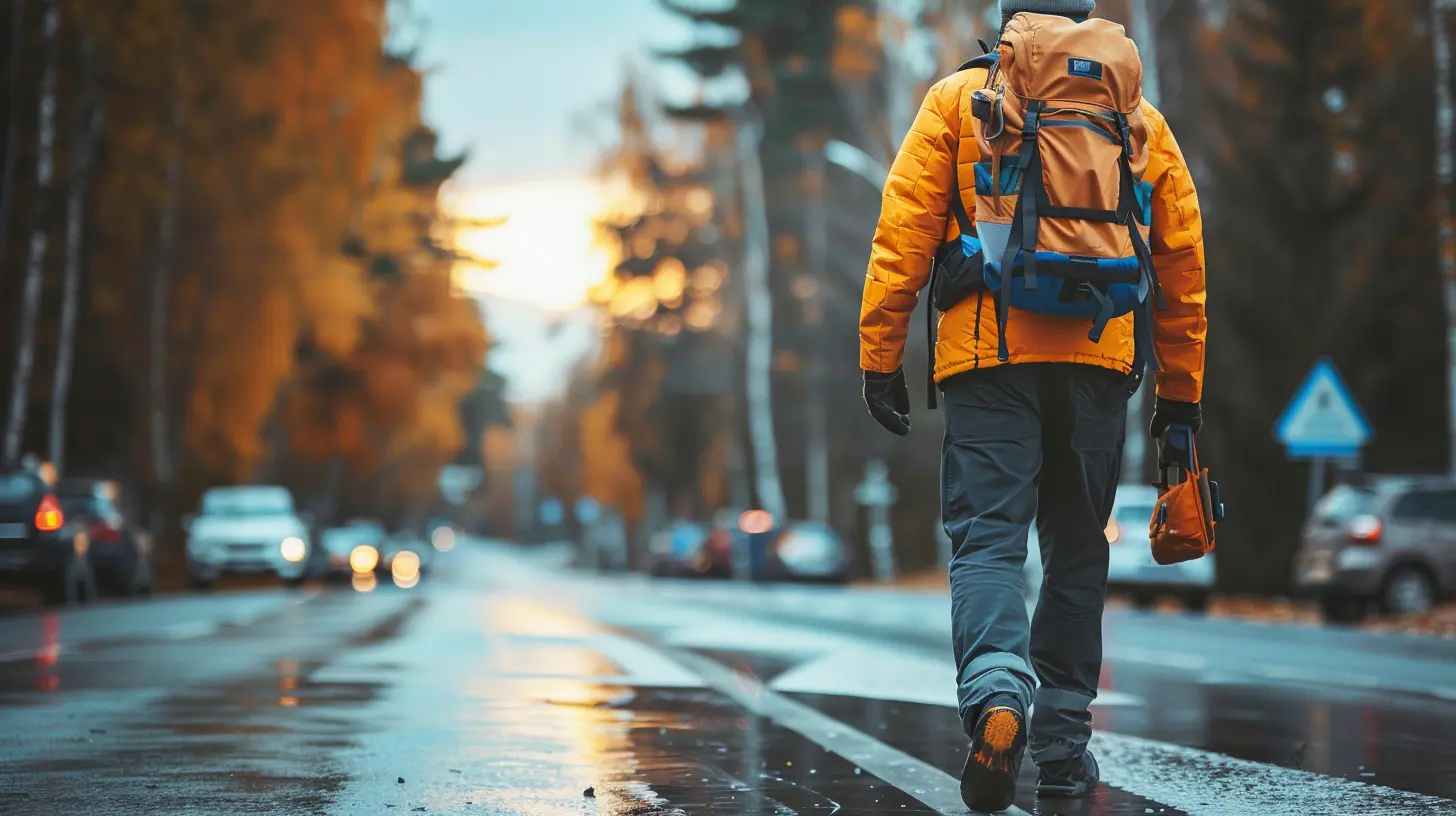
1. Pack a Well-Stocked Travel Emergency Kit
You never know what might happen on the road, so carrying a small but well-equipped emergency kit can make all the difference.What to Include in Your Kit?
- Basic First Aid Items – Band-aids, antiseptic wipes, pain relievers, adhesive tape, and gauze.- Prescription Medications – Carry enough for your trip, plus a few extra days' worth in case of delays.
- Over-the-Counter Medications – Think anti-diarrhea tablets, allergy meds, motion sickness pills, and cold remedies.
- Hand Sanitizer & Face Masks – Because hygiene is key, especially in crowded places.
- Multi-tool or Swiss Army Knife – You never know when you’ll need a bottle opener, scissors, or a tiny screwdriver.
- Flashlight & Extra Batteries – A power outage at your destination or a late-night hike could make this essential.
- Emergency Contact Information – Include numbers of family, friends, and local emergency services.
Keeping these essentials in a small pouch saves space and ensures you're ready for minor hiccups along the way. 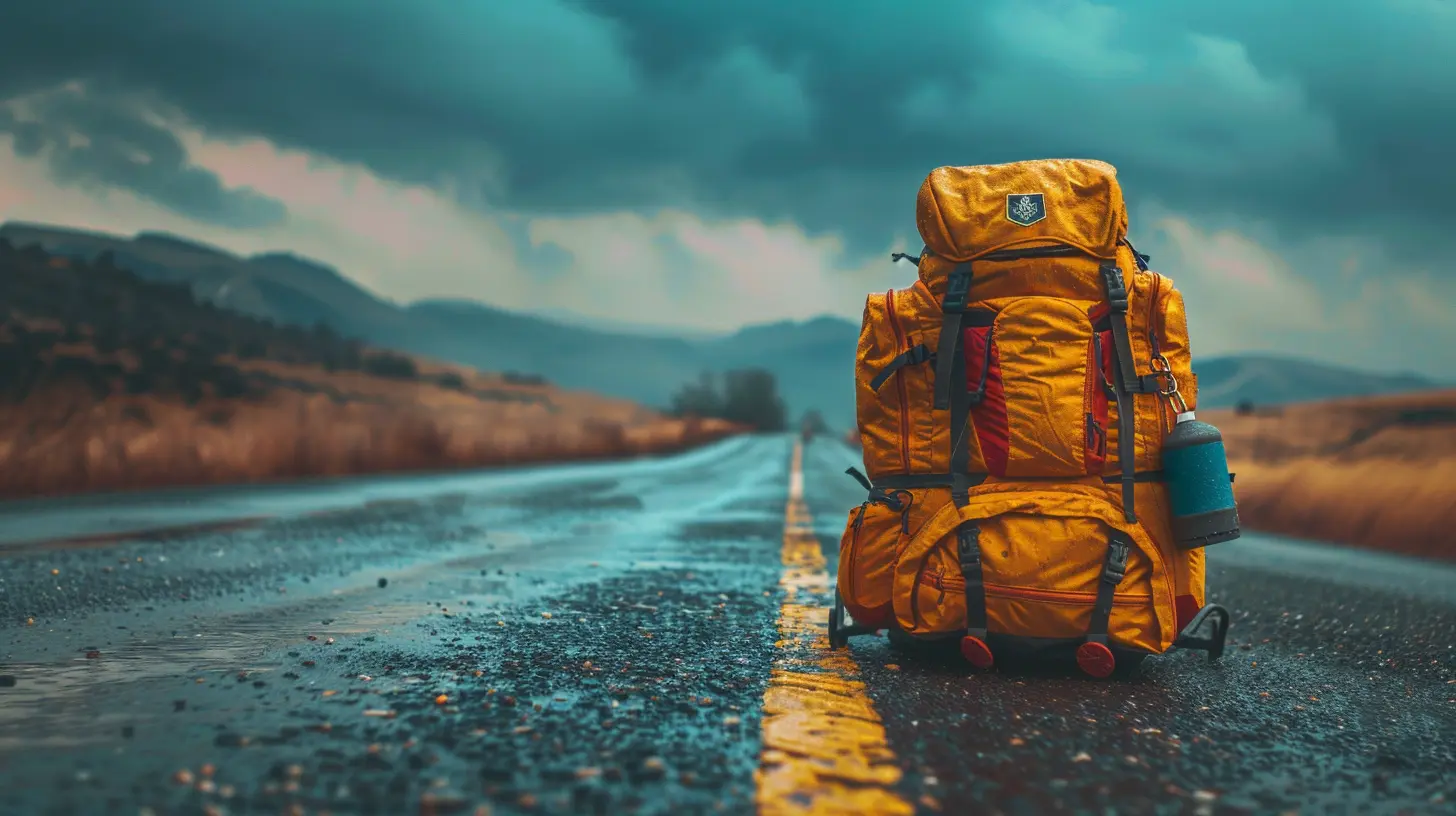
2. Know Emergency Numbers & Local Medical Facilities
One of the most overlooked travel preparations? Knowing how to get help when you need it. Emergency numbers aren't the same everywhere, so do a quick search before your trip.How to Prepare:
- List Down Local Emergency Contacts – In some countries, 911 won't work. For instance, in Europe, you dial 112, and in the UK, it’s 999.- Locate Nearby Hospitals & Clinics – Figure out the nearest medical facilities, especially if you have pre-existing health conditions.
- Save Embassy Contact Info – If you lose your passport or need urgent assistance, your country’s embassy can be a lifesaver.
A few minutes of research can save you hours of panic if something goes wrong. 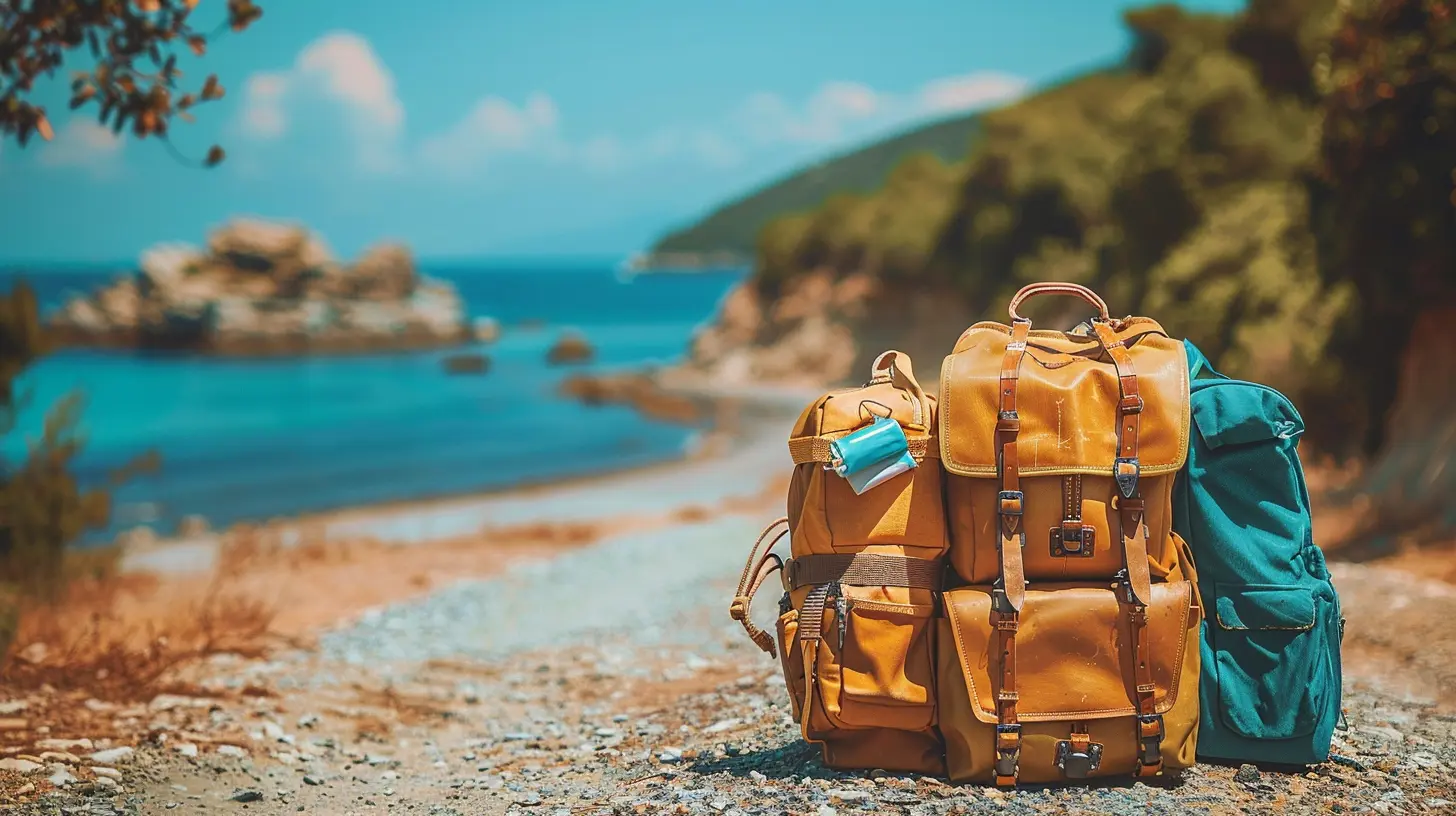
3. Get Travel Insurance – Don’t Skip It!
If you're wondering, "Do I really need travel insurance?" the answer is 100% yes. Unexpected medical expenses, lost luggage, or trip cancellations can turn into a nightmare if you're not covered.What Should Your Travel Insurance Cover?
- Medical Emergencies & Evacuations – Hospital bills abroad can be ridiculously expensive.- Trip Cancellations & Interruptions – If your plans change due to bad weather, illness, or other unforeseen events.
- Lost, Stolen, or Damaged Belongings – Because lost luggage can ruin any trip.
- Rental Car Coverage – If you’re driving, having coverage for accidents and damages can save you thousands.
Compare policies before purchasing. Not all insurance plans are created equal, so check for exclusions and fine print. 
4. Keep Important Documents Secure
Losing your passport, ID, or credit cards in a foreign country can be stressful. Staying organized can prevent major headaches.Best Practices To Protect Your Documents
- Make Copies – Keep digital and physical copies of your passport, visa, and other important documents.- Use a Money Belt or Hidden Pouch – Great for keeping your essentials safe and out of sight.
- Upload Files to Cloud Storage – Services like Google Drive or Dropbox can store important documents securely.
- Distribute Cash & Cards – Avoid putting all your money and cards in one place. If your wallet gets stolen, you won’t be stranded.
A little caution goes a long way in preventing a full-blown travel disaster.
5. Have an Emergency Plan with Travel Companions
Traveling with friends or family? Make sure everyone is on the same page about what to do in an emergency.What to Discuss Before Your Trip?
- Meeting Points – If you get separated, have a designated meeting place.- How to Contact Each Other – Not all SIM cards work internationally, so consider apps like WhatsApp or Telegram.
- Escape Routes in Accommodations – Fire drills may sound boring, but knowing emergency exits can save lives.
An ounce of preparation can prevent a ton of chaos if things go south.
6. Be Aware of Local Scams & Safety Risks
Travel emergencies aren’t always about natural disasters or health issues. Scams, pickpockets, and unexpected trouble can happen anywhere.How to Avoid Common Travel Scams?
- Research the Most Common Scams in Your Destination – Taxi scams, fake tour guides, and pickpockets are common in touristy areas.- Beware of Distractions in Crowded Places – A stranger asking for help while their accomplice steals your bag? Classic scam.
- Use ATMs in Secure Locations – Avoid street ATMs where card skimmers can be installed.
- Trust Your Instincts – If something feels off, it probably is. Walk away.
A little street smarts can keep you (and your wallet) out of trouble.
7. Stay Connected & Share Your Itinerary
In the age of technology, staying connected is easier than ever. But when you’re in a new place, it’s crucial to ensure someone knows where you are.Ways to Stay in Touch:
- Share Your Travel Plans with Family or a Friend – A quick email or text with your itinerary can be a lifesaver.- Check-In at Regular Intervals – Even a “Hey, I’m okay” message keeps loved ones in the loop.
- Use GPS or Location-Sharing Apps – Google Maps and Find My Friends can be helpful in case of an emergency.
Technology is your friend—use it wisely.
8. Learn Basic Emergency Phrases in the Local Language
In an emergency, not everyone will speak your language. Knowing a few essential phrases can be a game changer.Essential Phrases to Learn:
- “Help!”- “I need a doctor.”
- “Where is the nearest hospital?”
- “Call the police.”
- “I’ve lost my passport.”
Apps like Google Translate can also be a great backup plan in case language barriers become an issue.
Final Thoughts
Traveling should be fun, exciting, and memorable for all the right reasons. While emergencies aren’t something we like to think about, being prepared can mean the difference between a minor inconvenience and a major disaster.A bit of planning, the right mindset, and a few precautions can keep you safe on the road. So pack smart, stay alert, and enjoy your adventure with confidence!
all images in this post were generated using AI tools
Category:
Travel SafetyAuthor:

Ian Powell
Discussion
rate this article
2 comments
Fletcher Frank
Great tips! I always pack a first-aid kit and snacks—because nothing says ‘prepared’ like a Band-Aid and a granola bar when you’re lost in the wilderness!
April 2, 2026 at 2:40 PM
Ian Powell
Absolutely! A first-aid kit and snacks are essential for any adventure. Being prepared makes all the difference!
Damien Johnson
Great tips! Staying prepared can make all the difference for a safe and enjoyable adventure. Happy travels!
February 23, 2026 at 4:46 AM
Ian Powell
Thank you! I'm glad you found the tips helpful. Safe travels!