Exploring the Unique Flora and Fauna of Madagascar
24 December 2025
Have you ever dreamed of stepping into a real-life nature documentary? Of walking through a land that feels like it belongs on another planet? Well, let me introduce you to a place that ticks all the boxes—Madagascar! This island is like nature’s hidden treasure chest, bursting with creatures and plants so rare, you won’t find them anywhere else on Earth. Yep, you heard me right—nowhere else.
So pack your sense of adventure, and let’s dive headfirst into the weird (in a wonderful way), wild, and jaw-droppingly unique flora and fauna of Madagascar.
Why Is Madagascar So Special?
Madagascar isn’t just another tropical island—it’s one of the planet’s most exceptional biodiversity hotspots. Picture this: around 90% of its wildlife is found nowhere else in the world. That’s right. Nowhere. Let that sink in for a moment.Separated from the African continent for about 88 million years, Madagascar has become a biological island of innovation. Cut off from the evolutionary pathways of the rest of the world, species here have done their own thing. And the results? Mind-blowing.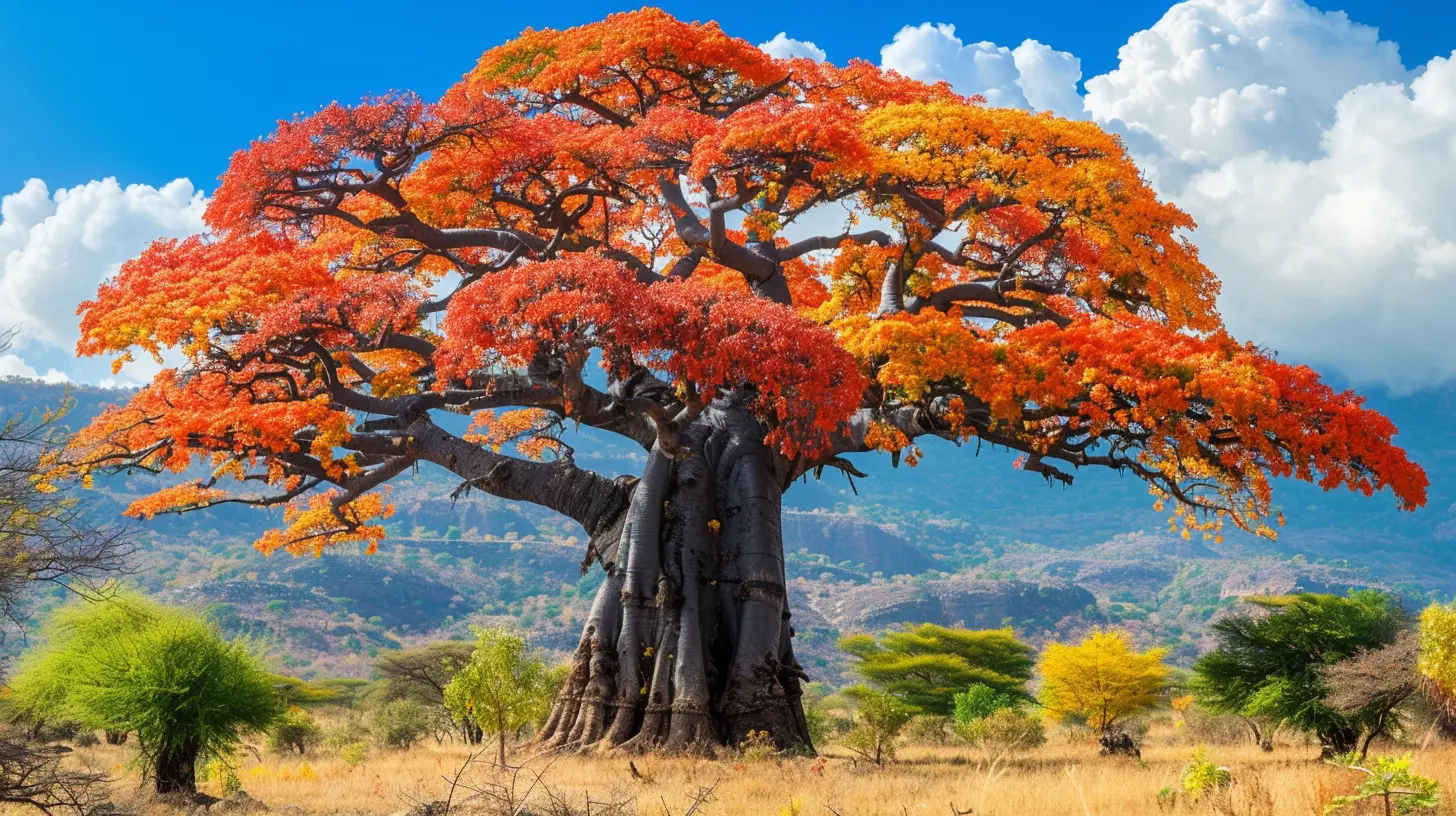
The Fauna: Madagascar’s Bizarre and Beautiful Wildlife
Madagascar’s animal kingdom is not only rich but also incredibly odd. Curious? You should be!🐵 Lemurs: The Island’s Crown Jewels
Let’s start with Madagascar’s poster animal—the lemur. These wide-eyed, tree-jumping cuties are only found in Madagascar, and there are over 100 species of them!From the acrobatic sifakas (yep, they kind of dance when they walk on the ground) to the teeny-tiny mouse lemur—a creature so small it could fit in the palm of your hand—each lemur species is delightfully different. Did you know the indri, another type of lemur, sings like a whale? Seriously, it's like attending a rainforest opera.
Unfortunately, many lemur species are endangered due to habitat loss. So seeing them in the wild isn’t just a treat—it’s a rare and precious experience.
🦎 Reptiles & Amphibians: A Color Explosion
Madagascar is a paradise for herpetologists (that’s just a fancy word for reptile and amphibian fans). The island is crawling with over 300 species of reptiles and more than 250 amphibians, and most of them are endemic.Ever heard of the panther chameleon? These guys are masters of color, blending into every shade imaginable—kind of like nature’s mood ring. Then there’s the bizarre-looking leaf-tailed gecko, which is so well-camouflaged it just disappears into the bark of a tree. Talk about nature’s version of a ninja!
On the amphibian side, the tomato frog stands out—literally! Bright red and kind of squishy-looking, these frogs are as charming as their name suggests.
🦋 Insects and Other Invertebrates
Love bugs? Madagascar has a mind-blowing number of them. Picture moths the size of your hand, spiders that mimic ants, and beetles so shiny they look polished. The Comet moth, with its enormous yellow wings and streaming tail, is straight out of a fantasy world.Even the smallest creatures here break the mold. The world’s smallest species of chameleon, the Brookesia micra, is so tiny it could comfortably nap on the tip of your finger.
🐦 Birdwatcher's Heaven
Birdwatchers, listen up—it doesn’t get better than this. With over 280 bird species, about 100 of which are endemic, Madagascar is a twitcher’s dream come true.Keep your eyes peeled for the Madagascar fish eagle, one of the rarest birds in the world, and the vibrant vangas, a family of birds found only here. They come in all shapes, sizes, and colors—kind of like a feathery version of a box of crayons.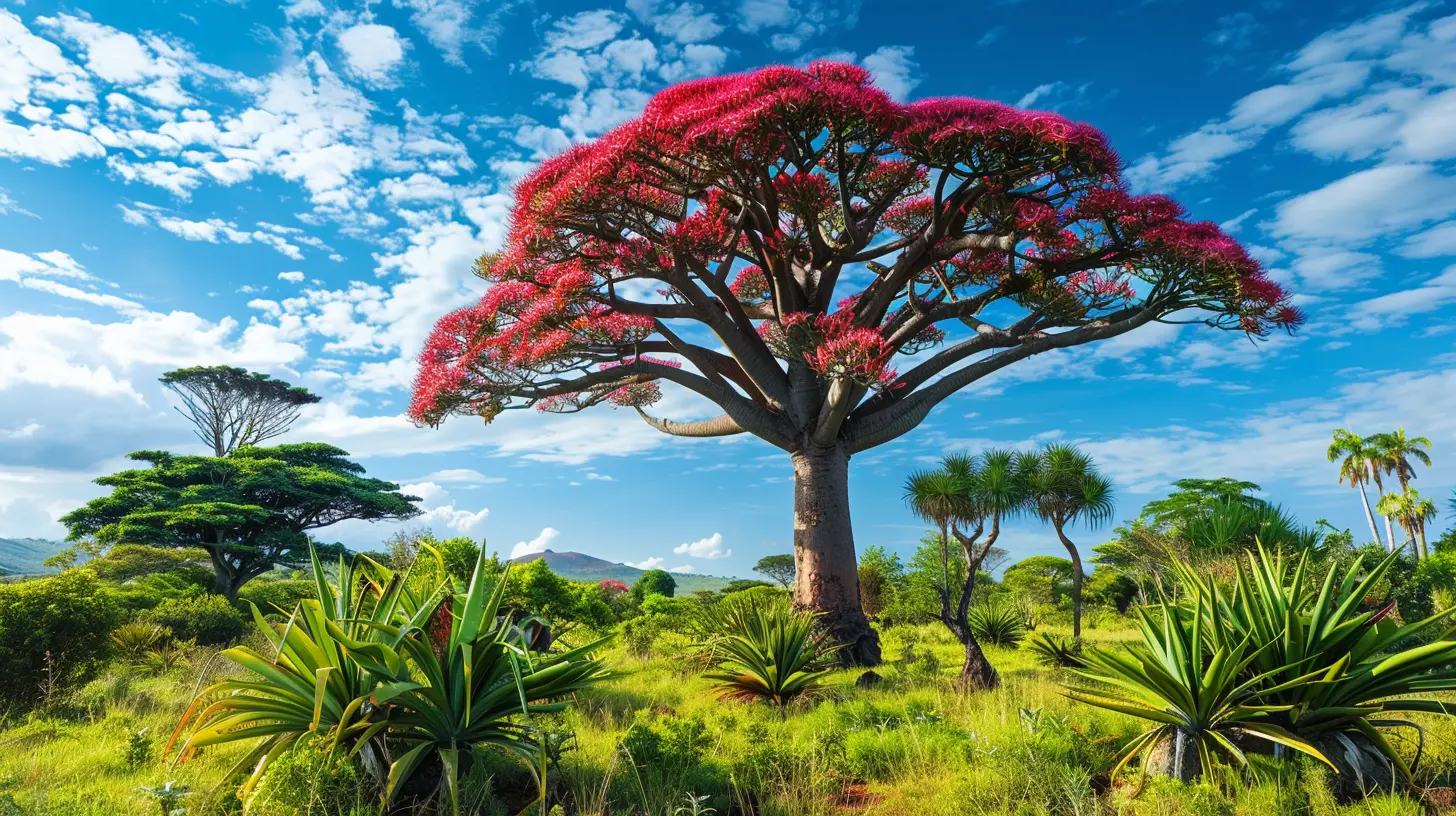
The Flora: Plants that Time Forgot
Madagascar isn’t just about wild animals. The plant life here is just as jaw-dropping.🌳 The Baobabs: Trees That Touch the Sky
You know those weird, upside-down-looking trees from children’s books? Those are baobabs, and Madagascar is home to six of the world’s eight species.The Avenue of the Baobabs is a must-visit. These massive trees have a presence that’s hard to explain—like ancient guardians watching over the land. Some of them are over a thousand years old! Just imagine the stories they could tell.
🌺 Orchids & Carnivorous Plants
Madagascar has over 1,000 species of orchids, many of them found nowhere else. Delicate, colorful, and often looking like they belong in a fairy tale, orchids here thrive in moist rainforests and cloud forests.But wait—it gets cooler (and weirder). This island is also a haven for carnivorous plants. Yes, you read that right. Plants that eat insects! The Nepenthes madagascariensis, a tropical pitcher plant, lures unsuspecting bugs into its digestive pool. It’s basically the Venus flytrap’s tropical cousin.
🌴 Spiny Forest and Unique Ecosystems
The spiny forest is something you’ve probably never seen before. Think of Dr. Seuss illustrations come to life—trees with twisted, thorny bark, shrubs covered in spines, and plants that thrive in the driest conditions imaginable.This region is teeming with life uniquely adapted to harsh climates. The flora is strange, beautiful, and incredibly tough—just like the people who live among them.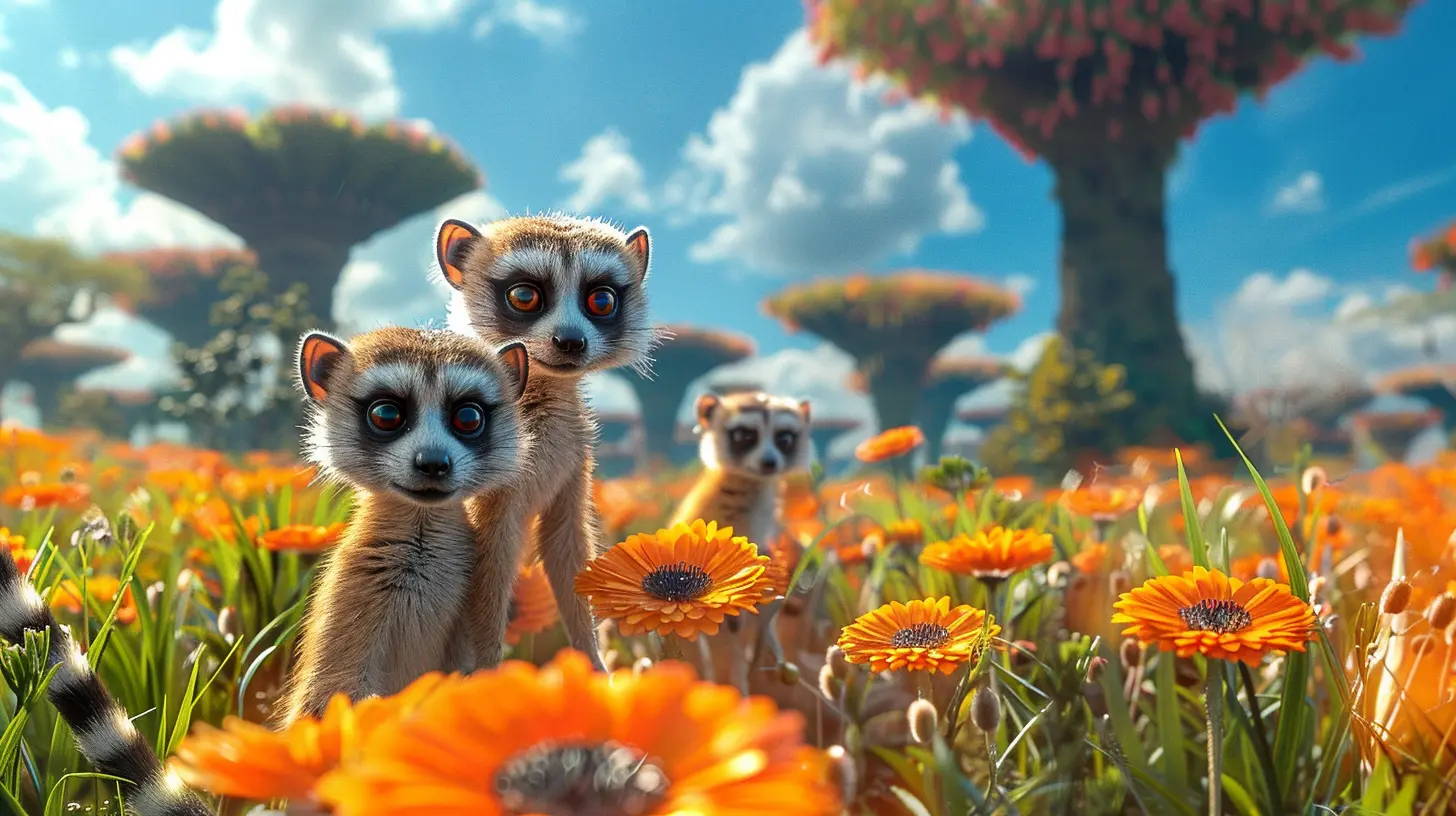
Conservation Efforts: Protecting Nature’s Masterpiece
It’s no secret that Madagascar faces big environmental challenges. From illegal logging to slash-and-burn farming, the island's unique ecosystems are under threat.But—here’s the silver lining—local communities, non-profits, and international organizations are working hard to turn things around. Ecotourism plays a big part in this effort. When you choose to travel responsibly, you help protect these natural wonders for generations to come.
Want to get involved? Participate in conservation tours or volunteer with reforestation projects. Every little bit counts.
Best Time to Visit Madagascar for Nature Lovers
Timing is everything, right? If you’re planning a trip to see Madagascar’s wild side, the dry season between April and November is your best bet.During these months, the weather is pleasant, and the wildlife—especially the lemurs and chameleons—is super active. Plus, you’ll avoid the cyclones that tend to roll in during the wet season.
Top Destinations for Flora and Fauna Enthusiasts
Let’s say you're all packed and ready to go. Where should you head first?🏞️ Andasibe-Mantadia National Park
Just a few hours from the capital, this lush park offers one of the best lemur-viewing experiences, including sightings of the singing indri. It’s also rich in orchids, rare frogs, and chameleons.🌳 Ranomafana National Park
This rainforest haven is a biodiversity hotspot. Think misty trails, giant ferns, and plenty of opportunities to spot elusive wildlife.🌊 Nosy Mangabe
A remote island reserve with rare black and white ruffed lemurs, ancient tombs, and lush forest. If you want off-the-beaten-path and full-on Jurassic Park vibes, this is it.🐘 Isalo National Park
More than just wildlife, Isalo offers jaw-dropping landscapes—sandstone canyons, natural swimming pools, and desert flora you won’t see anywhere else.Travel Tips for Your Wild Madagascar Adventure
Let’s make sure you’re prepped for the trip of a lifetime:- Bring binoculars 👀 for better wildlife viewing.
- Don’t forget bug repellent—nature’s wild, but so are the mosquitoes!
- Hire a local guide. They know the trails like the backs of their hands.
- Stay in eco-lodges to minimize your ecological footprint.
- Respect the land, animals, and customs. You’re a guest in their world.
Final Thoughts: A Journey Like No Other
Madagascar isn’t just a destination—it’s an experience that reshapes your idea of what’s possible in nature. From dancing lemurs to ancient baobabs, rainbow-colored chameleons to whispering rainforests, the island is one wild, wonderful, and wholly unique corner of our planet.So, if you're craving an adventure that awakens your curiosity and connects you to Earth in a deeper way, Madagascar is calling. Trust me, this place sticks with you long after your footprints fade from its red sands.
all images in this post were generated using AI tools
Category:
Africa TravelAuthor:

Ian Powell
Discussion
rate this article
2 comments
Wolf Marks
Madagascar’s biodiversity is a treasure trove; its plants and animals are truly unmatched worldwide.
January 30, 2026 at 4:46 AM
Ian Powell
Thank you! Madagascar's unique ecosystem is indeed remarkable, showcasing incredible biodiversity that can't be found anywhere else.
Annabelle Simmons
Madagascar's biodiversity is truly astonishing! I’m fascinated by how many species are endemic to the island. What are some of the most surprising flora and fauna you encountered during your explorations? I’d love to hear more about your personal experiences with Madagascar's unique ecosystems!
January 6, 2026 at 5:28 PM
Ian Powell
Thank you! During my explorations, I was particularly amazed by the iconic baobab trees and the lemurs, especially the Indri with its haunting calls. The diverse orchids also took me by surprise, showcasing Madagascar's incredible ecological richness!