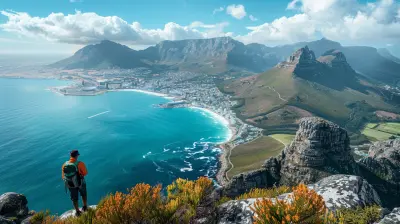
Africa’s Ancient Rock Art and Petroglyphs: A Journey Into the Past
20 June 2026
When you think of Africa, what comes to mind? Safari adventures? Wild landscapes? Vibrant cultures? All that's true, but there’s one hidden treasure that’s often overlooked—Africa’s ancient rock art and petroglyphs. These timeworn masterpieces aren’t just pretty pictures on cave walls—they’re echoes from the past, whispers from our ancestors, and visual stories that keep thousands of years of human history alive.
In this article, we’ll take you on a fascinating journey across the African continent, where ancient artistry meets raw nature. From the dusty caves of the Sahara to the sacred cliffs of South Africa, we're diving headfirst into the world of African rock art and petroglyphs.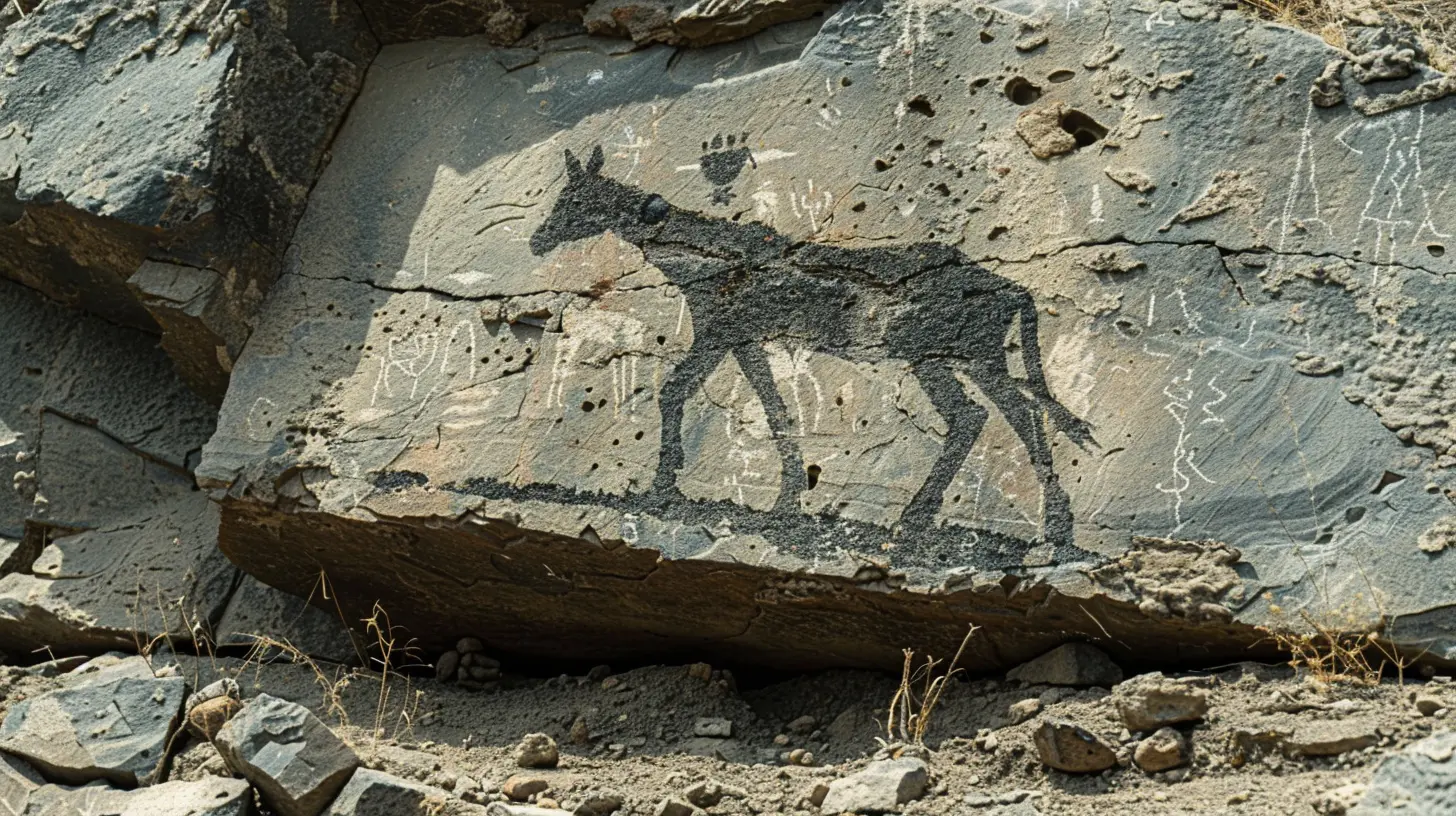
What is Rock Art and Petroglyphs Anyway?
Let’s start with the basics, shall we?Rock art refers to any human-made markings placed on natural stone. These can be paintings, carvings, or etchings. On the other hand, petroglyphs are a specific type of rock art that involves carving or chiseling into the rock's surface.
Think of them as humanity’s first Instagram posts—capturing life moments, rituals, spiritual beliefs, and maybe even a prehistoric joke or two.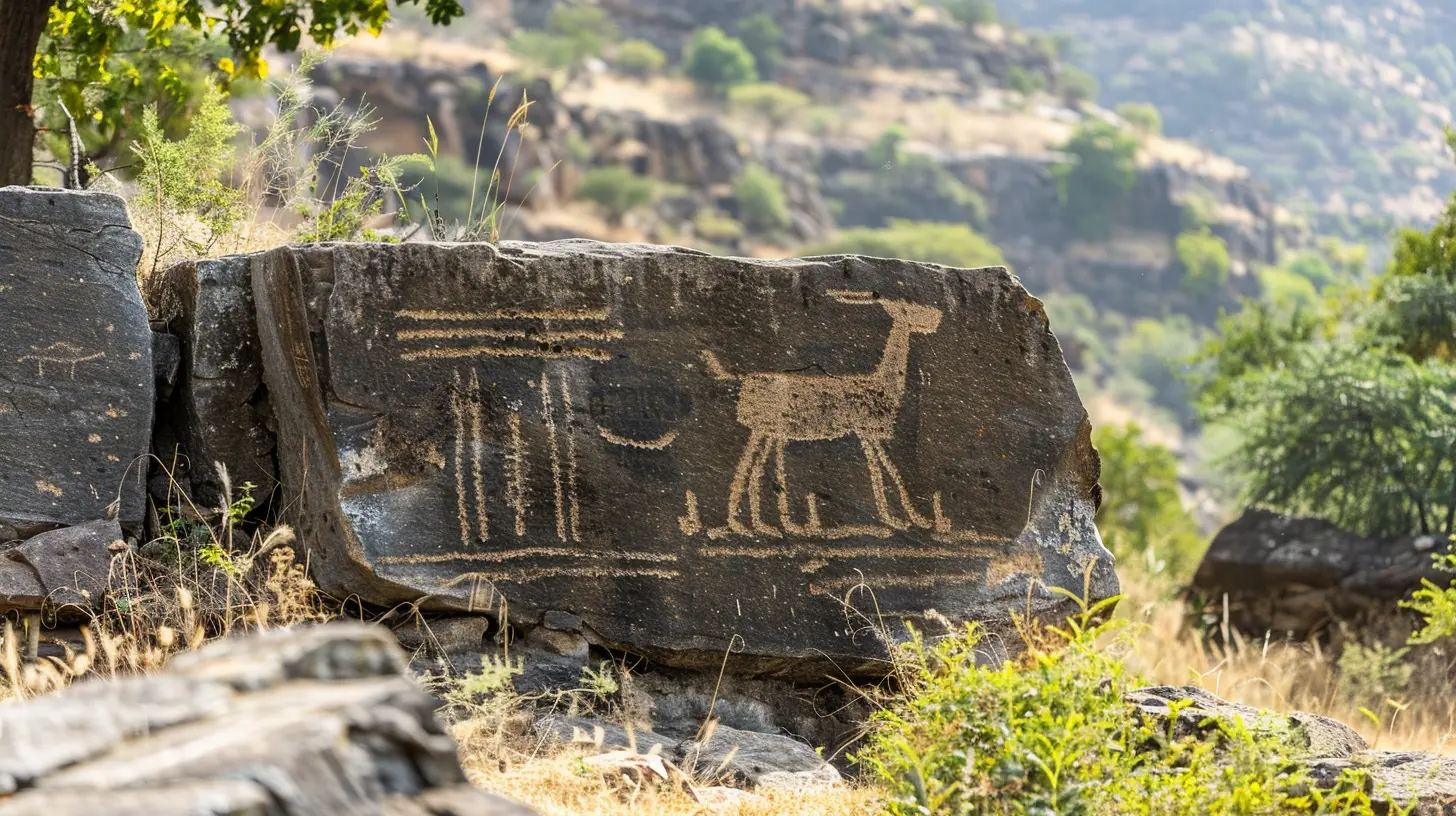
Why Africa?
Great question.Africa is often referred to as the "cradle of humankind." It's where our species, Homo sapiens, first appeared. So it makes sense that some of the oldest and most abundant rock art can be found right here.
What makes African rock art truly exceptional, though, is its age and diversity. Some sites are over 20,000 years old. That's older than the pyramids. Older than Stonehenge. Some even rival the famous European sites like Lascaux in France!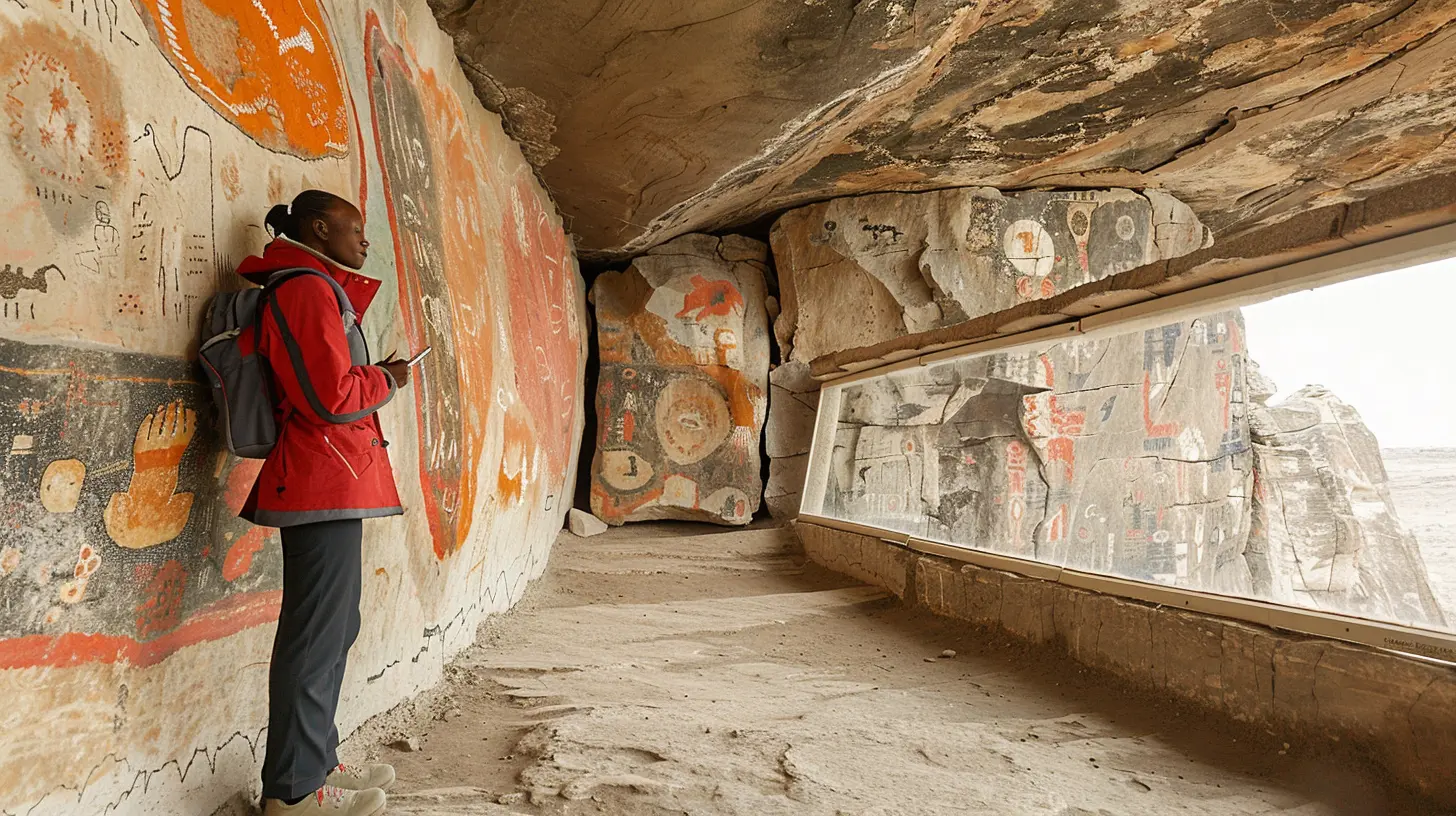
The Famous Sites You’ll Want to Visit
Ready to pack your bags? Let’s map out a few of the most iconic ancient rock art sites across Africa.1. The Tassili n’Ajjer, Algeria
If you venture into the heart of the Sahara Desert, you'll stumble upon Tassili n’Ajjer, a UNESCO World Heritage Site. It’s often called the "open-air museum" of prehistoric art.This place is home to over 15,000 engravings and paintings dating back as far as 12,000 years. You’ll spot strange humanoid figures, animals, and even what some folks claim look like aliens (cue the conspiracy theories).
The artwork here gives us amazing insight into how the Sahara used to be—a lush, green land teeming with wildlife. Hard to imagine now, right?
2. Drakensberg Mountains, South Africa
Head south and you'll find the Drakensberg Mountains, where the San people (also known as the Bushmen) have left behind one of the richest rock art legacies in the world.These paintings, dating back 3,000 years, aren’t just about pretty cows and hunting scenes. They’re spiritual. Shamans created them during trance dances. The figures often float, merge with animals, or appear in dream-like sequences. It's like the original version of virtual reality.
The colors are vivid too, thanks to natural pigments made from minerals, egg yolk, and even animal fat. Talk about creativity!
3. Twyfelfontein, Namibia
Namibia brings something different to the table—petroglyphs.At Twyfelfontein, a site tucked away in a remote valley, more than 2,000 rock engravings decorate the red sandstone. These aren’t random doodles—many depict animals like giraffes, lions, and rhinos, and some even map out watering holes.
It’s believed these carvings were used to teach young hunters about wildlife and survival. Like a prehistoric classroom chalkboard!
4. Laas Geel, Somaliland
Now here’s a gem most travelers have never heard of—Laas Geel in Somaliland.The rock shelters here are painted with some of the most vibrantly preserved colors you’ll find anywhere. Cows with beautifully decorated horns, herders wearing ceremonial garb—it’s believed these paintings date from 3,000 to 9,000 years ago.
And the best part? You’ll likely have the place all to yourself. Laas Geel is still off the beaten path, perfect for adventurous travelers looking for something unique.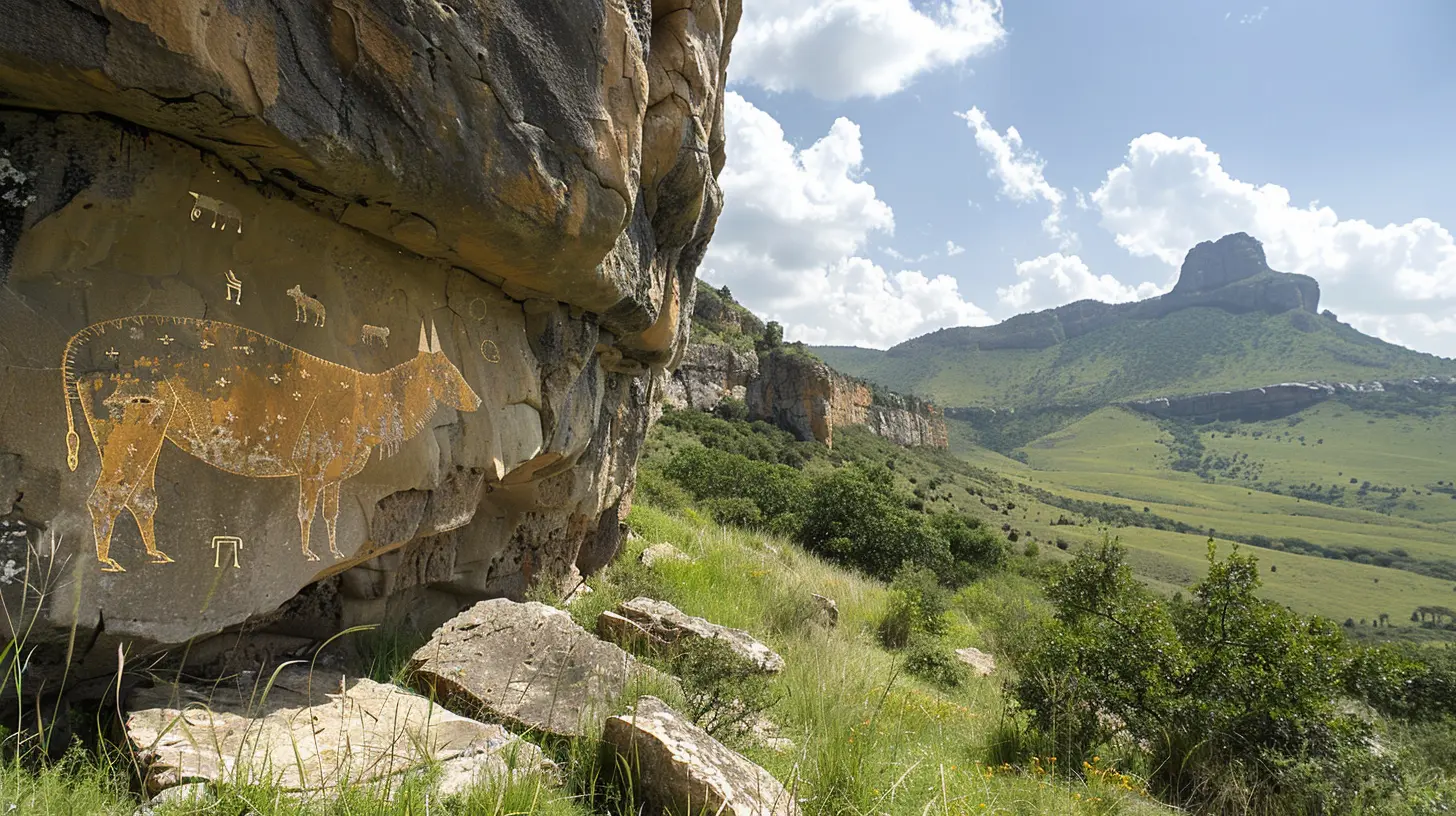
What Do These Ancient Images Tell Us?
More than you might think.While we can’t always be sure what these artists were thinking, we can make some educated guesses. Here’s what rock art and petroglyphs reveal about ancient African societies:
- Spiritual beliefs: Many paintings suggest shamanic rituals, ceremonies, or connections to the spirit world.
- Daily life: Hunting, gathering, herding, dancing—it’s all there. They give us a glimpse into how early humans lived.
- Environmental changes: Some sites show animals that no longer live in those regions. A clue that landscapes—and climates—have shifted dramatically.
- Communication: These artworks may have been used to tell stories, pass down knowledge, or even mark territory.
It’s like opening a time capsule without needing a key.
Techniques and Materials: The Original DIY Artists
Have you ever tried painting on rock? It’s not easy.These ancient artists had no brushes, no fancy tools, and certainly no YouTube tutorials. But they sure knew how to work with what they had.
Most used:
- Natural pigments: Iron oxide (red), charcoal (black), and kaolin (white)
- Binders: Plant sap, animal fat, blood
- Tools: Fingers, feathers, sticks, bones, and stones
The engravings (petroglyphs) were even more hardcore. Artists chiseled into stone with another stone. Imagine doing that all day.
The Role of Rock Art in African Culture Today
You might be thinking all of this is just old stuff, locked away in museums or forgotten cliffs. But guess what? In many parts of Africa, rock art is still deeply respected.Indigenous communities, especially the San people, view these sites as sacred. They're integral to identity, memory, and oral traditions. Some people even believe the spirits of their ancestors still dwell within these ancient stones.
Also, rock art plays into modern African art movements. Many contemporary artists are inspired by ancestral styles, using them to reclaim cultural heritage and express identity post-colonization.
The Dark Side: Threats and Challenges
Let’s get real for a second. While African rock art is awe-inspiring, it’s also fragile and under threat.Here’s what’s putting these precious sites at risk:
- Vandalism: Graffiti and careless tourism can permanently damage the art.
- Climate change: Erosion and flooding can wear away centuries of history.
- Urban development and mining: Bulldozers don’t care about petroglyphs.
- Neglect: Many sites are unprotected, undocumented, and vulnerable to decay.
There’s hope, though. Organizations like UNESCO, local communities, and conservation groups are working tirelessly to preserve these treasures. But awareness is a big piece of the puzzle—and that starts with you!
Tips for Visiting Rock Art Sites
Wanna see it all for yourself? Amazing! Just keep these quick tips in mind:- Hire a local guide: They know the stories, the legends, and the landscape.
- Respect the sites: Don’t touch, lean on, or draw near the art.
- Wear good shoes: Many sites are in rugged terrain.
- Pack water and sunscreen: These places can get hot—real hot.
- Ask before posting: Some communities consider these places sacred.
Final Thoughts: A Journey Into The Past That Shapes Our Future
Africa’s ancient rock art and petroglyphs aren’t just historical curiosities. They’re powerful testaments to creativity, spirituality, and humanity’s endless desire to tell stories. These works connect us to our earliest ancestors and remind us that art isn’t just something we do—it’s who we are.So next time you’re daydreaming about your next big travel adventure, skip the usual checklist. Go deeper. Go older. Go human. Take a journey into Africa’s ancient heart and let those timeless walls whisper their secrets into your soul.
all images in this post were generated using AI tools
Category:
Africa TravelAuthor:

Ian Powell
Discussion
rate this article
1 comments
Cadence McKinnon
The intricate stories in Africa's rock art reveal deeper cultural connections that demand greater exploration.
August 3, 2026 at 4:46 AM