A Guide to Exploring Japan’s Most Scenic Countryside
21 May 2026
When you think of Japan, your mind probably jumps straight to the flashing lights of Tokyo or the ancient temples of Kyoto. But here’s a little secret: the real magic often lies far beyond the cities—in the lush, rolling countryside that seems lifted straight from a Studio Ghibli film.
Japan’s rural landscapes hold an unmatched charm. From rice terraces that ripple like waves to thatched-roof farmhouses that time forgot, the countryside gives you a slice of serenity…and a side of soul. If you're craving peace, tradition, jaw-dropping nature, and an authentic vibe, let’s hit the road and dive into this ultimate guide to Japan’s most scenic countryside.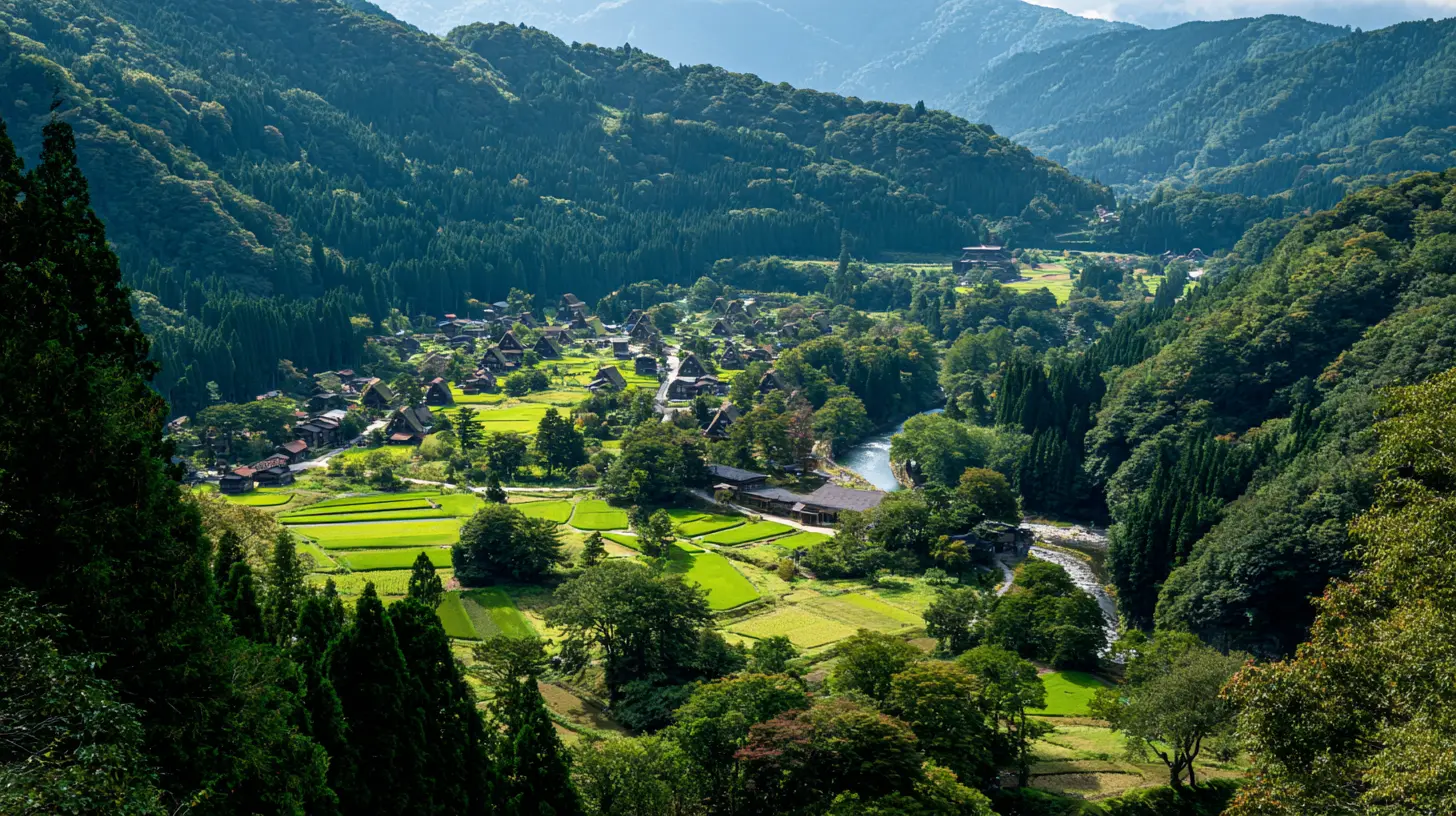
Why the Countryside Deserves a Spot on Your Itinerary
Let’s face it. City life is fast, fun, and flashy—but it can burn you out. Now imagine trading the crowded subways and neon overload for quiet mountain trails, steaming hot springs, and meals made with ingredients harvested just down the road. That’s the countryside for you.Whether you’re a nature lover, a photography enthusiast, or someone who just wants to slow down and actually breathe, Japan’s rural gems offer something the cities simply can’t.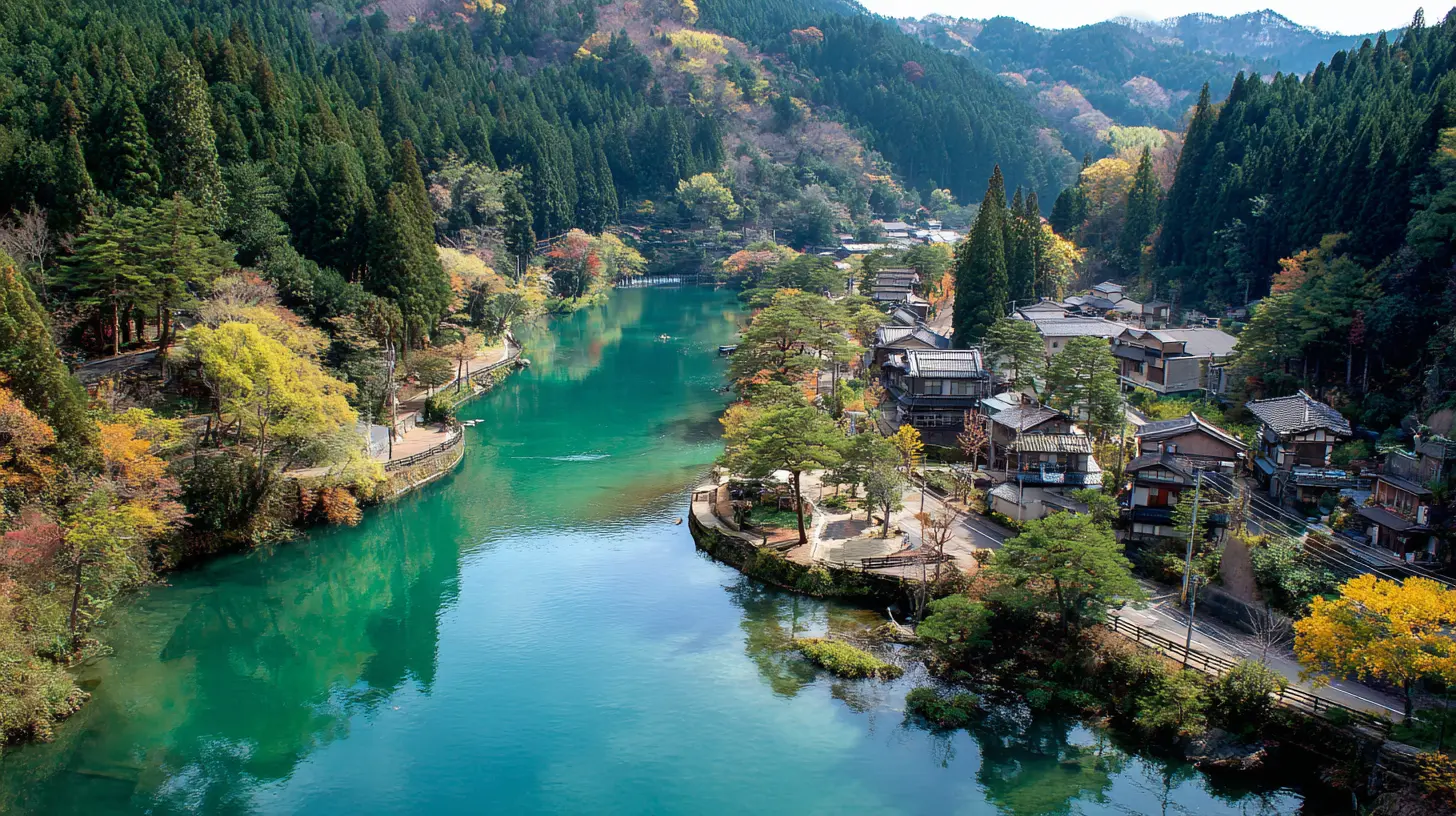
1. Gokayama and Shirakawa-go: Frozen in Time
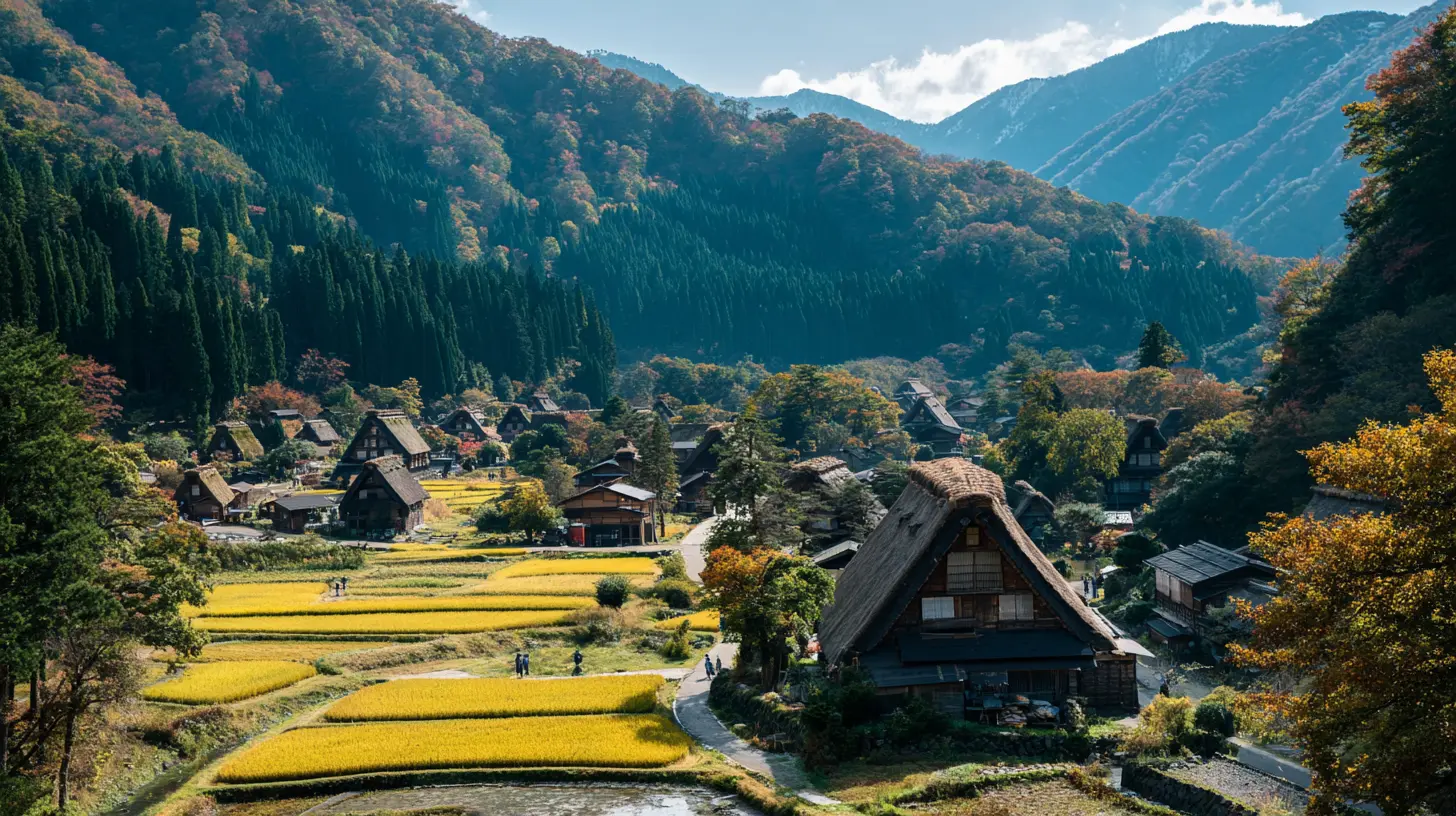
Ever wondered what life looked like hundreds of years ago in rural Japan? Enter Gokayama and Shirakawa-go. Tucked away in the mountains of central Japan (right along the border of Gifu and Toyama prefectures), these UNESCO World Heritage villages are as picturesque as postcards come.What Makes It Special?
- Gassho-zukuri farmhouses with steep, thatched roofs that look like hands in prayer—built this way to shed heavy winter snow.- Landscapes straight out of a folklore tale, especially magical when blanketed in snow or glowing with fireflies in the summer.
- Locals who still preserve centuries-old traditions in lifestyle and craftsmanship.
Don’t Miss
- A stay in a traditional farmhouse (yes, some double as cozy inns!)- Trying regional soba noodles and mountain vegetables
- An evening stroll under the stars with barely a soul around
2. The Nakasendo Trail: Step Into The Past
Want to literally walk back in time? The Nakasendo Trail is a historical route that connected Kyoto and Edo (modern-day Tokyo) during the Edo period. While the full trail is quite a trek, many travelers walk shorter, scenic portions between charming post towns like Magome and Tsumago.What’s The Vibe?
Think cobblestone paths, misty forests, and wooden inns that seem like samurais might pop out at any second. There's no rush here—just the sound of your steps and the rustle of trees.Travel Tips
- Pack light—you're walking!- Stay overnight in a ryokan (traditional inn) to truly savor the slow life
- Try gohei mochi (grilled rice cakes) for a tasty fuel-up
3. Hida-Takayama: Where Tradition Meets Nature
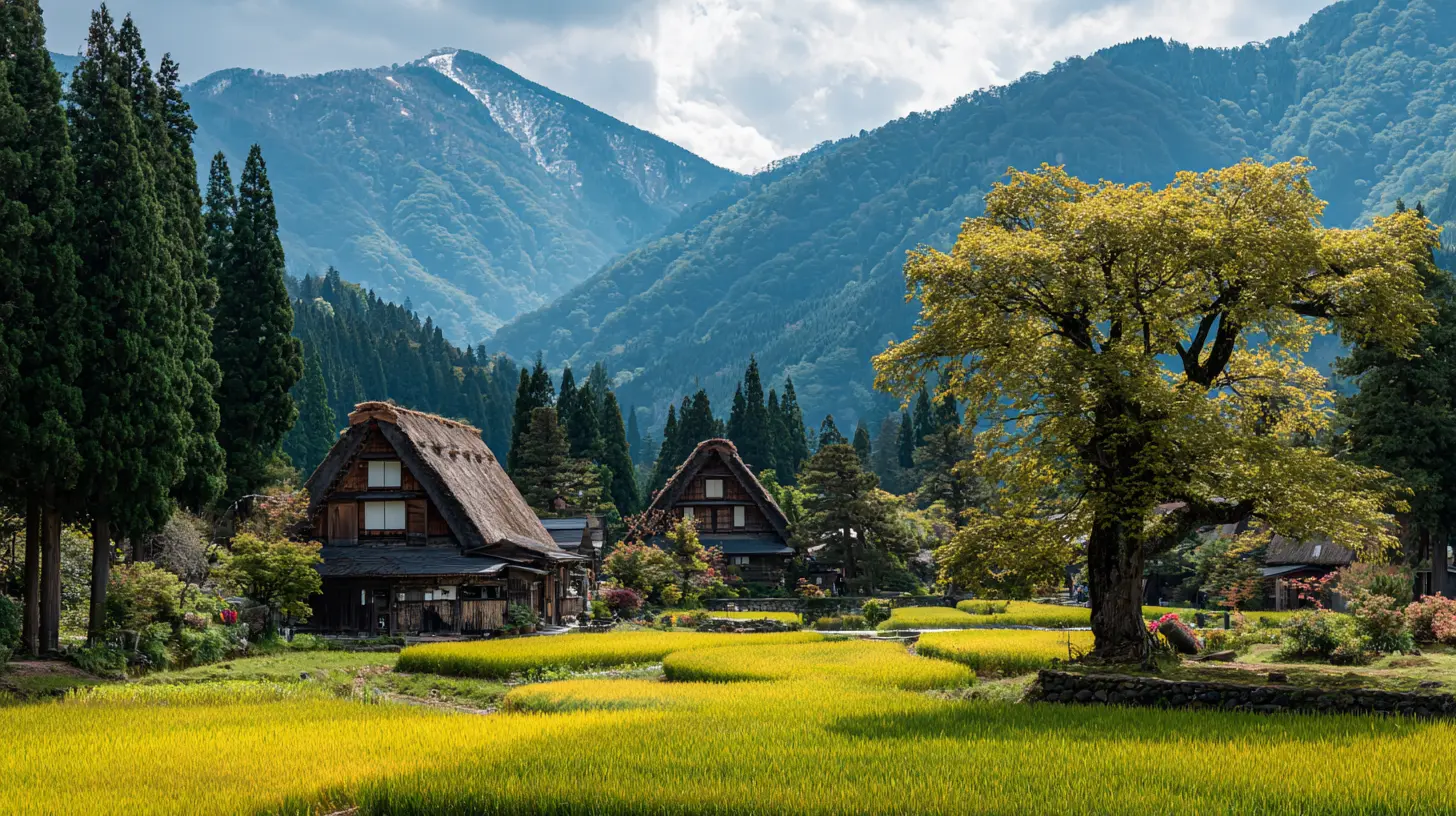
Lovingly nicknamed “Little Kyoto,” Hida-Takayama in Gifu Prefecture offers a charming mix of preserved Edo-era streets, lively morning markets, and stunning alpine scenery.What’s To Love?
- Sannomachi Street: lined with sake breweries, wooden merchant houses, and artisan shops- Hida Folk Village: an open-air museum with traditional homes and rural life exhibits
- Nearby Kamikochi and Okuhida offer epic mountain hikes and luxurious onsen (hot springs)
Insider Tip
Visit during the Takayama Festival (spring or autumn). Floats? Lit lanterns? Local spirit in full swing? Yes, please.4. Biei and Furano: Hokkaido’s Underrated Beauty
We’re heading way up north to Hokkaido—the land of snow, dairy, and endless horizons. While the island is famous for skiing, it’s the summer countryside that steals hearts. Biei and Furano are the picture-perfect duo with flower fields that stretch farther than your eyes can follow.Why Go?
- Lavender season in July—imagine a sea of purple dotted with adorable farmhouses- Rolling hills that look hand-painted, especially at sunset
- Local produce heaven: melons, cheese, corn, and soft serve worth writing home about
Snap-Worthy Spots
- Shikisai-no-Oka flower park- Patchwork Road views
- The Blue Pond (yes, it’s naturally turquoise!)
5. The Iya Valley: Japan’s Hidden Wild Side
Ready to go off-the-beaten-path? Really off? Nestled deep in Shikoku island, the Iya Valley is remote, rugged, and ridiculously beautiful. It’s one of Japan’s best-kept secrets.What’s So Wild About It?
- Vine bridges (yes, made of vines!) that swing slightly as you cross. Indiana Jones, anyone?- Misty mountains that look like watercolor paintings
- Ancient legends and nearly untouched nature
What to Do Here
- Hike narrow passes with jaw-dropping valley views- Bathe in secluded onsens surrounded by forest
- Visit Ochiai Village for a glimpse of traditional mountain life
6. Noto Peninsula: Coastline Meets Countryside
Noto Peninsula in Ishikawa Prefecture is where rural meets the sea. It's lesser-known, but trust me—it delivers that sweet, untouched countryside charm with a side of ocean breeze.Highlights
- Senmaida Rice Terraces: hundreds of tiny rice paddies cascading into the sea- Wajima Morning Market: browse local crafts and sea goodies
- Soak in seaside hot springs while watching the sunset
Travel Note
This area is best explored by rental car. You’ll want to stop every five minutes to snap a photo—or just breathe in the ocean air.7. Yakushima Island: Nature’s Wonderland
Okay, this one’s technically not the countryside, but it’s so raw and remote that it counts. Yakushima, an island off the southern coast of Kyushu, is a nature lover’s dream—and a UNESCO World Heritage site worth every ferry ride.What’s the Buzz?
- Towering cedar trees up to 7,000 years old (yep, you read that right)- Lush, mossy forests rumored to have inspired Princess Mononoke
- Waterfalls, wild monkeys, and untouched beaches
Best Way to See It?
Strap on your hiking boots and dive into the forest trails. Whether it's a full-day hike or a gentle forest walk, Yakushima reconnects you with something primal.Tips for Navigating Japan’s Countryside
Rural Japan can feel like another world, and that’s part of the draw. But a few pro tips will help you feel right at home.1. Rent a Car (If You Can)
Public transport can be sparse in the countryside. Having a car gives you total freedom to wander without watching the bus schedule like a hawk.2. Pack Cash
Many rural areas still operate on a cash-only basis. ATMs aren’t always around the corner, so come prepared.3. Learn a Few Japanese Phrases
English isn’t widely spoken in remote areas. Even just “hello” (konnichiwa), “thank you” (arigatou), and “excuse me” (sumimasen) go a long way.4. Book Accommodations Early
Countryside lodgings—especially traditional inns—can fill up fast, especially during seasonal events or flower blooms.When’s the Best Time to Go?
Honestly, there’s never a bad time. Each season paints the countryside in a whole new palette.- Spring (March–May): Cherry blossoms in small villages = unforgettable.
- Summer (June–August): Wildflowers, rice paddies at their greenest, and fireflies.
- Autumn (September–November): Crimson leaves and harvest festivals.
- Winter (December–February): Snowy landscapes and onsen magic.
Just pick your season and pack accordingly!
Final Thoughts: The Soul of Japan Lives in Its Countryside
Japan’s rural landscapes aren’t just a pretty postcard—they’re living, breathing reminders of how life used to be. They’re slow, sincere, and spiritual in a way the cities just can’t mirror.So if you want memories that don’t blur together in a haze of crowds and skyscrapers—head to the hills, the valleys, the farms, and the trails. Breathe. Wander. Sip tea with locals. Watch the mist roll off a mountain at dawn.
That’s the side of Japan that grabs your soul and doesn’t let go.
all images in this post were generated using AI tools
Category:
Destination GuidesAuthor:

Ian Powell
Discussion
rate this article
1 comments
Kismet Shaffer
I'm fascinated by Japan's countryside! The blend of traditional culture with stunning landscapes seems like a perfect escape. I'd love to hear about must-see spots and hidden gems from fellow travelers...
August 3, 2026 at 4:18 PM