Exploring the Last Frontier: Remote Destinations to Visit in 2026
9 May 2026
You know that feeling when you scroll through your phone and see the same crowded beaches, the same over-filtered hotel pools, and the same tourist-packed streets? It makes you want to toss your phone in a drawer and run somewhere, anywhere, where the only sound is wind and maybe a curious bird. I get it. We all crave that little slice of untouched Earth, a place where the map still has a few blank spots. If you are already planning your 2026 travels, let me point you away from the usual suspects and toward the real edge of the map. These are the remote destinations that still whisper instead of shout.
Why 2026 is the Year to Go Remote
Think about it. The world feels smaller every year. Drones buzz over ancient ruins, influencers camp in the desert for the perfect shot, and "off the beaten path" has become a marketing slogan. But there are still corners of this planet that require real effort to reach. By 2026, a few things will align perfectly. Travel infrastructure in some remote areas will have matured just enough to make them accessible without ruining them. Flight routes are shifting, and eco-lodges are popping up in places that were once strictly for hardcore adventurers. Plus, with the growing push for sustainable travel, visiting these fragile places now means you can do it right, before the crowds catch on. So, where exactly should you point your compass?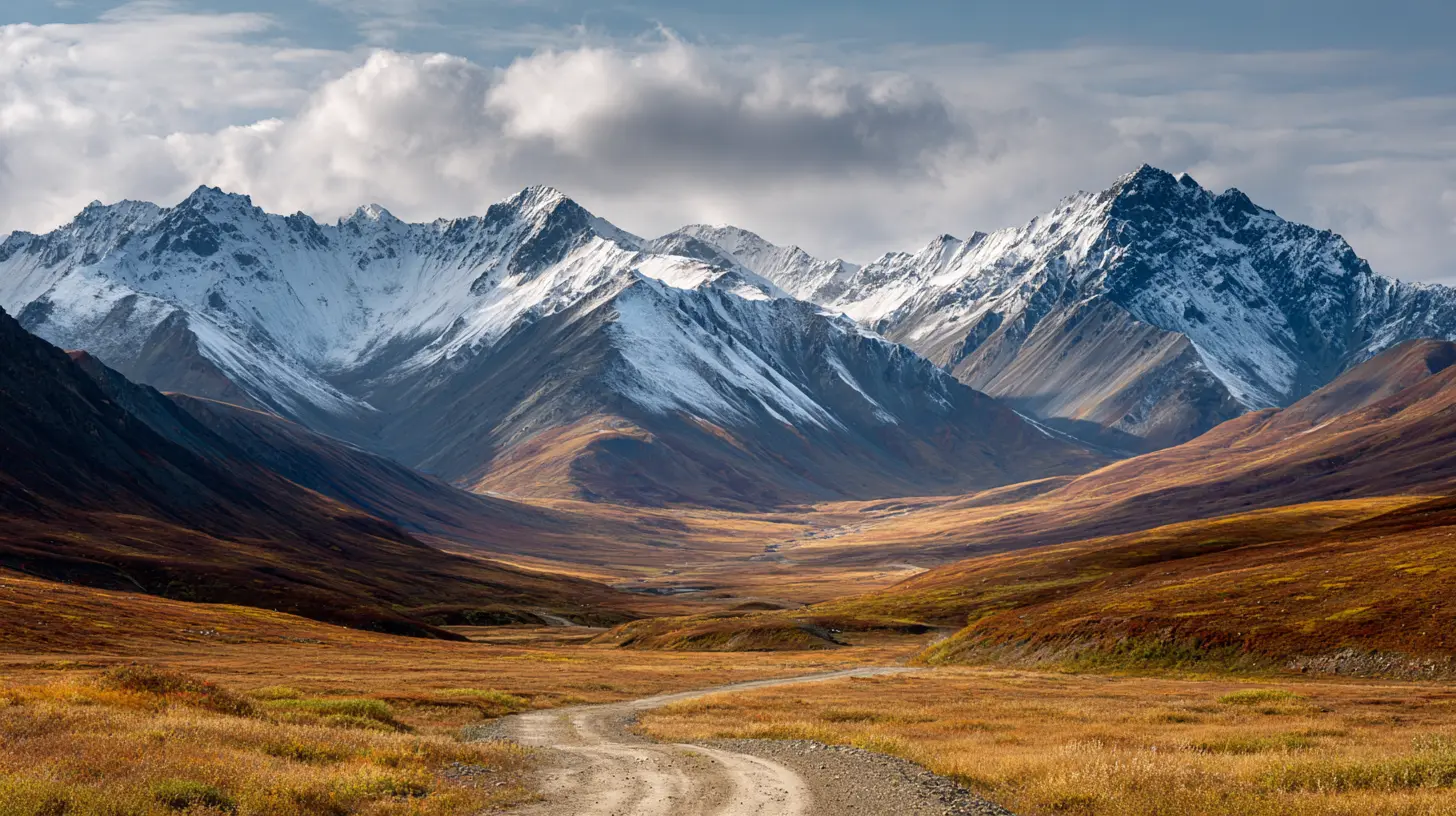
1. The Svalbard Archipelago, Norway
Picture this: a place where polar bears outnumber people, and the sun doesn't set for four months straight. Svalbard is not for the faint of heart, but for the curious soul. Located halfway between Norway and the North Pole, this group of islands feels like stepping onto another planet. In 2026, you will find that climate change has made the summer ice pack a bit more unpredictable, which actually opens up new sea routes for small expedition ships.Why go now? Because the Arctic is changing fast. You can still see massive glaciers calving into the sea, hear the eerie silence of a frozen fjord, and walk through the tiny, colorful town of Longyearbyen, where reindeer wander the streets like stray cats. Do not expect luxury shopping or fine dining. Expect raw, brutal beauty. You will need a guide with a rifle to walk outside the settlement, and that is part of the thrill. It is the kind of place that makes you feel small in the best way possible.
2. The Faroe Islands (But Skip the Main Spots)
Everyone talks about the Faroe Islands now, but most people only see the postcard views from the village of Gjogv or the famous Mulafossur Waterfall. That is old news. For 2026, aim for the lesser-known islands like Kalsoy or Mykines. Kalsoy is a narrow strip of land with a handful of tunnels and a lighthouse at the end that feels like the edge of the world. You will share the trail with sheep, not tourists.Mykines is the real gem. It is a tiny island that is a bird sanctuary, home to thousands of puffins and gannets. The ferry ride is rough, and the weather is fickle, but when you stand on the cliffs and watch the birds dive into the North Atlantic, you will forget about your phone entirely. The trick here is to book a homestay with a local family. You will eat dried fish, drink strong coffee, and hear stories in a language that sounds like a song. It is authentic, raw, and completely remote.
3. The Kerguelen Islands (French Southern and Antarctic Lands)
Now we are getting serious. The Kerguelen Islands, also known as the Desolation Islands, are about as far from civilization as you can get without joining a space mission. They sit in the southern Indian Ocean, and they are home to a small research station, but no permanent residents. Getting there requires a multi-week voyage on a supply ship from Reunion Island. It is not a vacation; it is an expedition.Why would anyone go? For the absolute silence. For the sight of thousands of king penguins waddling along black sand beaches. For the volcanic landscapes that look like a moonscape covered in moss. In 2026, a few specialized tour operators are offering limited spots on research vessels that allow you to visit for a few days. You will live on a ship, eat with scientists, and step onto land that has seen maybe a few hundred human footprints in the last century. It is the ultimate "I went where no one goes" story, and it is humbling beyond words.
4. The Kimberley Region, Western Australia
Most people think of Australia and picture the Sydney Opera House or the Great Barrier Reef. But the Kimberley is a different beast. It is a massive, ancient landscape of red rock gorges, waterfalls that plunge directly into the ocean, and vast, empty coastlines. The best way to see it in 2026 is by a small expedition cruise from Broome to Darwin. These boats carry maybe 50 to 100 people, and they are designed to get you into shallow inlets and remote river mouths.You will see the Horizontal Falls, a natural phenomenon where tidal currents create a waterfall effect sideways. You will stand under the Montgomery Reef as the tide recedes, revealing a coral platform teeming with marine life. And you will feel like you are the first person to ever set foot on a beach that stretches for miles without a single footprint. The heat is intense, the crocs are real, and the flies can be annoying. But the reward is a landscape that feels older than time itself.
5. The Tibetan Plateau (Eastern Tibet, China)
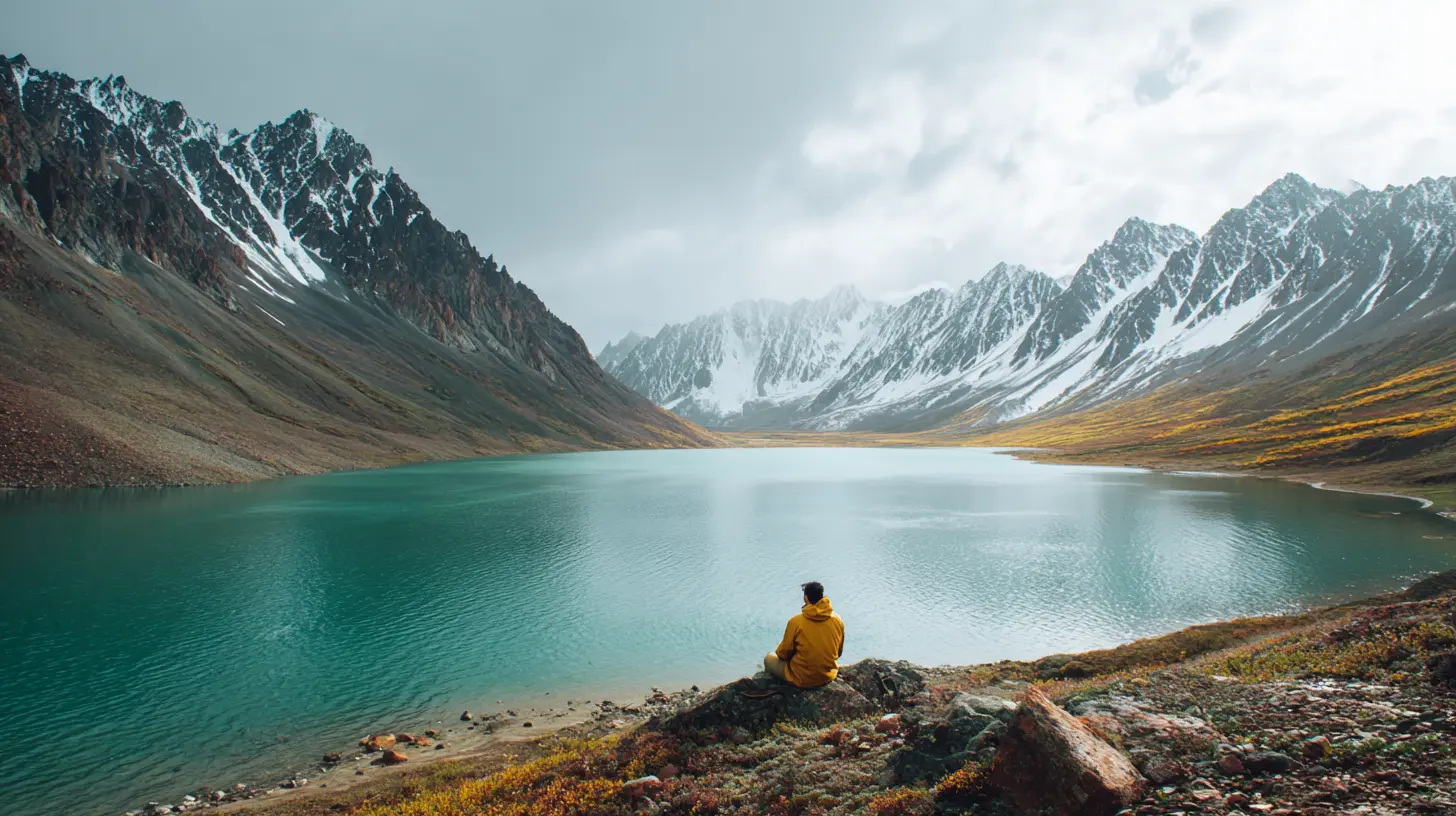
I am not talking about Lhasa or the tourist-heavy parts of Tibet. I am talking about the eastern regions, near the border with Sichuan, where the high plateau meets deep river valleys. Places like Yushu or the remote counties around the source of the Yangtze River. This area is home to nomadic herders, ancient monasteries clinging to cliffs, and some of the highest inhabited places on Earth.By 2026, road conditions in this part of China have improved, but it is still a rugged journey. You will drive for days through landscapes that shift from alpine meadows to barren, wind-swept plains. The air is thin, the sun is fierce, and the nights are freezing. But you will share tea with nomads in black yak-hair tents, watch monks debate philosophy in a centuries-old courtyard, and see wild yaks and Tibetan antelope roaming freely. It is a spiritual journey as much as a physical one. Just be prepared for altitude sickness and a complete lack of Western amenities. That is the point.
6. The Yukon Territory, Canada (Beyond Dawson City)
The Yukon is famous for the Klondike Gold Rush, but most visitors stop at Dawson City, take a photo of the Sourtoe Cocktail, and call it a day. That is like going to a library and only reading the dust jacket. The real Yukon lies north of the Arctic Circle, along the Dempster Highway. This gravel road stretches 740 kilometers from Dawson City to Inuvik, crossing two mountain ranges and the vast tundra.In 2026, you will find that the road is better maintained, but it is still a bone-rattling adventure. You will drive through the Tombstone Territorial Park, where jagged peaks rise from rolling hills like the teeth of a giant. You will see caribou herds, grizzly bears, and maybe a wolf if you are lucky. The midnight sun in summer gives you 24 hours of daylight to explore. The winter offers the Northern Lights and temperatures that hit minus 40. It is harsh, it is lonely, and it is absolutely beautiful. Bring extra fuel, spare tires, and a sense of humor.
7. The Rapa Nui (Easter Island) Backcountry
Easter Island is not exactly remote in the sense of being hard to reach anymore. Flights from Santiago are regular. But the island itself has a secret: the interior. Most visitors go to the famous moai statues along the coast, snap a selfie, and leave. But the heart of Rapa Nui is the volcanic craters, the ancient caves, and the abandoned quarries where the statues were carved.In 2026, consider hiring a local guide to take you into the Rano Kau crater, a massive volcanic caldera filled with freshwater and covered in reeds. You can hike down to the Orongo ceremonial village, perched on the edge of a cliff where the wind howls constantly. You will see moai that were never finished, still lying on their backs in the quarry, as if the workers just walked away one day. The silence there is heavy. It is a place that asks more questions than it answers. And because the island is small, you can feel the isolation even though you are never far from a town.
8. The Skeleton Coast, Namibia
This place sounds like a horror movie title, and honestly, it looks like one too. The Skeleton Coast is a stretch of shoreline in Namibia where the cold Benguela Current meets the scorching Namib Desert. The fog is thick, the shipwrecks rust on the sand, and the only signs of life are jackals, hyenas, and seals. It is one of the most inhospitable places on Earth, and it is absolutely mesmerizing.By 2026, a few luxury fly-in camps have opened here, offering a way to experience the desolation without sleeping in a tent. You will fly over dunes that change color from orange to red to purple as the sun moves. You will walk among the bones of whales and the hulls of ships that ran aground a century ago. You will see desert-adapted elephants that have learned to survive on almost no water. It is a landscape that feels like the end of the world. And in a way, it is. The coast is so remote that the only way in or out is by small plane. That isolation is the whole point.
How to Prepare for a Remote Journey
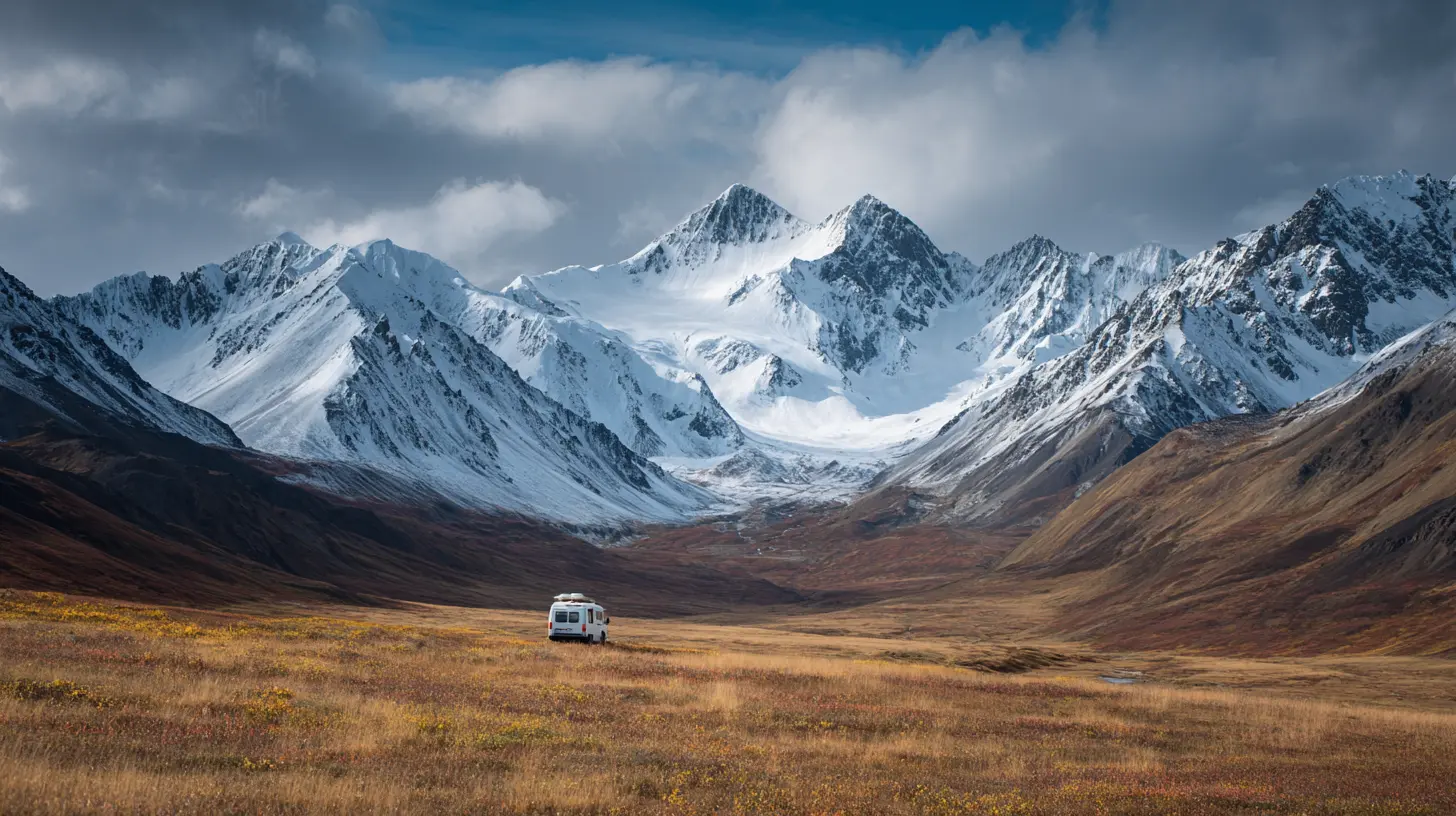
Let me be honest with you. Going remote is not a last-minute decision. You cannot just throw a bag together and hop on a flight to Svalbard or the Kerguelen Islands. You need to plan.First, your gear matters. A good pair of boots, layers that work for both cold and heat, a reliable water filter, and a satellite communicator are non-negotiable. Cell service will be a myth. Second, your mindset matters. You will face delays, cancellations, and weather that does not care about your schedule. That is part of the deal. Third, your budget matters. Remote travel is expensive. Flights to small airports, specialized guides, and expedition ships cost real money. But you are paying for something that most people never get: a genuine encounter with the wild.
The Gift of Being Unreachable
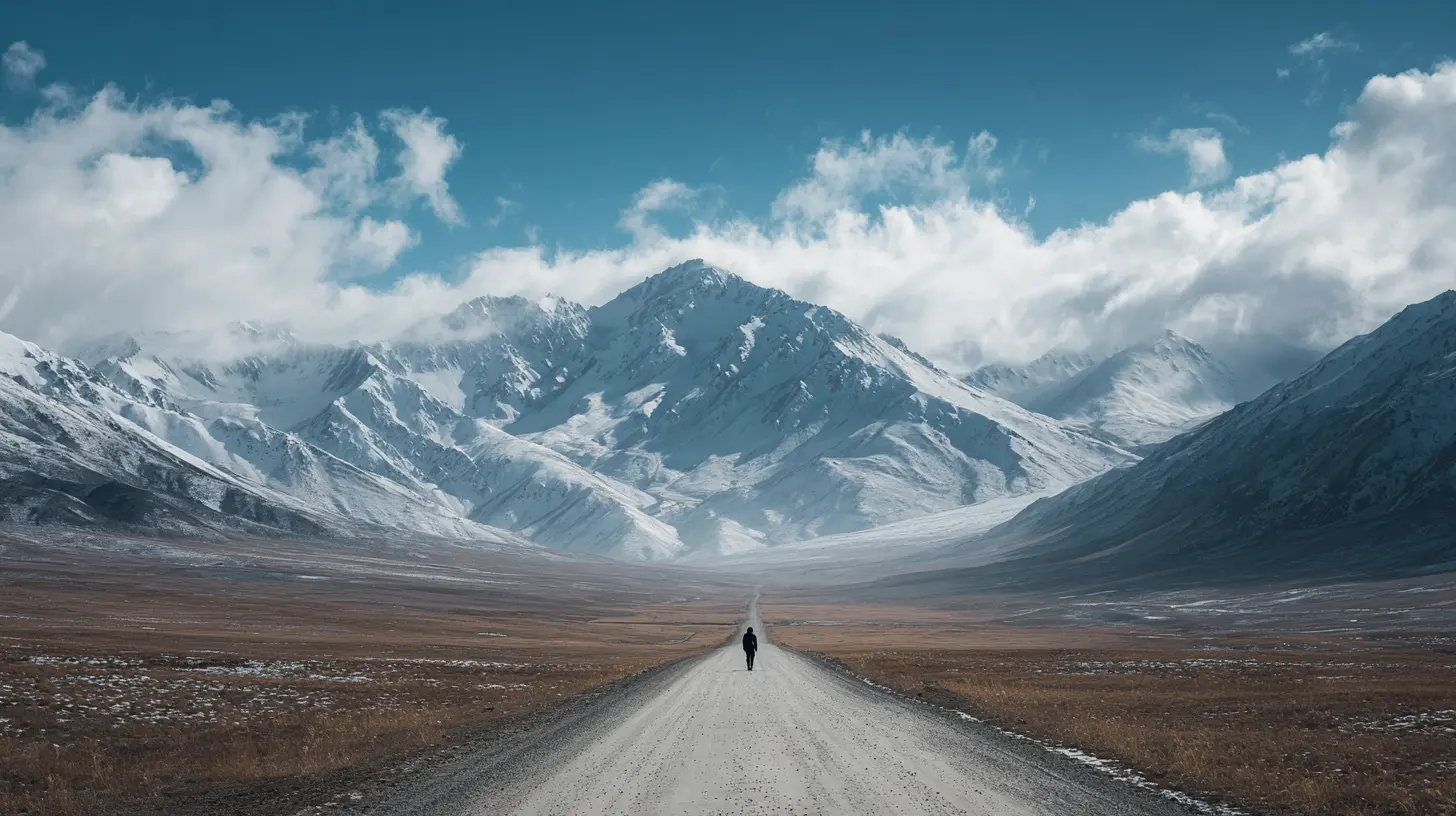
Here is the thing about remote travel that you cannot get from a resort or a city break. It forces you to disconnect. Not because you want to be trendy, but because there is literally no signal. You will sit around a campfire or in a tiny cabin, and you will talk to the people next to you. You will listen to the wind. You will watch the stars without the glow of a city. And you will realize that the world is still full of places that do not care about your Instagram feed.By 2026, a few of these spots will be a little easier to reach. A few will be a little harder. That is the nature of our changing planet. But the desire to see the last frontiers, the places that still hold mystery, that will never go away. So start saving, start planning, and get ready to go where the map fades to white. It will change you. I promise.
all images in this post were generated using AI tools
Category:
Remote DestinationsAuthor:

Ian Powell
Discussion
rate this article
1 comments
Reagan McGee
What an exciting journey awaits! Can't wait to discover these hidden gems in 2026!
May 9, 2026 at 3:15 PM