Exploring the Flavors of India: Spices and Street Food
7 April 2026
India is a land of colors, culture, and—perhaps most enticingly—flavors. This diverse country is a paradise for food lovers, offering a culinary journey filled with fragrant spices and irresistible street food. Whether you're indulging in a steaming plate of biryani, biting into a crispy golgappa, or savoring the warmth of masala chai, every bite tells a story.
In this article, we'll take a deep dive into the spices that define Indian cuisine and the mouthwatering street food that has captured the hearts of locals and travelers alike.
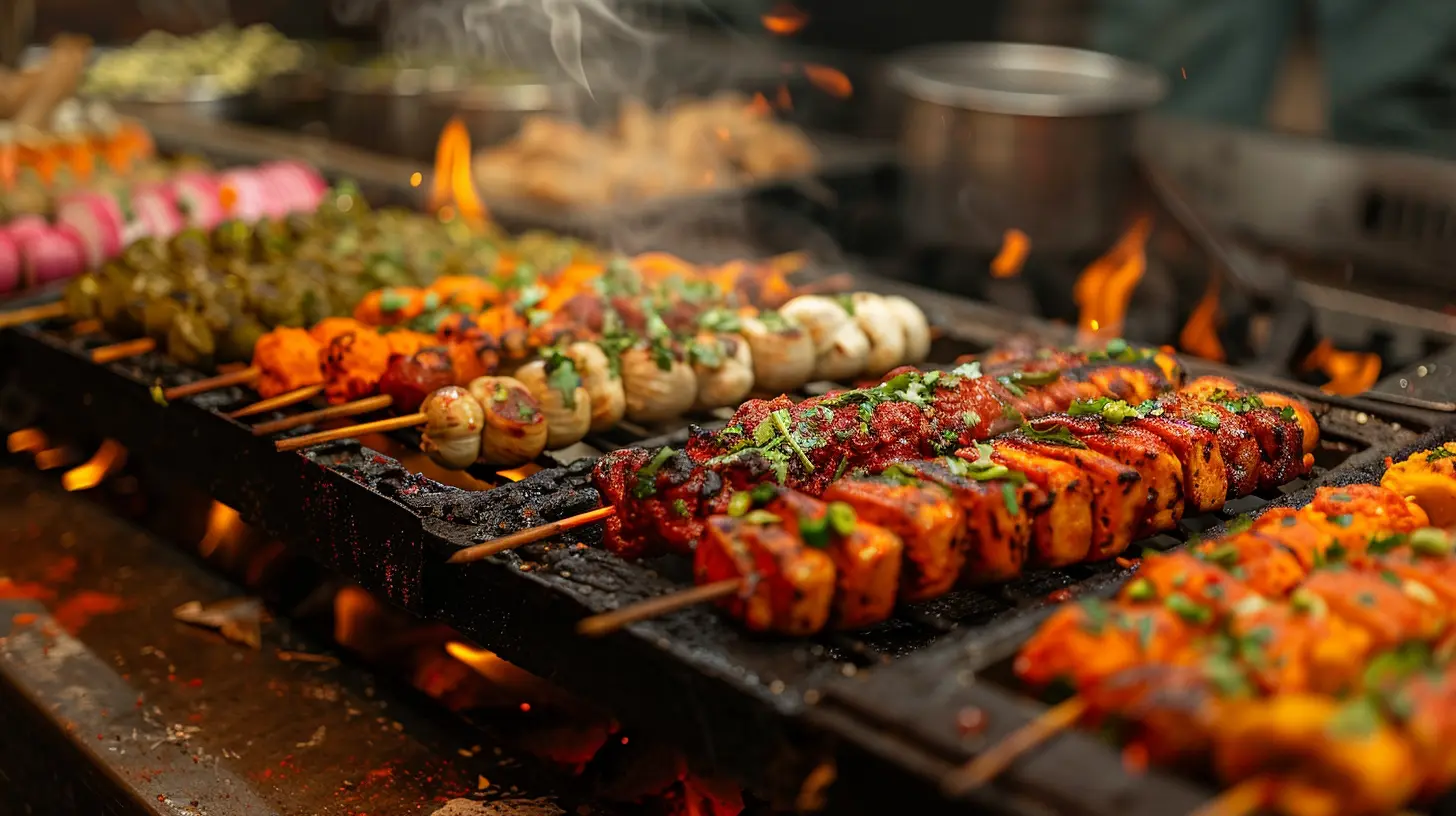
The Heart of Indian Cuisine: Spices
Spices are the backbone of Indian cooking. They don't just add flavor; they bring aroma, color, and even medicinal benefits. India produces some of the world's most famous spices, and each region has its own unique blends and techniques.Must-Have Indian Spices
Here are some essential spices that give Indian food its unmistakable taste:1. Turmeric (Haldi)
Turmeric is the golden spice that adds color and warmth to dishes. It's known for its earthy flavor and incredible health benefits, including anti-inflammatory properties. No Indian curry is complete without a pinch of turmeric.2. Cumin (Jeera)
Cumin seeds are tiny but mighty when it comes to flavor. Whether used whole or ground, cumin gives dishes a smoky, nutty taste. You'll find it sizzling in hot oil at the beginning of countless Indian recipes.3. Cardamom (Elaichi)
This aromatic spice adds a sweet yet slightly spicy note. Green cardamom is often used in desserts and chai, while black cardamom has a deeper, smoky flavor perfect for savory dishes.4. Coriander (Dhaniya)
Coriander seeds and fresh coriander leaves are staples in Indian kitchens. The seeds have a citrusy, slightly sweet taste that enhances curries, chutneys, and marinades.5. Red Chili Powder (Lal Mirch)
Indian food is famous for its spice, and red chili powder plays a big role. From mild Kashmiri chili to fiery varieties, chili powder adds heat and depth to curries and snacks.6. Cloves (Laung)
These tiny buds pack a punch. Cloves have a warm, slightly sweet flavor and are used in both sweet and savory dishes. They’re also known for their medicinal properties, including pain relief.7. Garam Masala
This is the magic mix of Indian cooking—a blend of warm spices like cinnamon, nutmeg, cloves, and black pepper. Every household has its own version, and it’s the finishing touch to countless dishes.Spices are the foundation, but it's the way they’re used that creates the magic of Indian cuisine. The secret lies in tempering (tadka), grinding, and layering flavors to bring each dish to life. 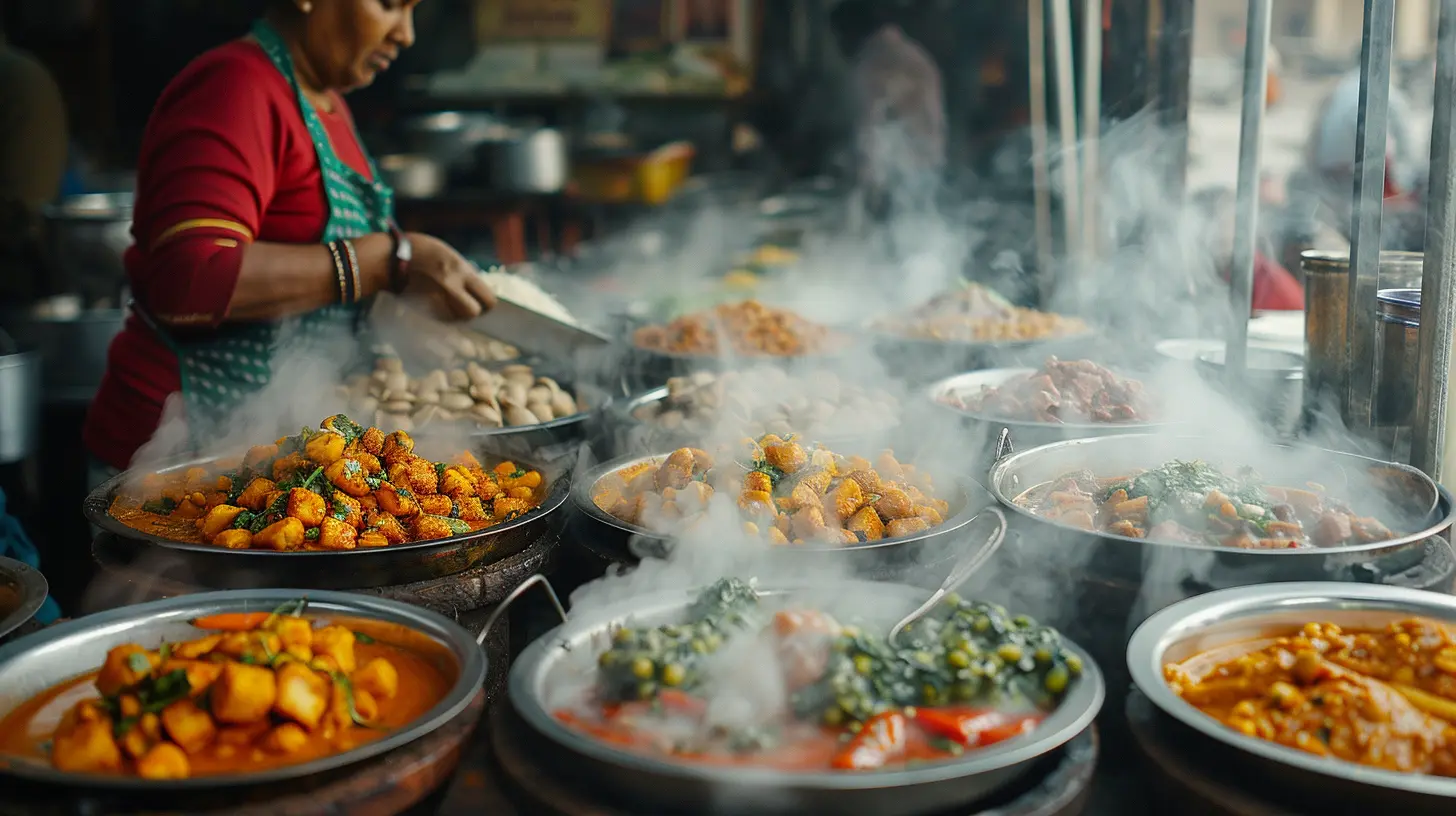
The Streets of India: A Food Lover’s Paradise
If spices are the soul of Indian cooking, street food is its heartbeat. India's bustling streets are lined with vendors serving up quick, delicious, and affordable eats. Whether in Delhi, Mumbai, or Kolkata, street food is an experience every traveler must indulge in.Iconic Indian Street Foods
1. Pani Puri / Golgappa / Puchka
Different regions have different names for this crispy, hollow puri filled with spicy tamarind water, mashed potatoes, and chickpeas. One bite, and the explosion of flavors will make you crave more.2. Vada Pav
Often called Mumbai’s burger, vada pav consists of a deep-fried potato patty stuffed inside a bun and served with chutneys and fried chilies. It’s spicy, messy, and absolutely delicious.3. Pav Bhaji
A buttery, spicy vegetable mash served with toasted pav (bread rolls), pav bhaji is a comfort food favorite. The smell of sizzling bhaji on a hot griddle is enough to make anyone stop and grab a plate.4. Chole Bhature
This North Indian favorite includes fluffy, deep-fried bread (bhature) paired with a flavorful chickpea curry (chole). Served with onions and pickles, it’s a feast you won’t forget.5. Dahi Puri
A cooler, creamier cousin of pani puri, dahi puri is filled with yogurt, chutneys, and crunchy sev (fried gram flour noodles). It's a sweet, tangy, and savory delight in every bite.6. Kathi Rolls
A treat from Kolkata, kathi rolls are flaky parathas wrapped around spicy grilled kebabs, eggs, or paneer. They’re the perfect grab-and-go meal.7. Samosa
These crispy, golden triangles are stuffed with spiced potatoes and peas, then deep-fried to perfection. Paired with tamarind or mint chutney, samosas are a snack-time staple.8. Masala Dosa
A South Indian favorite, masala dosa is a crispy, paper-thin crepe filled with a spicy potato mixture and served with coconut chutney and sambar. It's light, yet filling.9. Jalebi
Ending on a sweet note, jalebi is a deep-fried spiral soaked in sugary syrup. Crispy on the outside, gooey on the inside—it's the perfect dessert to satisfy your sweet tooth.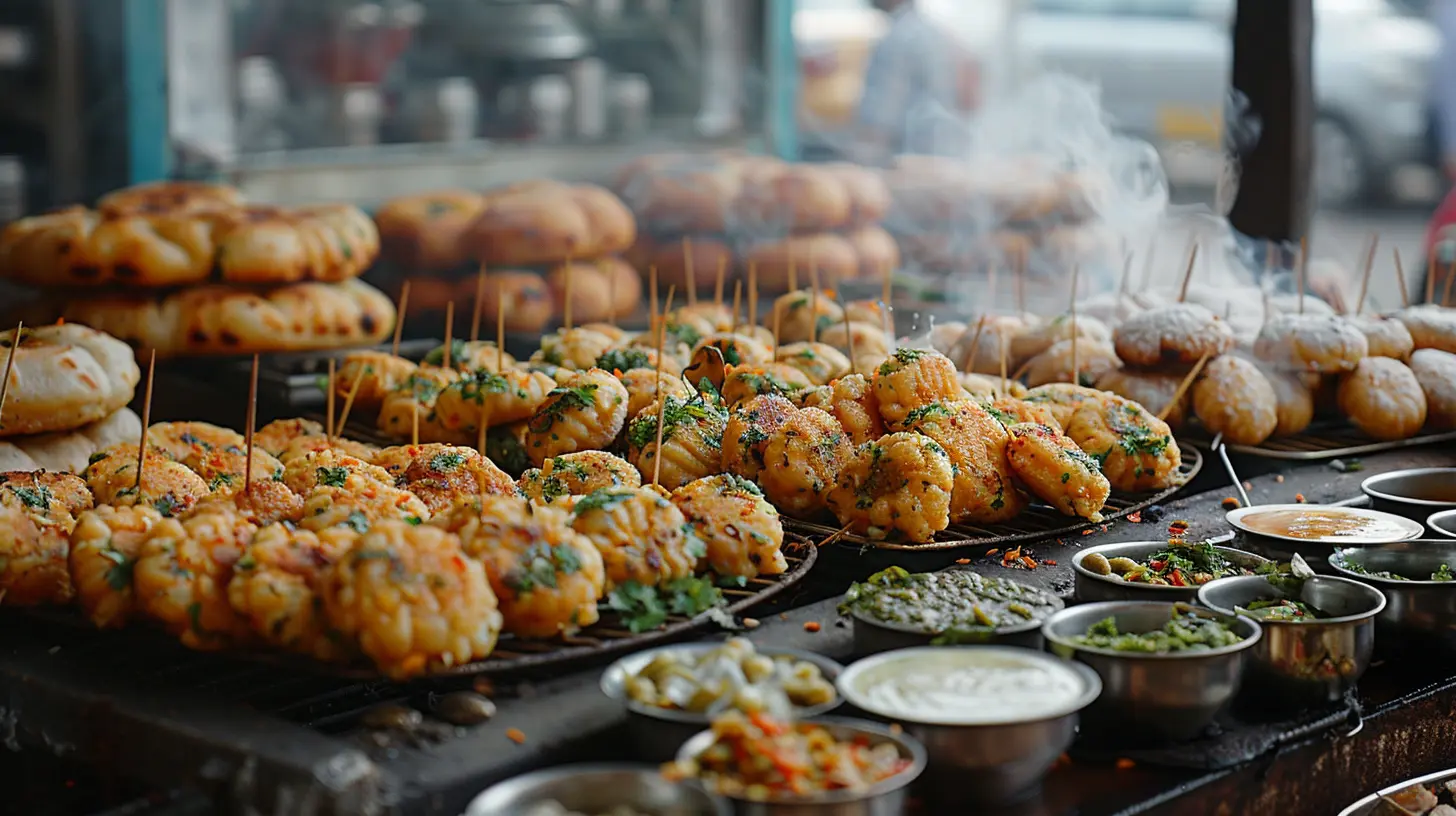
The Magic of Indian Chai
No discussion about Indian flavors is complete without chai. More than just tea, chai is a ritual, a daily dose of warmth and comfort. Whether in the streets of Mumbai or the hills of Darjeeling, a cup of masala chai—brewed with spices like cardamom, ginger, and cinnamon—is an essential part of Indian life.Pair your chai with a crunchy biscuit or a plate of pakoras, and you’ve got the perfect Indian snack experience. 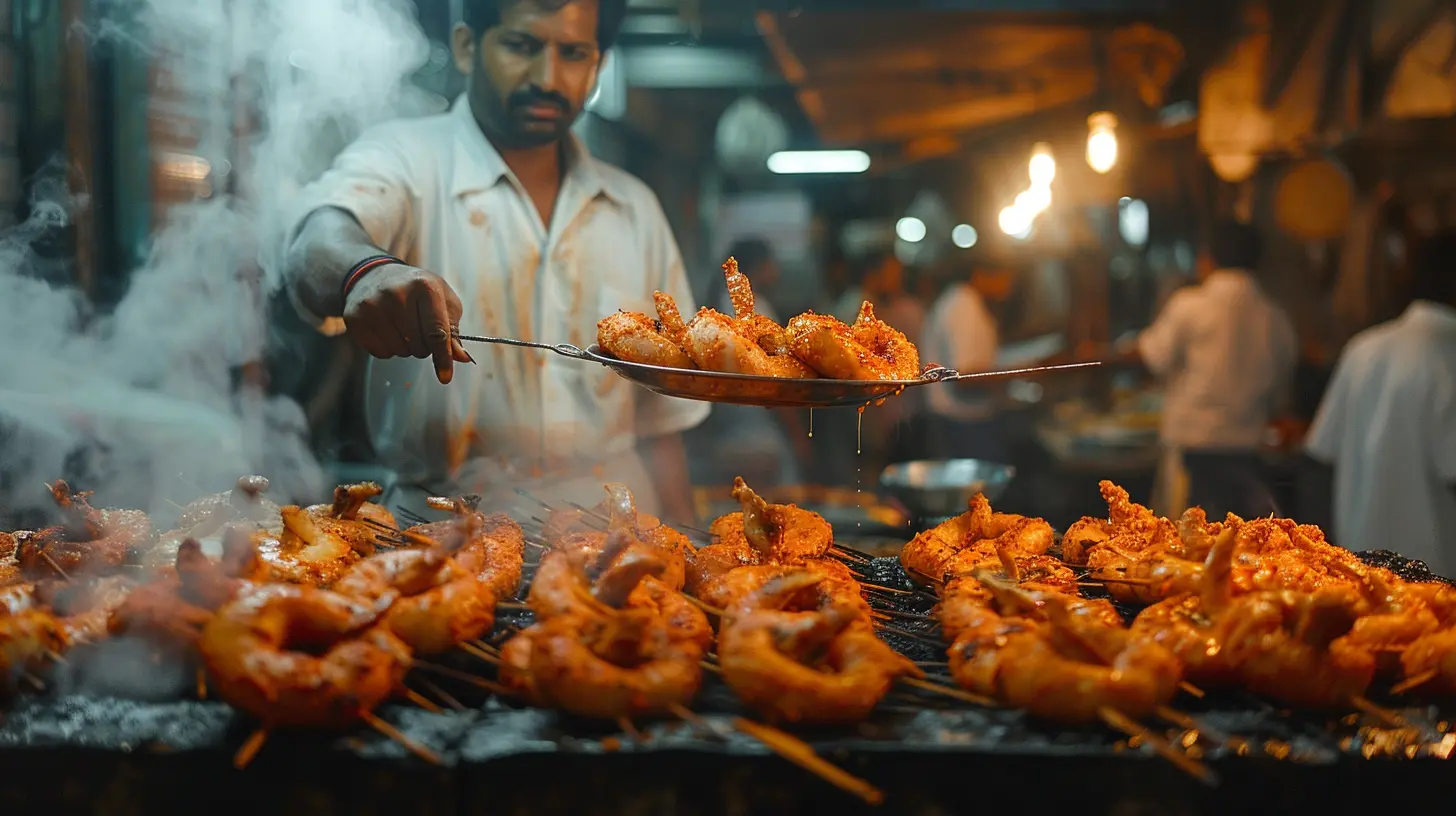
Why Indian Food Stands Out
So, what makes Indian food so special? It’s the balance of flavors—sweet, spicy, tangy, and savory—all coming together in a single bite. It’s centuries of tradition passed down from generation to generation. It’s the vibrant spices that not only taste amazing but also offer numerous health benefits.Whether you’re wandering through the spice markets of Jaipur or sampling street food in Old Delhi, every dish in India has a story to tell. Each bite is an adventure, a celebration of flavors that lingers in your memory long after the meal is over.
Final Thoughts
India’s culinary landscape is as rich and diverse as its culture. The blend of fragrant spices and tantalizing street food makes for a gastronomic journey unlike any other. Whether you're a foodie or just someone who loves a good meal, India’s flavors are guaranteed to leave an impression.So next time you take a bite of a spicy samosa, sip on a cup of masala chai, or enjoy a plate of sizzling pav bhaji, remember—you’re not just eating food; you’re experiencing a vibrant legacy of flavors.
all images in this post were generated using AI tools
Category:
Foodie TravelAuthor:

Ian Powell
Discussion
rate this article
2 comments
Nolan Porter
Forget diamonds; spices are a foodie’s best friend! Just remember: the hotter the curry, the more ice cream you’ll need!
April 27, 2026 at 4:22 AM
Ford Jackson
What a delightful read! India’s vibrant spices and street food truly bring the culture to life. Can’t wait to dive into those flavors during my next trip!
April 7, 2026 at 4:28 AM
Ian Powell
Thank you! I'm glad you enjoyed it. The flavors of India are truly unforgettable. Enjoy your upcoming trip!