Remote Travel Trends Shaping Your Adventure Plans for 2027
16 April 2026
Remember that feeling of truly getting away from it all? The profound silence of a place untouched by the familiar buzz of daily life? As we look toward 2027, the very definition of "adventure travel" is undergoing a quiet but powerful revolution. It’s no longer just about ticking off famous landmarks; it’s about depth over distance, connection over checklist, and finding a sense of self in the world’s quietest corners. The future of remote travel is being shaped by a blend of technology, a renewed environmental consciousness, and a deep, human craving for meaning. So, let’s unpack the trends that will define your off-the-grid adventures in 2027. Buckle up—or rather, lace up your boots and power down your phone—we’re going in.
The Rise of the "Digital Detox Pilgrimage"
We’re all tangled in a web of notifications, aren’t we? Our thumbs scroll on autopilot. By 2027, the backlash will be in full swing, transforming remote travel from a simple holiday into a intentional pilgrimage for our attention.Intentional Disconnection as a Luxury
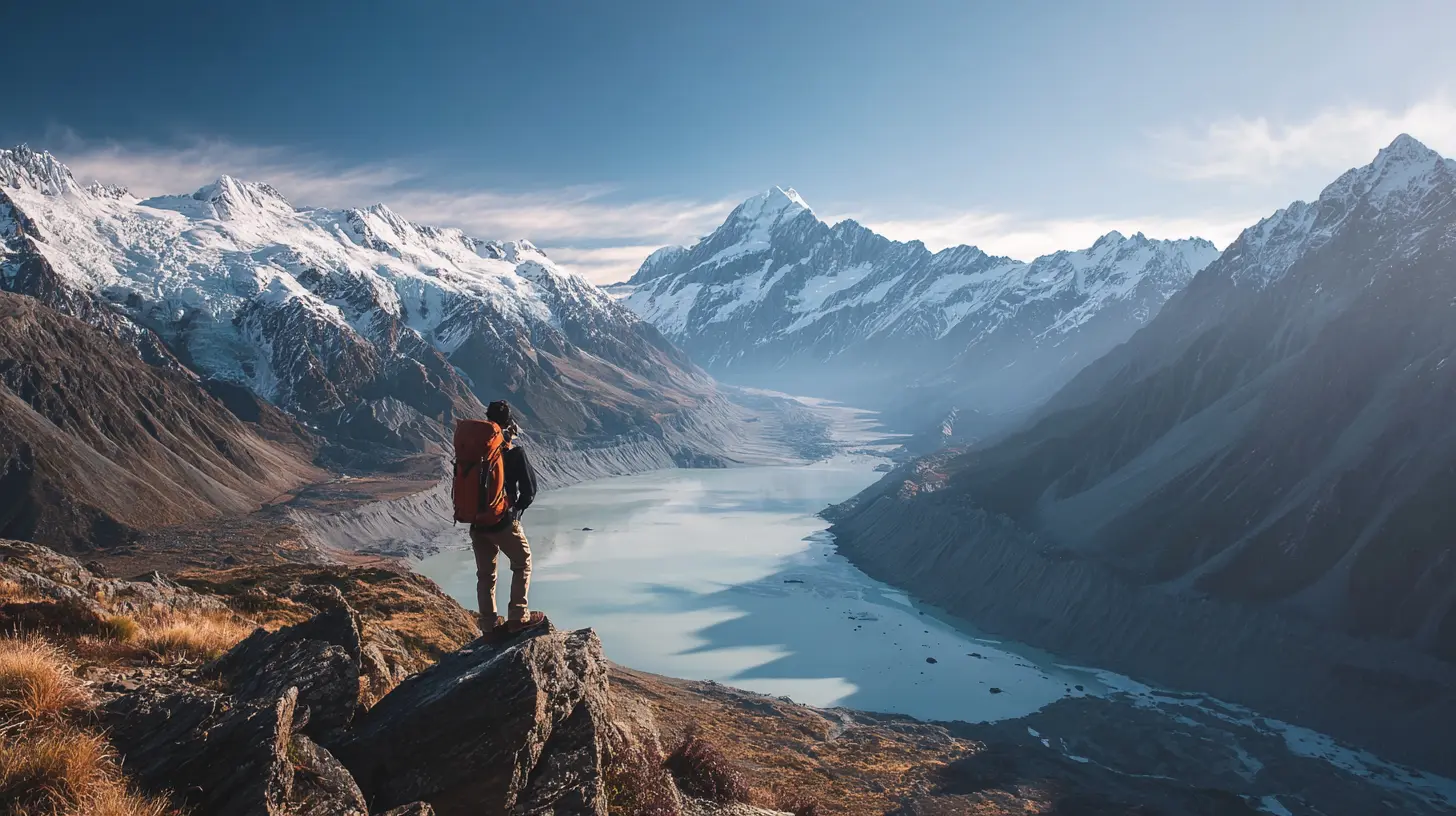
Forget just "no service." We’re talking about curated experiences where surrendering your devices at the start is part of the ritual. Imagine lodges built around central, shared communication hubs—a single satellite phone for emergencies, freeing you for a week of uninterrupted presence. The luxury won’t be a gold-plated faucet; it will be the luxury of uninterrupted thought, of watching a sunset without the instinct to frame it for Instagram. Travel operators will offer "cognitive offloading" itineraries, guiding you through landscapes that demand your full sensory engagement, from tracking wildlife on foot to navigating by stars. This isn’t about being primitive; it’s about being present. The most sought-after souvenir? A recalibrated mind.The Slow Journey is the Destination
Speed is becoming obsolete in this trend. Why helicopter into a remote valley when you can sail, trek, or horseback ride your way there over days? The journey itself becomes a meditative process of acclimatization—to the environment, to a slower pace, to your own company. Think multi-day sail journeys to uninhabited Atlantic islands, or following ancient nomadic trails on horseback across Central Asian steppes. The goal is arrival, but the transformation happens en route. You’ll trade the frantic "I need to see everything" for the profound "I am experiencing this one thing completely."
Hyper-Local & Regenerative Immersion
"Take only pictures, leave only footprints" is evolving. The 2027 mantra is "Leave a positive footprint." Travelers are moving beyond sustainable tourism (which aims to do no harm) toward regenerative tourism—actively leaving a place better than they found it.Living With, Not Just Passing Through
This means trips designed around the lifecycle of a community or ecosystem. Your adventure might be timed with a local reforestation project in the Peruvian Amazon, where you spend mornings planting trees alongside community members and afternoons learning about the jungle’s ecology from them. You’re not a spectator; you’re a temporary participant. Accommodation will likely be community-owned lodges or homestays, where your spending circulates within that local economy like a lifeblood. The stories you bring home won’t just be about what you saw, but about the clay pot you helped fire, the seaweed you helped farm, or the wildlife corridor you helped document.Knowledge as Currency
In 2027, the most valuable thing you can exchange isn’t just money, but genuine curiosity. Trips will be structured as knowledge-sharing exchanges. Perhaps you’re a web developer spending a week in a remote Scottish village, offering tips on digital storytelling to local guides in exchange for deep dives into Gaelic history and foraging wisdom. This creates a two-way street of respect and value, dissolving the old tourist/local dynamic. It turns a vacation into a collaboration.
The "Off-Grid Grid": Tech-Enabled Untethering
Here’s the beautiful paradox: technology will be the very thing that allows us to disconnect more safely and deeply. It’s not about bringing the connected world with you, but about using tech as an invisible safety net and enhancement tool.Invisible Infrastructure
By 2027, lightweight, satellite-based tech will be seamlessly woven into remote adventures. Think of a guide carrying a compact device that monitors weather patterns and potential wildlife movements in real-time, ensuring both safety and magical encounters. You might use a solar-powered, offline-capable tablet pre-loaded with interactive maps of the area’s geology and folklore, activating augmented reality markers when you point it at a mountain pass. The tech doesn’t distract; it deepens the context. It’s like having a wise, silent companion who whispers secrets about the land only when you ask.Personal Biomonitoring & Eco-Feedback
Wearables will evolve beyond step-counters. Imagine a bracelet that gently monitors your hydration, altitude acclimation, and even stress levels, offering subtle, haptic nudges to drink water or pause and breathe—all syncing to a base unit without needing a cell tower. Furthermore, you might carry a small, portable sensor that measures your micro-impact: checking the pH of a stream you’re crossing or the soil compaction where you pitch your tent. This hyper-awareness turns every traveler into a citizen scientist and a guardian, making environmental stewardship a personal, data-informed practice.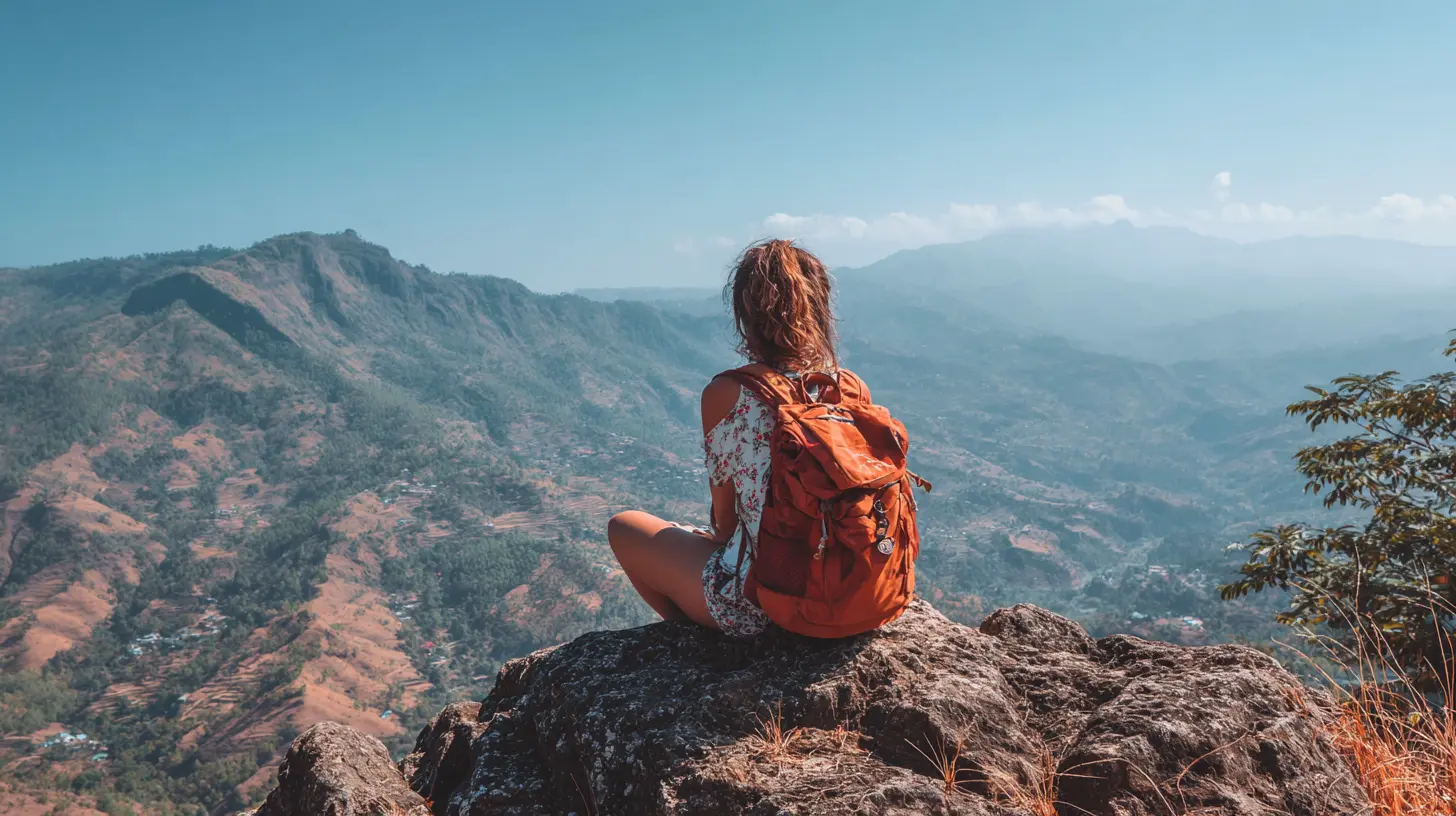
The Quest for "Last-Chance" Phenomena & Climate Consciousness
A somber but driving trend will be the thoughtful, ethical witnessing of ecosystems and phenomena under threat from climate change. This isn’t disaster tourism; it’s pilgrimage with a purpose.Witnessing with Purpose
Travelers in 2027 will seek experiences that couple awe with education and advocacy. This could mean joining a research-led expedition to walk on the diminishing ice of a specific glacier in Svalbard, collecting snow samples while learning its millennia-old story. Or kayaking through a vulnerable mangrove forest with marine biologists who explain its critical role as a carbon sink. The trip includes a post-travel component—a link to the ongoing work, a way to advocate or contribute. You go to see, to understand, and to become an ambassador for that place. The adventure is laced with a profound sense of urgency and privilege.Adaptive & "Climate-Conscious" Itineraries
The savvy remote traveler of 2027 will be highly adaptable, planning trips around climate windows rather than rigid calendars. Operators will offer "flexible date" bookings for chasing the Northern Lights or seeing a rare bloom in a desert, based on predictive models. Adventures will also pivot to highlight nature’s resilience—visiting re-wilded areas, regenerative farms in remote locations, or communities leading adaptation efforts. You’ll see not just fragility, but also innovation and hope.The Evolution of Solitude: Micro-Groups & Solo-Collectives
The post-pandemic world reshaped our social batteries. By 2027, remote travel will perfectly cater to this, offering nuanced social structures.The Curated Micro-Group
The era of the 20-person tour bus rumbling down a remote dirt road is fading. The new model is the intentionally tiny group of 4-6 like-minded strangers, assembled through detailed preference matching. These aren’t just random tourists; they’re a temporary collective united by a specific interest—astro-photography, botanical illustration, mindfulness. The shared passion becomes the social glue, allowing for deep, meaningful connections without the crowd noise. It’s the difference between a loud party and an intimate dinner party with fascinating guests.The Solo-Collective Experience
For those craving solo travel but wary of true isolation, a new model emerges: the solo-collective. Imagine a remote eco-lodge where 10 solo travelers arrive independently. The infrastructure facilitates optional togetherness—a shared evening meal, a communal workshop space—but respects absolute solitude. You have the safety net of a loose community and the freedom to engage or retreat entirely on your own terms. Your adventure is yours alone, but you’re not alone in the wilderness. It’s the ultimate balance of independence and incidental camaraderie.So, what does this all mean for you, dreaming of 2027? It means your adventure plans will be more intentional, more immersive, and more impactful than ever before. You’ll use technology not to escape from reality, but to plunge more deeply into it. You’ll seek stories not just to tell, but to be part of. The remote corners of our planet are calling, not just as destinations, but as partners in a new kind of journey—one that changes the place you visit and, more importantly, changes you. The map for 2027 isn’t just about where you can go; it’s about who you can become when you get there. Are you ready to redraw your boundaries?
all images in this post were generated using AI tools
Category:
Remote DestinationsAuthor:

Ian Powell
Discussion
rate this article
1 comments
Freya Vasquez
Forget flights! In 2027, we’ll be teleporting to remote paradises. Pack your bags—or just your imagination! But don’t worry, Wi-Fi will still be spotty. Adventure awaits, hopefully with snacks!
April 17, 2026 at 5:03 AM
Ian Powell
Absolutely! Teleportation sounds like an exciting future for travel, but let's not forget the charm of the journey—snacks included!