Exploring Local Architecture with a Community Historian
9 June 2026
Have you ever wandered through an old neighborhood and wondered about the stories hidden behind its buildings? Each brick, archway, and window tells a tale—if only we knew how to listen. That’s where a community historian comes in. Their passion and knowledge can turn an ordinary walk into a journey through time, revealing the secrets of local architecture.
In this article, we’ll dive into the magic of exploring local architecture with a community historian by your side. From understanding design influences to uncovering forgotten histories, this experience is one of the best ways to connect with a place on a deeper level.

Why Architecture Tells the Story of a Place
Architecture isn’t just about buildings—it’s about history, culture, and identity. Every city, town, and village has its own personality reflected in its structures. From grand cathedrals to humble cottages, architecture captures the evolution of a community through the ages.Think about your own neighborhood. Do you ever notice the mix of old and new buildings? That modern coffee shop might sit inside a 19th-century brick building, or that sleek apartment complex could have replaced a once-bustling factory. These details aren’t just coincidences—they’re pieces of a much larger story waiting to be told.
The Role of a Community Historian
A community historian is like a time traveler in disguise. They don’t just know the facts—they breathe life into them. Their expertise allows them to connect architectural styles with historical events, local traditions, and even personal stories from past residents.What makes their perspective so special? Unlike textbooks that focus on broad historical narratives, a community historian shares firsthand knowledge about the local area. They may have gathered stories from elderly residents, studied old maps, or even discovered hidden treasures inside long-forgotten buildings.
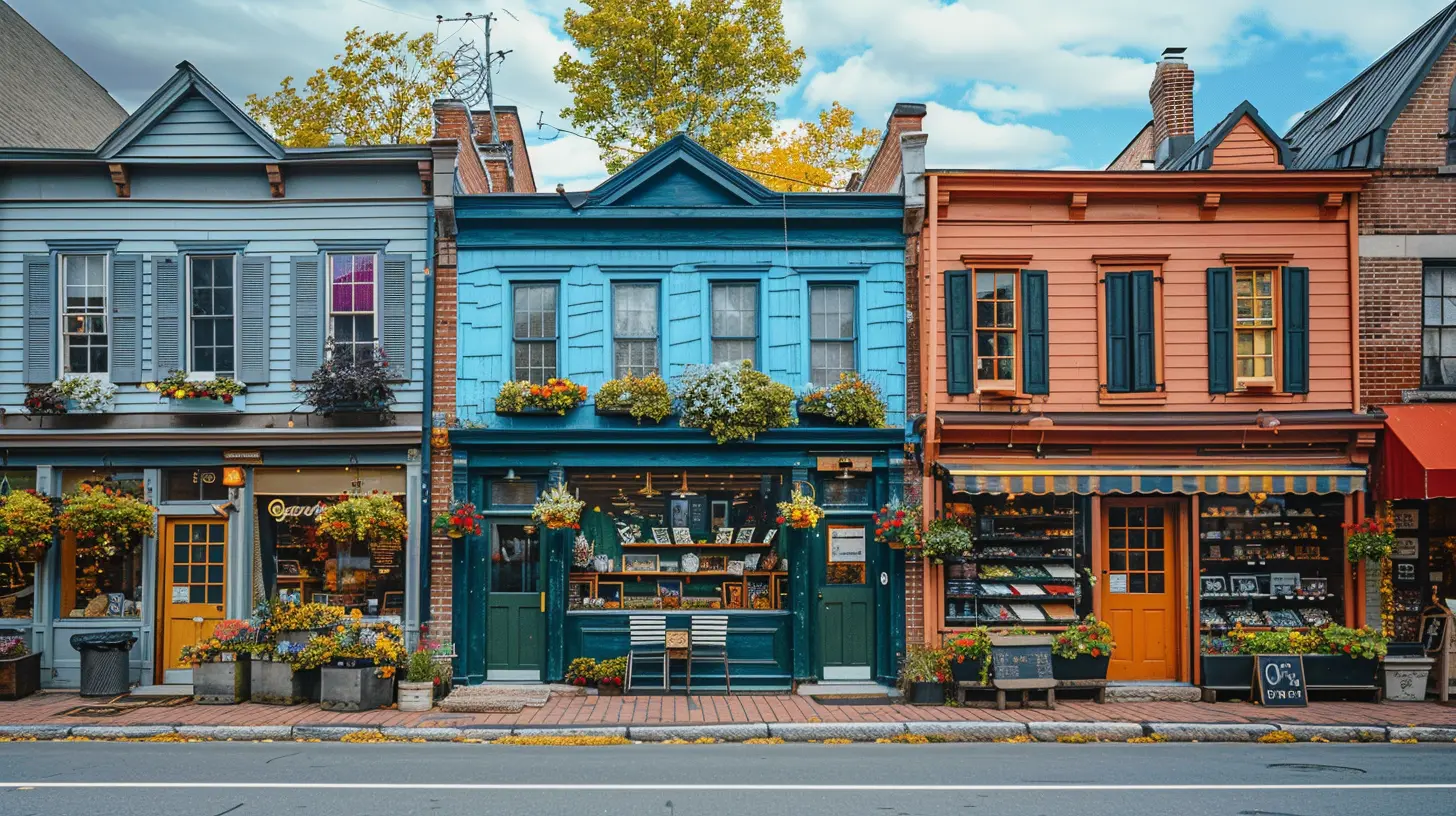
What You’ll Discover on an Architectural Tour
Joining a community historian for an architectural tour isn’t just a walk—it’s an experience. Each stop along the way offers a new piece of the puzzle, helping you see your surroundings in a whole new light.1. The Hidden Symbolism in Buildings
Architects often include small details that hold great significance. That decorative carving above a door? It might represent the family crest of the original homeowner. The intricate ironwork on a balcony? A sign of a particular time period’s artistic influences.With a historian’s keen eye, you’ll start to notice these hidden gems everywhere. Suddenly, what seemed like just another row of buildings turns into a gallery of history, each detail whispering forgotten stories.
2. The Evolution of Architectural Styles
No area stays the same forever. Over time, different architectural styles emerge based on cultural movements, economic shifts, and even natural disasters.Your guide might point out a transition from Victorian homes to mid-century modern buildings, explaining how industrialization, new materials, or changing societal norms influenced these shifts. You’ll also learn how certain buildings have adapted over time—an old church turned into a bookstore, or a former warehouse now home to trendy loft apartments.
3. Forgotten Tales and Local Legends
Some buildings hold more than just bricks and mortar—they hold memories. A historic theater might have hosted famous performers in its heyday before falling into disrepair. An abandoned mansion could be tied to a mysterious disappearance or an unsolved crime.Community historians gather these stories through interviews, documents, and personal experiences. They might even share ghost stories or urban legends tied to significant landmarks, making the tour even more captivating.
4. The Impact of Social and Economic Changes
Architecture often reflects the economic highs and lows of a place. A boom period might have led to grand structures with elaborate designs, while difficult times forced communities to build smaller, more practical homes.A historian can explain how wars, political changes, or industrial growth shaped the buildings around you. For example, they might highlight old textile mills that fueled the local economy or discuss how Prohibition-era speakeasies influenced hidden basement designs.
5. The Struggle to Preserve Historic Buildings
Not every historic building survives the test of time. Some fall victim to neglect, while others are demolished in the name of progress. Preservation efforts often lead to passionate debates—should an old factory be torn down for a parking lot, or should it be repurposed into an arts center?A community historian often plays a key role in these conversations. As they guide you through the streets, they might point out buildings that were rescued from destruction or share stories of those that were lost forever.

How to Make the Most of Your Architectural Tour
If you’re planning to explore local architecture with a historian, here are a few tips to enhance your experience:1. Come with an Open Mind
Some buildings may not seem impressive at first, but history often hides in the most unexpected places. Let your historian take the lead, and don’t be afraid to ask questions!2. Take Notes and Photos
You’ll likely hear so many interesting facts that it’s easy to forget them later. Bring a notebook or take pictures to help you remember key details.3. Look Up and Around
Many architectural details are hidden in plain sight. Rooflines, cornices, and doorways often hold fascinating design elements you might otherwise overlook.4. Chat with Locals
Sometimes, the best stories come from people who have lived in the area for decades. Don’t hesitate to ask shop owners, residents, or even other tour participants if they have any personal memories about the buildings around you.5. Research More After the Tour
If you find yourself captivated by a particular building or era, dig deeper. Visit the local historical society, check out old newspapers, or even track down books about the area’s architectural past.
Why This Experience is Worth It
Exploring local architecture with a community historian is more than just a history lesson—it’s a way to see the world differently. After taking one of these tours, you’ll never walk through a city the same way again. Instead of just passing buildings, you’ll start recognizing their stories, appreciating their craftsmanship, and understanding their role in shaping the community.It’s like unlocking a secret language that’s been all around you this whole time. And once you start seeing it, you’ll never unsee it.
So next time you find yourself in a historic district or an old neighborhood, consider joining a community historian for a tour. Who knows what fascinating tales are waiting to be uncovered?
all images in this post were generated using AI tools
Category:
Local ExperiencesAuthor:

Ian Powell
Discussion
rate this article
1 comments
Elidi Barker
This article beautifully captures the essence of local architecture through the eyes of a community historian. It highlights how historical insights enrich our appreciation of buildings we often overlook. A must-read for anyone interested in connecting with their surroundings and understanding the stories that shape their community.
July 2, 2026 at 2:50 AM