Epic Landscapes: UNESCO’s Natural Wonders
19 June 2026
Are you ready to embark on a virtual journey across some of the most jaw-dropping, awe-inspiring places on Earth? We're talking about landscapes so extraordinary they’ve earned the coveted UNESCO Natural World Heritage status. These places are nature’s masterpieces – think of them as the Mona Lisas of the natural world, only bigger, bolder, and bursting at the seams with untamed beauty. So, pack your imagination and let’s take a deep dive into these epic landscapes that make our planet so enchanting!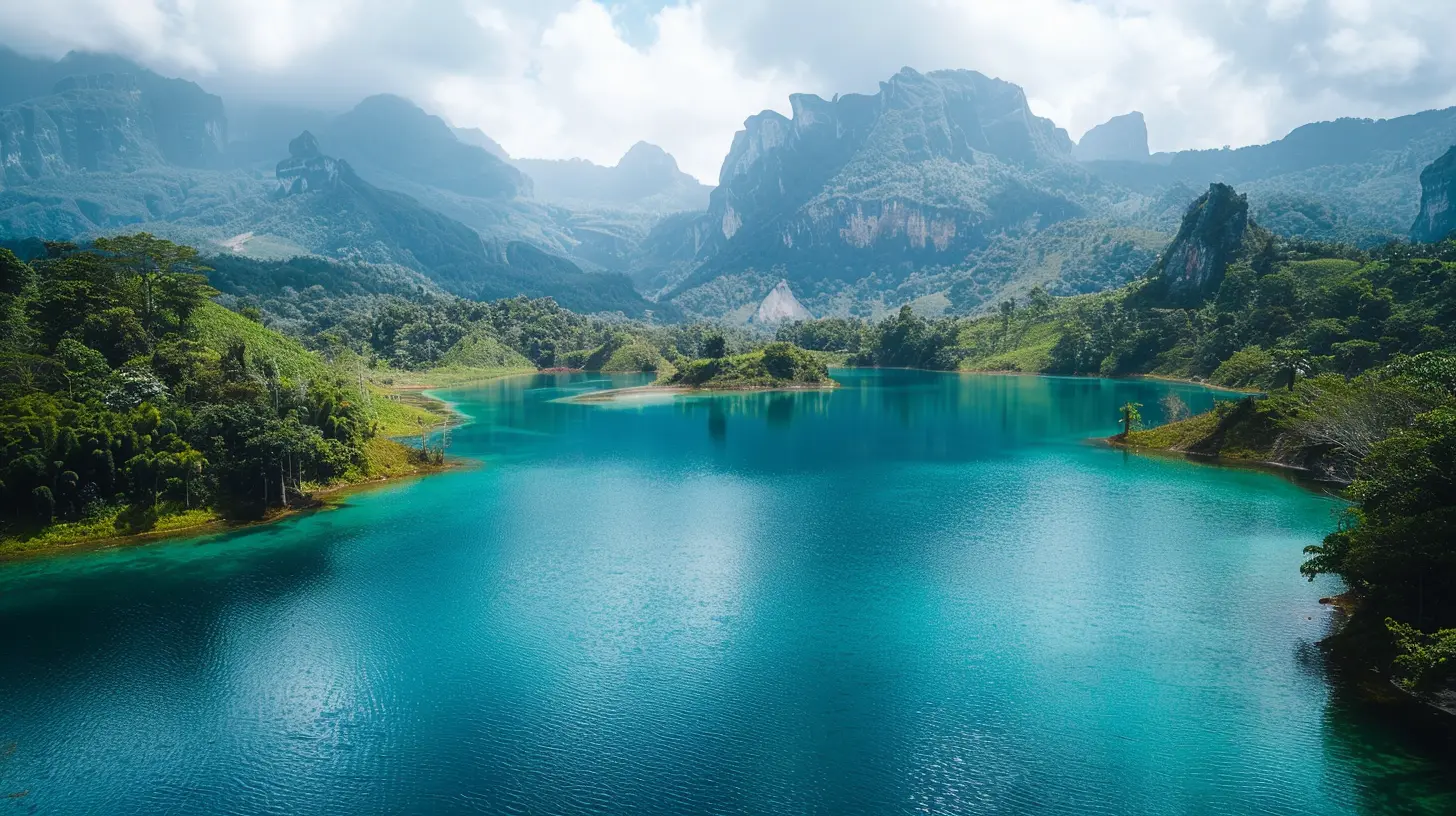
What Makes UNESCO’s Natural Wonders So Special?
First things first, what’s all the fuss about? You’ve probably heard the phrase "UNESCO World Heritage Site," but what does it mean, especially when it comes to nature? Well, these natural wonders are chosen for their outstanding universal value – basically, they’re the crème de la crème of Earth's landscapes.These sites are the kind of places that make you stop in your tracks, widen your eyes, and go, “Wow, nature really outdid itself here.” Whether it’s their geological significance, biodiversity, or sheer aesthetic beauty, these wonders stand out as irreplaceable treasures of humanity.
So, with that cleared up, let’s take off on this global tour, shall we? 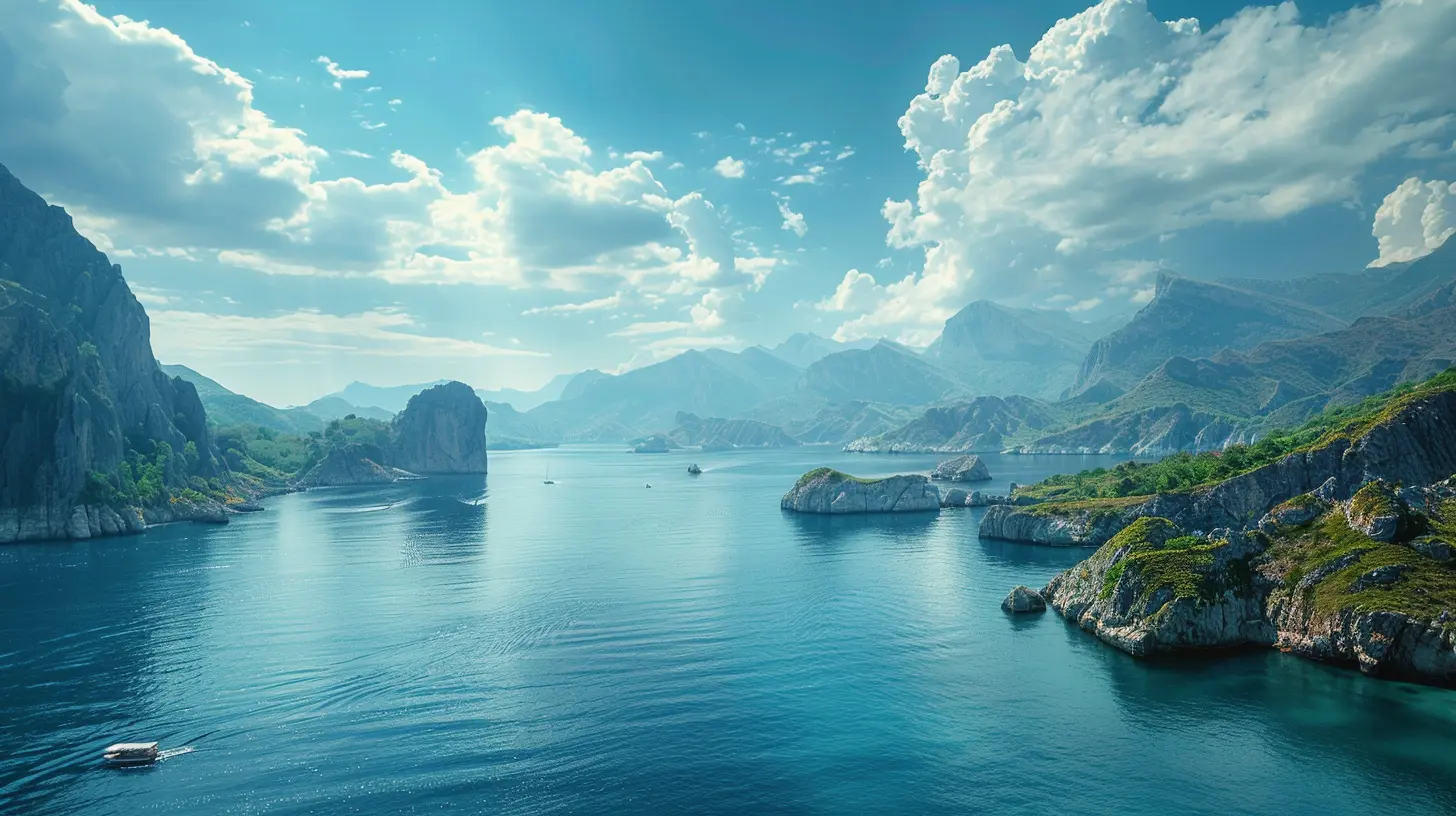
1. Amazon Rainforest and River (South America)
Imagine stepping into a living, breathing cathedral of green, where every inch buzzes with life. That’s what the Amazon feels like. It’s not just the largest rainforest in the world; it’s straight-up nature’s powerhouse. Stretching across nine countries, this tropical haven is home to over 10% of the planet's species.From the loud howls of monkeys echoing through the dense canopy to the silent glide of a jaguar along the riverbank, the Amazon is pure magic. And let’s not forget the Amazon River, a snake of water so massive it carries more water than the next seven largest rivers combined.
Feeling small yet? You should. Nature’s got this way of putting things into perspective, and the Amazon does it like no other. 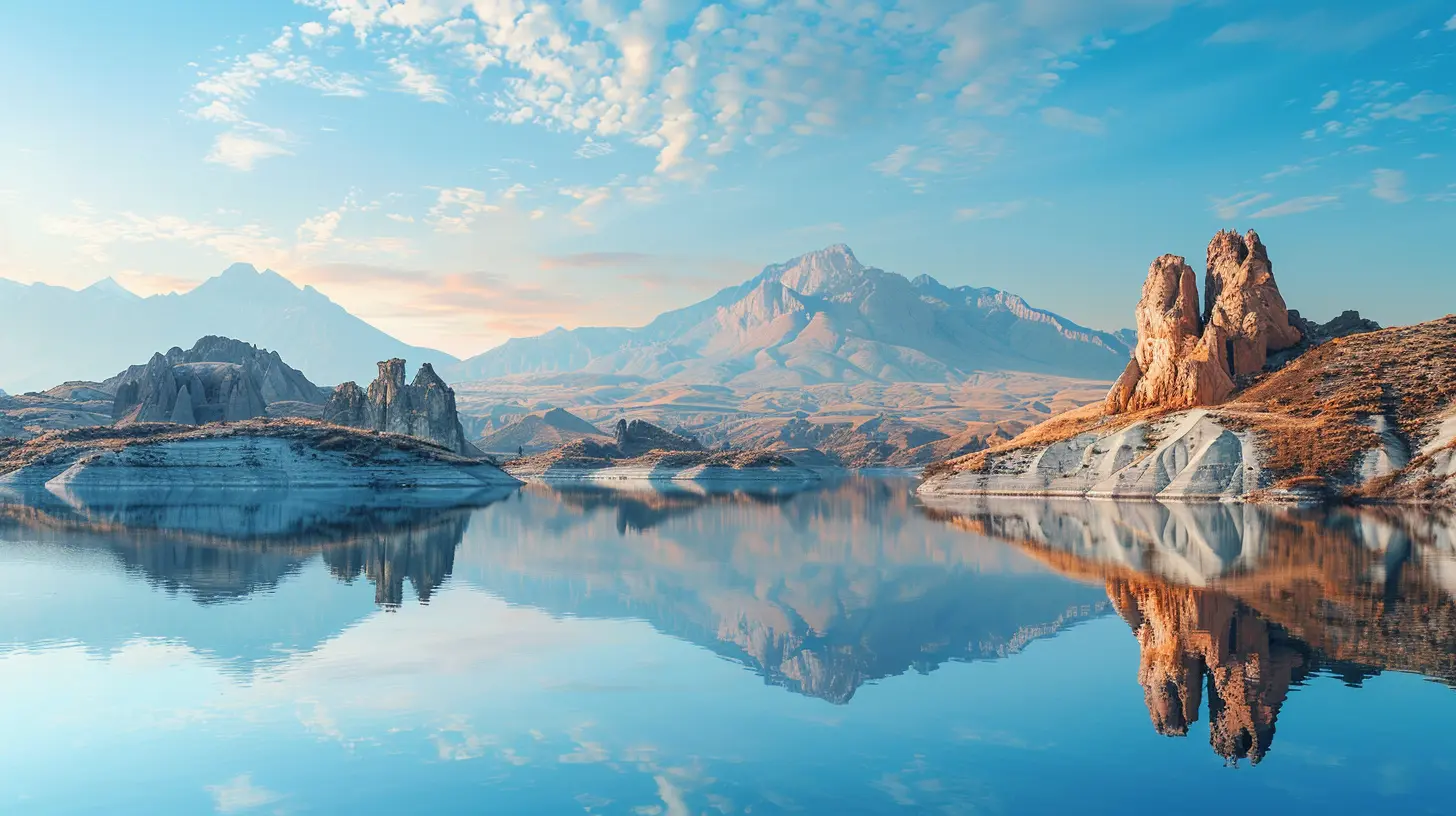
2. Grand Canyon National Park (United States)
You’ve seen the photos – endless layers of rock painted in shades of red, orange, and gold. But trust me, nothing compares to standing on the edge of the Grand Canyon and staring into its sheer vastness.Carved by the Colorado River over millions of years, this geological marvel is a time machine. Each layer of rock tells a story of Earth’s ancient history, and it’s hard not to feel humbled by the sheer age of this place.
Oh, and did I mention sunsets here? They’re like nature’s fireworks display, with colors that seem too vivid to be real. 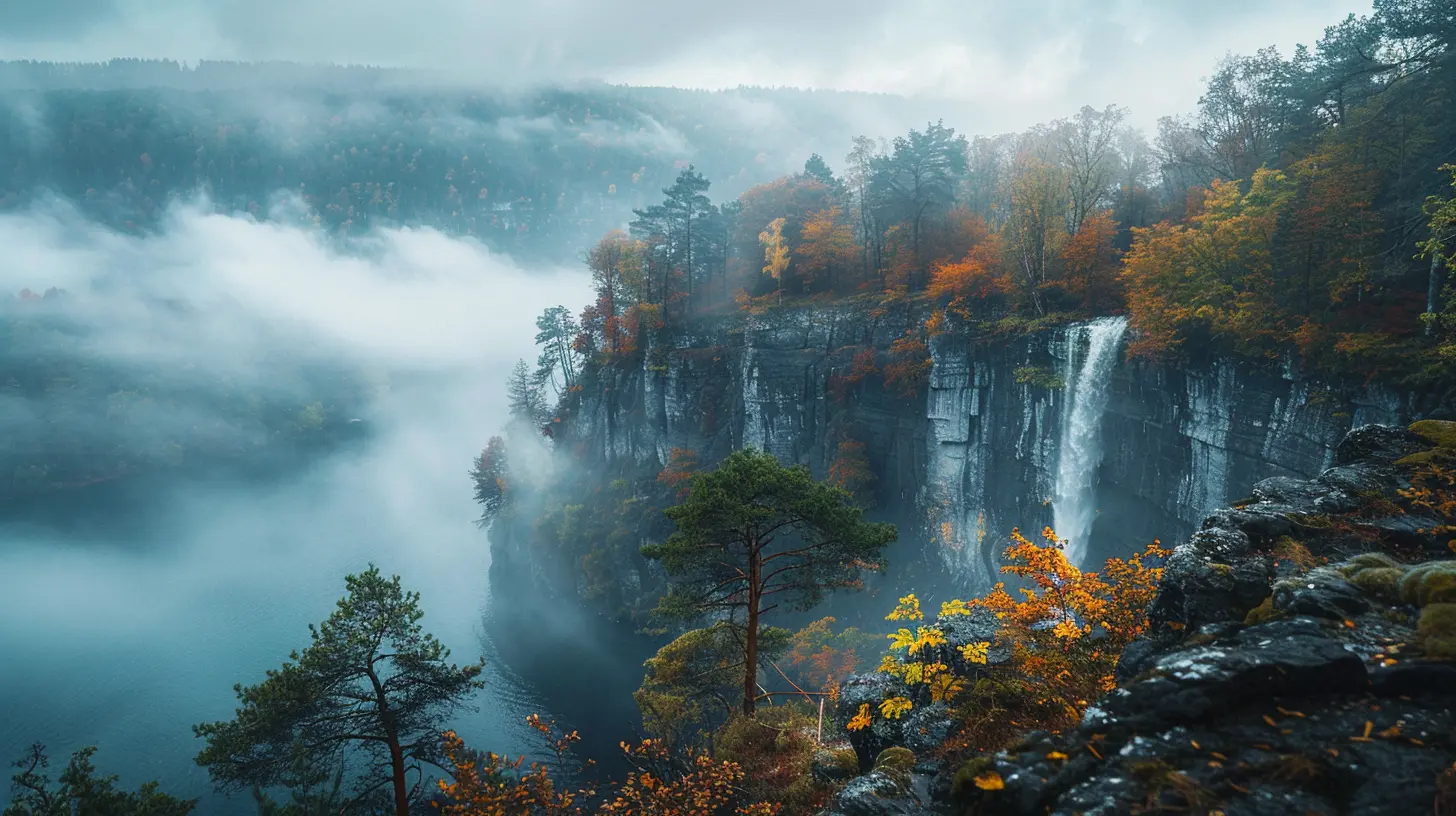
3. Great Barrier Reef (Australia)
Let’s dive into this one – literally! The Great Barrier Reef isn’t just a UNESCO site; it’s the largest coral reef system in the world and a diver’s dream come true. Stretching for over 1,400 miles along the Australian coastline, it’s a vibrant underwater city bustling with marine life.Think of it this way: if marine biology were a Broadway show, the Great Barrier Reef would be the headliner. From rainbow-colored corals to playful clownfish (yes, like Nemo!), this is where the ocean truly comes alive.
And even if diving’s not your thing, glass-bottom boats and snorkeling give you a front-row seat to this underwater paradise.
4. Mount Everest and Sagarmatha National Park (Nepal)
Okay, we can’t talk about epic landscapes without mentioning the literal rooftop of the world – Mount Everest. Nestled within Nepal's Sagarmatha National Park, this UNESCO site is as majestic as it gets.Everest isn’t just a mountain; it’s a symbol of human ambition and resilience. People flock here from all corners of the globe to catch a glimpse of its snow-capped peak piercing through the clouds.
But the park isn't just about Everest. It’s also home to lush forests, glacial rivers, and wildlife like the elusive snow leopard. Talk about a double whammy of natural beauty!
5. Galápagos Islands (Ecuador)
If there’s one place where you actually feel like you’ve stepped into a nature documentary, it’s the Galápagos Islands. This remote archipelago is where Darwin’s theory of evolution was born, and honestly, it’s not hard to see why.The islands are brimming with unique species you won’t find anywhere else in the world. Blue-footed boobies, giant tortoises, and marine iguanas? Yep, they’re all here.
What’s even cooler? The animals here are so unafraid of humans that you can walk right up to them (respectfully, of course). It’s like a real-life Hogwarts – minus the wands and spells.
6. Victoria Falls (Zimbabwe/Zambia)
If there’s a spot where Mother Nature really flexes her muscles, it’s Victoria Falls. Known locally as "The Smoke That Thunders," this waterfall is a force to be reckoned with.As the Zambezi River plunges over 350 feet into the gorge below, it creates a mist so thick you can feel it on your skin from miles away. Oh, and the roar? It’s like nature’s drumroll, building the suspense before you catch your first glimpse of this majestic cascade.
Fun fact: During a full moon, you might even catch a "moonbow" – a rainbow created by the moonlight reflecting off the mist. How cool is that?
7. Yellowstone National Park (United States)
If the Earth had a birthday cake, Yellowstone would be the candles – because this place is literally bursting with geothermal activity. Home to geysers, hot springs, and bubbling mud pots, Yellowstone feels like stepping onto another planet.Old Faithful, the park’s iconic geyser, erupts like clockwork, shooting water up to 180 feet into the air. And then there’s the Grand Prismatic Spring – a kaleidoscope of colors that looks like it was plucked straight from an artist’s palette.
But it’s not just about the geothermal wonders. Grizzly bears, bison, and wolves roam these lands, adding to Yellowstone's untamed charm.
8. Serengeti National Park (Tanzania)
Picture this: golden savannas stretching as far as the eye can see, dotted with acacia trees and teeming with wildlife. Welcome to the Serengeti, Africa’s most iconic safari destination.This UNESCO site is famous for the Great Migration, where over a million wildebeest trek across the plains in search of greener pastures. It’s like nature’s version of rush hour, only way more impressive (and without the honking).
From lions lazing in the sun to elephants trumpeting their way through the grasslands, the Serengeti is a true spectacle of life in its rawest form.
Why These Places Matter
Let’s be real: the world’s natural wonders aren’t just pretty backdrops for our Instagram feeds. They’re vital to our survival. These places purify our air, filter our water, and provide habitats for countless species.But here’s the kicker – many of these wonders are under threat from climate change, deforestation, and human activity. Protecting them isn’t just about saving beautiful landscapes; it’s about preserving the very systems that keep our planet ticking.
Ready to Explore?
So, what’s next on your bucket list? Whether you’re daydreaming about the Amazon’s symphony of sounds or imagining the spray of Victoria Falls on your face, one thing’s for sure – these UNESCO natural wonders have a way of lighting a fire in your soul.And while not all of us can hop on a plane and visit these places right now, just knowing they exist is a reminder of how incredible our planet truly is. So, let’s cherish it, protect it, and maybe, just maybe, leave it better than we found it.
all images in this post were generated using AI tools
Category:
Unesco SitesAuthor:

Ian Powell
Discussion
rate this article
1 comments
Cadence Bowman
Discover the breathtaking beauty of nature's masterpieces and let your spirit soar. Adventure awaits!
August 2, 2026 at 4:24 AM