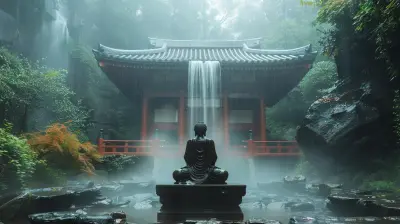
Discover the Ancient Mysteries of UNESCO Monuments
29 May 2026
Have you ever strolled through an ancient ruin and felt the whispers of history in the air? There’s something truly magical about visiting UNESCO monuments—these sites hold the secrets of past civilizations, showcasing incredible architecture, artistry, and ingenuity. From towering pyramids to mystical temples, these places aren't just tourist attractions; they are time capsules that preserve humanity’s greatest achievements.
So, if you’ve got a thirst for history and a passion for travel, let’s embark on a journey to uncover the ancient mysteries of some of the world’s most fascinating UNESCO monuments.
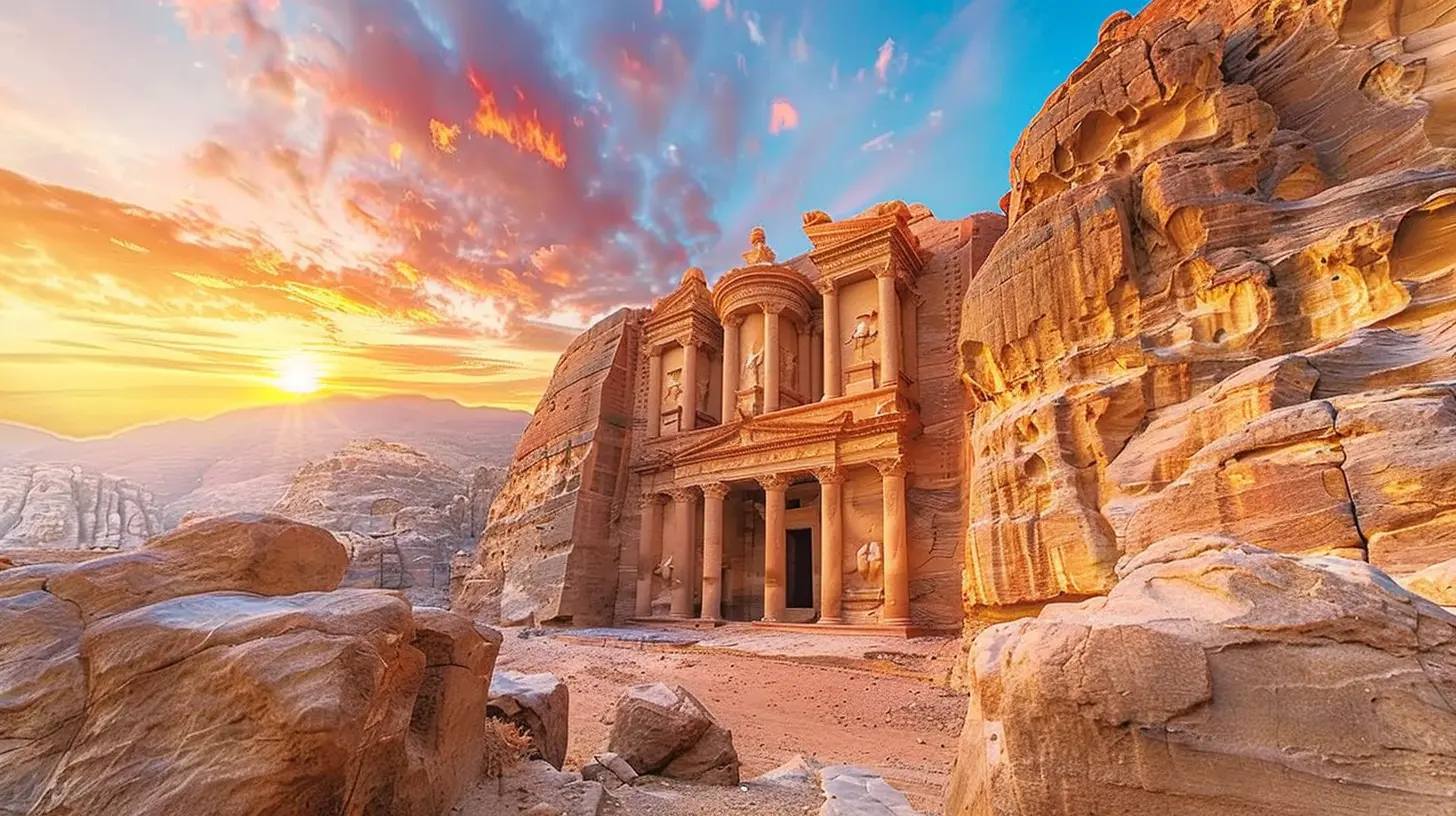
1. The Enigma of Machu Picchu, Peru
Nestled high in the Andes Mountains, Machu Picchu is often dubbed the "Lost City of the Incas." But was it really lost? Historians believe it was a royal estate or a religious site, yet no one can say for certain.Built in the 15th century and abandoned just a century later, Machu Picchu remained hidden from the outside world until explorer Hiram Bingham stumbled upon it in 1911. How did the Incas move those massive stone blocks without modern tools? That’s a mystery that still puzzles experts today.
Standing atop these verdant terraces, gazing over the stunning Sacred Valley, you can’t help but feel that this place holds secrets we may never fully understand.
Must-See Spots in Machu Picchu:
- The Temple of the Sun – Believed to have astronomical significance- Intihuatana Stone – A ritual stone possibly used as a sundial
- The Inca Bridge – A daring and dangerous pathway carved into the cliffs
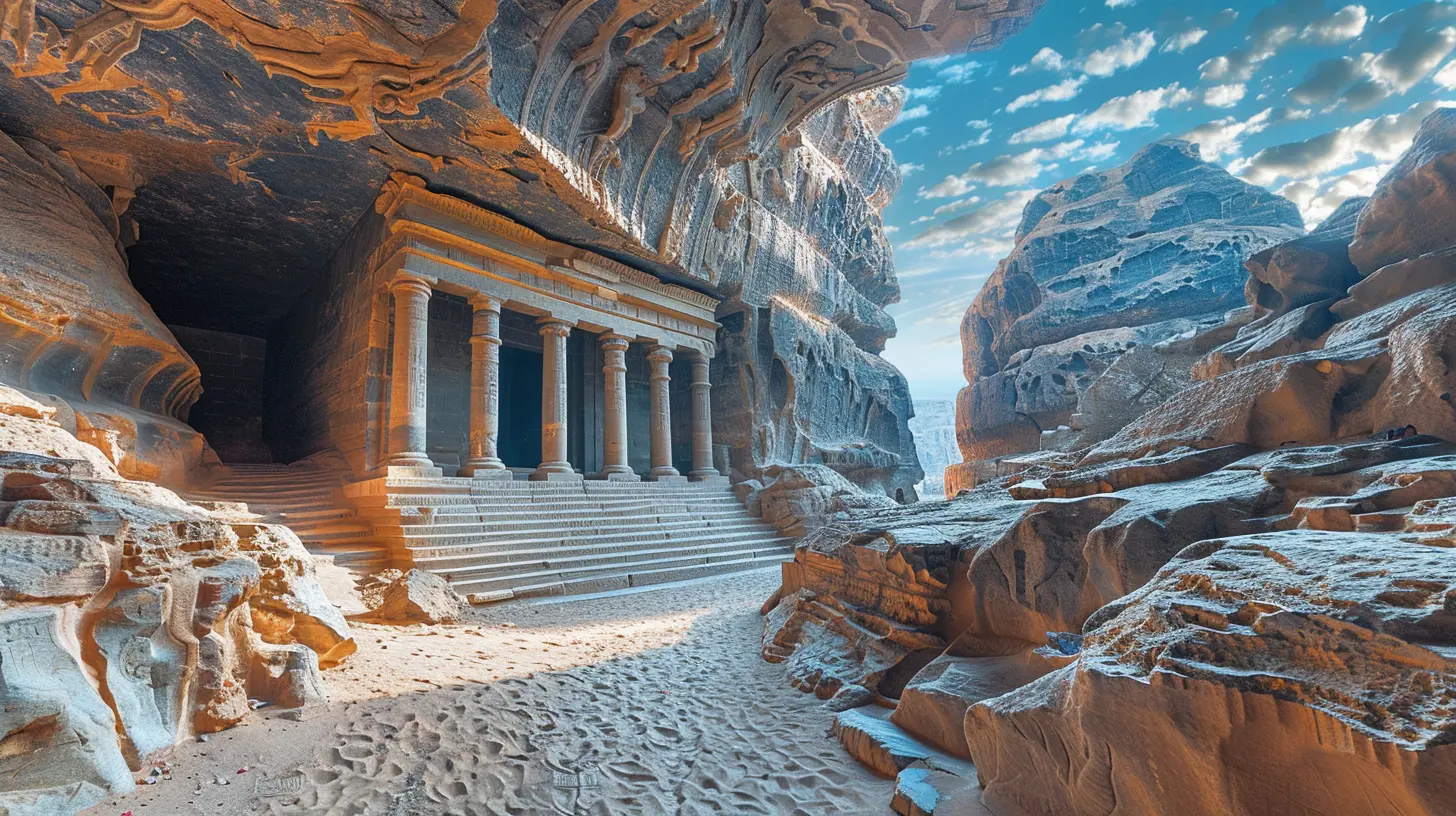
2. Stonehenge, England: A Giant Puzzle
Stonehenge is one of the most famous prehistoric structures in the world—yet we still don’t know exactly why it was built. Was it a sacred burial ground? A celestial observatory? Or something even more mysterious?What we do know is that these enormous stones, some weighing up to 25 tons, were somehow transported from miles away over 4,000 years ago. The alignment of the stones with the summer and winter solstices suggests that its builders had an advanced understanding of astronomy.
Standing there, surrounded by the mystery of the monoliths, you can’t help but feel a deep connection to the people who once gathered in this sacred space.
Fun Fact: Some legends claim that giants built Stonehenge, while others suggest it was the work of the wizard Merlin. Either way, it remains one of the world’s greatest unsolved riddles.
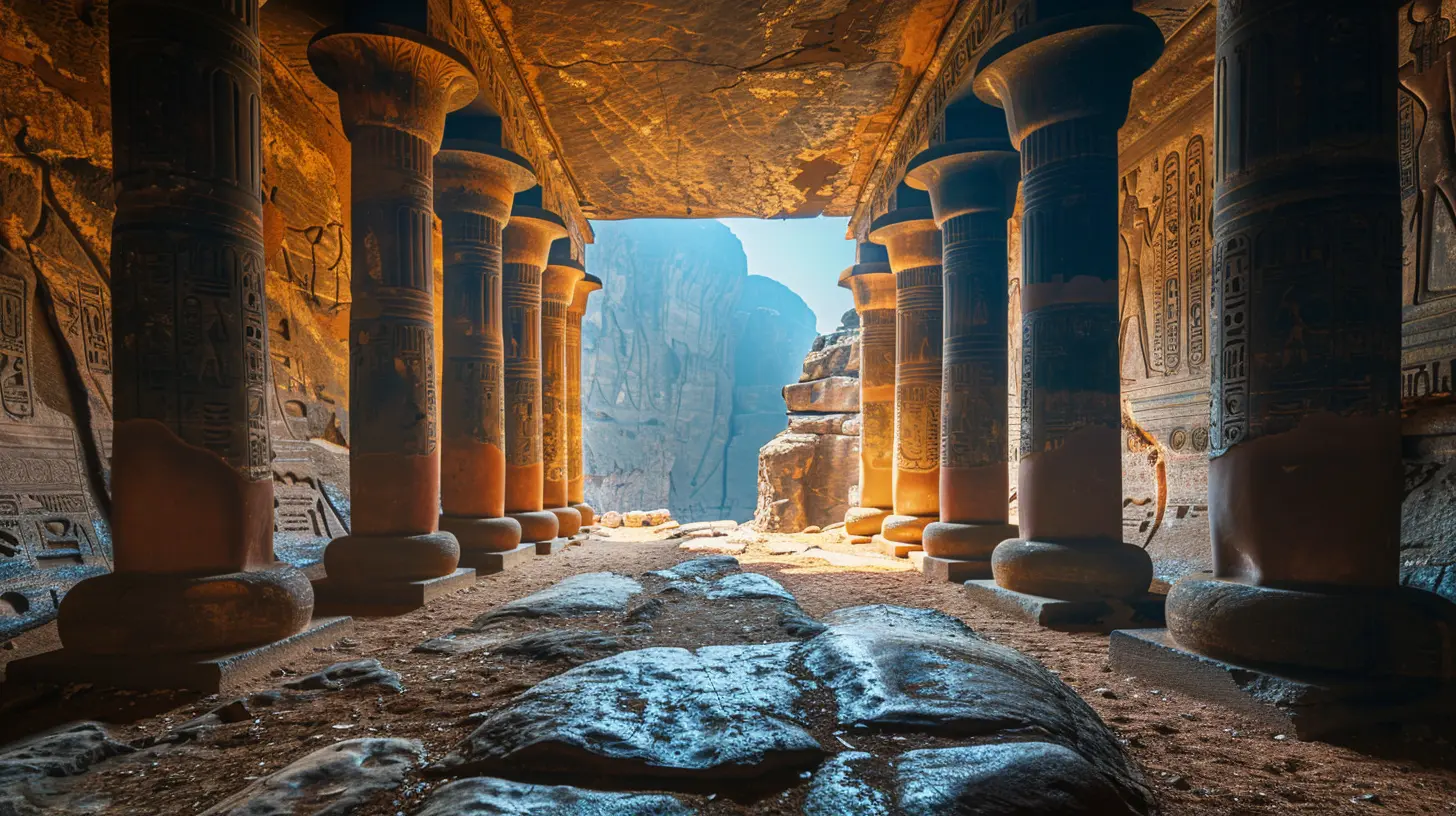
3. The Pyramids of Giza, Egypt: A Testament to Ancient Ingenuity
No list of ancient wonders is complete without the Pyramids of Giza. These towering structures have stood the test of time for over 4,500 years, leaving archaeologists scratching their heads.The Great Pyramid, built for Pharaoh Khufu, was the tallest man-made structure in the world for nearly 4,000 years. How did the ancient Egyptians haul those massive limestone blocks into place with only rudimentary tools? Some theories suggest ramps, while others even speculate the involvement of extraterrestrials.
But beyond their construction, the pyramids hold another secret—hidden chambers yet to be fully explored. Could they contain treasures? Sacred texts? Perhaps clues to an even greater mystery? Only time will tell.
What to See at the Pyramids of Giza:
- The Great Sphinx – A colossal sculpture guarding the pyramids- Inside the Great Pyramid – A narrow passage leading to the King’s Chamber
- The Solar Boat Museum – Home to an ancient ceremonial boat used by the pharaoh
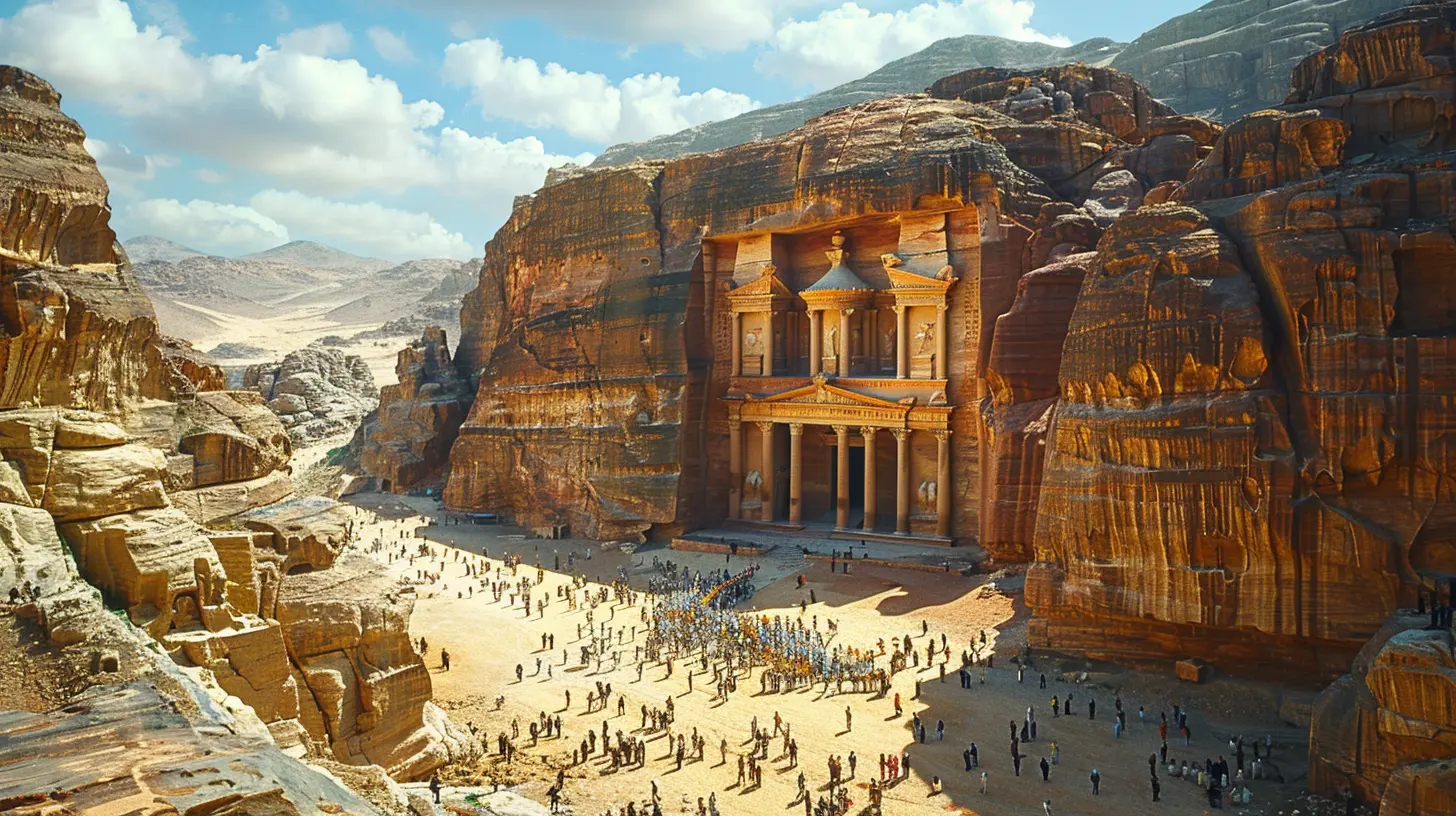
4. Petra, Jordan: The Rose-Red City
Carved right into the rose-colored cliffs, Petra is an archaeological marvel straight out of an Indiana Jones movie. Once a thriving trade hub of the Nabateans, this UNESCO site was lost to the world for centuries before being rediscovered in the early 19th century.The city’s most famous structure, Al-Khazneh (The Treasury), features intricate carvings that baffle historians—how could an ancient civilization achieve such precision without modern tools?
Hidden passageways, secret tombs, and an advanced water management system prove that Petra was far ahead of its time. Some theories even suggest that Petra holds more undiscovered chambers beneath the desert sands. Imagine what treasures might still be waiting to be found!
Highlights of Petra:
- The Siq – A dramatic canyon entrance to the city- The Monastery – A towering structure carved from the rock
- The Royal Tombs – Massive burial sites with breathtaking facades
5. Angkor Wat, Cambodia: A Heavenly City on Earth
Deep in the Cambodian jungle lies Angkor Wat, the world’s largest religious monument. Originally built as a Hindu temple in the 12th century, it later transformed into a Buddhist site.The sheer scale of Angkor Wat is mind-boggling—thousands of intricate carvings, towering spires, and detailed bas-reliefs tell stories of gods, warriors, and celestial beings. But here’s what truly baffles historians: the temple aligns perfectly with celestial events, possibly serving as a massive cosmic calendar.
As the sun rises behind its central towers, casting a golden glow over the ancient stone, you realize that Angkor Wat isn’t just a temple—it’s a masterpiece designed to bridge the gap between heaven and earth.
Must-See Features at Angkor Wat:
- The Bas-Reliefs – Intricate carvings depicting historical and mythological tales- The Reflection Pond – A spot to capture the perfect sunrise photo
- Ta Prohm – A temple overtaken by massive tree roots, creating an eerie yet beautiful sight
6. Chichén Itzá, Mexico: The Ancient Mayan Observatory
Imagine a civilization so advanced that they could predict eclipses and track celestial movements with nothing but stone structures. That’s exactly what the Mayans did at Chichén Itzá.The most famous structure here, El Castillo (The Temple of Kukulcán), isn’t just an impressive pyramid—it’s an astronomical masterpiece. During the spring and autumn equinoxes, the setting sun creates an illusion of a serpent slithering down its steps.
Was this an ancient Mayan calendar? A sacred place of worship? Perhaps both. What we do know is that Chichén Itzá’s secrets run deep, and many of its underground chambers remain unexplored.
Top Attractions at Chichén Itzá:
- The Temple of Kukulcán – Where the serpent illusion takes place- The Great Ball Court – The largest of its kind in Mesoamerica
- The Sacred Cenote – A mysterious sinkhole where Mayan offerings were discovered
Wrapping Up
These UNESCO monuments are more than just ancient landmarks—they are the echoes of civilizations long gone, stories carved in stone, and puzzles waiting to be solved. When you visit these sites, you're not just walking through history; you're stepping into the lives of those who came before us, deciphering clues left behind by time itself.So, which of these incredible places is at the top of your travel bucket list? Whether it’s the towering Pyramids of Giza, the mystical ruins of Machu Picchu, or the celestial temples of Chichén Itzá, one thing is certain—these monuments will leave you in awe, just as they have for centuries.
all images in this post were generated using AI tools
Category:
Unesco SitesAuthor:

Ian Powell
Discussion
rate this article
1 comments
Paul McNeely
Uncover the stories woven into each stone at UNESCO monuments. Embrace the adventure and let history inspire your journey. Explore the mysteries!
June 17, 2026 at 3:31 AM