How to Use Social Media Smartly and Stay Safe While Traveling
5 December 2025
Let’s be real—when we’re out exploring new places, it’s almost impossible not to share the magic with friends online. That perfect sunset over a tropical beach, the steamy bowl of ramen in a cozy Tokyo alley, or the goofy camel selfie you snapped in the desert… they’re all moments screaming to be shared!
But here’s the thing: while social media is a super cool tool to connect and capture memories, it can also be a sneaky trap if we’re not careful. Sharing the wrong thing at the wrong time could put your safety, privacy, and even your trip at risk.
So how do you use social media smartly and stay safe while traveling? I’ve got your back. Whether you're a solo backpacker, a couple on a romantic getaway, or a family adventuring through Europe, these tips will help you enjoy your trip, keep your stuff secure, and still rake in those dreamy likes. 😄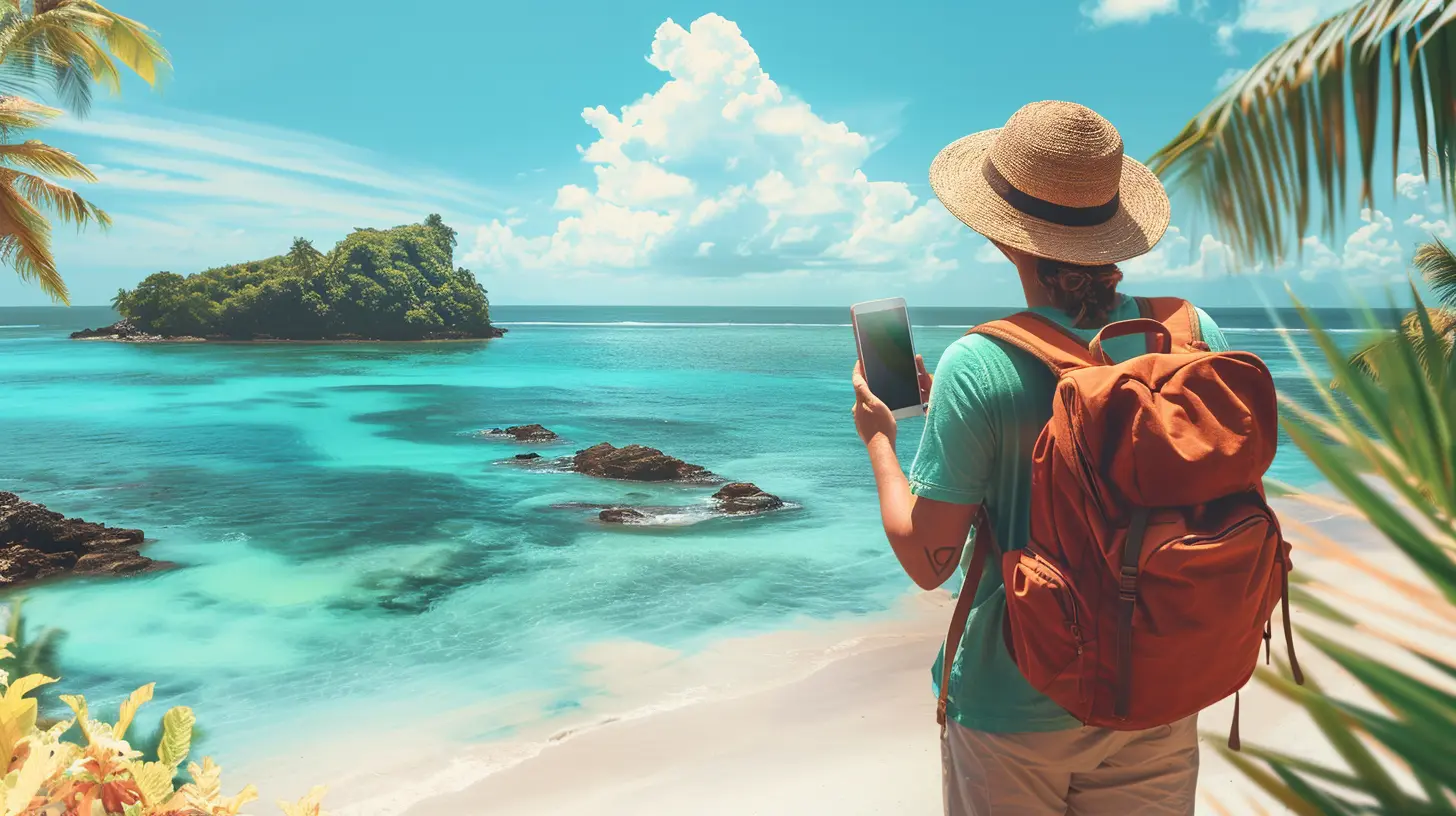
Why Social Media and Travel Are a Love-Hate Relationship
Let’s face it—social media and travel are like that couple who can't live with or without each other.On the bright side, social media helps you:
- Keep friends and family in the loop.
- Inspire others with your journey.
- Connect with locals and fellow travelers.
- Save and relive your favorite travel moments.
But it also:
- Makes you a target if you overshare.
- Robs you of being present in the moment.
- Risks your privacy and security.
- Attracts the wrong attention (hello, burglars 👀).
So, it’s all about the balance—using social media smartly, having fun, and staying safe. Let’s dive in!
1. Delay That "I'm in Paris!" Post
It’s tempting, I know. You land in a new city, heart racing, Eiffel Tower twinkling, and your fingers are already tapping a caption. But here's the golden rule: don’t post in real time.Why?
When you share your location live, you’re telling the whole internet (including potential thieves): "Hey, I'm not home!" Or worse, “Hey, I’m alone in this random place!”
What to do instead:
- Post your photos after you've left that place.
- Batch your updates together once you’re back at your hotel or at home.
- Use tools on Instagram or Facebook to schedule your posts for later.
It’s like leaving breadcrumbs… only after you’ve finished your croissant.
2. Think Before Tagging Locations
Tagging your location is fun—it helps people know where you’ve been, and hey, it might even help someone plan their next trip.But over-tagging can be risky, especially when you’re at places like:
- Your current hotel or Airbnb.
- A remote hiking spot where you're alone.
- Small local restaurants or shops (where it’s obvious you’re still present).
Smart move:
- Save specific location tags for later.
- Keep it general like “Paris, France” instead of “Room 302 at Hôtel Luxe”.
This keeps the mystery alive and you safe.
3. Adjust Your Privacy Settings Before You Fly
Before you even pack your bags, take a quick scroll through your social media settings.Ask yourself:
- Who can see my posts?
- Who can tag me?
- Can strangers send me messages or see my stories?
Set your profiles to private if you're not comfortable with the world knowing your every move. You can always approve new followers selectively.
And hey, while you're at it, maybe clean up those old posts you no longer vibe with? Fresh trip, fresh feed!
4. Avoid Flashy Flexing
Posting that you're sipping champagne in first class or flashing your brand-new gadgets might feel harmless. But online, it can come off as braggy… and worse, it can make you a target.Why it matters:
- Thieves often scout social media looking for well-off travelers.
- Digital pickpockets (yes, that’s a thing) might try to hack your accounts if they think you have high-value items with you.
Instead of flexing, flaunt the fun, not the funds. 😎 Show that you're loving the experience, not the price tag.
5. Stay Present – The Moment is the Main Event
Social media is fun, but don’t let it steal your trip.Ever seen someone glued to their phone while standing in front of a historic monument or beautiful view? Don’t be that person.
Here’s a trick:
- Set time limits for social media each day.
- Snap your photos, put your phone away, and enjoy the moment.
- Journal your experiences offline and post about them later.
You’ll find that real-life memories are better than any story highlight.
6. Don’t Share Your Travel Plans Publicly
Announcing your full itinerary before you even leave? Big no-no.It might seem innocent—"Can’t wait to be in Rome from June 5-12!"—but it’s basically a neon sign saying, “Hey, my house is empty during these exact dates!”
What to do:
- Keep your dates and travel plans vague.
- Only share plans with trusted friends or family through private messages.
- Consider using a shared Google doc or a travel planning app for close contacts.
Loose lips sink ships—and oversharing can sink your vacation vibes too.
7. Be Cautious With Travel Companions’ Privacy
We get it—group selfies are part of the fun! But before tagging your friends or family, make sure they’re cool with it.Some folks are private for a reason.
They may not want their location, face, or trip details online. Give them the courtesy of asking first. It’s just good social media etiquette!
8. Beware of Free Wi-Fi and Public Networks
Free Wi-Fi at airports and cafés might sound like a dream, but it can quickly turn into a nightmare for your social accounts.Hackers love public Wi-Fi because it’s easy to intercept your data.
Best practices:
- Avoid logging into social media or banking apps on public networks.
- Use a VPN (Virtual Private Network) for secure browsing.
- Turn off automatic Wi-Fi connections in your settings.
Think of public Wi-Fi like a public restroom—use it only when you have to, and with caution!
9. Use Two-Factor Authentication on All Accounts
This might sound techy, but it’s actually super easy (and super important!).Setting up two-factor authentication (2FA) means that even if someone gets your password, they still can’t access your account without a second code (usually sent to your phone).
It’s like locking your suitcase and your backpack. Double the security = double peace of mind.
10. Use Social Media to Your Advantage
Enough with the scary stuff—let’s talk about the awesome ways social media can enhance your travel!Here are a few ways to use it smartly:
- Follow locals and travel influencers for hidden gems and up-to-date info.
- Join travel groups on Facebook or Reddit to get real-time advice.
- Create private Instagram stories for close friends to keep them updated without broadcasting everything.
- Use hashtags to connect with travelers nearby or discover events.
Bottom line: You don’t have to go off the grid, just stay smart about how you’re plugged in.
Final Thoughts
Social media is like your favorite travel buddy—it can either lift your experience or drag you into unnecessary trouble. Using it smartly while traveling is all about staying a step ahead, thinking before posting, and keeping safety as your number one priority.So go ahead, snap those pics, write that witty caption, share those sparkling sunsets—but do it on your terms, and always with your safety in mind.
Happy traveling, and may your adventures be as fabulous as your feed!
all images in this post were generated using AI tools
Category:
Travel SafetyAuthor:

Ian Powell
Discussion
rate this article
2 comments
Justice Richardson
In a world where oversharing is the norm, protect your adventures. Use social media wisely: keep details vague, avoid tagging locations in real-time, and prioritize your safety over likes. Your experiences are yours—don’t let anyone compromise them. Stay smart, stay safe!
December 6, 2025 at 3:34 PM
Ian Powell
Thank you for emphasizing the importance of privacy and safety while sharing travel experiences! Your insights are crucial for navigating social media wisely.
Aisha McQuaid
Great insights on blending social media with travel safety! Your tips on staying connected while protecting personal information are invaluable. Looking forward to sharing these practical strategies on my next adventure. Thanks for the fantastic advice! Safe travels, everyone!
December 5, 2025 at 3:41 PM
Ian Powell
Thank you for your kind words! I'm glad you found the tips helpful. Safe travels and enjoy your next adventure!