Solo Traveler’s Packing Essentials for Safe Adventures in 2026
3 May 2026
Let's be real for a second. Packing for a solo trip is part science experiment, part art project, and a whole lot of guesswork. You're not just stuffing clothes into a bag. You're building a survival kit for the road, a portable home that has to handle everything from a missed train in a foreign city to a spontaneous hike at sunrise. By 2026, the rules have shifted a bit. Technology got smarter, fabrics got tougher, and the world got louder. So what do you actually need to pack to stay safe, comfortable, and ready for anything?
Here's the no-nonsense breakdown I wish someone gave me before my first solo trip. No fluff, just gear that works.
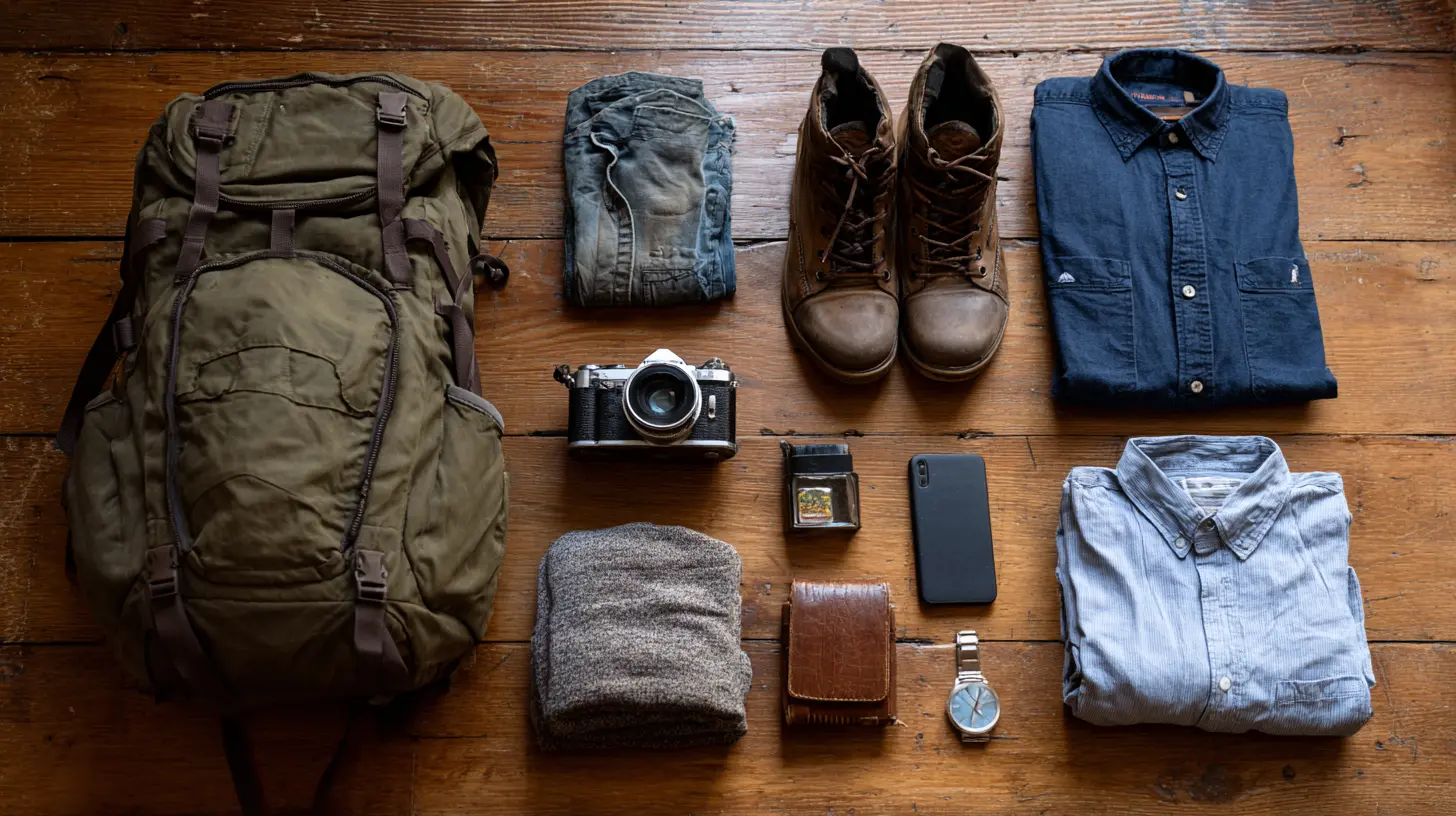
Why 2026 Changes the Packing Game
Think about how much has changed in the last few years. Smart luggage with GPS trackers went from luxury to almost standard. Solar chargers shrank to the size of a credit card. And safety apps now sync directly with your wearable devices. In 2026, the biggest mistake you can make is packing like it's 2016. The old advice about rolling your socks and bringing a paper map? That's cute, but it won't save you when your phone dies at 2 AM in a place where you don't speak the language.The new rule is simple: pack for agility, not bulk. You want a bag that lets you move fast, sleep anywhere, and stay connected without relying on sketchy Wi-Fi. Let's walk through the essentials.
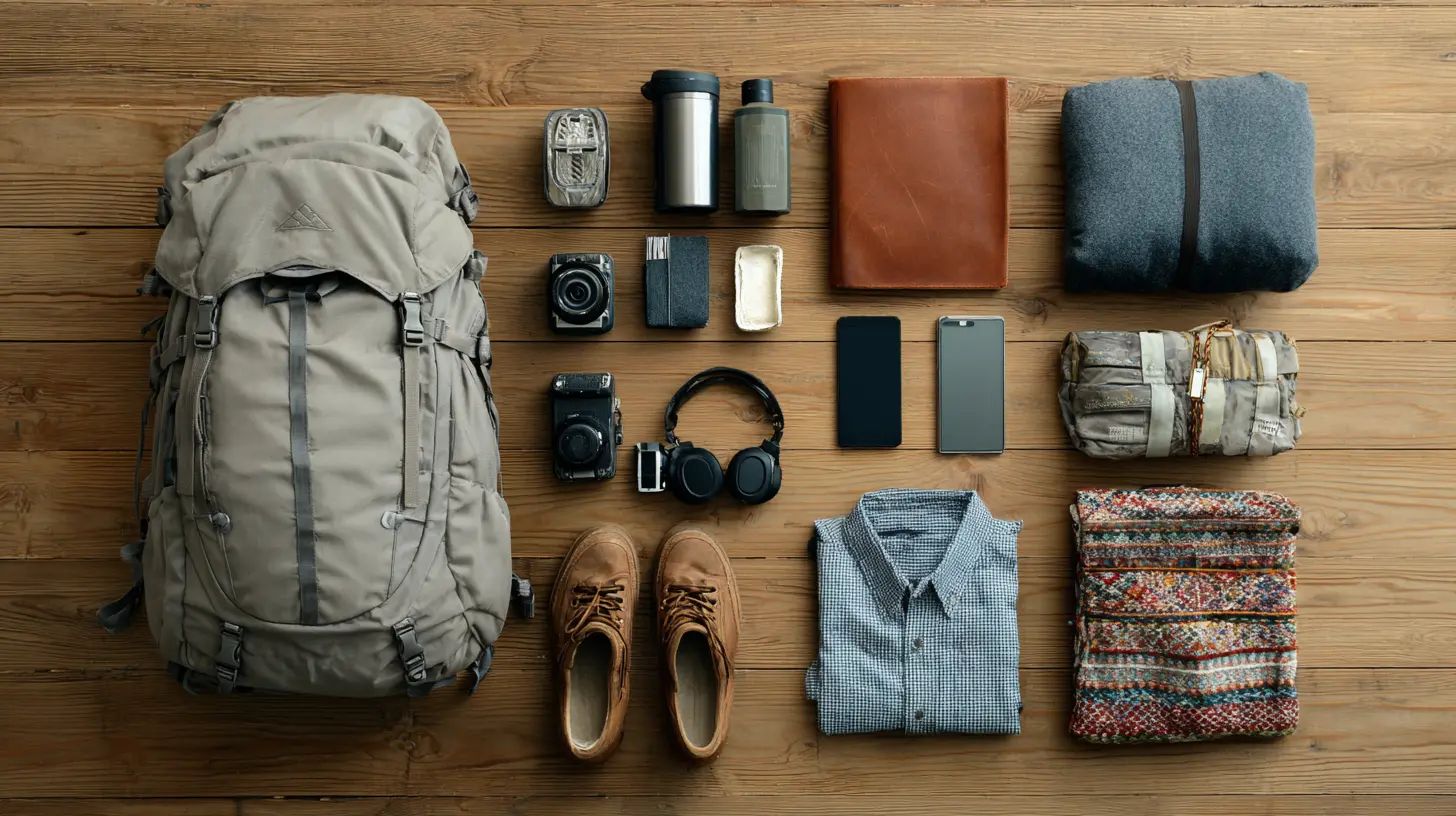
The Backpack: Your Mobile Command Center
Don't cheap out here. Your backpack is the single most important piece of gear. In 2026, look for something between 35 and 45 liters. That's the sweet spot. Too small and you're doing laundry every other day. Too big and you'll hate yourself on stairs, buses, and cobblestone streets.What features matter? First, anti-thetech zippers. Not the flimsy kind. I'm talking about lockable zippers that slide into a hidden compartment. Second, a built-in USB port for charging your phone on the go. Third, a padded laptop sleeve that's accessible from the side, not the top. You don't want to unpack your entire life just to grab your tablet at airport security.
One more thing: get a bag with a rain cover that actually stays attached. Nothing ruins a solo adventure faster than a wet sleeping bag and a damp passport.
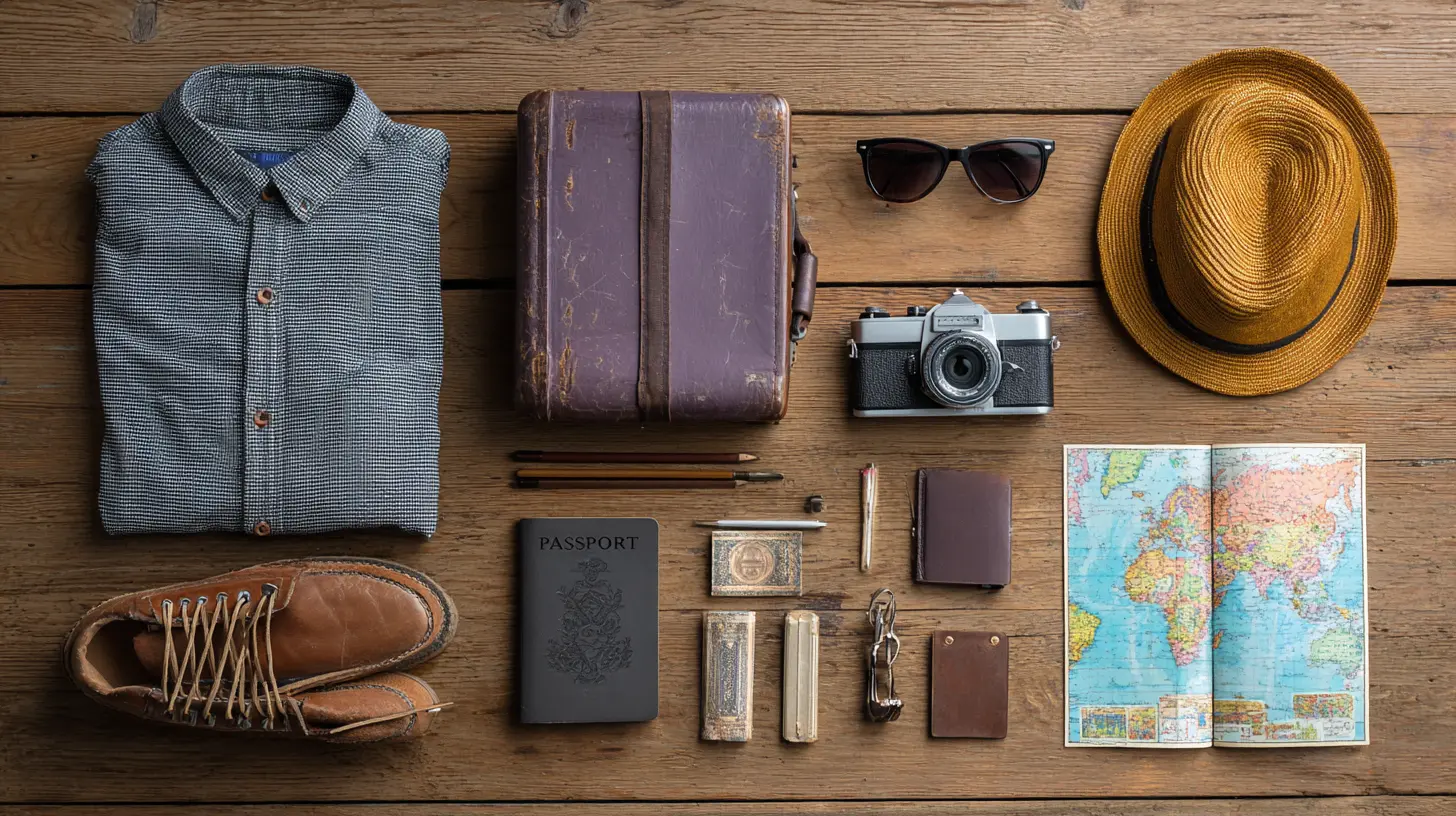
The Digital Safety Kit
Here's where 2026 really shines. Your phone is your best friend, your map, your translator, and your emergency beacon. But a dead phone is just a brick. So pack a power bank that holds at least 20,000 mAh. That's enough to charge your phone four times. Get one with fast charging (both input and output) and a built-in cable. Loose cables get lost. Period.Next, a portable Wi-Fi hotspot. Yes, international SIM cards are cheaper now, but a hotspot gives you a private network. No logging into airport Wi-Fi that some hacker named "SneakySnake" set up. In 2026, many countries offer eSIMs you can buy online before you leave. Do that. It's a game changer.
Don't forget a physical tracker. Tile or AirTag, pick your poison. Slip one into your bag and one into your jacket. If your luggage gets delayed or stolen, you'll know exactly where it is. That peace of mind is worth every penny.
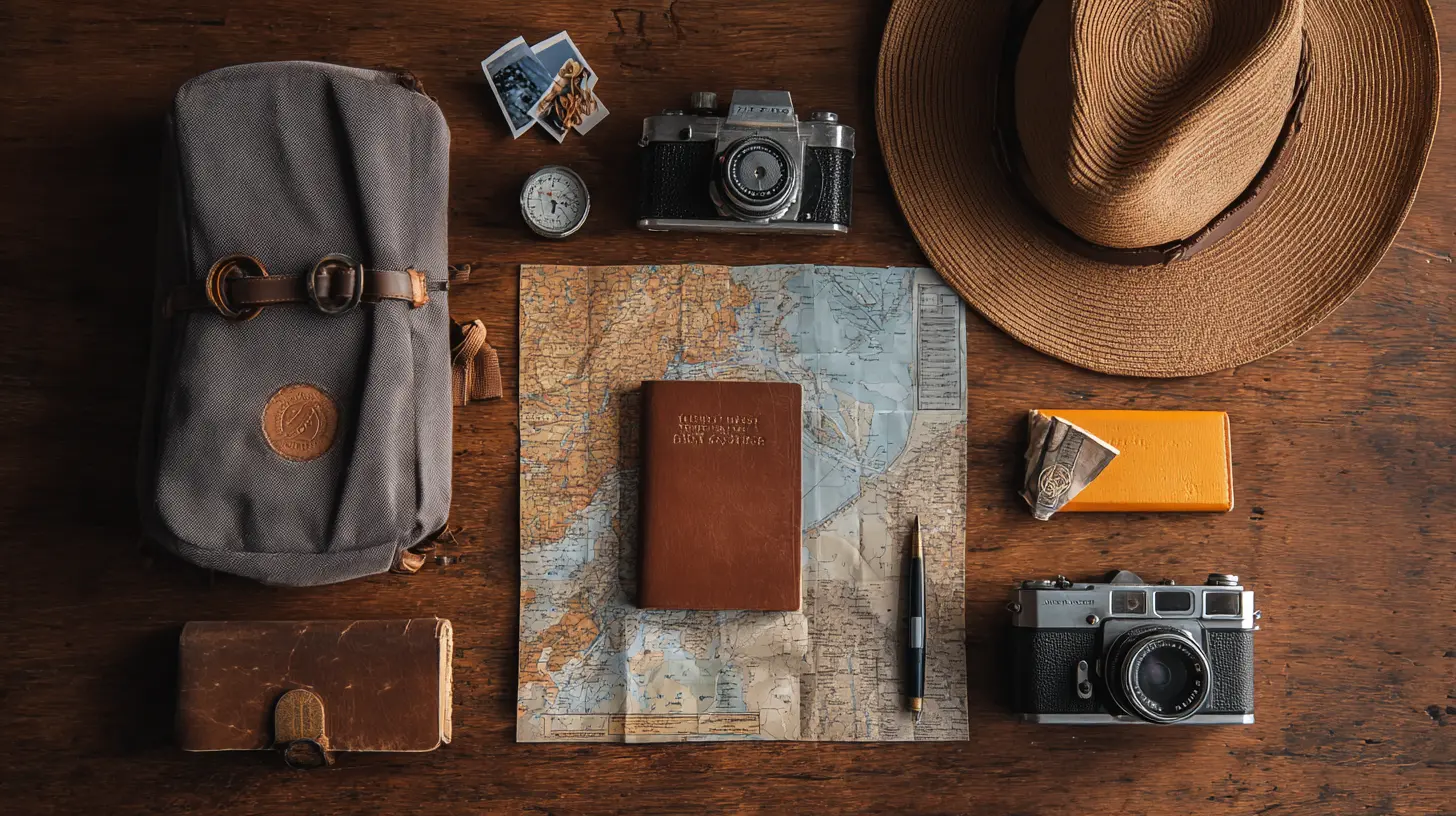
Clothing That Works Overtime
You don't need a different outfit for every day of the week. You need a system. Think modular. Think layers. In 2026, the best travel clothes are made from merino wool or high-quality synthetics that resist odor. You can wear a shirt three days in a row, and nobody will know. That's not gross, that's efficient.Here's a capsule wardrobe that covers almost any climate:
- Two pairs of quick-dry pants. One that looks decent for dinner, one that's rugged for hiking.
- Three merino wool t-shirts. They breathe, they dry fast, and they don't stink.
- One long-sleeve base layer. Good for cold nights or sun protection.
- A lightweight down jacket that packs into its own pocket. This is your warm blanket on a plane and your pillow in a pinch.
- A rain jacket that's actually waterproof, not just water-resistant. Test it before you leave.
- Two pairs of socks. Merino wool again. Your feet will thank you after a 10-mile walk.
- One pair of comfortable walking shoes that don't look like hiking boots. You want something you can run in if needed.
And here's the trick: wear your heaviest items on the plane. Boots, jacket, jeans. That saves space in your bag and keeps you warm if the airport is freezing.
Safety Gear That Doesn't Scream "Tourist"
Let's talk about safety without turning you into a paranoid mess. You don't need a tactical vest or a whistle around your neck. You need smart, subtle tools.First, a door stopper alarm. It's a small wedge you slide under your hotel door. If someone tries to push it open, it blasts a 120-decibel alarm. Hotels in 2026 are generally safer, but solo travelers in budget hostels still deal with shared bathrooms and thin doors. This little gadget costs ten bucks and could save your night's sleep.
Second, a personal alarm that clips to your bag. It's not a weapon, it's a noise maker. Pull the pin and it screams. That draws attention, and attention is the best deterrent.
Third, a money belt that looks like a normal belt. The old neck pouch under your shirt is outdated. In 2026, get a belt with a hidden zipper compartment. Keep your backup credit card and a folded emergency bill inside. Nobody looks at your belt.
Fourth, a small first aid kit tailored to your needs. Not the giant pharmacy kit from the store. Just bandaids, antiseptic wipes, pain relievers, anti-diarrhea meds, and any prescription meds you take. Add a blister kit because walking ruins unprepared feet.
The Toiletries Tango
Toiletries are where most people overpack. You don't need a full-size shampoo bottle for a two-week trip. You don't need three different face creams. Streamline.Get a set of refillable silicone travel bottles. They're lightweight, leak-proof, and you can squeeze every last drop out. Fill them with:
- Solid shampoo bar. Lasts forever, no liquid restrictions.
- Conditioner bar or small bottle.
- Toothpaste tablets. No tube, no mess, no TSA hassle.
- Deodorant stick. Not spray, not gel. Stick is reliable.
- A small tube of sunscreen. Even if you're not going to the beach, you'll need it.
- Lip balm with SPF. Dry airplane air is brutal.
Skip the razor if you can. Use an electric trimmer instead. Less risk of cuts, no need for shaving cream.
Documents and Cash: The Invisible Backup
You're solo. That means there's no one to call if your wallet gets stolen. So you need backups that aren't obvious.Make digital copies of your passport, visa, driver's license, and travel insurance. Store them in two places: a secure cloud folder and a password-protected USB drive that stays in a hidden compartment of your bag.
Carry physical copies too. Print them and keep them separate from the originals. One set in your bag, one in your money belt.
Cash is still king in many places. In 2026, digital payments are everywhere, but rural markets and small taxis still prefer bills. Carry a mix of local currency and US dollars or euros. Break the bills into small denominations. Nobody wants to change a 100-euro note for a two-euro coffee.
Tech Accessories That Earn Their Weight
Cables are the bane of every traveler's existence. They tangle, they break, they get left behind. In 2026, buy a multi-cable that has USB-C, Lightning, and micro-USB all in one cord. One cable, three devices. That's efficiency.Also bring a universal travel adapter with surge protection. Not the cheap one from the gas station. Get one with multiple USB ports so you can charge your phone, power bank, and watch all at once. Some adapters even have a built-in fuse. If the voltage spikes, your devices survive.
A small LED flashlight is non-negotiable. Not the one on your phone. A real flashlight that's bright enough to light up a dark alley or a broken hostel hallway. Get one that runs on AAA batteries or has a rechargeable battery. Test it before you go.
The Mindset Packing List
Here's the part most articles skip. Packing isn't just about stuff. It's about attitude. Solo travel in 2026 requires a certain mental readiness.Pack patience. Things will go wrong. Trains will be late. Hostels will be loud. You will get lost. That's the point. If you pack frustration, you'll have a bad trip. If you pack flexibility, you'll have stories to tell.
Pack curiosity. Talk to strangers. Ask for directions even if you don't need them. Every solo traveler I know says the best moments came from saying yes to something unexpected.
Pack a backup plan. Know where your embassy is. Have a credit card number memorized. Keep a screenshot of your accommodation address. In a crisis, you don't want to fumble through your phone.
What to Leave Behind
Let me save you some space. Leave the hairdryer at home. Leave the book you've been meaning to read for three years. Leave the "just in case" outfit for a fancy dinner you'll never attend. Leave the heavy camera unless photography is your job. Your phone's camera is good enough for most memories.Leave the fear. That's the heaviest thing you can carry. Yes, solo travel has risks. But so does crossing the street. The world in 2026 is full of people who want to help you. Trust your gut, but don't let paranoia ruin the experience.
Final Packing Ritual
Before you zip that bag, do one last check. Stand in front of your packed bag and imagine every scenario: rain, lost luggage, missed flight, late night arrival, early morning hike. Does your bag handle all of them? If not, swap something out.Then weigh it. If your bag is over 10 kilograms, you're carrying too much. Cut three items. You won't miss them.
Solo travel is about freedom. Your bag is what makes that freedom possible or impossible. Pack light, pack smart, and trust yourself. You've got this.
all images in this post were generated using AI tools
Category:
Travel ChecklistsAuthor:

Ian Powell
Discussion
rate this article
1 comments
Kestrel Peterson
Packing smart is key for solo adventures. Embrace each experience, stay curious, and remember that every journey begins with a single step. Happy travels in 2026!
May 6, 2026 at 2:18 AM
Ian Powell
Thanks for the encouragement! Enjoying the journey is what it's all about. Happy travels to you too!