A Glimpse into the Past: UNESCO Sites that Shaped History
14 March 2026
Have you ever stood in a place and felt the weight of centuries whispering through the wind? Like the ground beneath your feet held secrets of kings, philosophers, artists, and warriors? That’s the magic of UNESCO World Heritage Sites. They're not just bricks and ruins — they’re living, breathing stories from our shared past.
So, if you’ve got a soft spot for history or a burning curiosity for how civilizations rose, fell, and flourished — buckle up! We’re about to wander through some of the most fascinating UNESCO sites that didn’t just survive time; they shaped the very course of human history.
What Is a UNESCO World Heritage Site Anyway?
Before we go globe-trotting through time, let's clear the air — what exactly makes a place a "UNESCO World Heritage Site"?Well, the United Nations Educational, Scientific and Cultural Organization (UNESCO) identifies and protects places of outstanding cultural or natural importance. When a place gets the stamp of approval, it’s not just about beauty — it’s about historical, architectural, or environmental value that belongs to all of humanity.
Think of it as Earth’s ultimate hall of fame.
1. The Great Wall of China (China)
Why It’s Iconic
The Great Wall isn’t just a wall — it’s a testament to human persistence, ingenuity, and protection. Stretching over 13,000 miles, this mammoth structure reflects centuries of history, military strategies, and dynastic legacy.A Legacy of Unity and Defense
It was built to keep invaders out, but ironically, it brought the Chinese people together. Dynasties aligned, cities connected, and a collective identity began to form. It’s like ancient China’s version of a group project — only way bigger and with fewer arguments (we hope).Travel Tip
Hiking along the wall near Beijing (especially at Mutianyu or Jinshanling) offers stunning views and fewer crowds. Plus, nothing makes you appreciate the past like burning calves and breathtaking landscapes!
2. Machu Picchu (Peru)
A City in the Clouds
Ever wanted to walk through a hidden city perched above the clouds? Machu Picchu delivers on that fantasy. Built by the Incas in the 15th century, this mountain marvel wasn’t even discovered by outsiders until 1911!Engineering That Still Baffles Experts
From its water management system to its earthquake-resistant structures, Machu Picchu isn't just beautiful — it’s a masterclass in ancient engineering. How did they move those massive stones without wheels or steel tools? Experts still scratch their heads.Why It Shaped History
Machu Picchu revived global interest in indigenous cultures and Andean civilization. It challenged outdated colonial-era assumptions and reawakened pride in Latin America’s pre-Columbian roots.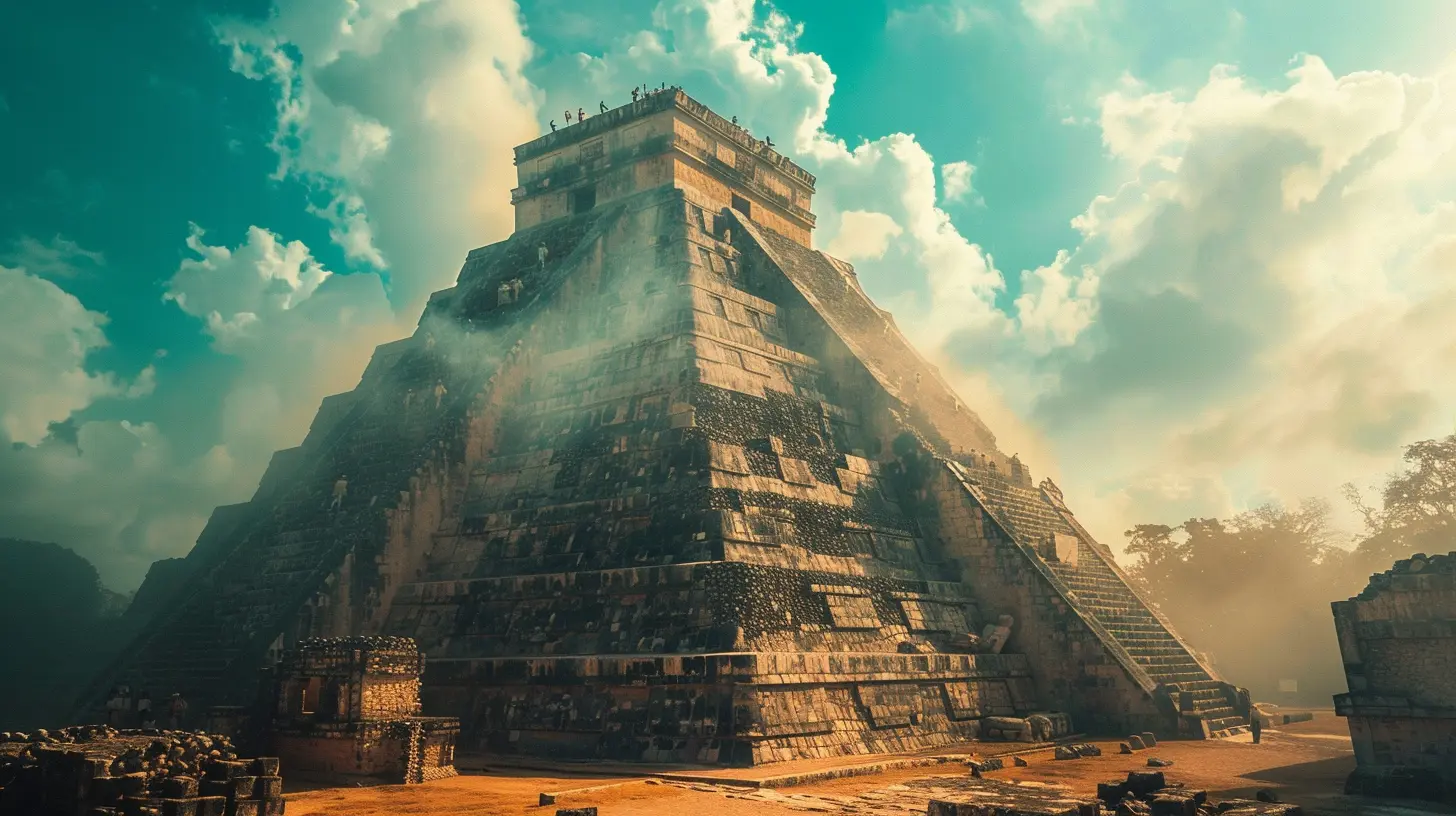
3. The Pyramids of Giza (Egypt)
More Than Just Tombs
Let’s be honest — at some point, we’ve all been a little obsessed with ancient Egypt (those school projects and documentaries don’t lie). And the Pyramids? They're the golden stars of that fascination.Stones That Tell Stories
The pyramids weren’t built by aliens. (Sorry, conspiracy lovers!) They were constructed by skilled laborers using genius-level math and planning. These megastructures housed pharaohs, of course, but they also reflected Egypt’s social hierarchy, religious beliefs, and scientific prowess.The History-Shaping Part
The pyramids gave birth to the concept of monumental architecture. They inspired everything from medieval cathedrals to modern skyscrapers. That’s the kind of legacy you don’t just walk away from.4. The Acropolis of Athens (Greece)
Where Democracy Was Born
Step onto the Acropolis, and you’re basically standing on the birthplace of Western civilization. This was ground zero for democracy, philosophy, and drama.Pillars of Civilization
The Parthenon, perched proudly on the hill, wasn’t just built to look pretty. It symbolized Athenian power, art, and political vision. Socrates might’ve walked here. So might have Plato and Euripides.How It Shaped History
The ideals born here — democracy, reason, critical thinking — would ripple through Rome, the Renaissance, and modern Western societies. That’s kind of a big deal, don’t you think?5. Angkor Wat (Cambodia)
A Spiritual Marvel in the Jungle
Angkor Wat isn’t just one of the largest religious monuments in the world — it’s a profound symbol of Cambodia’s identity. Built in the early 12th century, this temple city is a seamless blend of spirituality, art, and Khmer ambition.A City Too Advanced for Its Time
At its peak, Angkor was a mega-city using complex water systems and urban planning that rivaled modern cities. And the artistry? Just look at those carvings — they're basically ancient Instagram stories etched in stone.Shaping the Southeast Asian Narrative
Angkor Wat pulls Cambodia’s past into the spotlight and proves that outdoor museums aren’t just for Europe. It reshaped national pride and global awareness of Asian heritage.6. Stonehenge (United Kingdom)
Mystical and Mysterious
Stonehenge may look like a pile of rocks placed by giants after a game of Jenga, but this prehistoric site is soaked in mystery and spiritual significance.Ancient Calendars and Astronomical Genius
Built over 4,000 years ago, Stonehenge is aligned with the solstices. That means ancient humans tracked the heavens long before telescopes were a thing.Its Impact on History
Stonehenge symbolizes humankind’s obsession with time, nature, and the cosmos. It showed us that even in the Neolithic period, people were thinkers, builders, and believers.7. Taj Mahal (India)
A Love Story in Marble
The Taj Mahal isn’t just a building — it’s poetry carved in stone. Built by Emperor Shah Jahan in memory of his wife Mumtaz, this ivory-white mausoleum drips in romance, artistry, and cultural significance.A Blend of Cultures
Mughal architecture brings together Persian, Islamic, and Indian styles in the most harmonious way. It’s living proof that when cultures collide, beauty is born.A Global Icon of Love and Legacy
The Taj is more than a tourist stop — it’s a cultural ambassador. It represents India’s rich history and inspires awe, art, and storytelling worldwide.8. Petra (Jordan)
The Rose-Red City
Hidden between rugged cliffs, Petra was carved into rose-colored sandstone by the Nabataeans over 2,000 years ago. And let’s be real — it’s straight out of an Indiana Jones movie.Masterful Urban Planning
From theaters to water channels to royal tombs, Petra reveals a thriving, advanced society that flourished in the desert.Its Historical Relevance
Petra was a major trading hub between Arabia, Egypt, and the Mediterranean. In a way, it was the original LinkedIn — connecting people, goods, and ideas across empires.9. Historic Centre of Rome (Italy)
All Roads Lead Here
Rome isn’t just a city — it’s a living museum. From the Colosseum to the Roman Forum, every street corner whispers of emperors, gladiators, and revolutions.Rome’s Eternal Influence
Whether it's law, governance, military strategies, or architecture, Rome set the standard for centuries to come. Think of it as the blueprint for the modern Western world.Why It Still Matters
Rome bridges ancient and modern life seamlessly. It reminds us that while empires may crumble, ideas can live forever.10. Hiroshima Peace Memorial (Japan)
A Sobering Symbol
Unlike most heritage sites that highlight glory and grandeur, Hiroshima stands as a painful reminder of war’s darkest hours. The Atomic Bomb Dome is one of the few buildings left standing after the 1945 bombing.Healing Through History
It’s not about shame or blame — it’s about remembrance, peace, and humanity’s resilience. It teaches us an invaluable lesson: never again.Building a Better Future
UNESCO didn’t just preserve a building — it preserved a message. In remembering Hiroshima, we honor hope, peace, and the idea that history, no matter how grim, can guide us toward compassion.Why These Sites Matter Today
So, why should you care about some old stones and ancient cities?Because understanding the past helps us make sense of the present. These UNESCO sites are more than Instagram-worthy backdrops — they’re chapters in the world’s storybook. They shaped how we think, live, govern, love, and connect. And the best part? They’re still here, waiting for you to walk their paths and feel their stories.
History doesn’t repeat itself — it whispers. These places? They’re how we listen.
Final Thoughts
Traveling to UNESCO World Heritage Sites isn’t just about seeing the world. It’s about time-traveling through ideas, cultures, and human triumphs. It’s standing where emperors ruled, where civilizations blossomed, and where humanity evolved.So next time you plan a trip, maybe don’t just ask, “Where should I go?” Ask, “Whose footsteps will I walk in?”
Because sometimes, to move forward, all we need is a glimpse into the past.
all images in this post were generated using AI tools
Category:
Unesco SitesAuthor:

Ian Powell
Discussion
rate this article
2 comments
Cassidy McNeil
This article beautifully highlights the importance of UNESCO sites in preserving our shared history. Inspiring!
April 15, 2026 at 3:26 AM
Hayden McCarron
Absolutely loved this article! There’s something magical about exploring UNESCO sites—each one tells a unique story that connects us to our shared history. 🏛️✨
March 21, 2026 at 4:22 AM
Ian Powell
Thank you! I'm glad you enjoyed the article and appreciate the magic of UNESCO sites as much as I do! 🏛️✨