Witness the Great Migration: Nature's Most Incredible Marvel
26 July 2026
Imagine standing at the edge of a vast savanna, the sun dipping low in the sky, painting the horizon with fiery hues. In the distance, a thunderous rumble grows louder as the ground beneath your feet begins to tremble. Then, out of the shimmering heat, a mass of animals surges forward—wildebeests, zebras, gazelles—all moving in unison. This is no ordinary safari. This is the Great Migration, one of nature's most breathtaking spectacles, and trust me, it's something you absolutely need to see at least once in your lifetime.
The Great Migration isn’t just a fluke of nature—it’s a marvel of survival and instinct that has captivated adventurers, wildlife enthusiasts, and photographers from across the globe. So, grab your explorer hat and let’s dive into why this awe-inspiring event deserves a spot on your travel bucket list.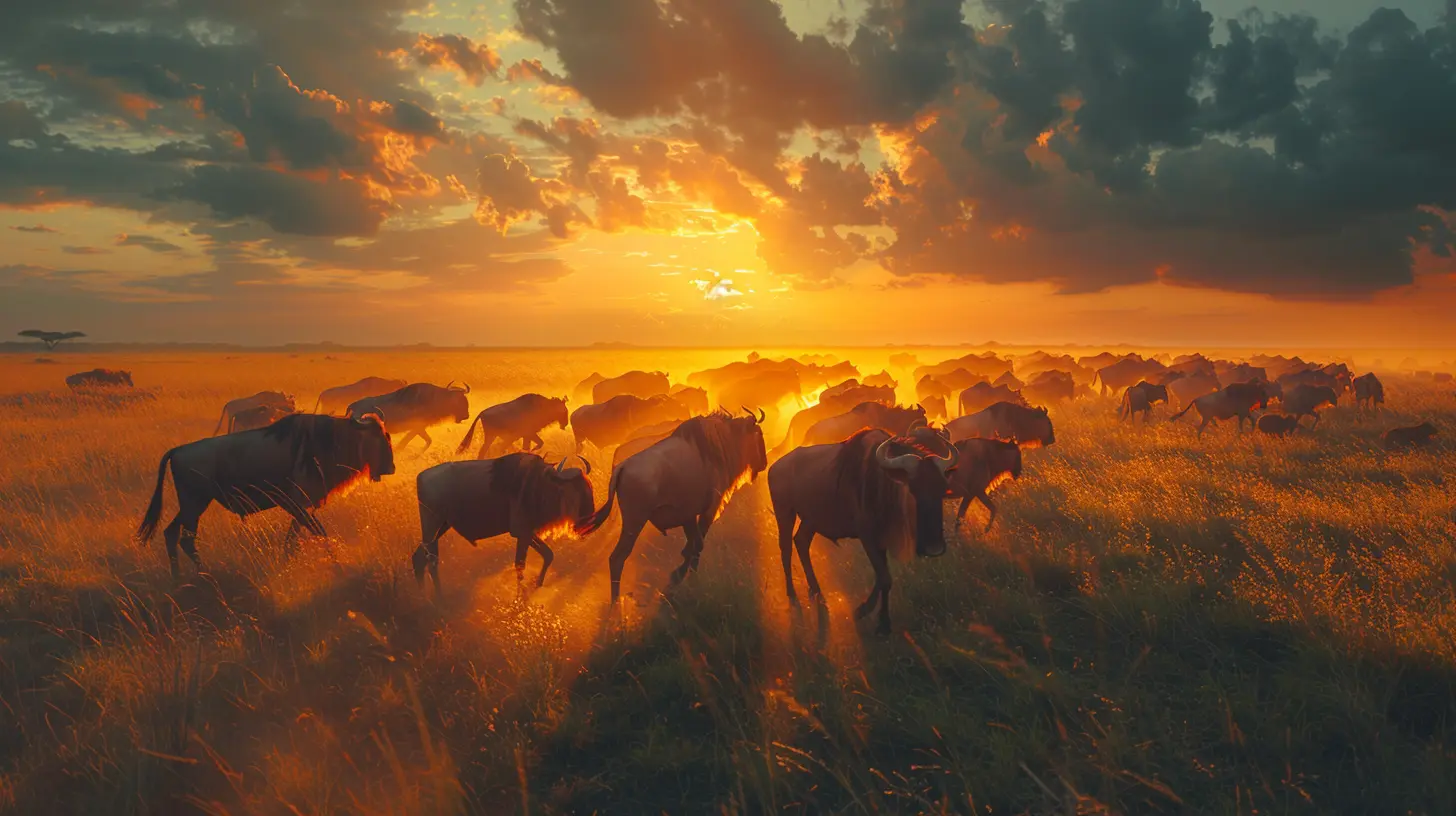
What Is the Great Migration?
If you’ve never heard of the Great Migration, let me break it down for you. Picture this: over two million animals, primarily wildebeests but also zebras and antelopes, embarking on a never-ending odyssey through the golden plains of East Africa. This epic journey isn’t a road trip for the fun of it; it’s a matter of life and death. These animals are constantly chasing fresh grazing pastures while dodging predators, treacherous rivers, and exhaustion.The Great Migration is more than a single event—it’s a continuous loop that unfolds throughout the year, spanning multiple countries, primarily Tanzania and Kenya. It’s an unparalleled testament to the circle of life, where dramatic survival stories unfold daily. What’s more, you get to be a front-row spectator to all the action. Neat, huh?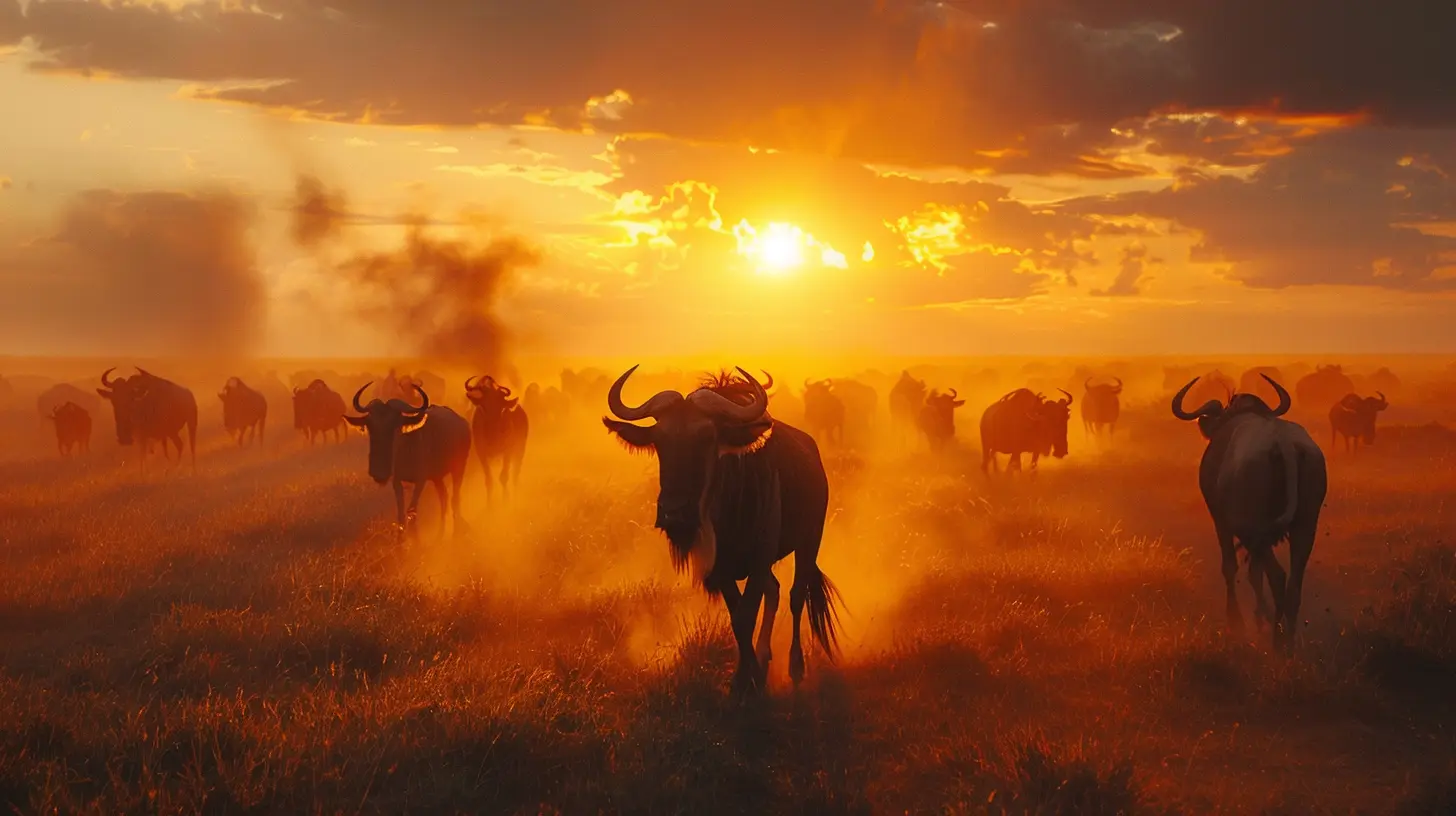
Where Does the Magic Happen?
The magic of the Great Migration is set against the stunning backdrop of the Serengeti National Park in Tanzania and the Masai Mara National Reserve in Kenya. These two iconic wildlife reserves are the heart and soul of the migration. Here’s how it works:- From December to March, herds gather in southern Serengeti to feast on lush grasslands and give birth to adorable calves.
- By April to June, the rains start to wane, and the grass dries out, prompting the herds to head north in search of greener pastures.
- July to October is when things get spicy. The animals reach the Mara River—arguably the most dramatic stage of the migration. Crocodile-infested waters and swift currents block the way, making every crossing a jaw-dropping spectacle.
- Finally, from November onward, the animals complete their loop, returning to the Serengeti just in time for the rainy season.
It's like the ultimate nature documentary, except you’re not watching it on your couch—you're living it!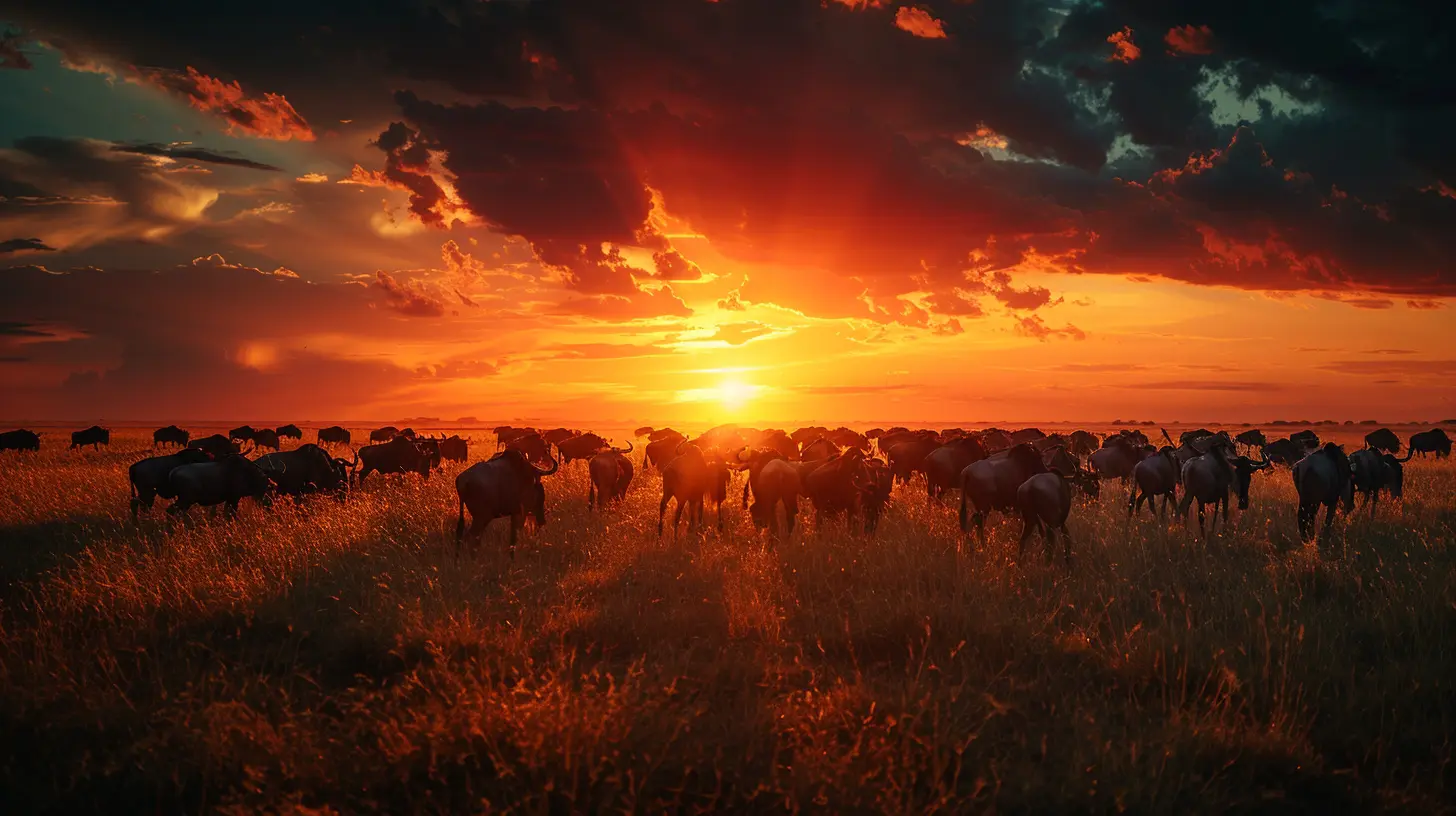
What Makes It So Incredible?
Okay, I know what you’re thinking: “It’s just a bunch of animals walking, right?” Oh no, friend. It’s so much more than that. The Great Migration is pure, unfiltered nature at its best—both beautiful and brutal.1. The Sheer Numbers Are Mind-Blowing
We’re talking about millions of animals moving together, creating this mesmerizing ebb and flow across the landscape. It’s like watching a living, breathing tidal wave sweeping across the savanna. Even if you’re not a wildlife fanatic, the sheer scale of it all will leave you speechless.2. Predator-Prey Showdowns
Did you know the Great Migration is basically the buffet of the year for apex predators? Lions, cheetahs, and hyenas wait patiently, blending into the tall grass, ready to pounce at the perfect moment. Want to know fear? Watch a lioness stealthily stalk a wildebeest under the cover of darkness. Want to know relief? Watch that wildebeest pull off an Olympic-level sprint to freedom. It’s a rollercoaster of emotions!3. River Crossings: Nature's Drama Unleashed
Here’s where things get heart-pounding: the infamous river crossings. Imagine hundreds of thousands of wildebeests funneling toward a raging river, desperate to cross. The water boils with crocodiles lurking just beneath the surface. The herd hesitates, uncertain, until one brave wildebeest takes the plunge. The rest? Chaos. It’s raw, it’s primal, and it’s unforgettable.4. Photographer’s Paradise
If you’ve got a camera (or even just a decent smartphone), get ready to fill up your memory card. The golden light of the African savanna, the dust kicked up by galloping hooves, the dramatic silhouettes—it’s like stepping into a living painting. Whether you’re a pro or a hobbyist, you’ll come away with shots that belong in National Geographic.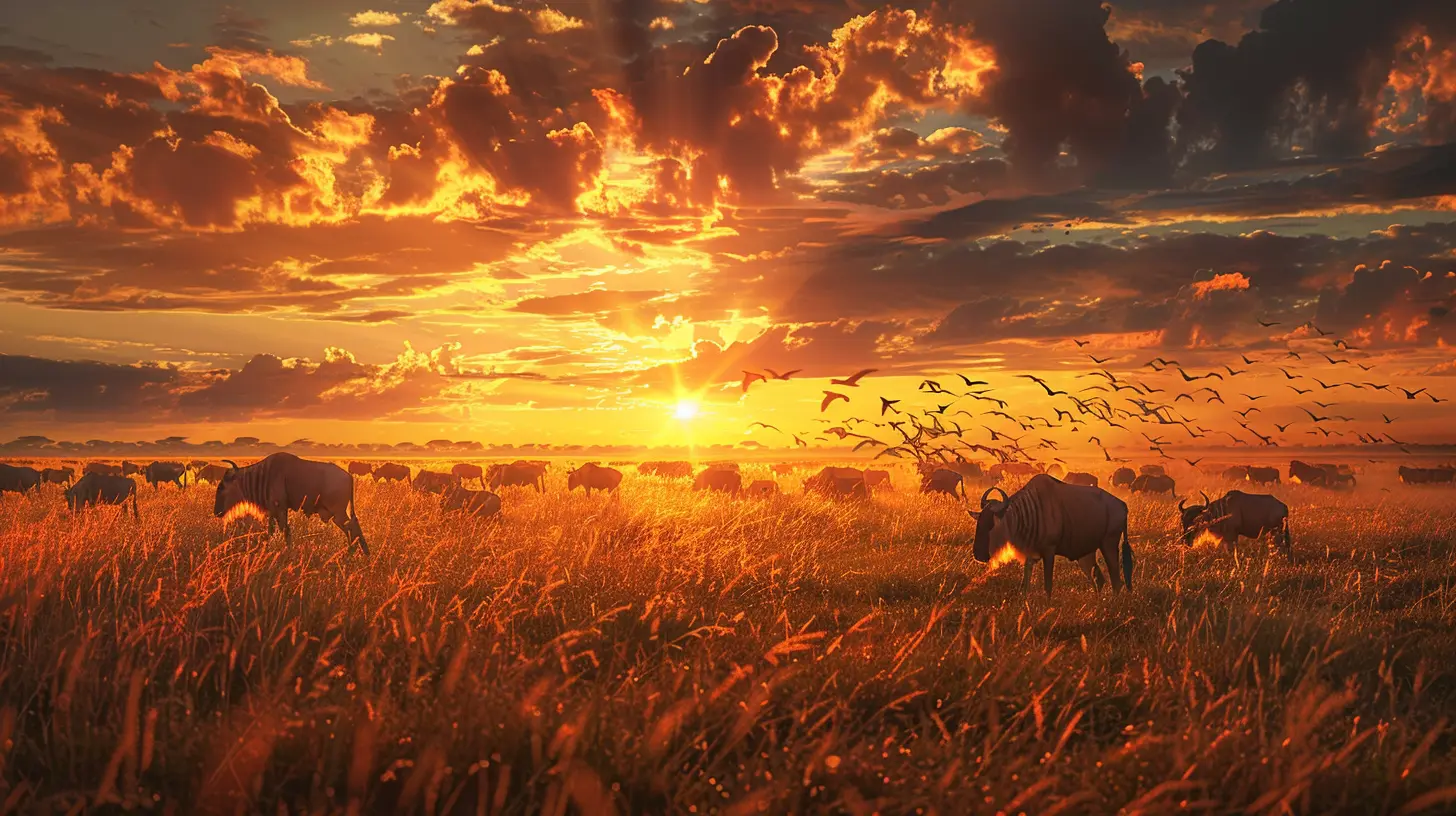
How to Witness the Great Migration
Convinced yet? Great! But how do you actually experience this natural wonder without feeling like a clueless rookie? Don’t worry; I’ve got you covered.1. Timing Is Everything
You’ve got to plan your trip around the migration’s schedule. If you want to see river crossings (and trust me, you do), aim for July to October in the Masai Mara. If baby animals are more your thing, head to the Serengeti between January and February.2. Choose the Right Safari
Not all safaris are created equal. Look for one led by experienced guides who know the migration patterns. Some of the best ones even offer mobile camps that follow the herds, so you’re always where the action is.3. Pack Smart
This isn’t a stroll in the park—it’s the African wilderness. Essentials include:- Comfortable, breathable clothing in neutral colors.
- A good pair of binoculars (trust me, you’ll need them).
- A camera with zoom capabilities to capture all the up-close drama.
- Sunscreen, bug repellent, and a wide-brimmed hat to keep the elements at bay.
Fun Facts About the Great Migration
Because who doesn’t love fun facts? Here are a few nuggets to impress your fellow travelers:- Wildebeests are born to run. Calves can stand and run within minutes of being born. Talk about hitting the ground running!
- The herds cover a staggering 1,800 miles annually. That’s like walking from New York City to Dallas!
- It’s not just mammals. Birds like vultures and eagles are also part of the action, swooping in to clean up after the predators. Nature's clean-up crew, if you will.
Why You Should Go Now
Alright, let’s get real for a second. The Great Migration is a timeless spectacle, but it’s not immune to the challenges our planet is facing. Climate change, poaching, and habitat loss are all putting pressure on this delicate ecosystem. By visiting and supporting eco-friendly tourism initiatives, you’re not just witnessing history—you’re helping to preserve it for future generations.So, if you’ve ever wanted to see nature in all its raw, unfiltered glory, pack your bags and go. The Great Migration is calling, and trust me, it’s worth answering.
Final Thoughts
The Great Migration isn’t just a travel experience—it’s a soul-stirring adventure that will leave you in awe of nature’s genius. Whether you’re watching thousands of wildebeests thunder across the plains or holding your breath during a nerve-wracking river crossing, this is one journey that will stick with you forever. And hey, isn’t that what travel is all about?all images in this post were generated using AI tools
Category:
Wildlife EncountersAuthor:

Ian Powell