Wild Alps: Exploring the Majestic Wildlife of Europe’s Peaks
17 June 2026
When you think of the Alps, what comes to mind? Snow-capped peaks? Cozy chalets? Maybe a thrilling ski run? Well, beyond the breathtaking landscapes and adventure sports, the Alps are home to some of Europe’s most incredible wildlife. From stealthy predators to nimble climbers, the mountains are teeming with fascinating creatures that have adapted to the rugged terrain.
If you've ever wondered what lurks beyond the hiking trails, it's time to dive into the wild side of the Alps. Let's take a journey through these majestic peaks and meet the extraordinary animals that call them home. 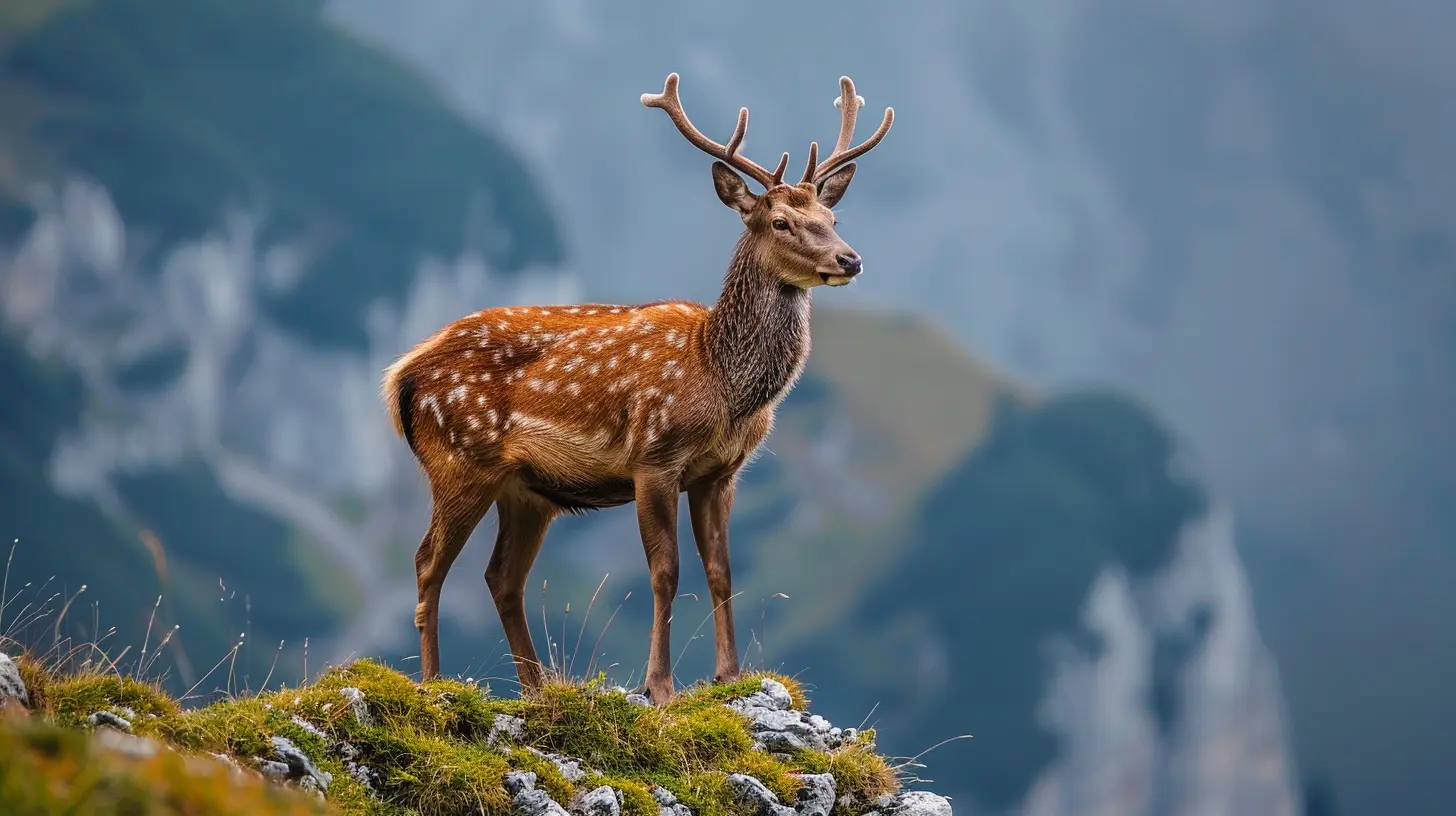
The Wild Heart of Europe
Stretching across eight countries—France, Switzerland, Italy, Germany, Austria, Slovenia, Monaco, and Liechtenstein—the Alps are one of the most diverse ecosystems in Europe. They cover around 192,000 square kilometers, featuring soaring peaks, deep valleys, and endless forests.But what makes the Alpine wildlife so special? It’s all about adaptation. The extreme conditions—harsh winters, strong winds, and high altitudes—have shaped the animals here into some of the most resilient creatures on the planet.
So, who are these mountain dwellers? Let’s meet them! 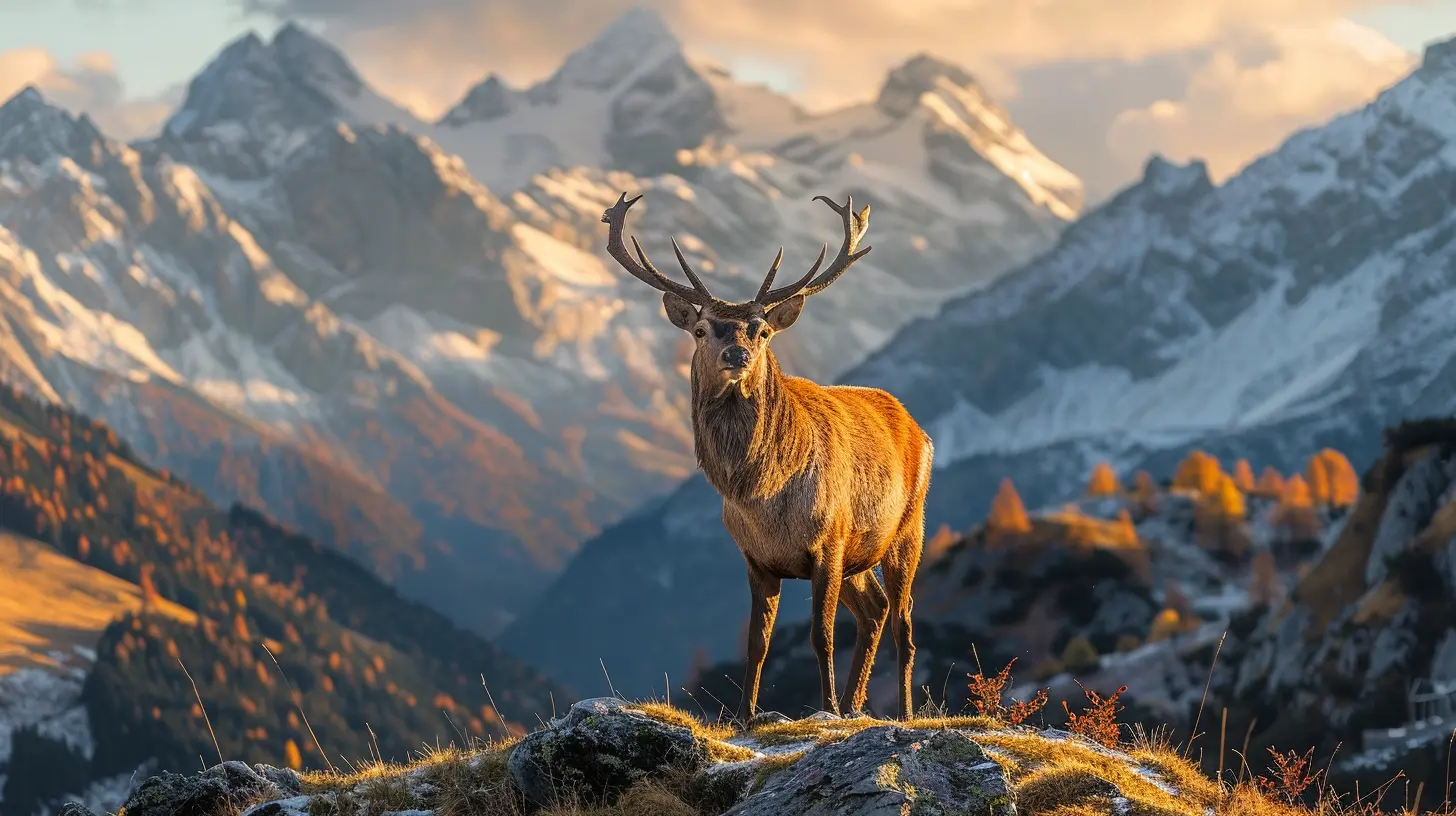
The Kings of the Alps: Iconic Wildlife
1. The Alpine Ibex – The True Mountain Climber
Imagine walking up a vertical cliff with ease—sounds impossible, right? Not for the Alpine ibex! This incredible goat species is known for its insane climbing skills.- Found at altitudes of up to 4,500 meters
- Males have impressive curved horns that can grow up to 1 meter
- Can scale near-vertical mountain faces without breaking a sweat
The ibex was once nearly extinct due to hunting, but conservation efforts have helped their numbers bounce back. If you’re lucky, you might spot one balancing on a rocky ledge as if gravity doesn’t apply to them!
2. The Elusive Eurasian Lynx – The Ghost of the Alps
Stealthy, solitary, and incredibly rare—the Eurasian lynx is the Alps’ most mysterious predator. This big cat prefers dense forests and rocky outcrops where it can sneak up on its prey.- Recognizable by its tufted ears and thick fur
- Can take down prey much larger than itself, including deer
- Mostly nocturnal, making sightings extremely rare
Lynx populations were once wiped out in many Alpine regions due to deforestation and hunting. Thankfully, reintroduction programs have helped bring them back, though they remain one of the hardest creatures to spot in the wild.
3. The Golden Eagle – The Sky’s Fierce Ruler
If you look up in the Alpine skies, you might just see a golden eagle soaring above. These birds are the definition of power and grace.- Wingspan reaches up to 2.3 meters
- Can spot prey from over 3 kilometers away!
- Feeds on marmots, hares, and even small deer
Golden eagles are both feared and revered in Alpine folklore. They are apex predators, meaning they have no natural enemies. Watching one glide effortlessly over the peaks is a sight you won’t forget.
4. The Adorable Alpine Marmot – The Master of Hibernation
Now, let’s talk about one of the Alps’ cutest residents—the Alpine marmot. These furry ground squirrels are social, curious, and full of personality.- Found at altitudes of up to 3,000 meters
- Spend about six months hibernating in underground burrows
- Communicate with loud whistling sounds when danger approaches
Marmots are a favorite sight for hikers, especially in the summer months when they are out sunbathing on rocks. Just be quiet—these little guys are always on the lookout for predators like eagles and foxes!
5. The Chamois – The Agile Sprinter
Looking like a mix between a goat and an antelope, the chamois is another incredible Alpine athlete. These animals are famous for their speed and agility.- Can reach speeds of up to 50 km/h
- Expert at jumping long distances, even on rocky slopes
- Changes coat color with the seasons—darker in winter, lighter in summer
Chamois are commonly seen in early mornings or late evenings, gracefully leaping across cliffs. If you’re trekking in the Alps, keep an eye out for these nimble creatures bounding through the mountains. 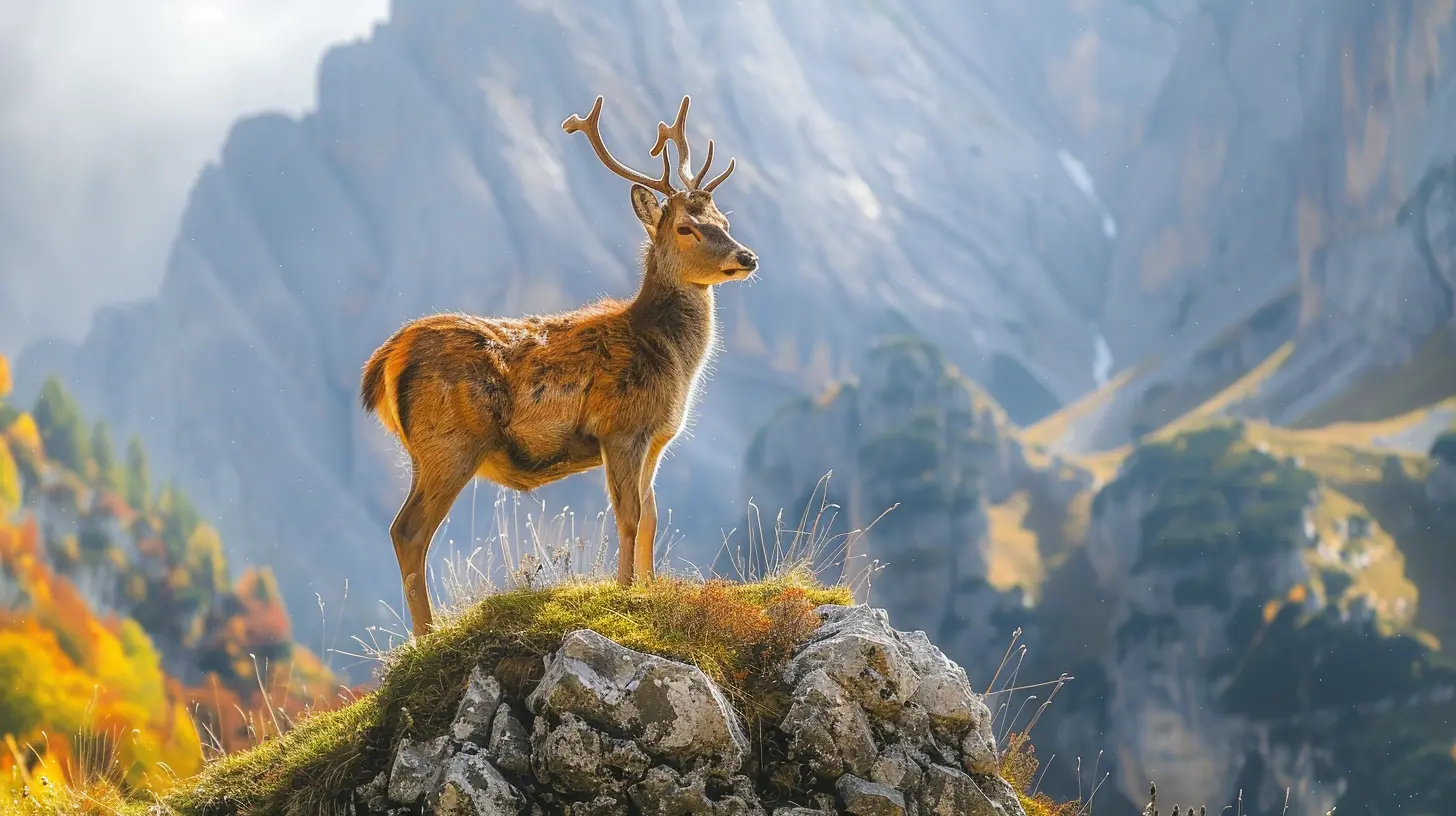
Smaller But Just as Fascinating
While the big animals steal the spotlight, the Alps are also home to some stunning smaller creatures.1. The Fire Salamander – Small but Mighty
Ever seen a black-and-yellow spotted amphibian crawling through the forests? That’s the fire salamander, and despite its small size, it packs a toxic punch.- Prefers cool, damp environments
- Secretes toxic substances as a defense mechanism
- Mostly active at night
These little guys hide under logs and rocks, so spotting one during the day is rare. But if you’re lucky, you might just catch a glimpse of this Alpine gem!
2. The Apollo Butterfly – A Rare Beauty
High up in the Alpine meadows, you might spot one of Europe’s most breathtaking butterflies—the Apollo butterfly.- Pure white wings with striking red and black spots
- Found at elevations between 1,000 and 2,500 meters
- Sadly, their populations are declining due to habitat loss
Seeing an Apollo butterfly fluttering across a summer meadow is like witnessing a living work of art. 
Alpine Conservation: Protecting This Unique Ecosystem
The Alps are a fragile ecosystem, and the wildlife here faces numerous threats, including:- Climate change – Rising temperatures are impacting habitats
- Deforestation – Reducing shelter for many species
- Human activities – Tourism, skiing, and urban expansion disrupt wildlife
Thankfully, conservation organizations and national parks are working hard to protect this precious environment. Efforts like rewilding projects, habitat restoration, and stricter regulations on hunting are helping to ensure that future generations can experience the untamed beauty of the Alps.
How to Experience Alpine Wildlife Responsibly
Want to see these incredible creatures for yourself? Here are a few tips to make sure your visit doesn’t harm their habitat:1. Stick to marked trails – Avoid disturbing wildlife by walking in restricted areas.
2. Keep your distance – No selfies with marmots, please!
3. Respect quiet zones – Many Alpine parks have areas where noise is discouraged.
4. Don’t feed the animals – Human food isn’t good for them.
5. Travel sustainably – Use eco-friendly transport options when visiting the Alps.
With the right approach, you can enjoy the wild beauty of the Alps while ensuring the animals remain safe and undisturbed.
Final Thoughts
The Alps aren’t just about dramatic peaks and postcard-perfect views. They are a living, breathing wildlife sanctuary, home to some of Europe’s most awe-inspiring creatures. From the daring Alpine ibex to the elusive lynx and the graceful golden eagle, every corner of these mountains holds a story.So, next time you find yourself in the Alps, take a moment to look beyond the scenery. You just might witness nature at its most wild and wonderful.
all images in this post were generated using AI tools
Category:
Wildlife EncountersAuthor:

Ian Powell
Discussion
rate this article
1 comments
Jacqueline Gomez
The Wild Alps sound incredible! Can't wait to explore Europe's stunning wildlife...
July 30, 2026 at 4:38 PM