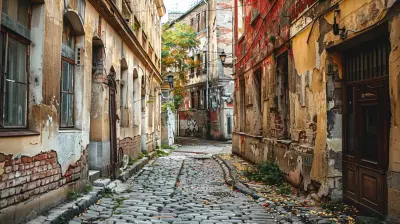
Why Thailand’s Songkran Festival Will Be Even Bigger in 2026
28 April 2026
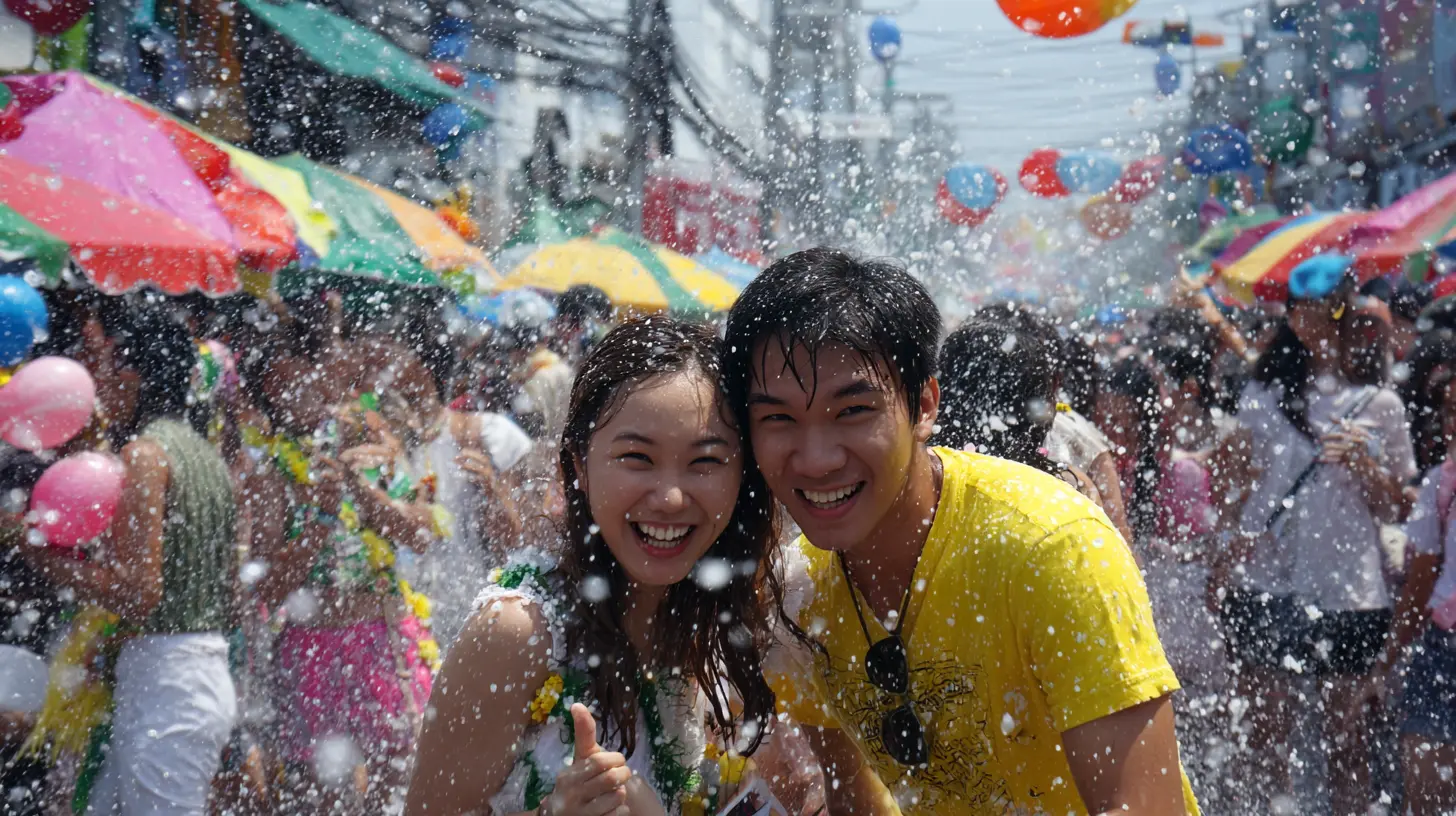
Picture this: you’re standing on a bustling street in Chiang Mai, a water gun in one hand, a grin on your face, and absolutely zero care in the world. The air smells like jasmine and sunblock. Somewhere, a tuk-tuk driver is blasting Thai pop music, and a kid just dumped a bucket of ice-cold water down your back. You’re soaked, you’re laughing, and you’re thinking, “Why hasn’t anyone told me about this before?” Well, friend, you’re thinking about Songkran—Thailand’s legendary New Year water festival. And if you think it’s wild now, just wait. Songkran in 2026 is shaping up to be the biggest, boldest, and most unforgettable version yet.
I’m not just hyping you up for clicks. There are real, tangible reasons why 2026 will be a watershed moment for this festival—pun totally intended. From government mega-plans to cultural revivals, from global tourism rebounds to eco-conscious twists, the stars are aligning. Let me walk you through why you should already be marking your calendar.
The Comeback of the Century: Post-Pandemic Travel Boom Hits Full Stride
Let’s be honest: the last few years were a wet blanket on global travel. But by 2026, the world will have fully shaken off the cobwebs. Air travel capacity is projected to surpass pre-2019 levels, and Thailand is already seeing record-breaking visitor numbers. In 2023 and 2024, the country welcomed over 28 million tourists annually. By 2026, that number could easily hit 40 million. Why? Because people are hungry—ravenous, even—for authentic experiences. They want to feel something again.Songkran is the ultimate sensory overload. It’s not just a party; it’s a cathartic release. After years of lockdowns, social distancing, and muted celebrations, the world is ready to get absolutely drenched in joy. 2026 will be the first year where the psychological hangover of the pandemic is truly gone. Think of it like this: if 2023 was the cautious first dip of a toe into the water, 2026 will be a cannonball off the high dive.
Thailand’s Government Is Going All In
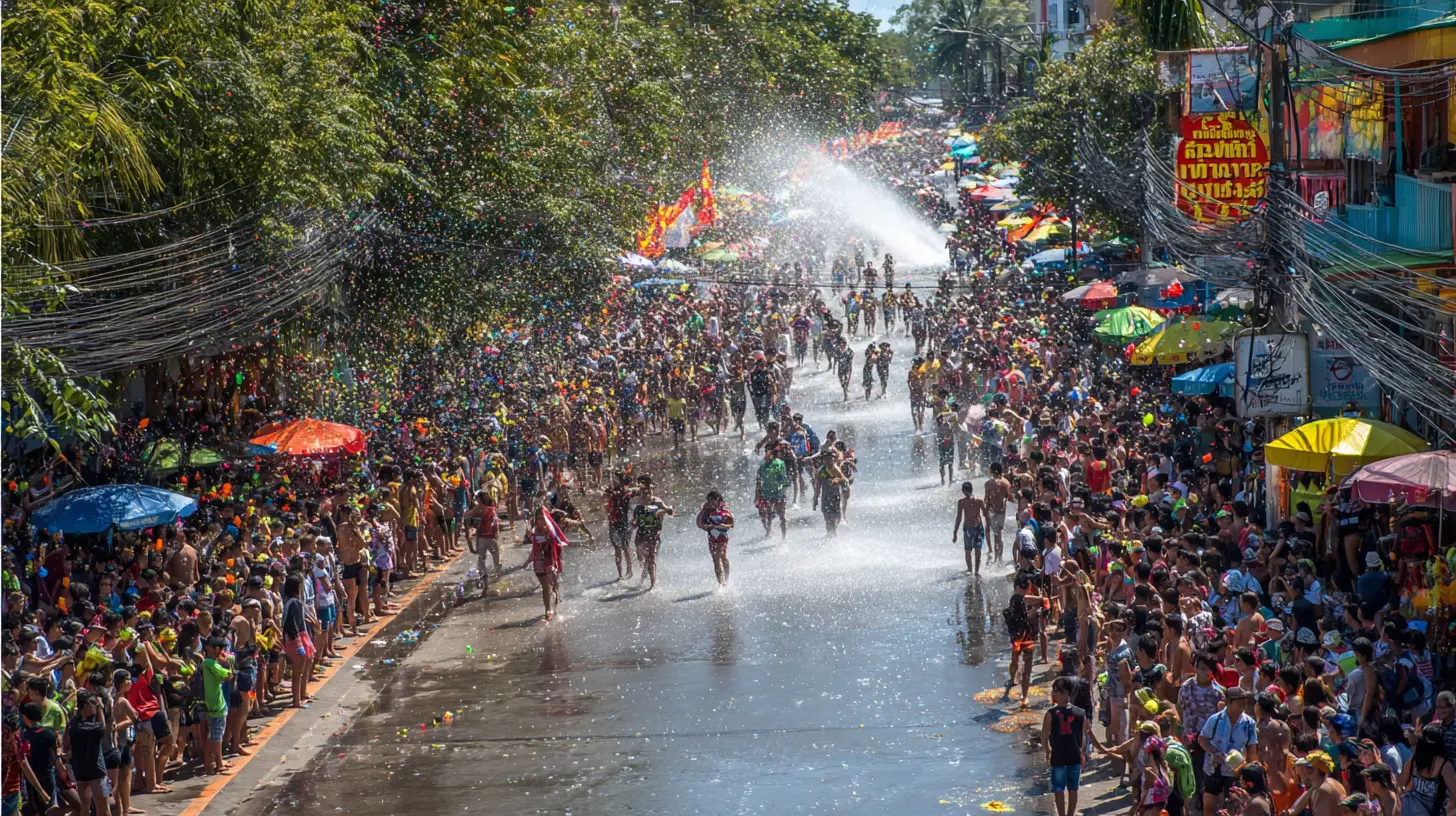
Here’s a little insider scoop: the Tourism Authority of Thailand (TAT) isn’t messing around. They’ve publicly announced that Songkran will be elevated to a “World-Class Festival” status. They’ve allocated massive budgets for infrastructure, promotions, and international marketing. We’re talking about partnerships with global influencers, live-streamed water battles, and even synchronized drone shows over the Chao Phraya River.In 2026, expect to see “Songkran Mega-Zones” in every major city—Bangkok, Chiang Mai, Phuket, Pattaya, and Khon Kaen. These aren’t just street parties; they’re curated experiences with stages, DJs, food villages, and cultural exhibitions. The government wants to double the economic impact from tourism during the festival period. And you know what that means? More bang for your buck—literally, with more water, more music, and more spectacle.
But it’s not just about partying. The Thai Ministry of Culture is also pushing for a “Heritage-First” approach. They’re reviving ancient rituals like the “Rod Nam Dam Hua” (a pouring of water over elders’ hands as a sign of respect) and the building of sand pagodas at temples. In 2026, you won’t just get soaked; you’ll get a deep, authentic dive into Thai culture. It’s like getting a history lesson with a side of water balloons.
The “Green Songkran” Revolution
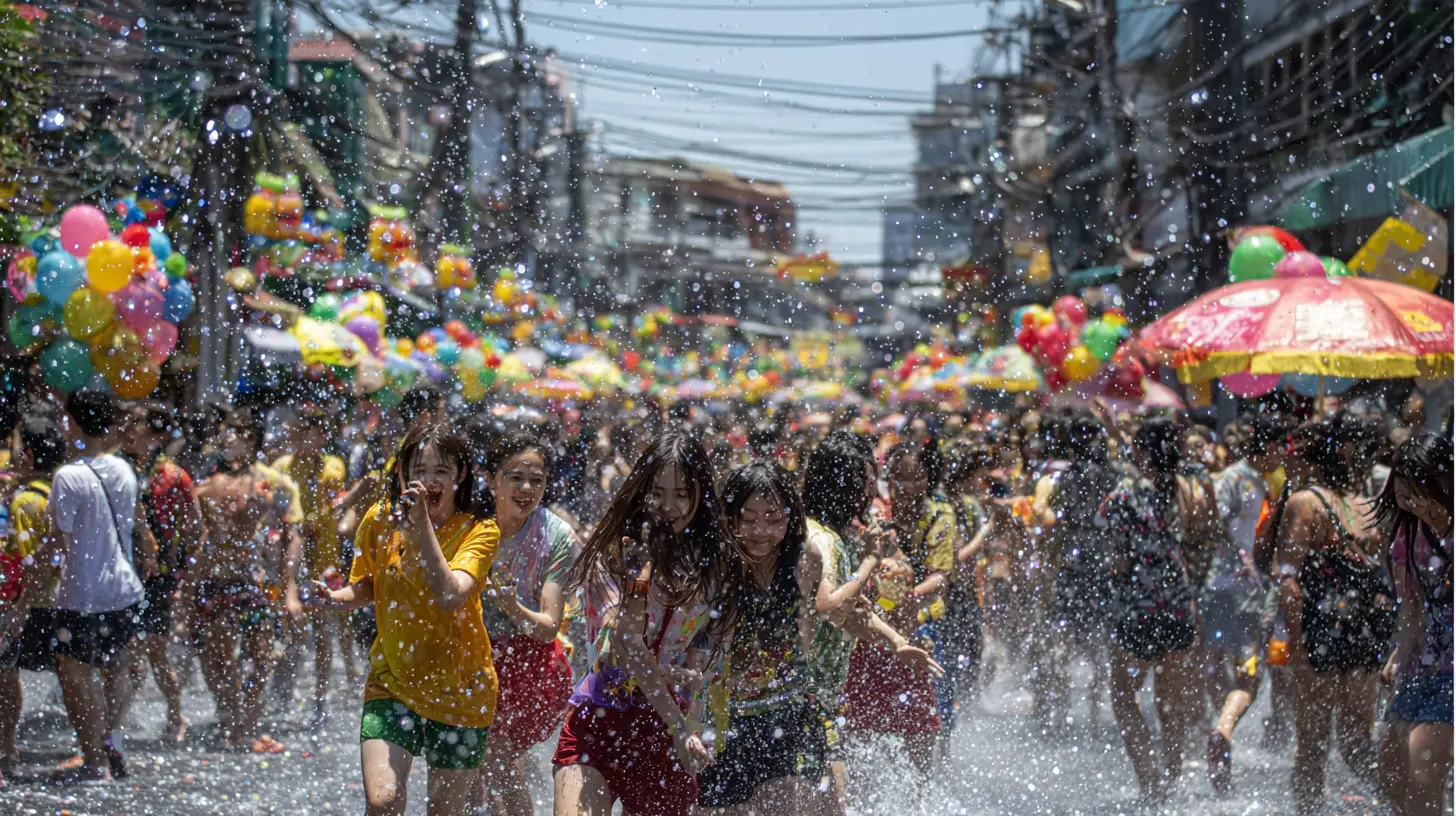
Sustainability is no longer a buzzword—it’s a mandate. And Thailand is listening. Past Songkrans have faced criticism for water waste and plastic pollution. But by 2026, the festival is undergoing a massive eco-makeover. Expect biodegradable water guns, refill stations instead of single-use plastic bottles, and “water-free” zones where traditional powder (din sor pong) is replaced with organic, plant-based alternatives.Several provinces are piloting “No-Waste Songkran” initiatives. For example, in Chiang Mai, they’re banning the use of foam coolers and plastic cups in the Old City moat area. Instead, you’ll see bamboo cups and reusable water containers. This isn’t just good for the planet—it’s good for your conscience. You can party hard and still sleep easy knowing you didn’t leave a wake of plastic behind.
Think of it as the difference between a messy frat party and a thoughtfully curated festival. 2026’s Songkran will feel more intentional, more mature, and more inclusive. And that’s exactly what attracts a new kind of traveler—the eco-conscious adventurer who wants to have fun without the guilt.
The Return of the “Mega-Water Fight” in Khao San Road
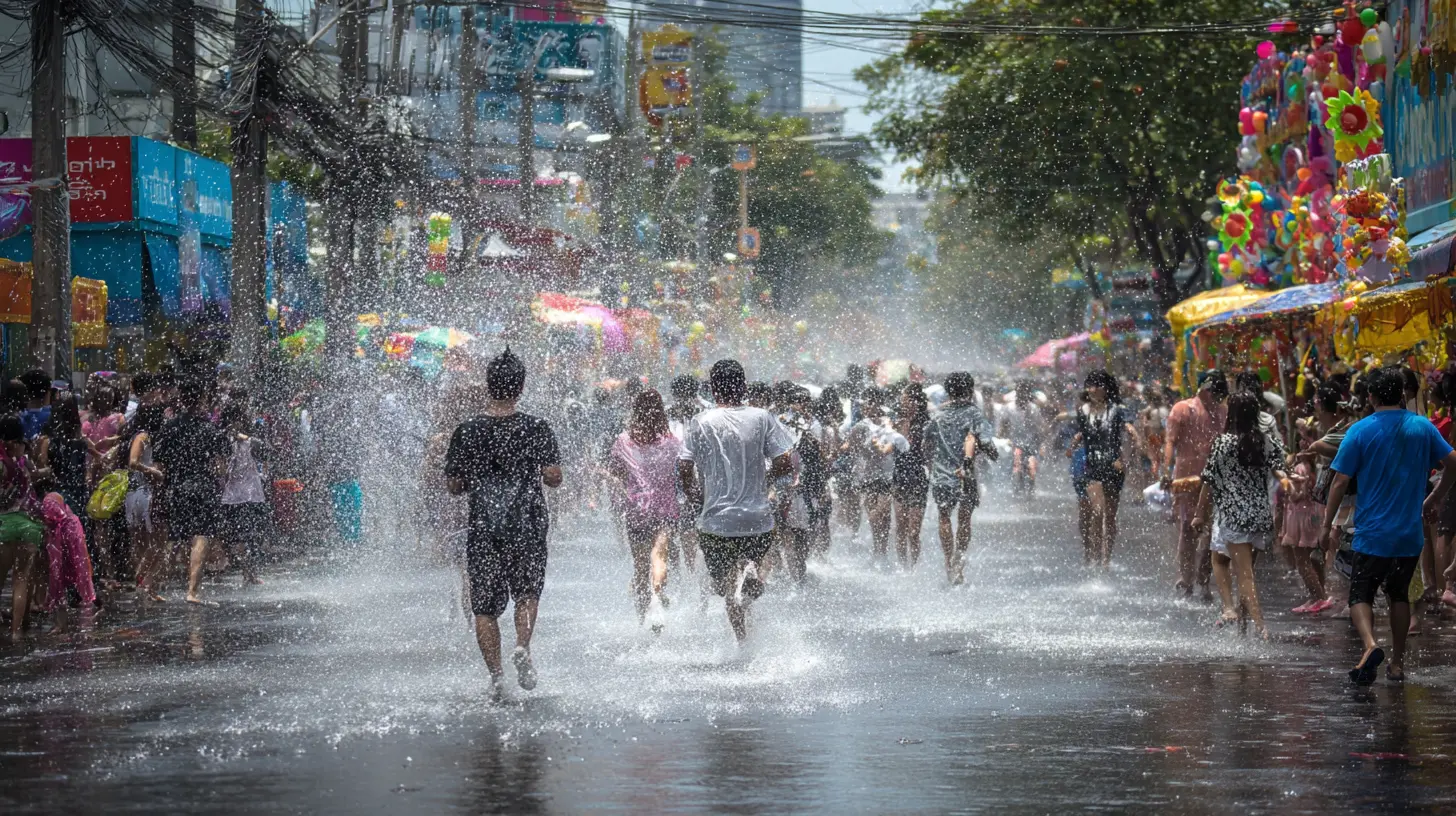
Let’s talk about the elephant in the room—or rather, the elephant-shaped water cannon. Khao San Road in Bangkok has been the epicenter of Songkran madness for decades. But in recent years, it’s become a bit… well, overcrowded and chaotic. In 2026, the authorities are finally addressing this. They’re widening the street, adding more entry and exit points, and implementing a ticketed system for prime spots. Yes, you read that right—ticketed water fights.But don’t worry, it’s not about gatekeeping fun. It’s about safety and quality. With controlled crowds, you’ll have more room to dance, more space to aim, and less chance of losing your wallet. Plus, they’re adding elevated platforms for DJ sets and live bands. Imagine spraying water from a second-story balcony while a Thai rock band plays a cover of “Happy” by Pharrell. That’s the vibe.
And here’s the kicker: the “World Water Festival” concept is being exported. In 2026, Songkran will be simultaneously celebrated in major cities like London, New York, and Sydney via satellite events. So even if you can’t make it to Thailand, you can still get a taste. But let’s be real—nothing beats the real thing.
The “Digital Water Festival” Experience
We live in a hyper-connected world, and Songkran 2026 is embracing it fully. Expect a companion app that’s part map, part social network, part game. You’ll be able to check real-time water fight locations, see where the biggest crowds are, and even earn digital badges for visiting temples or participating in eco-initiatives. Think of it like Pokémon Go, but with water guns and merit-making.There’s also talk of augmented reality (AR) water fights. You point your phone at a friend, and virtual water splashes appear on screen. It sounds gimmicky, but it’s actually brilliant for people who want to participate without getting soaked (hello, grandparents and phone-phobics). 2026 will be the year where tradition and tech finally hold hands and dance in the rain.
Cultural Revival: The “Lost” Rituals Make a Comeback
Here’s something most tourists miss: Songkran isn’t just about water. It’s about renewal, cleansing, and family. In 2026, there’s a concerted effort to bring back the quieter, more spiritual aspects of the festival. For example, the “Bathing of the Buddha” ceremony—where you pour scented water over a Buddha statue at a temple—is being promoted as a must-do activity. Many temples are even offering guided ceremonies in English.Then there’s the “Sand Pagoda” tradition. Locals bring sand to temples to replace the dirt they’ve carried away on their feet throughout the year. In 2026, you’ll find workshops where you can build your own small sand pagoda and decorate it with flowers and flags. It’s meditative, beautiful, and a perfect Instagram moment that’s actually meaningful.
Don’t be surprised if you see more “Water Blessing” stations at airports and train stations. The idea is that Songkran is a time to wash away bad luck and start fresh. In 2026, that concept will be everywhere—from hotel lobbies to shopping malls. You won’t just be a tourist; you’ll be a participant in a centuries-old ritual.
The Food Scene Gets a Watery Upgrade
You can’t talk about a festival without talking about food. And Songkran has always had incredible street food—grilled meats, sticky rice, mangoes. But in 2026, the culinary scene is exploding. Expect “Songkran Food Markets” that are open 24 hours during the festival. We’re talking about pop-up stalls serving “water-themed” dishes like seafood platters with lemongrass ice, coconut water cocktails, and even “watermelon towers” that you eat with your hands.There’s also a trend toward “cooling” foods that help you beat the heat. Think basil seed drinks, chilled tom yum soup, and fruit shakes made with local durian (if you’re brave). The idea is that the entire festival becomes a multisensory journey—taste, touch, sound, and sight all blending together.
And yes, you’ll find plenty of ice-cold beer. But 2026 is also seeing a rise in non-alcoholic options, like mocktails infused with Thai herbs. The message is clear: you can party without the hangover.
Why You Should Care (And Book Now)
I know what you’re thinking: “This sounds amazing, but is it really going to be that different?” Absolutely. The combination of post-pandemic energy, government investment, cultural revival, sustainability, and tech integration creates a perfect storm. Songkran 2026 isn’t just a bigger party—it’s a better, smarter, and more meaningful one.Think of it like this: if Songkran 2023 was a backyard barbecue, 2026 is the Super Bowl halftime show. The scale is enormous, but the soul remains intact. You’ll still feel the warmth of a Thai smile when a stranger pours a bucket of water over your head. You’ll still taste the sweetness of mango sticky rice. You’ll still hear the laughter echoing through ancient streets.
So, what’s holding you back? Start planning now. Book your flights early because prices will skyrocket. Reserve a hotel near the action but not right in the middle of it (trust me, you’ll want a quiet place to dry off). And most importantly, come with an open heart and a waterproof phone case.
Songkran 2026 isn’t just a festival—it’s a statement. It’s Thailand saying, “We’re back, and we’re better than ever.” And you’re invited to the splash of the century.
all images in this post were generated using AI tools
Category:
Local TraditionsAuthor:

Ian Powell
Discussion
rate this article
1 comments
Mabel Forbes
Get ready for water fights like never before! You might want to invest in a waterproof phone!
June 7, 2026 at 3:33 PM
Ian Powell
Sounds like a blast! A waterproof phone is definitely a smart idea for all the fun ahead.