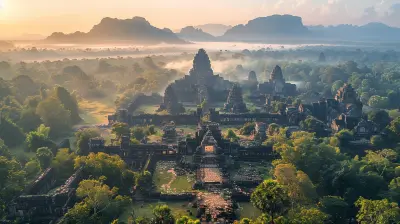
Walking Through History: The World’s Most Iconic UNESCO Sites
24 January 2026
Have you ever wondered what it feels like to walk through history? To step onto ancient stones where kings once stood or to gaze upon architectural wonders built centuries ago? UNESCO World Heritage Sites offer a unique chance to do just that. These places aren’t just tourist attractions—they are living, breathing remnants of our collective past.
From the mighty pyramids of Egypt to the ancient cities of Asia and the stunning structures of Europe, these sites tell the story of human civilization. So, let's lace up our walking shoes and journey through some of the world’s most iconic UNESCO sites!
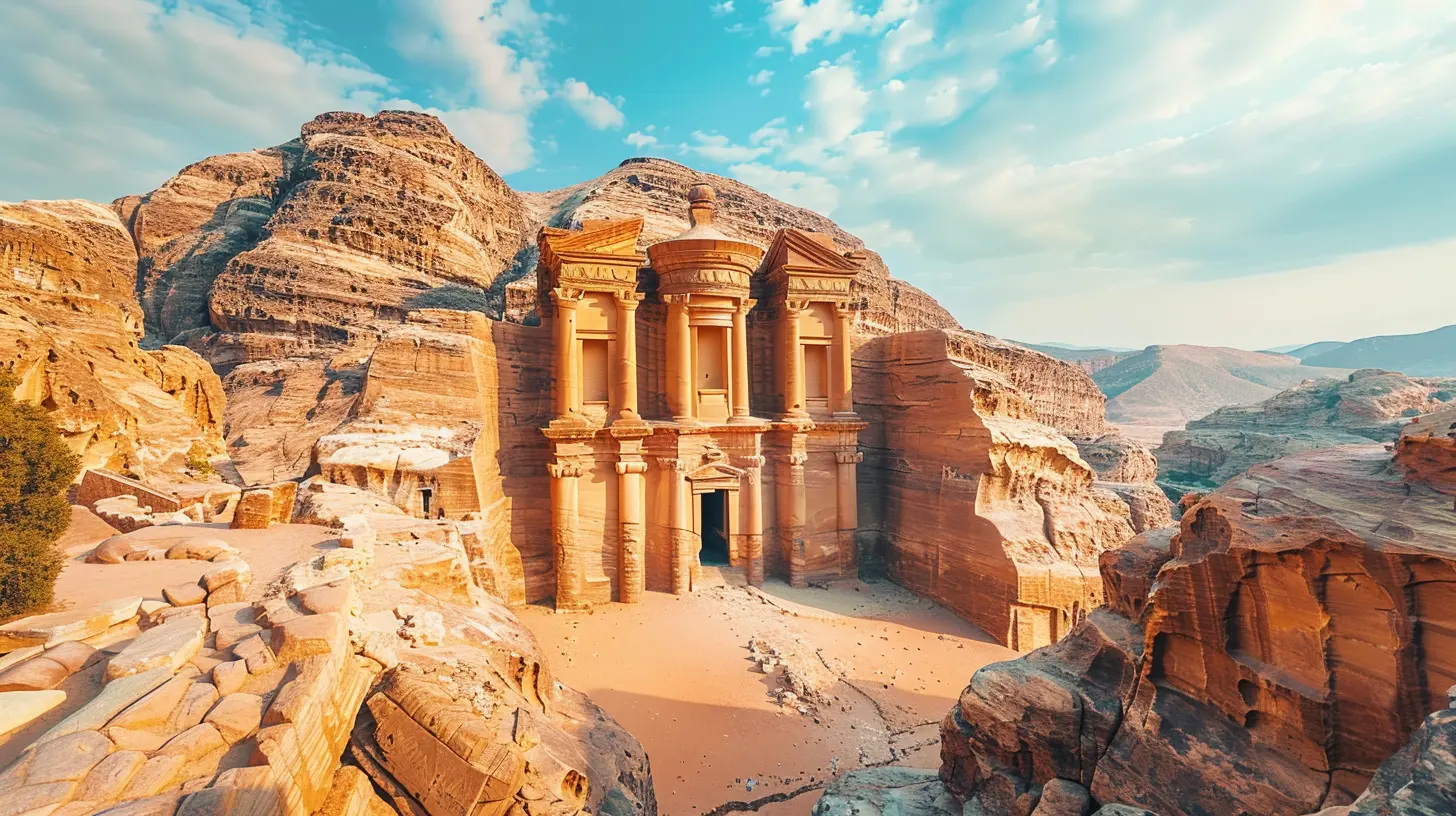
1. The Great Wall of China (China)
A Wall That Stretches Across TimeThe Great Wall of China isn’t just a wall—it's a symbol of strength, perseverance, and ingenuity. Spanning over 13,000 miles, this massive structure has stood for centuries, guarding against invasions and guiding trade along the Silk Road.
Walking along the Great Wall gives you a true sense of history. Imagine the soldiers who once patrolled these rugged paths, watching for intruders. Today, visitors can explore well-preserved sections like Badaling and Mutianyu, each offering breathtaking views of the landscape.
> Tip: Visit during sunrise or sunset for stunning photography opportunities without the crowds.
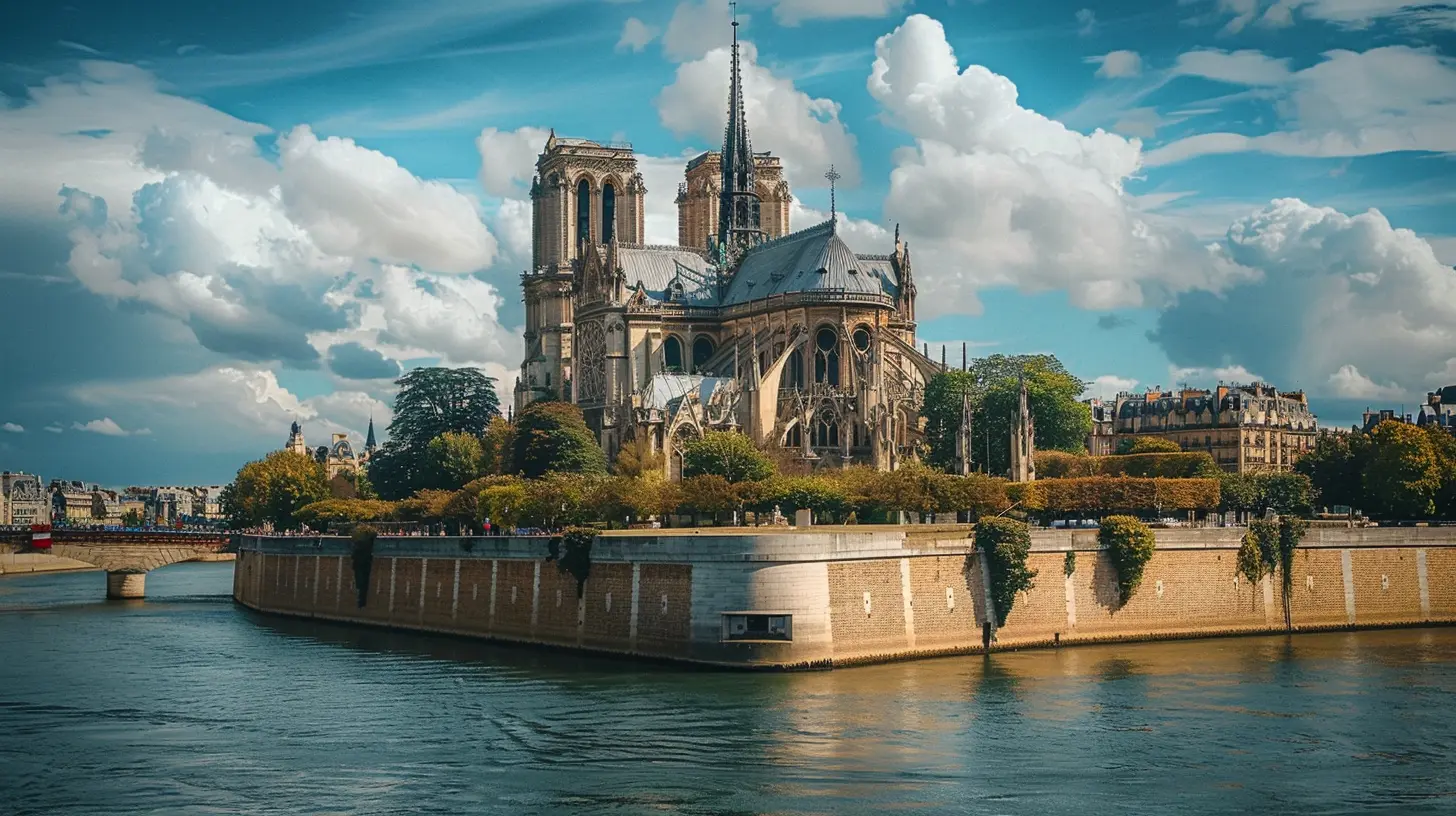
2. Machu Picchu (Peru)
The Lost City of the IncasHidden high in the Andes Mountains, Machu Picchu is a mesmerizing sight. This 15th-century Incan city remained a secret from the outside world until its rediscovery in 1911. Today, it stands as one of the most awe-inspiring archaeological wonders on the planet.
Walking through Machu Picchu feels like stepping back in time. The terraced fields, intricate stonework, and sacred temples showcase the incredible engineering skills of the Inca civilization. Whether you arrive via the famous Inca Trail or take the train, the view from the Sun Gate is absolutely worth the effort.
> Fun Fact: No mortar was used to hold the stones together—yet they have withstood earthquakes for centuries!
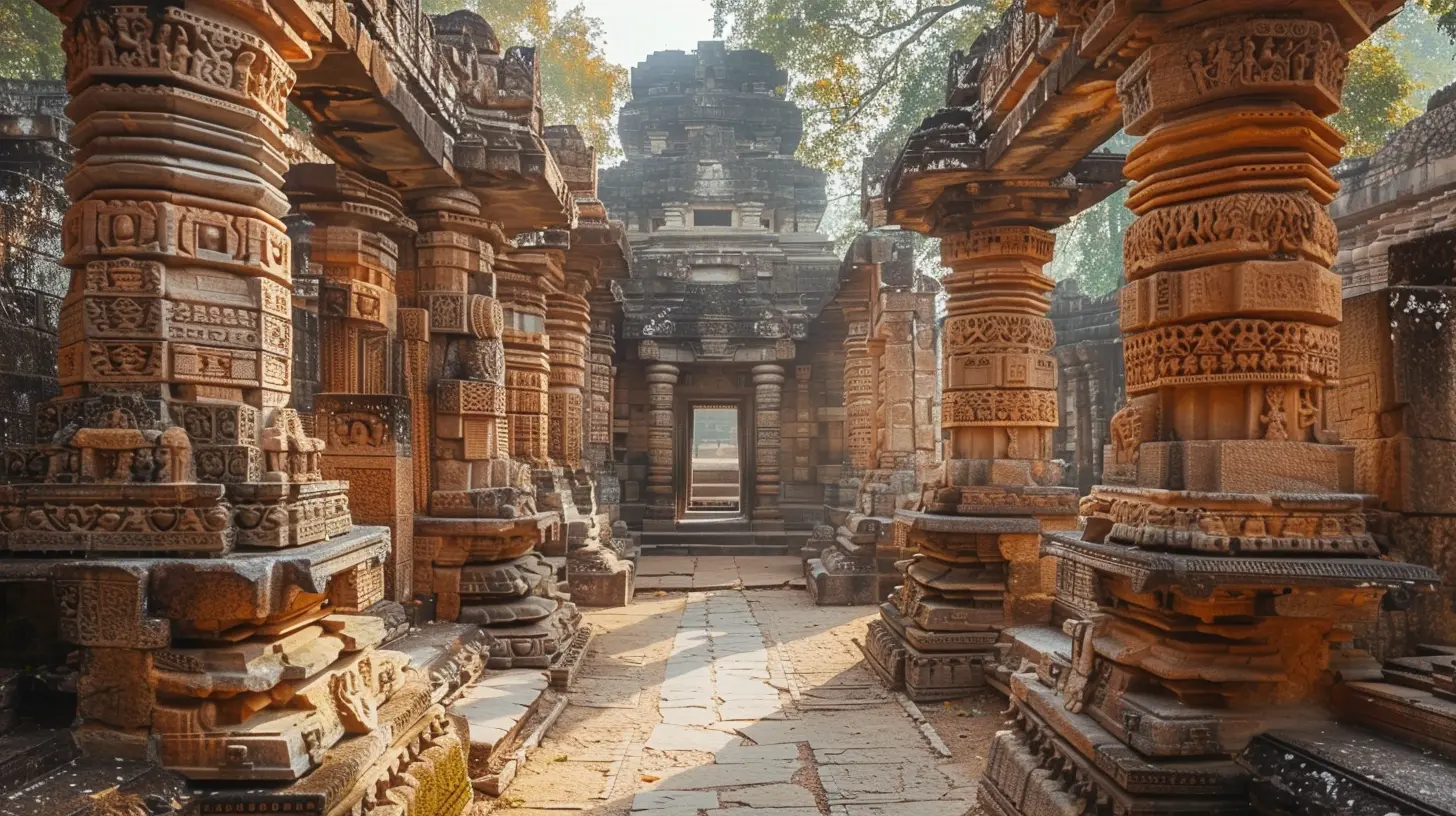
3. Petra (Jordan)
A Rose-Red City Carved into RockKnown as the “Rose City” due to its stunning pink-hued sandstone cliffs, Petra is one of the world’s greatest archaeological treasures. This ancient Nabatean city, carved into the cliffs over 2,000 years ago, was once a bustling trade center.
The walk through the narrow Siq—a dramatic canyon leading into Petra—is an adventure in itself. As you exit the canyon, the breathtaking view of Al-Khazneh (The Treasury) suddenly appears before you. It’s a moment straight out of an Indiana Jones film!
> Must-See Spot: Climb up to the Monastery (Ad Deir) for a quieter but equally stunning view of Petra.
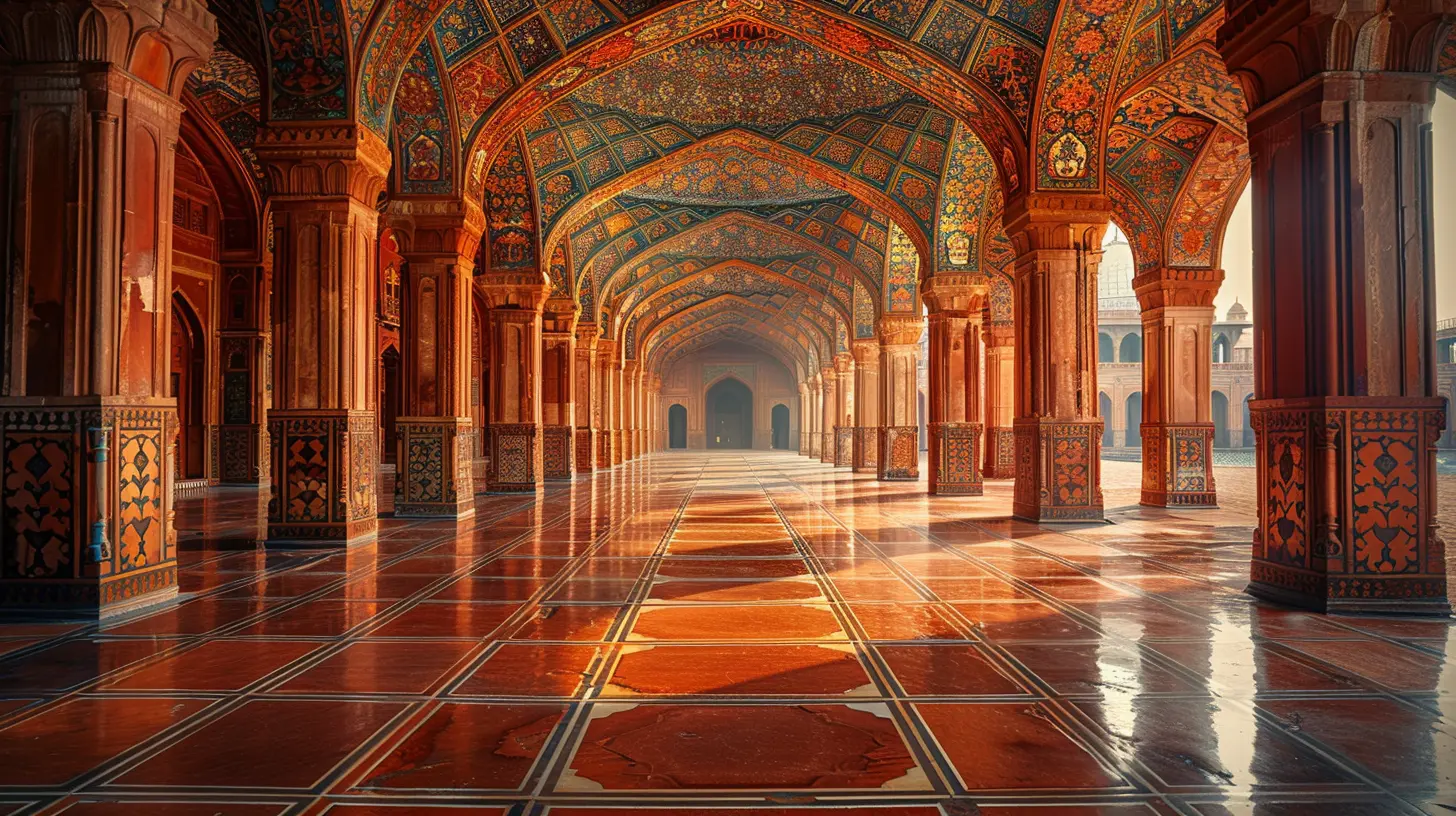
4. The Colosseum (Italy)
Where Gladiators Once BattledRome’s Colosseum isn’t just an amphitheater—it’s a place where history comes to life. Built in 80 AD, this massive arena once hosted epic gladiator battles, chariot races, and even mock naval battles. Standing inside this ancient structure, you can almost hear the roar of 50,000 spectators cheering for their favorite warriors.
Walking through its archways and underground tunnels, you get a real sense of how advanced Roman engineering was. It’s not just a ruin; it's a window into the grand spectacles that defined the Roman Empire.
> Pro Tip: Visit early in the morning or late in the evening to avoid the crowds and truly soak in the atmosphere.
5. The Pyramids of Giza (Egypt)
Monuments to the PharaohsThe Pyramids of Giza are the ultimate icons of ancient Egypt. Built over 4,500 years ago, they remain one of the greatest architectural achievements of all time. The sheer size and precision of these structures make them an unbelievable sight to behold.
Standing in front of the Great Pyramid of Khufu, you can’t help but wonder: How did they build these without modern technology? Theories range from incredible manpower to alien intervention (though historians strongly disagree with the latter!). And let’s not forget the enigmatic Sphinx, guarding the pyramids with its weathered but majestic face.
> Best Experience: Take a camel ride at sunset for a magical view of the pyramids.
6. Angkor Wat (Cambodia)
The Largest Religious Monument on EarthDeep in the jungles of Cambodia, Angkor Wat rises like something straight out of a fantasy novel. Originally built as a Hindu temple in the 12th century, it later became a Buddhist site and remains a sacred place today.
Walking through its intricate corridors, you'll be amazed by the detailed carvings depicting ancient myths and battles. As the sun rises over its towering spires, Angkor Wat transforms into a breathtaking golden spectacle—one of the most iconic sights in Southeast Asia.
> Pro Tip: Arrive before dawn to witness the sunrise—it’s worth the early wake-up call!
7. Stonehenge (United Kingdom)
A Prehistoric PuzzleNo one really knows why Stonehenge was built, and that’s part of what makes it so fascinating. This mysterious circle of massive stones, dating back over 5,000 years, continues to puzzle historians and archaeologists alike. Was it a burial site? A solar calendar? A place of worship?
Whatever its purpose, there's no denying its magnetism. Walking around Stonehenge, you can’t help but feel a deep connection to the ancient people who painstakingly arranged these giant stones, likely using nothing more than sheer will and primitive tools.
> Best Time to Visit: The summer solstice, when the sunrise aligns perfectly with the stones.
8. The Taj Mahal (India)
A Monument to LoveFew monuments in the world are as breathtaking as the Taj Mahal. Built in the 17th century by the Mughal Emperor Shah Jahan in memory of his beloved wife, this white marble masterpiece is the ultimate symbol of love.
As you walk through its grand entrance and see the Taj Mahal bathed in soft morning light, it's impossible not to be moved. Everything about it—from the symmetrical gardens to the intricate marble inlays—reflects an unparalleled level of artistry.
> Photography Tip: The best shots are taken during sunrise or sunset when the marble glows in shifting hues.
9. Chichén Itzá (Mexico)
Echoes of the Mayan EmpireDeep in the Yucatán Peninsula, the ruins of Chichén Itzá stand as a powerful reminder of the Mayan civilization. The highlight? El Castillo, a giant step-pyramid aligned perfectly with astronomical events.
Twice a year, during the spring and autumn equinox, a shadow resembling a serpent slithers down the pyramid’s steps. It’s a stunning spectacle that showcases the Mayans’ advanced understanding of astronomy.
> Must-Do: Clap your hands in front of El Castillo and hear the eerie echo that mimics the call of a quetzal bird!
Final Thoughts
Walking through history isn’t just about seeing ancient ruins—it’s about experiencing the stories they hold. Each UNESCO site offers a glimpse into the past, connecting us with civilizations that shaped the world we live in today.Whether you're standing atop the Great Wall, marveling at the Pyramids of Giza, or watching the sunrise over Angkor Wat, these places remind us that history isn’t something confined to textbooks—it's alive in the very stones beneath our feet.
So, where will your next adventure take you?
all images in this post were generated using AI tools
Category:
Unesco SitesAuthor:

Ian Powell
Discussion
rate this article
2 comments
Freya Harmon
What a beautiful tribute to our planet's rich heritage! Exploring these UNESCO sites not only connects us to history but also inspires a deeper appreciation for diverse cultures and stories. Thank you!
February 15, 2026 at 5:56 AM
Ian Powell
Thank you for your kind words! I'm glad the article resonated with you and highlighted the beauty and significance of our planet's UNESCO sites.
Karen Davis
Exploring UNESCO sites isn’t just travel; it’s a pilgrimage through time. Embrace the rich tapestry of culture, history, and heritage—because these treasures deserve your awe and respect.
January 28, 2026 at 5:46 PM
Ian Powell
Thank you! Traveling to UNESCO sites truly offers a profound connection to our shared heritage and history. Embracing these experiences deepens our appreciation for the world's diverse cultures.