Travel Through Time: UNESCO Sites Rich in History
13 June 2026
Have you ever dreamed of stepping into a time machine and witnessing history unfold before your eyes? Well, you don’t need a sci-fi gadget to do that—just a passport and a sense of wanderlust. UNESCO World Heritage Sites are living testaments to the past, preserving cultures, civilizations, and stories that shaped human history.
Some of these places transport you to ancient empires, while others whisper tales of resilience and survival. Ready to embark on a historical adventure? Let’s dive into some of the most awe-inspiring UNESCO sites that take you through time. 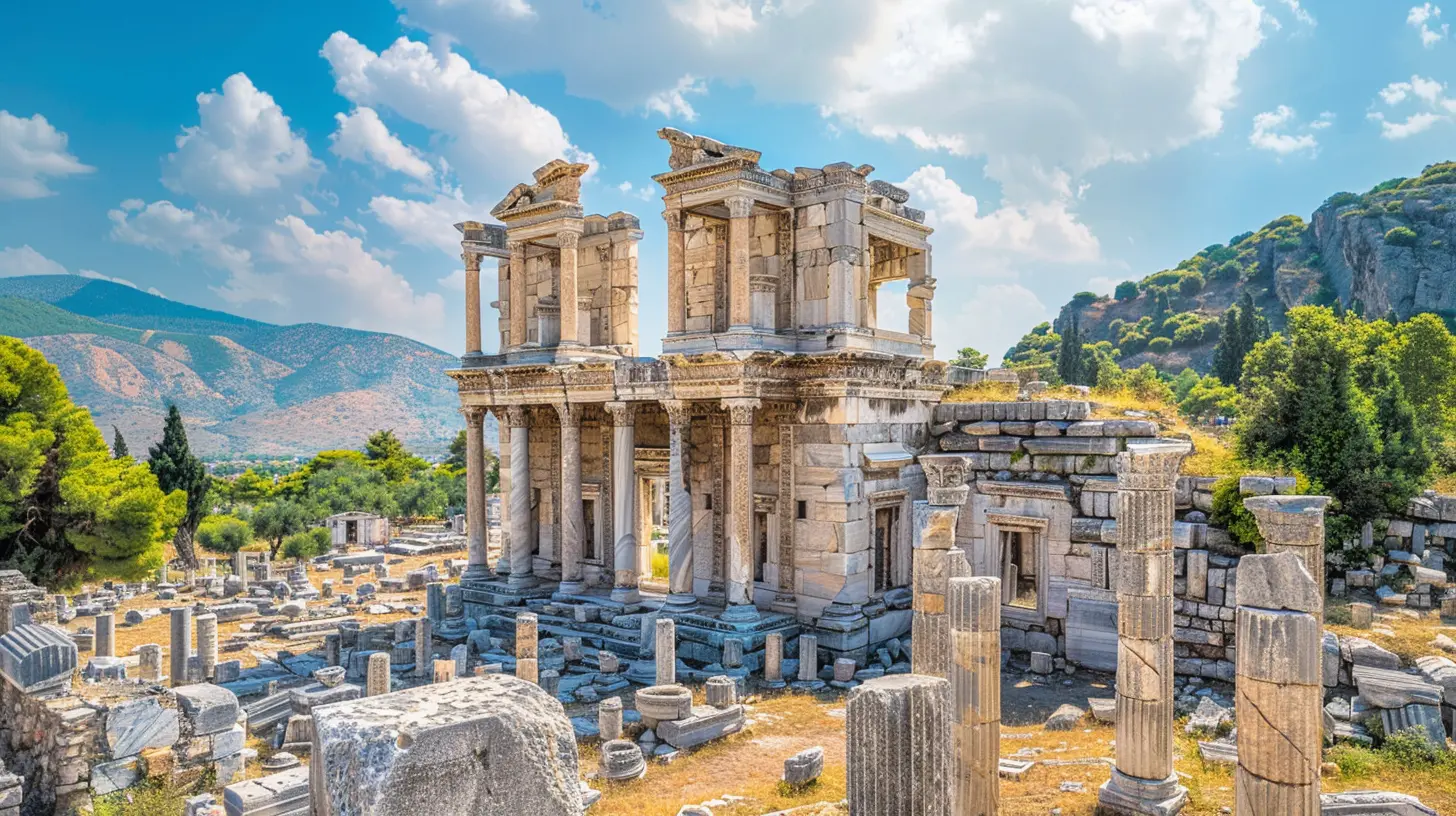
1. Machu Picchu, Peru – The Lost City of the Incas
Perched high in the Andes Mountains, Machu Picchu is the ultimate time capsule from the 15th century. Built by the Inca emperor Pachacuti, this breathtaking citadel was mysteriously abandoned and remained hidden from the world for centuries.Walking through its stone terraces, temples, and plazas, you can't help but wonder: How did the Incas manage such precise engineering without modern tools? Some say it was a royal estate, while others believe it had religious significance. Whatever the truth, there’s no denying its mystical charm.
Bonus tip: Try catching the sunrise over the ruins—it's an experience that will give you goosebumps! 
2. The Great Wall of China – A Symbol of Imperial Strength
Standing at over 13,000 miles long, the Great Wall of China is one of the most iconic structures in human history. Construction began as early as the 7th century BC to protect Chinese empires from invasions.While some parts have crumbled over time, others remain impressively intact. Walking along its winding paths, you can almost hear the echoes of ancient soldiers standing guard, defending their land from invaders.
It’s not just a wall; it’s a testament to human determination and resilience. And no, contrary to popular belief, you can’t see it from space—but that doesn’t make it any less extraordinary! 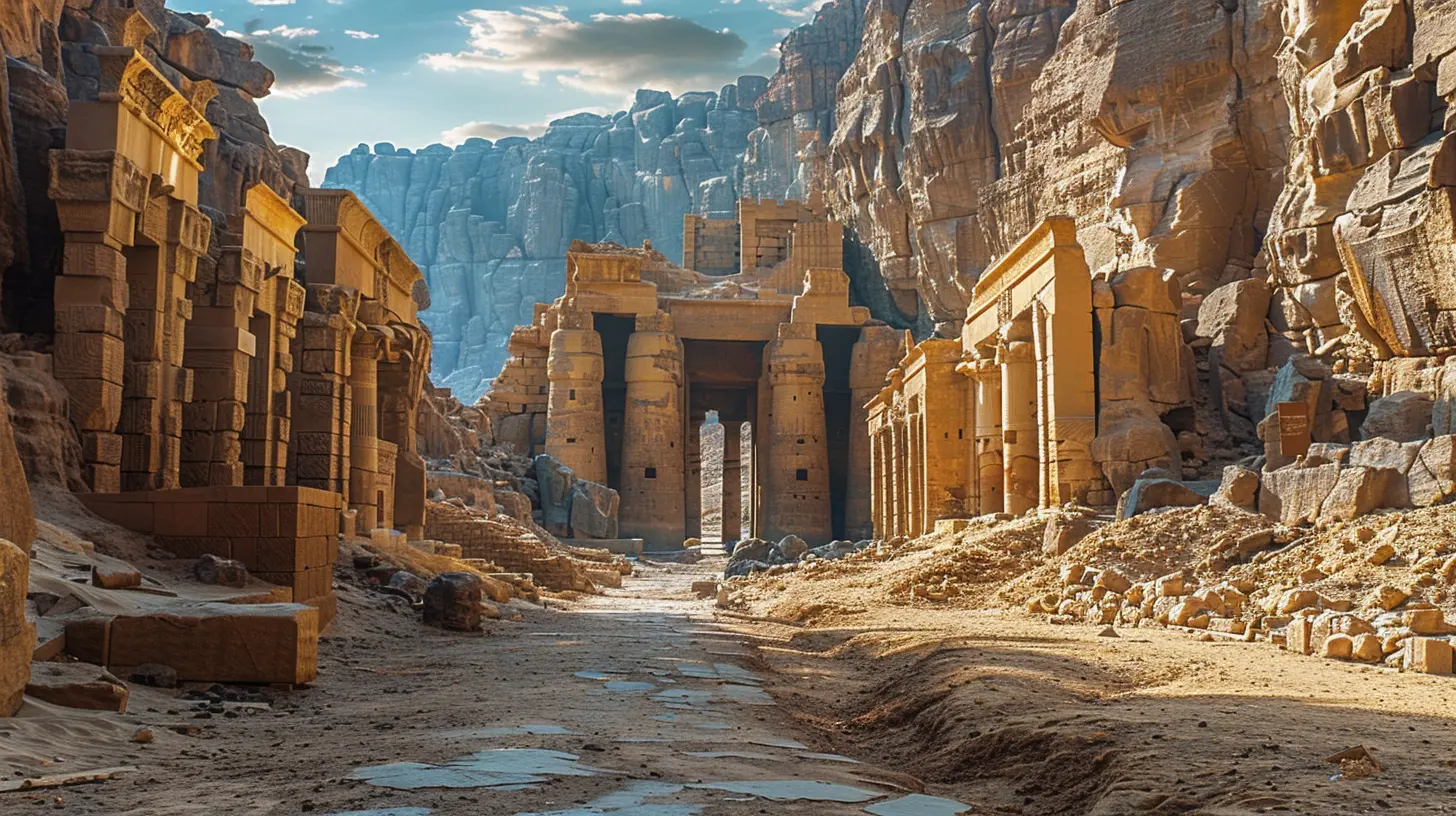
3. Petra, Jordan – The Rose-Red City
Carved entirely into rose-colored sandstone cliffs, Petra is a city that looks straight out of a fantasy novel. Once the thriving capital of the Nabataean Kingdom, this archaeological wonder dates back to at least the 4th century BC.The most famous structure, Al-Khazneh (or "The Treasury"), greets visitors with its intricate facade. But the real magic happens as you wander deeper into the city, discovering tombs, temples, and an ancient amphitheater.
It’s easy to see why it was used as a backdrop in Indiana Jones and the Last Crusade—Petra is the definition of cinematic history. 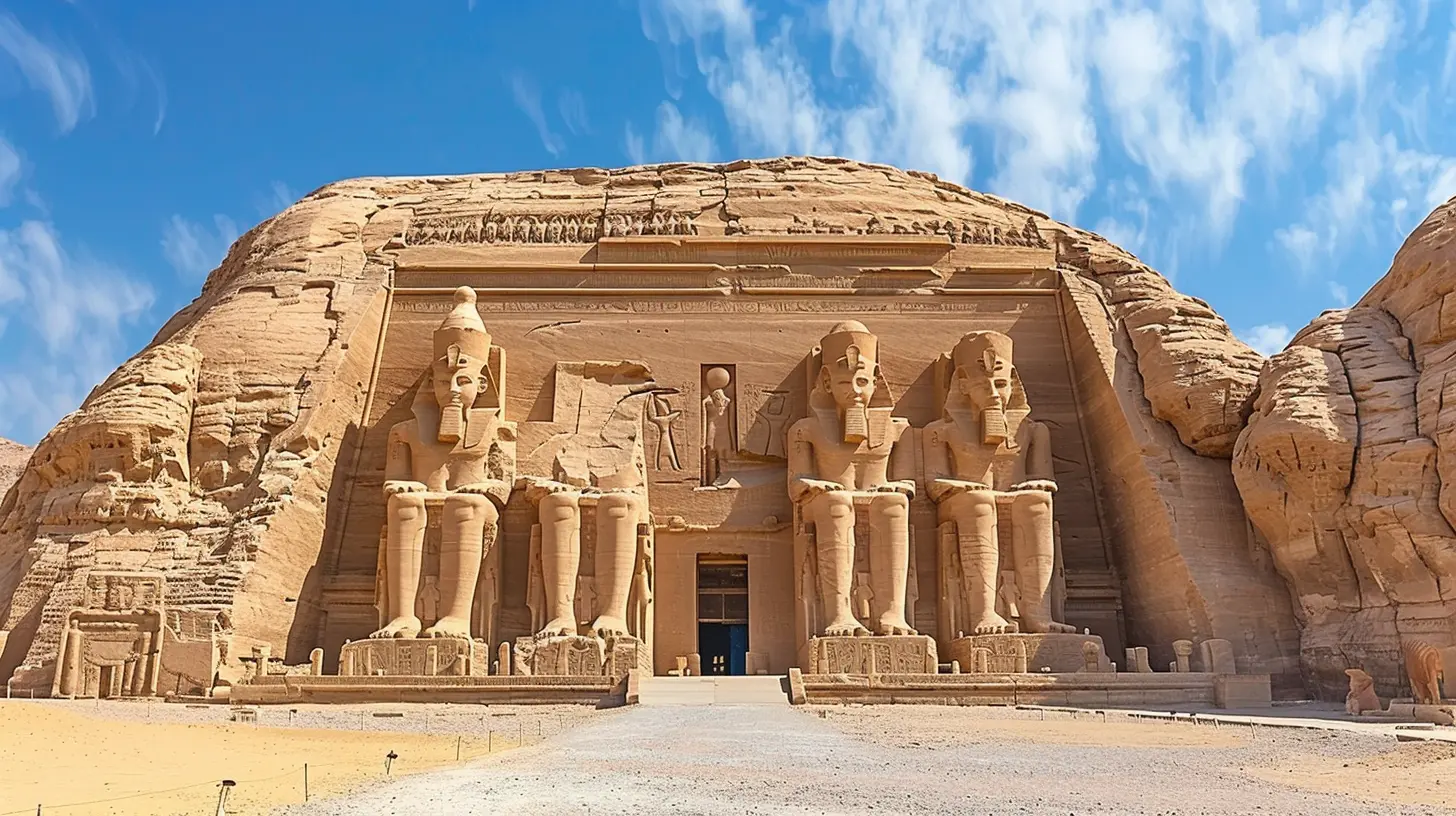
4. The Colosseum, Italy – Echoes of Gladiator Battles
If walls could talk, the Colosseum in Rome would have some wild stories to tell. This ancient amphitheater, completed in 80 AD, was the stage for some of the most brutal gladiator contests and public spectacles.At its peak, it could hold over 50,000 spectators cheering (or cringing) at the bloodshed below. While time and natural disasters have taken their toll, much of the Colosseum still stands tall, reminding us of Rome’s once-mighty empire.
While you're there, take a moment to imagine the deafening roars of the crowd as gladiators fought for survival. It's as close as you can get to ancient Rome without a time machine!
5. The Pyramids of Giza, Egypt – Engineering Marvels of the Ancient World
No list of historical sites would be complete without the legendary Pyramids of Giza. Built over 4,500 years ago, these massive limestone structures continue to baffle historians and engineers alike.How did ancient Egyptians construct such precise monuments without modern machinery? That question remains a mystery, fueling endless theories—from alien assistance to lost technologies.
One thing is certain: Standing before the Great Pyramid of Khufu, the largest of them all, is a humbling experience. It’s a reminder that human ambition and ingenuity know no bounds.
6. Angkor Wat, Cambodia – The Largest Religious Monument in the World
Deep in the jungles of Cambodia lies Angkor Wat, a temple complex so vast it makes some modern cities look small in comparison. Originally built in the 12th century as a Hindu temple for King Suryavarman II, it later transformed into a Buddhist site.Its intricate carvings and towering spires tell stories of mythology, war, and devotion. Walking through its massive courtyards, you might feel like an explorer uncovering a forgotten kingdom—only this one never truly faded from memory.
Don’t rush through this one; there’s enough history here to keep you mesmerized for days.
7. Stonehenge, England – The Mysterious Megaliths
Few places on Earth are as puzzling as Stonehenge. This prehistoric monument, built over 4,000 years ago, consists of massive stone slabs arranged in a circular formation.But here’s the kicker—no one knows exactly why it was built! Was it an astronomical calendar? A religious site? A burial ground? Theories are plentiful, but solid answers remain elusive.
What we do know is that those heavy stones weren’t local, meaning ancient people transported them over vast distances. Imagine moving multi-ton rocks without trucks or cranes. Mind-blowing, right?
8. Chichen Itza, Mexico – The Mayan City of Astronomers
The Mayans were ahead of their time, and nowhere is that more evident than in the ancient city of Chichen Itza. This UNESCO-listed site, dating back to the 7th century, is home to the iconic El Castillo pyramid.What makes it special? During the spring and autumn equinoxes, the setting sun casts shadows that resemble a serpent slithering down the steps—an incredible feat of architectural and astronomical precision.
From ball courts to sacred cenotes, Chichen Itza offers a glimpse into the brilliance of the Mayan civilization.
9. Hiroshima Peace Memorial, Japan – A Tribute to Resilience
Not all UNESCO sites are ancient ruins—some serve as painful yet necessary reminders of modern history. The Hiroshima Peace Memorial (also known as the Atomic Bomb Dome) is one such place.Preserved as it stood after the 1945 atomic bombing, the skeletal remains of the building stand as a powerful symbol of peace and resilience. Walking through the memorial park, it’s impossible not to feel the weight of history and the importance of remembering the past.
It’s a sobering experience but one that leaves a lasting impact.
10. The Acropolis of Athens, Greece – The Birthplace of Democracy
Perched atop a rocky hill in Athens, the Acropolis is the grand stage where Western civilization took its first steps. With structures dating back to the 5th century BC, this UNESCO site is home to the Parthenon, one of the most famous temples in history.Once a place of worship dedicated to Athena, the Acropolis now stands as a monument to Greece’s contributions to philosophy, politics, and art. As you climb up, gazing at the sunlit marble, it’s easy to see why this place inspired some of the greatest minds of all time.
Final Thoughts
History isn’t just something you read in textbooks—it’s alive, etched into these extraordinary UNESCO sites around the world. Each one tells a unique story, offering a glimpse into different cultures, eras, and human achievements.So, if you’re looking for a way to travel through time without leaving the present, add these places to your bucket list. After all, experiencing history firsthand beats any history lesson!
all images in this post were generated using AI tools
Category:
Unesco SitesAuthor:

Ian Powell
Discussion
rate this article
1 comments
Clover Summers
This article beautifully captures the essence of traveling through history. Exploring UNESCO sites is a journey that connects us with our past and inspires us to appreciate the cultures that shaped our world. Each destination holds stories waiting to be discovered... Happy travels!
July 26, 2026 at 4:49 PM