The Ultimate Safari: How to Plan a Trip to See the Big Five
1 June 2026
If you've ever dreamed of witnessing majestic lions, elusive leopards, towering elephants, massive rhinos, and powerful buffalo in their natural habitat, you’re not alone. A safari to see the Big Five is a bucket-list adventure for wildlife lovers, photographers, and thrill-seekers alike. But planning the perfect safari isn’t as simple as booking a flight and packing a camera—there's a lot that goes into making sure your trip is memorable, safe, and worth every penny.
In this guide, we’ll break down everything you need to know to plan the ultimate safari, from the best destinations and ideal seasons to expert tips on maximizing your chances of spotting these incredible animals. 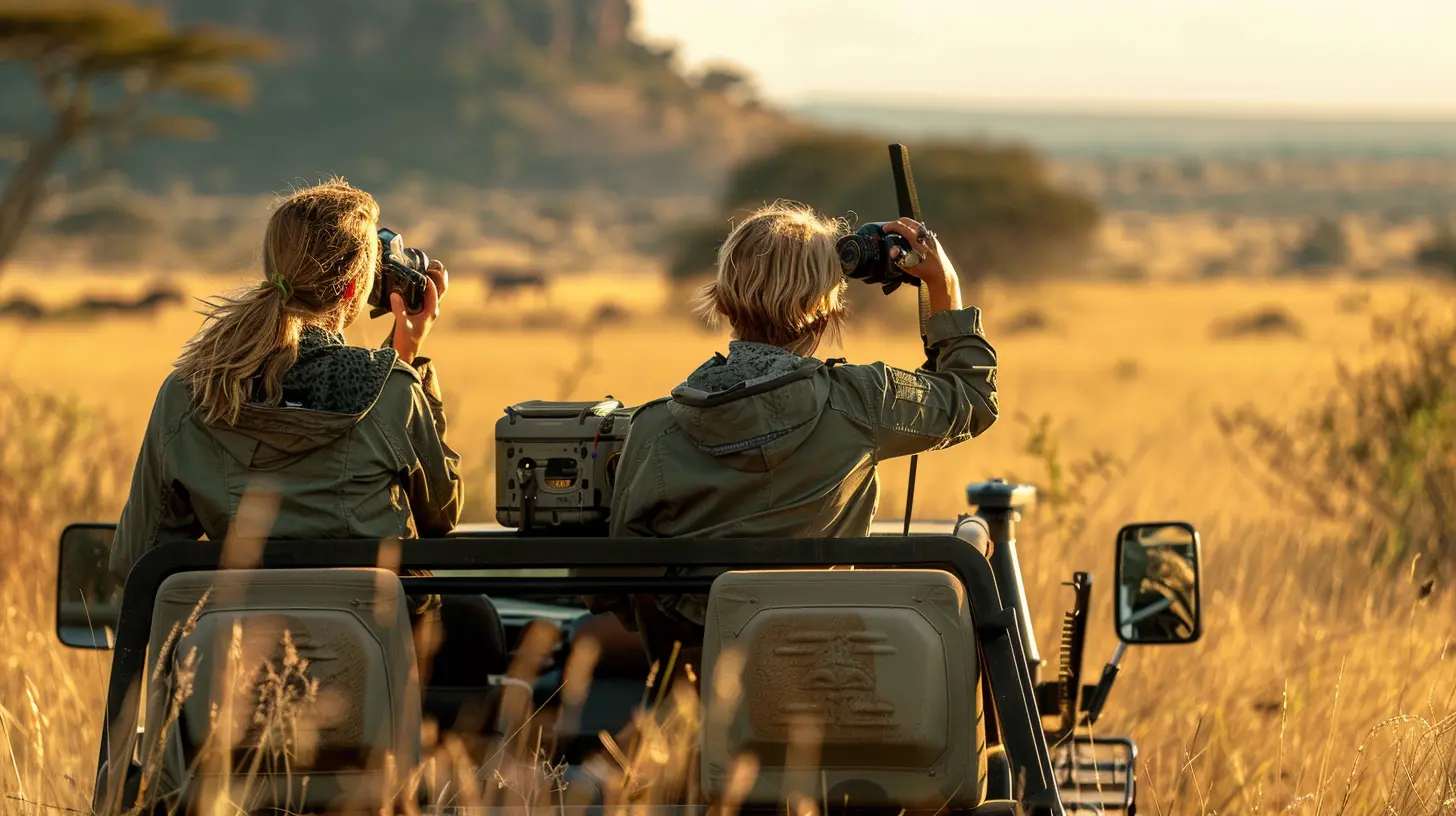
What Are the Big Five?
The term "Big Five" originally comes from hunting, referring to the five most challenging animals to track and hunt on foot. While the meaning has evolved to a conservation-friendly context, the five species remain the same:- Lion – The king of the jungle, known for its powerful roar and pride dynamics.
- Leopard – A stealthy predator that’s tough to spot due to its nocturnal habits and excellent camouflage.
- Elephant – The largest land mammal, highly intelligent and deeply social.
- Rhinoceros – Either black or white rhinos, both of which are endangered due to poaching.
- Buffalo – Sometimes overlooked, but highly dangerous when cornered.
Seeing all five on a single safari isn't guaranteed—these creatures are wild, after all—but choosing the right destination and strategy significantly boosts your chances. 
Where to Go for the Best Big Five Safari
1. Kruger National Park, South Africa
One of the most famous safari parks in the world, Kruger offers an exceptional chance to see all five in a relatively short time. The well-maintained road network allows for both self-drive and guided safaris, making it ideal for first-timers. Plus, the range of accommodation—from budget camps to luxury lodges—caters to all travelers.2. Maasai Mara, Kenya
Known for the Great Migration, Kenya’s Maasai Mara is a wildlife paradise. While it’s particularly famous for its incredible lion population, leopards, elephants, rhinos, and buffalo are also commonly spotted.3. Serengeti National Park, Tanzania
Neighboring the Maasai Mara, Serengeti National Park is another fantastic Big Five destination. It offers vast open plains teeming with wildlife, and visiting during the migration season increases your odds of encountering large predator action.4. Okavango Delta, Botswana
For a more off-the-beaten-path experience, the Okavango Delta is a dream destination. The wetland ecosystem attracts an array of wildlife, and the exclusivity of safari lodges means fewer crowds, making for a more intimate safari experience.5. Etosha National Park, Namibia
Namibia’s Etosha National Park is unique because many of its watering holes attract animals, making sightings more predictable. The stark desert landscapes add a dramatic backdrop to your safari experience.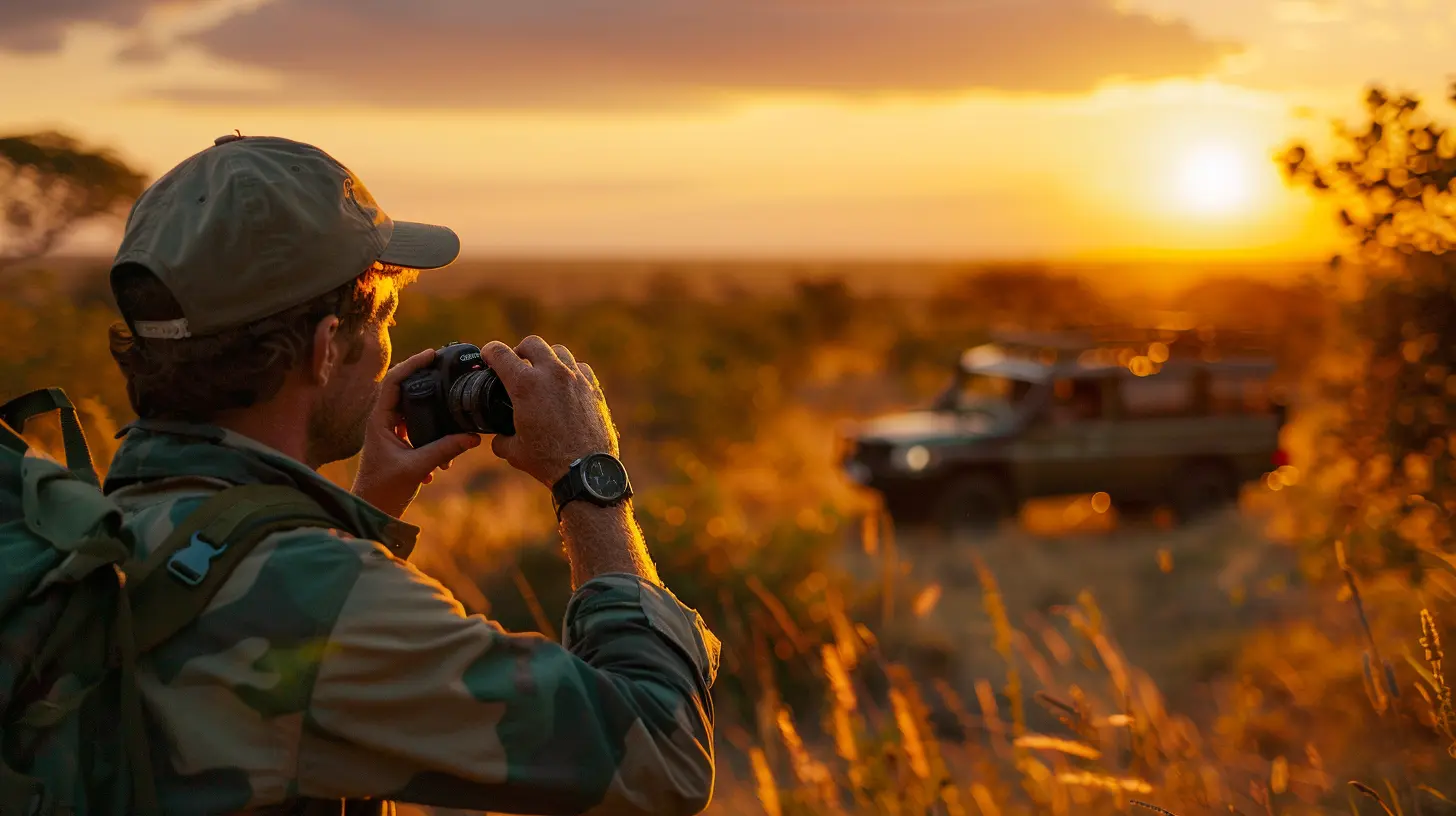
When Is the Best Time to Go on a Safari?
Timing is everything when it comes to safaris. The best time largely depends on where you're going, but generally:- Dry Season (May – October): Animals are easier to find since they congregate around water sources. The vegetation is sparse, giving you better visibility.
- Wet Season (November – April): Lush landscapes make for stunning photography, and it’s also birthing season for many species, meaning you may see adorable baby animals. However, thick vegetation can make spotting the Big Five more challenging.
For East Africa (Kenya & Tanzania), consider visiting during July – October for the Great Migration. Southern Africa (South Africa, Botswana, Namibia) is best between May – September when animals gather at waterholes. 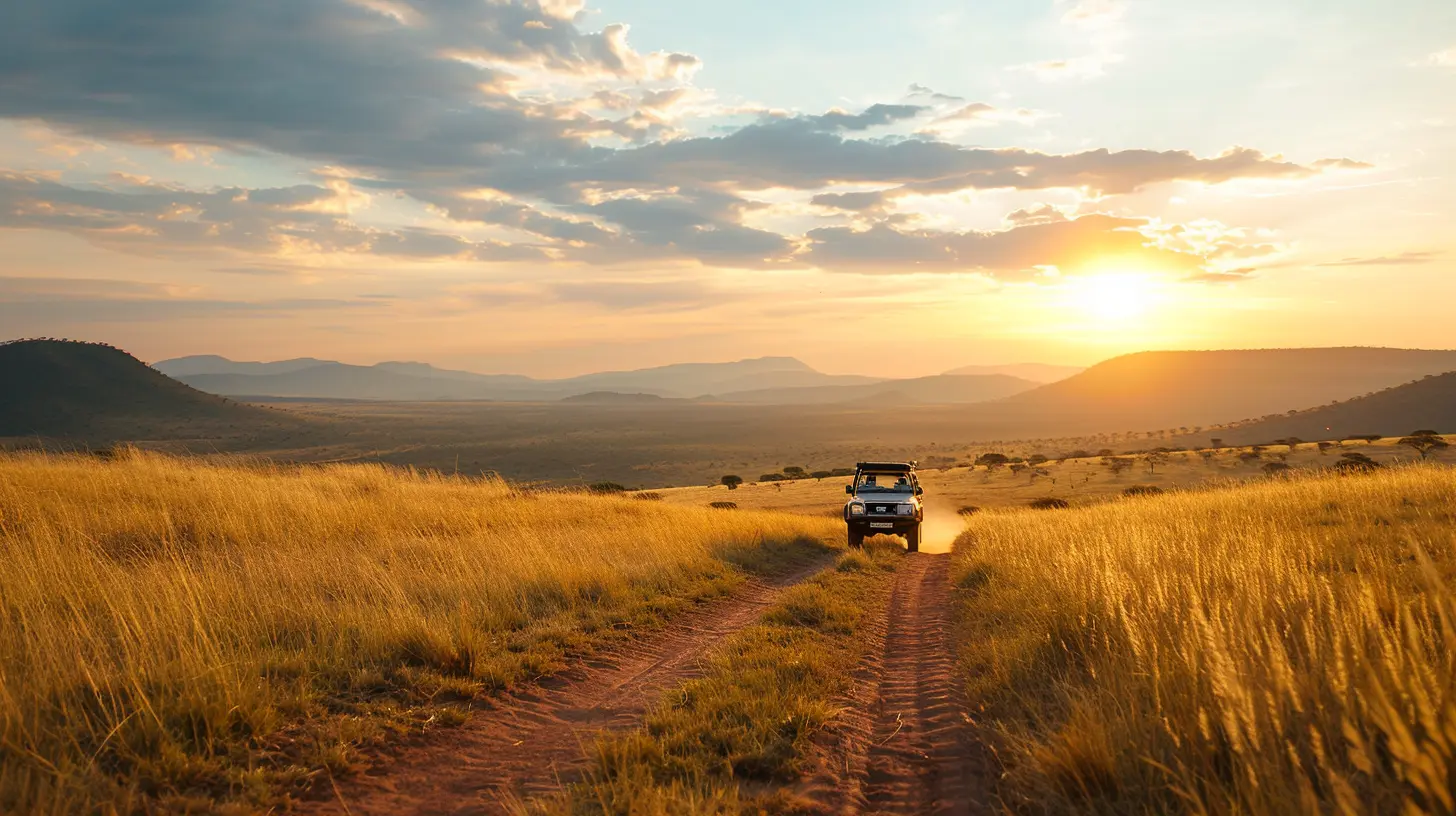
How to Choose the Right Safari Experience
1. Self-Drive vs. Guided Safaris
- Self-Drive: More budget-friendly and flexible, but requires good navigation skills and patience.- Guided Safari: More expensive but enhances your chances of Big Five sightings with expert trackers and guides.
2. Lodge vs. Camping Safaris
- Luxury Lodges: Offer comfort, gourmet meals, and sometimes spa treatments. Perfect for a more relaxed experience.- Tented Camps: More adventurous, allowing you to stay closer to nature without sacrificing too much comfort.
- Basic Camping: The most budget-friendly but requires more effort in setting up and cooking meals.
3. Private vs. Group Safaris
- Private: Exclusive vehicles and guides offer a personalized experience but come at a higher cost.- Group: More affordable and social, but you’ll need to share the experience with other travelers.
Essential Safari Packing List
Packing for a safari isn’t the same as packing for a regular vacation. Here’s what you absolutely need:✔️ Clothing in Neutral Colors (beige, khaki, olive green) – Bright colors can scare off wildlife.
✔️ Binoculars – Crucial for spotting distant animals.
✔️ Camera with a Zoom Lens – A smartphone won’t always cut it!
✔️ Wide-Brim Hat & Sunglasses – The sun can be intense.
✔️ Insect Repellent – To keep mosquitoes and bugs away.
✔️ Lightweight, Breathable Fabrics – Avoid heavy materials in the hot climate.
✔️ Comfortable Closed-Toe Shoes – Essential for bush walks.
Don't overpack—most safari lodges offer laundry services, and bulky suitcases can be a hassle in small safari vehicles.
Pro Tips for Maximizing Your Big Five Safari Experience
1. Go on Early Morning and Late Afternoon Drives
The Big Five are most active during cooler parts of the day. Early morning game drives (starting around 5–6 AM) and late afternoon safaris (4–6 PM) are your best bet for spotting them in action.2. Be Patient and Stay Quiet
Wildlife viewing requires patience. Sometimes, you might wait 30–40 minutes for an animal to appear—but when it does, the moment is truly magical.3. Listen to Your Guide
Guides have incredible tracking skills and knowledge about animal behavior. If your guide tells you to remain still or lower your voice, it’s for a reason.4. Put the Camera Down Occasionally
Yes, snapping photos is important, but don't let the lens be the only way you experience the safari. Take in the sights, sounds, and smells of the wild.5. Respect the Animals' Space
Never pressure your guide to get too close to wildlife, and avoid making loud noises. Remember, you're in their home!Wrapping Up
A safari to see the Big Five is an unforgettable adventure that requires careful planning. Choosing the right destination, knowing when to go, selecting the type of safari that suits your style, and packing smartly all contribute to a successful trip. More importantly, approach your safari with a sense of patience and respect for nature—it’s not just about ticking off sightings but about immersing yourself in the breathtaking wilderness.So, are you ready to plan the ultimate safari? The Big Five are waiting!
all images in this post were generated using AI tools
Category:
Wildlife EncountersAuthor:

Ian Powell