The Rebirth of Viking Celebrations in Scandinavia for 2026
24 April 2026
You know that feeling when you stumble upon an old, dusty chest in your grandparents’ attic? You open it, and the scent of cedar and time washes over you. Inside, you find a worn-out leather journal, a rusted compass, and a faded photograph of a face you’ve never met but somehow feel connected to. That’s exactly what’s happening right now across Scandinavia. The region is dusting off its own ancient chest—the Viking age—and 2026 is shaping up to be the year they throw the lid wide open.
For decades, the image of the Viking has been stuck in a cartoonish loop: horned helmets (which never existed, by the way), grunting barbarians, and longboats burning in the fjords. But if you think that’s the whole story, you’re in for a wild surprise. The rebirth of Viking celebrations in Scandinavia for 2026 isn’t just about reenacting battles or wearing faux-fur capes. It’s about a deep, soulful reconnection with identity, community, and the raw, untamed spirit of the North. And trust me, this isn’t some dusty museum exhibit—it’s alive, it’s loud, and it smells like woodsmoke and sea salt.
Why 2026? The Perfect Storm of Cultural Revival
Let’s be real: the timing isn’t random. After years of global turmoil—pandemics, climate anxiety, digital burnout—people are craving something real. Something tactile. Something that doesn’t come with a Wi-Fi signal. Scandinavia, with its sleek modern design and progressive societies, has always had one foot in the future. But now, the other foot is digging deep into the muddy soil of the past.Why 2026 specifically? Several factors are converging like a perfect storm. First, there’s a generational shift. Millennials and Gen Z, who grew up on Vikings TV shows and Assassin’s Creed Valhalla, are now adults with disposable income and a hunger for authentic experiences. They don’t want a postcard; they want to feel the wind in their hair while standing on a longship. Second, local governments and tourism boards have realized that Viking heritage isn’t just history—it’s a goldmine of sustainable tourism. Third, there’s a quiet rebellion against mass-produced entertainment. People want to touch, taste, and smell their history.
Think of it like this: if the Viking age was a song, we’ve been listening to a low-quality MP3 for years. In 2026, Scandinavia is pressing the vinyl record—warm, crackly, and full of depth.
What’s Actually Changing? From Tourist Traps to Living History
I’ll be honest with you: some of the older Viking festivals were, well, a bit cringe. You’d see a guy in a cheap costume selling plastic axes next to a hot dog stand. It felt like a Renaissance fair that got lost on its way to the mall. But the rebirth is flipping that script entirely.The Rise of Immersive Villages
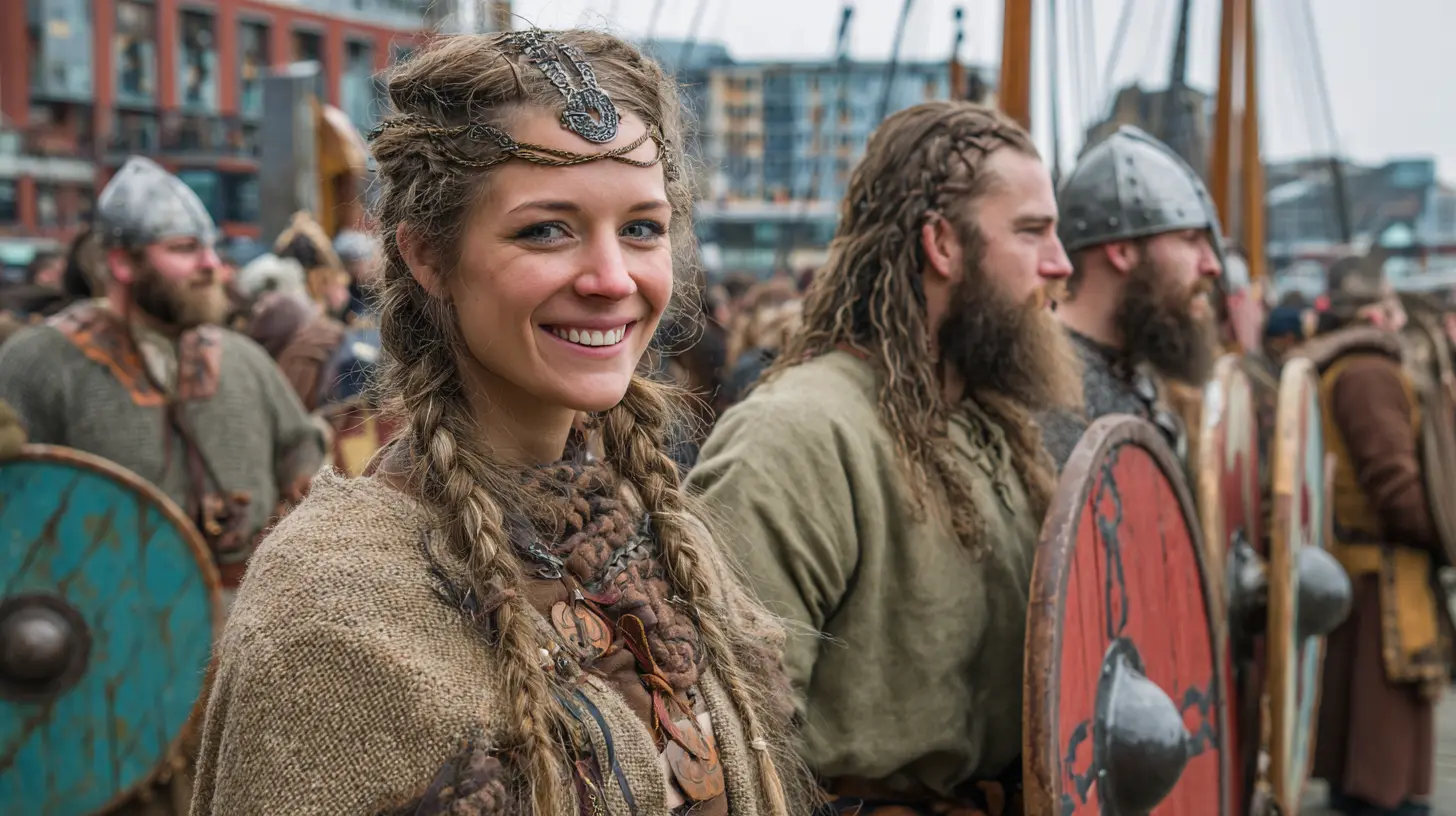
Imagine stepping into a reconstructed Viking village where the year is permanently 950 AD. No Wi-Fi. No selfie sticks. Just the clang of a blacksmith’s hammer, the chatter of women weaving wool, and the smell of herring smoking over a fire. These aren’t just set pieces; they’re functional communities. In 2026, places like the Ribe Viking Center in Denmark and the Lofoten Viking Museum in Norway are expanding their programs to include multi-day stays. You can sleep in a turf-roofed longhouse, eat a meal cooked over an open hearth, and yes, use a bucket as a toilet (it’s part of the experience, I swear).But here’s the kicker: these villages are staffed by historians, archaeologists, and reenactors who are obsessed with accuracy. They’ll correct you if you call a “shield maiden” a “Viking woman” (because, historically, shield maidens were a specific role). They’ll show you how to start a fire with flint and steel. And they’ll tell you stories—not the Hollywood versions, but the sagas that have been passed down for a thousand years. It’s like time travel, but without the risk of accidentally stepping on a butterfly.
The Food Revolution: Eating Like a Viking
Let’s talk about food, because honestly, this is where the rebirth gets delicious. Forget the “Viking feast” of dry bread and mystery meat. The new celebrations are embracing the Nordic culinary renaissance with a Viking twist. Chefs are digging into archaeological records to recreate dishes using ancient grains, foraged herbs, and fermented ingredients.You’ll find flatbreads baked with barley and rye, topped with smoked trout and lingonberries. There’s a resurgence of skyr (a thick, tangy dairy product) served with honey and hazelnuts. And if you’re brave, you can try svið—singed sheep’s head (not for the faint of heart, but a true taste of history). But the real star is the drinking culture. In 2026, expect to see artisan meaderies popping up everywhere. These aren’t the syrupy, sweet meads you buy at a fair. These are dry, complex, sometimes smoky brews made from local honey and herbs like yarrow and bog myrtle. Raise a horn, my friend, and drink to the ancestors.
The Big Events You Can’t Miss in 2026
Mark your calendar, because the celebration schedule is packed. I’ve combed through the announcements, and here are the highlights that will make your inner shield maiden or berserker weep with joy.The Jórvík Viking Festival in York (Wait, That’s England!)
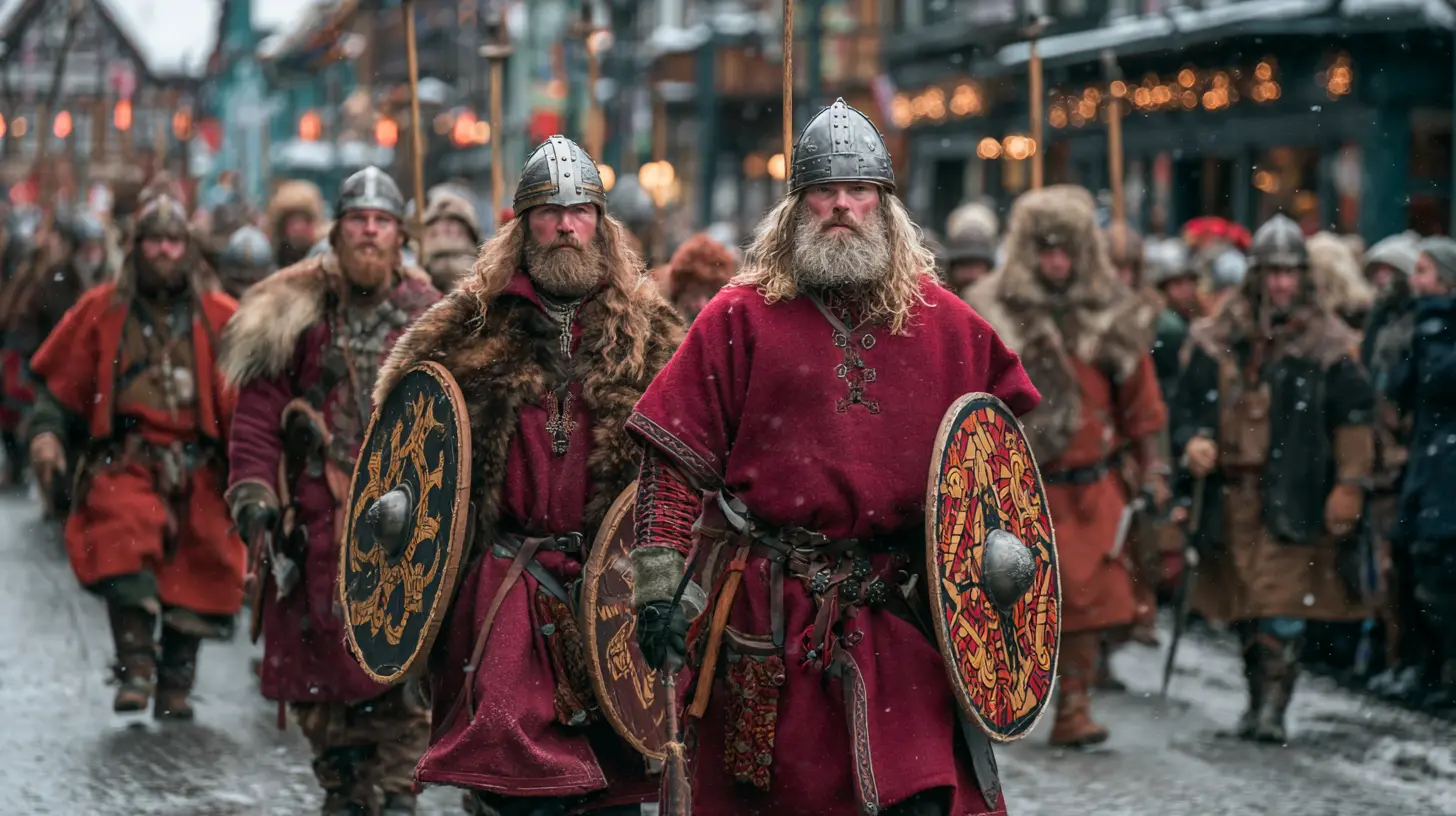
I know, I know—York isn’t in Scandinavia. But hear me out. The Jórvík Viking Festival (Jórvík was the Viking name for York) is one of the largest in Europe, and in 2026, it’s going even bigger. The twist? Scandinavian organizers are collaborating directly with the festival to bring authentic longships, artisans, and even a replica of the Oseberg ship from Norway. It’s a bridge between the old world and the new. Plus, the parade of 1,000+ costumed Vikings through the medieval streets of York is a sight you’ll never forget.The Moesgaard Viking Moot in Denmark
If you want to see the future of Viking celebrations, head to Moesgaard Museum near Aarhus. In 2026, they’re launching a week-long “living saga” where visitors can join a clan, learn rune carving, and participate in a mock thing (Viking parliament). The best part? They’re using VR to overlay digital sagas onto the physical landscape. You can hold up a tablet and see a ghostly longship sail across the fjord. It’s the perfect mix of old and new.The Up Helly Aa Fire Festival in Shetland
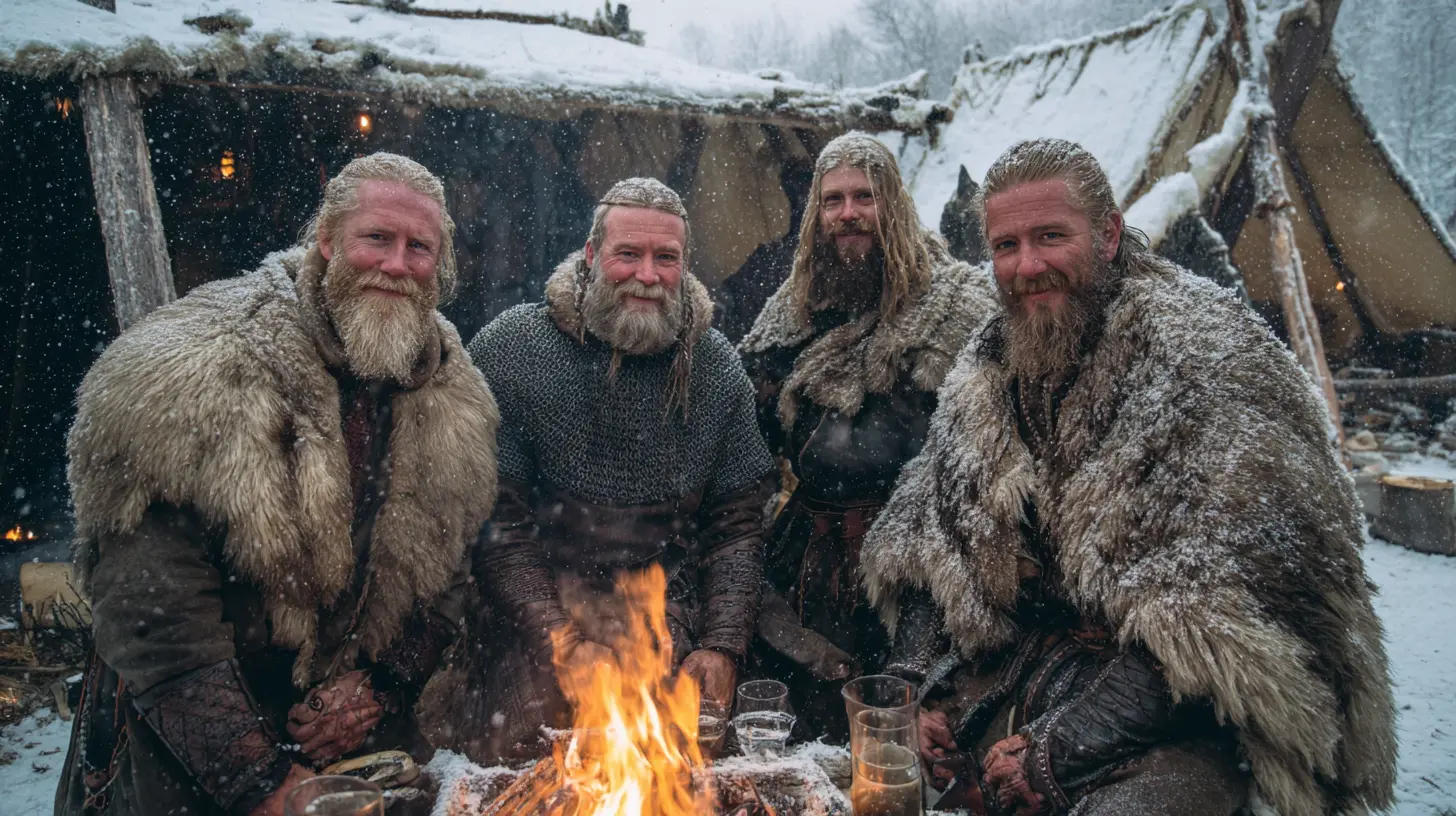
Technically, Shetland is part of Scotland, but its Norse roots run deep. Every January, the town of Lerwick burns a Viking longship in a spectacular fire festival. In 2026, they’re adding a “Saga Night” where local storytellers perform the Orkneyinga Saga in full costume. The torches, the fire, the chanting—it’s primal. You’ll feel the heat on your face and the drumming in your chest. It’s not a show; it’s a ritual.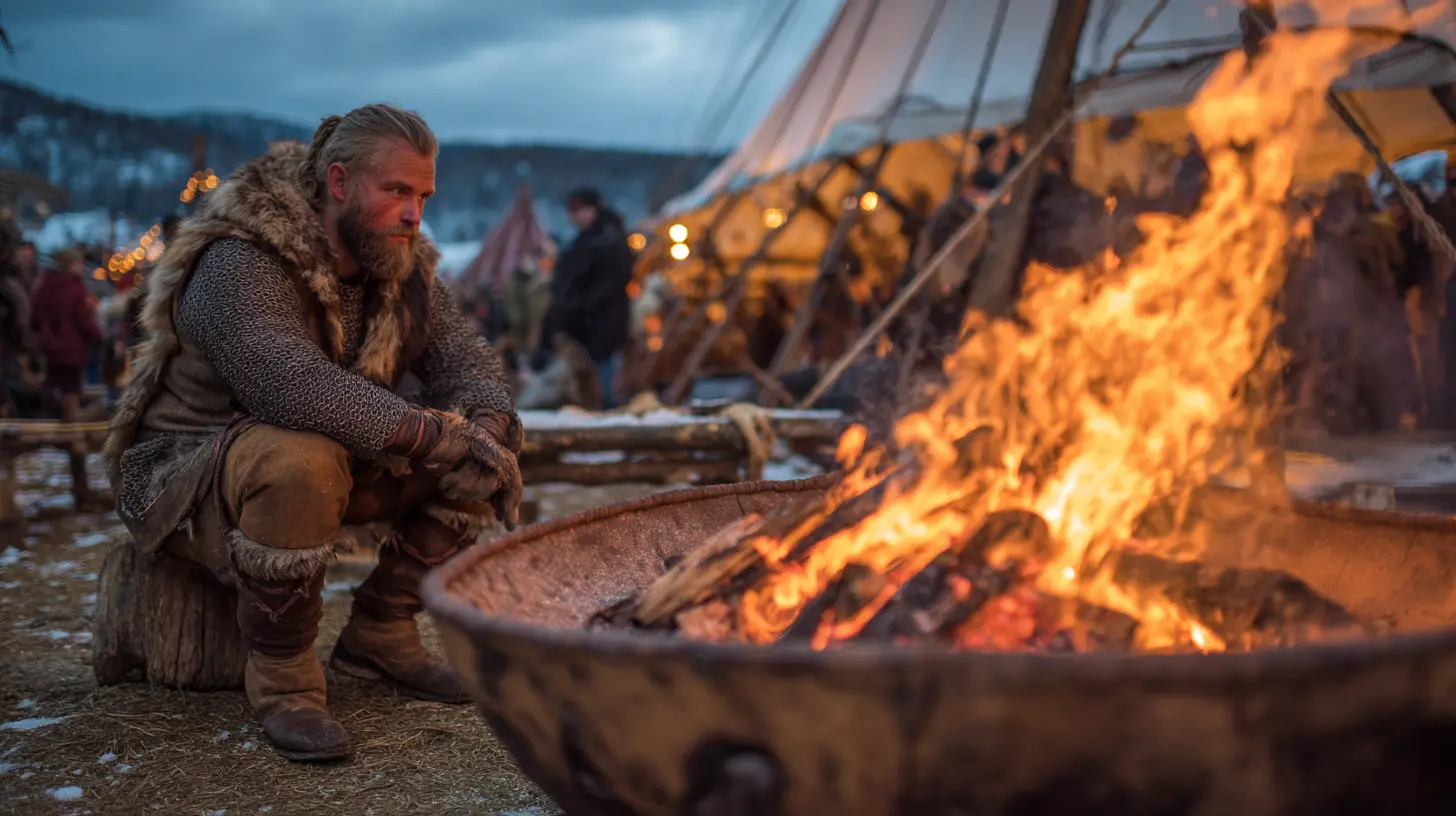
The Deeper Meaning: Why We Need This Now
Let’s step back for a moment. This isn’t just about tourism or entertainment. The rebirth of Viking celebrations is a response to something deeper. We live in a world that feels increasingly fragmented—digital, anonymous, and fast. The Viking age, for all its violence and hardship, was also a time of community, craftsmanship, and a direct relationship with nature.When you stand on a fjord at sunset, wearing a woolen cloak you helped weave, and listen to a skald recite a poem about a hero who sailed into the unknown, something shifts inside you. You realize that the fears and hopes of a Viking farmer in 900 AD aren’t so different from your own. They worried about the harvest, about their children, about the sea’s wrath. We worry about mortgages, climate change, and social media likes. Same anxieties, different packaging.
The celebrations are a way to re-enchant the world. They remind us that life is messy, loud, and beautiful. That we are part of a long, unbroken chain of humans who laughed, mourned, and celebrated under the same northern stars.
How to Plan Your 2026 Viking Adventure (Without Breaking the Bank)
Alright, you’re sold. But maybe you’re thinking, “This sounds amazing, but I’m not made of money.” Fair point. Here’s the good news: you don’t need to be a billionaire to experience this rebirth.Go Off the Beaten Path
Skip the major cities (Oslo, Copenhagen) for the smaller towns. Places like Roskilde (Denmark) or Tønsberg (Norway) have incredible Viking museums and festivals without the tourist markup. In Tønsberg, you can visit the Oseberg mound (where the famous ship was found) for free, and the local pub serves a mean Viking-inspired stew.Volunteer
Many festivals offer free entry or reduced rates if you volunteer. You could help with setup, costume coordination, or even become a “Village Child” (a role where you interact with visitors). It’s hard work, but you’ll make friends from around the world and get a behind-the-scenes look at the magic.Travel in Spring or Fall
The biggest festivals happen in summer, but the Viking “off-season” has its own charm. In April, you can catch the Vikingr market in Sweden, which is smaller but more intimate. Plus, the weather is crisp, and the crowds are thin. You’ll have more time to chat with the blacksmith and ask the weaver about her dye recipes.Embrace the DIY Spirit
You don’t need to buy a $500 costume. Many festivals have costume rentals or workshops where you can make your own tunic from linen. And honestly, the locals will respect you more if you show up in a simple, hand-sewn outfit than a flashy Amazon special. It’s about the effort, not the price tag.
The Role of Technology: How 2026 is Different from 2016
You might think that Viking celebrations are anti-tech, but the rebirth is actually embracing technology in clever ways. In 2026, you’ll see augmented reality (AR) tours that overlay runic inscriptions onto modern buildings. There are apps that let you “translate” Old Norse phrases in real-time. And some festivals are using AI to reconstruct the voices of historical figures based on skeletal remains and text analysis.But here’s the balance: the tech is a tool, not the main event. You can still choose to turn off your phone and live in the moment. That’s the beauty of it. You control your level of immersion.
The Environmental Angle: Sustainable Celebrations
Viking culture was deeply connected to the land. They didn’t waste resources. In 2026, the new celebrations are taking that ethos seriously. Many festivals are going zero-waste, using compostable cups made from birch bark, and sourcing food locally. The longships used in reenactments are built from sustainable timber. Some events even offer “carbon offset” packages where you can plant a tree in a Viking forest for every day you attend.This isn’t greenwashing; it’s a genuine effort to honor the past while protecting the future. After all, if we destroy the fjords and forests, what’s left to celebrate?
A Personal Invitation
I know I’ve thrown a lot of information at you. But I want you to close your eyes for a moment. Imagine the sound of waves slapping against a wooden hull. The smell of pine smoke and roasting meat. The weight of a woolen cloak on your shoulders. The flicker of firelight on a hundred faces. This is what awaits you in Scandinavia in 2026.You don’t need to be a history buff. You don’t need to speak Old Norse. You just need an open heart and a willingness to step outside your comfort zone. The Vikings were explorers, after all. They crossed oceans without GPS. You can cross a fjord without Wi-Fi.
So, are you ready to answer the call? The longship is waiting. The mead is warm. And the sagas are being written anew.
all images in this post were generated using AI tools
Category:
Local TraditionsAuthor:

Ian Powell
Discussion
rate this article
2 comments
Zephyrae Larsen
Viking celebrations are making a powerful comeback in Scandinavia. The 2026 events promise an immersive experience that showcases rich culture and history, drawing travelers to explore the Nordic legacy.
May 10, 2026 at 2:35 AM
Mabel McKittrick
Exciting times ahead—embrace the Viking spirit!
April 27, 2026 at 4:36 PM
Ian Powell
Absolutely! The Viking spirit is all about community and celebration. Let's get ready for an unforgettable 2026!