The Importance of Travel Vaccines: What You Need to Know
9 January 2026
So you’ve got your passport ready, flights booked, and your outfits picked for every Insta-worthy moment of your trip. You’re picturing sunsets over Bali, street food in Bangkok, or safaris through the Serengeti. But wait—have you thought about your travel vaccines? Yep, I said it. Not the sexiest part of trip planning, but trust me, it’s hella important.
Let’s talk travel vaccines: the unsung heroes of globetrotting. They may not give you beach waves or a killer tan, but they do give you something far more valuable—protection. And before you roll your eyes and say, “But I’m healthy!”—keep reading. Because this info might just save your vacation (and, you know, your life).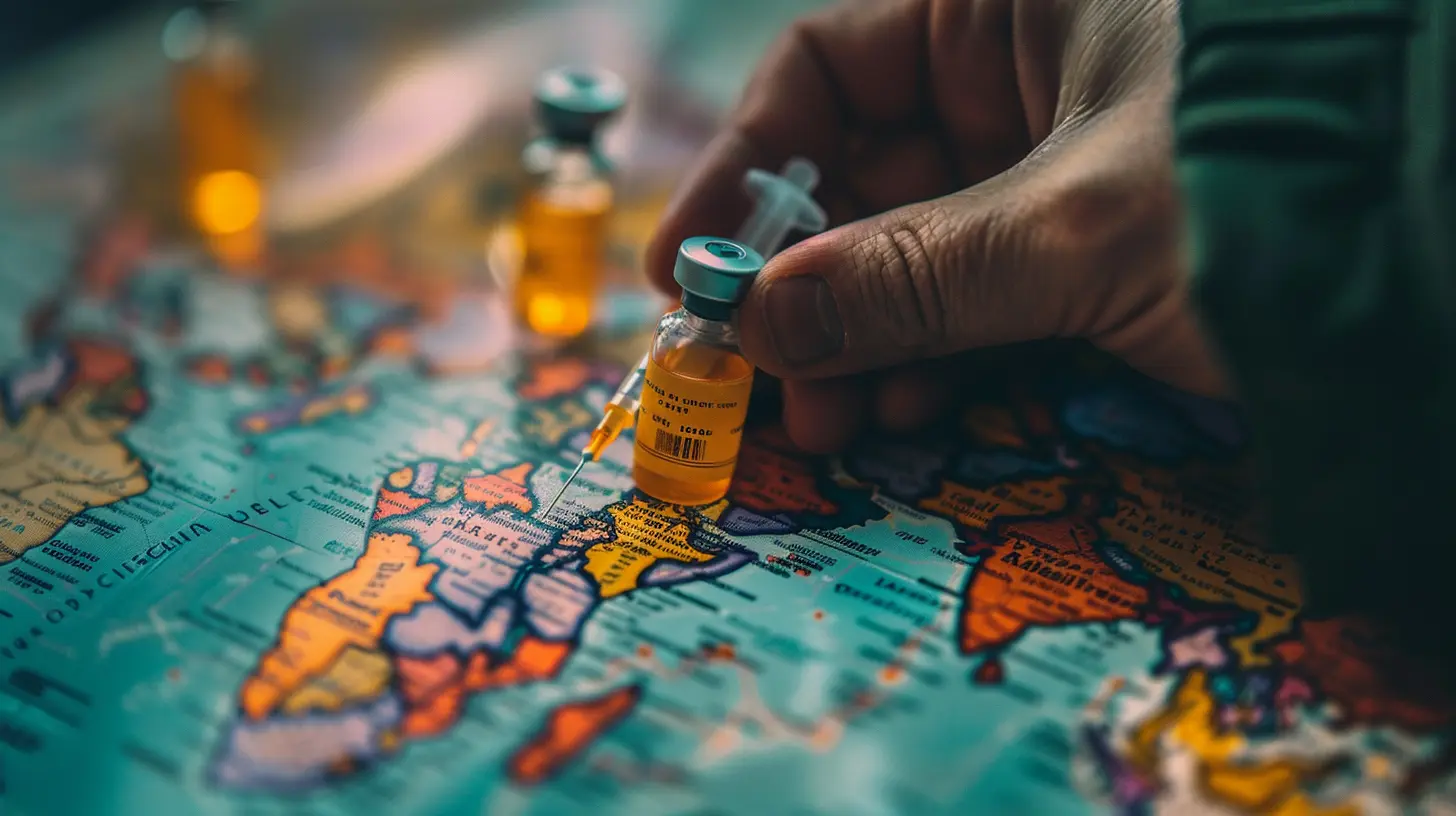
Why Bother with Travel Vaccines Anyway?
You might be thinking, “Vaccines? I’ve already had all those as a kid.” Cool. Great start. But when you’re hopping from one country to another, your immune system can face bacteria and viruses it’s never seen before. That’s like throwing a kindergartner into a college-level exam. Not gonna end well.Travel vaccines prepare your body to handle diseases that are rare—or totally nonexistent—back home but still kicking in other parts of the world.
Real Talk: Health Isn't a Souvenir You Want to Bring Back
Some diseases don’t just ruin your trip—they can change your life. Like, for real. We're talking yellow fever, typhoid, Japanese encephalitis (yep, that’s a thing), and good old hepatitis A and B. Some of these sound ancient, right? But they’re very much alive and waiting for clueless travelers.So, while you’re packing sunnies and sunscreen, make space in your prep schedule for something way more crucial—your shots.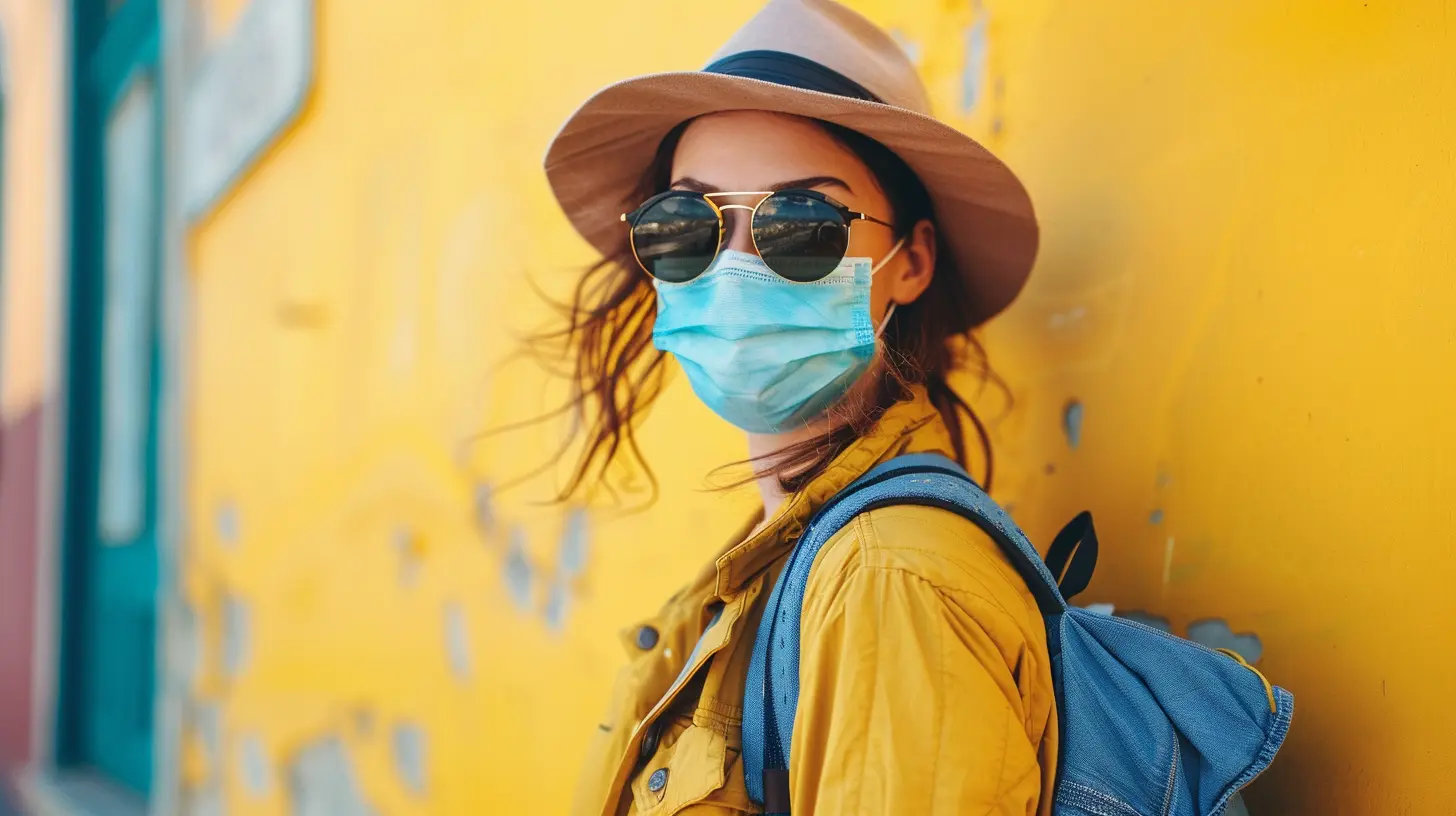
How Travel Vaccines Work (A.K.A Why They’re Magical)
Let’s break this down.Travel vaccines are like giving your body a cheat sheet before a pop quiz. They introduce a small, safe version of the infection to your immune system so it learns to fight it off if the real thing shows up. That way, when your body meets the actual virus or bacteria, it’s like, “Nice try, I already know your tricks."
Pretty clever, huh?
Most vaccines take a little time to become effective. Some require multiple doses spaced out over weeks—or even months. That's why you should never wait until the week before your flight to sort this out.
What Vaccines Do You Need? Spoiler: It Depends
There’s no one-size-fits-all vaccine checklist because (a) every destination is different, and (b) your personal health history matters.Here’s a rough breakdown:
✅ Core Vaccines You Might Already Have
These are the “good job, parents!” shots that most people get in childhood but might need boosters as adults, especially if you're traveling.- Measles, Mumps, Rubella (MMR)
- Tetanus, Diphtheria, and Pertussis (Tdap)
- Polio
- Flu (because planes are basically giant flying petri dishes)
✈️ Travel-Specific Vaccines
These depend on where you’re going and what you’re doing there.- Yellow Fever – Required for parts of Africa and South America. Some countries won’t let you in without proof (yeah, it’s serious).
- Typhoid – Found in countries with poor sanitation. Love street food? Get this one.
- Hepatitis A & B – Spread through contaminated food, water, and bodily fluids. So pretty much everywhere.
- Rabies – If you're hiking, spelunking, or hanging with animals, consider this. Bites happen.
- Japanese Encephalitis – Rural Asia travelers, this one’s for you.
- Cholera – Not common for most tourists, but if you’re going extremely off-grid, it’s worth asking about.
How to Know What You Need (Without Playing Doctor Google)
The best way to figure out what shots you need? A travel clinic or your doctor. At least 4-6 weeks before you leave, book an appointment where someone with an actual medical degree can look at your itinerary, your health history, and give you the rundown.Let them know:
- Where you're going (down to specific regions)
- How long you're staying
- Activities you're planning (hiking vs. five-star lounging makes a big difference)
- Any existing health concerns
And for the love of luggage, don’t just Google it. The rabbit holes you'll fall into will have you convinced you're going to contract 37 diseases by breakfast.
Can't Skip It, Can't Fake It
Look, we get it. Shots suck. They’re not fun, and nobody likes needles.But skipping your shots because "it's just a short trip" is like ignoring the weather forecast and refusing to pack a coat in a snowstorm. Your trip might still be great—but it also might end in a freezing, shivering disaster. Except instead of frostbite, it’s diarrhea. Or worse.
Also, some countries require proof of certain vaccines to get in. No shot, no entry. You don’t want to be that tourist arguing with immigration at 2 AM after a 16-hour flight.
Myth-Busting: Let’s Set the Record Straight
Time to clap back at a few myths flying around out there.“I’m not going to rural places, just cities.”
Cool flex. But even urban areas in some countries still have disease risks. Mosquitoes and contaminated food don’t care if you’re staying in a five-star hotel.“I’m only going for a few days.”
Viruses don’t check your return ticket. You can get sick on day one.“I eat healthy and exercise, I’ve got a great immune system.”
Awesome. But unless your immune system has a PhD in tropical medicine, it doesn't know how to beat yellow fever without a heads-up.Common Side Effects—A.K.A. What to Expect
Spoiler: most travel vaccines won’t knock you out.The most common side effects are:
- Sore arm
- Mild fever
- Headache
Basically, it’s the price of admission for long-term protection. Side effects typically disappear within a day or two. Compare that to spending your entire trip hugging a toilet—and suddenly that sore arm sounds like a pretty sweet deal.
Travel Smarter, Not Sicker
You didn’t spend months planning your dream getaway just to waste it in a hotel room—burning up with fever, cursing your previous self. Be proactive. Your future jet-setting self will thank you.Here's your pre-trip to-do list:
1. See a travel doctor at least a month before departure.
2. Bring your vaccination records.
3. Ask about prescription meds (like malaria pills).
4. Stay updated with destination-specific health updates.
What About COVID-19?
Yep, the new kid on the viral block. While most countries have adjusted their rules, some destinations still require proof of COVID-19 vaccination or testing. It’s not just about getting in—it’s about staying safe in crowded airports, planes, and cities.Bonus: if you're vaccinated, your chances of serious illness go way down. Because no one wants to quarantine in a hotel room when there’s a beach outside, right?
Final Thoughts: Be a Travel Rockstar, Not a Travel Cautionary Tale
Getting your travel vaccines isn’t just about you—it’s also about the people around you. You don’t want to bring home more than souvenirs and sunburn. Diseases can spread across borders faster than a TikTok trend.So be smart. Be safe. And be vaccinated.
Remember: a little pinch in your arm today can save you a whole lot of pain tomorrow.
TL;DR (Because Life is Busy)
- Travel vaccines protect you from diseases not common in your home country.- Your destination, activities, and health status determine what you need.
- Visit a travel clinic 4–6 weeks before departure.
- Some vaccines are mandatory for entry to certain countries.
- Common shots include Hep A/B, Typhoid, Yellow Fever, Rabies, and more.
- Side effects are minimal compared to the risk of disease.
- Don’t rely on Dr. Google—get pro advice.
- Travel healthy so you can actually enjoy your trip!
all images in this post were generated using AI tools
Category:
Travel SafetyAuthor:

Ian Powell
Discussion
rate this article
2 comments
Kimberly Montgomery
Travel vaccines are crucial for protecting your health while exploring new destinations. Staying informed about required vaccinations not only safeguards you against diseases but also ensures a safer, more enjoyable travel experience. Always consult with a healthcare professional before your journey.
February 9, 2026 at 4:46 PM
Ian Powell
Absolutely! Travel vaccines play a vital role in ensuring your health and safety while exploring new places. Always consult a healthcare professional for the best guidance before your trip.
Juliana Potter
Travel vaccines are vital for safeguarding your health and enhancing your travel experience. Prioritize them to explore the world confidently and responsibly.
January 17, 2026 at 4:14 PM
Ian Powell
Thank you for highlighting the importance of travel vaccines! They truly are essential for a safe and enjoyable journey.