Staying Safe While Hiking or Exploring Nature Abroad
27 February 2026
Hiking and exploring nature in a foreign country can be an unforgettable experience. Whether trekking through lush jungles, climbing rugged mountain peaks, or walking along scenic coastal trails, the adventure is often thrilling. But let's be real—being in unfamiliar territory comes with risks. From unpredictable weather to wildlife encounters, it's important to stay prepared and make smart choices to ensure a safe and enjoyable trip.
If you're planning to hit the trails abroad, here's everything you need to know about staying safe while hiking or exploring nature in a foreign land. 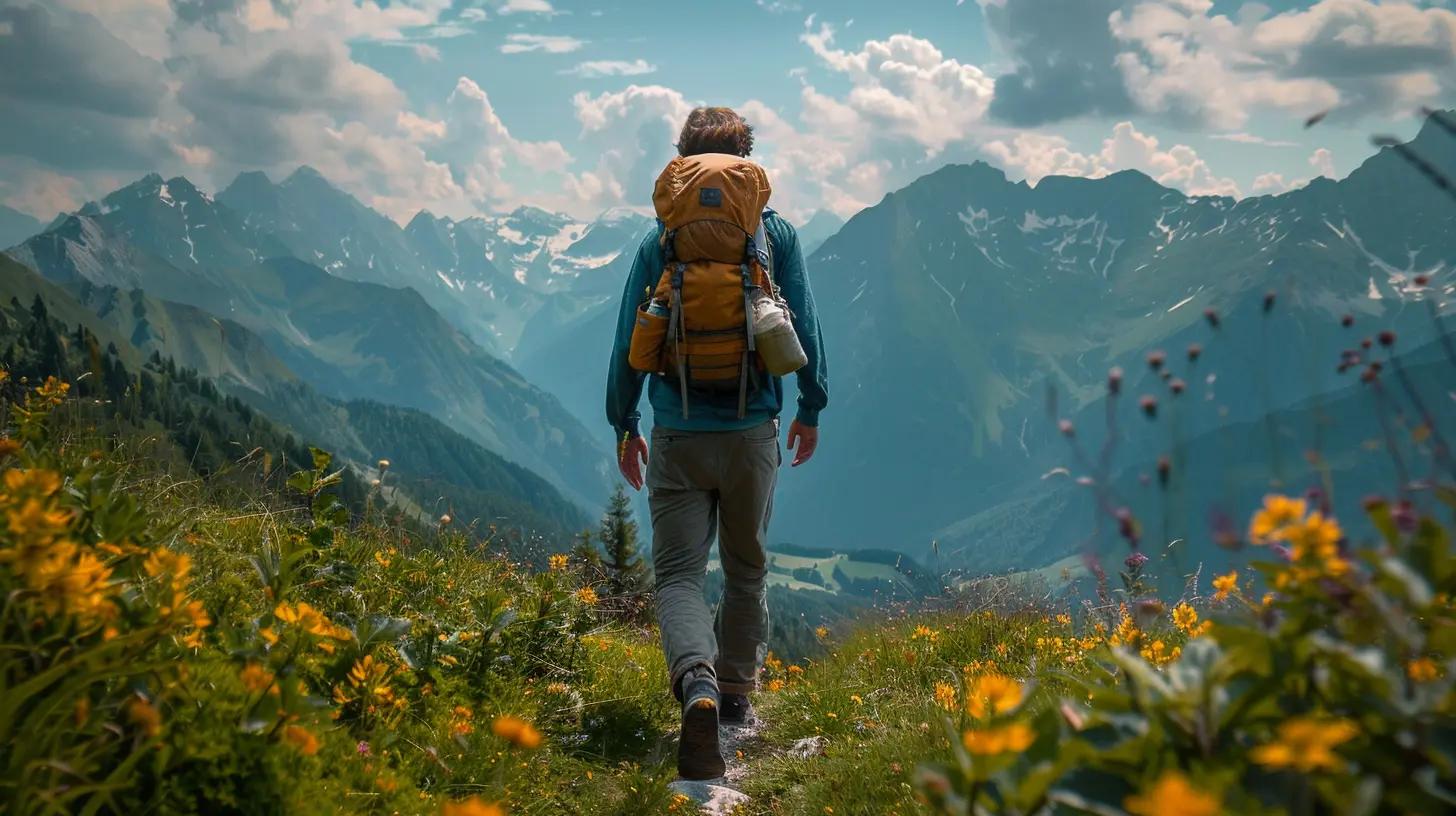
1. Research Your Destination in Advance
Before you even pack your bags, do your homework. Each country has different terrains, climates, and potential risks when it comes to hiking and nature exploration.- Check the weather forecast. Sudden temperature drops, heavy rains, or extreme heat can turn a simple hike into a dangerous situation.
- Know the local wildlife. Some areas may have venomous snakes, large predators, or aggressive insects that could pose a threat.
- Read about local hiking regulations. Some trails require permits, guides, or specific gear. Ignoring these rules can get you into trouble or put you in risky situations.
A little research can go a long way in keeping you safe and allowing you to enjoy your trip without nasty surprises. 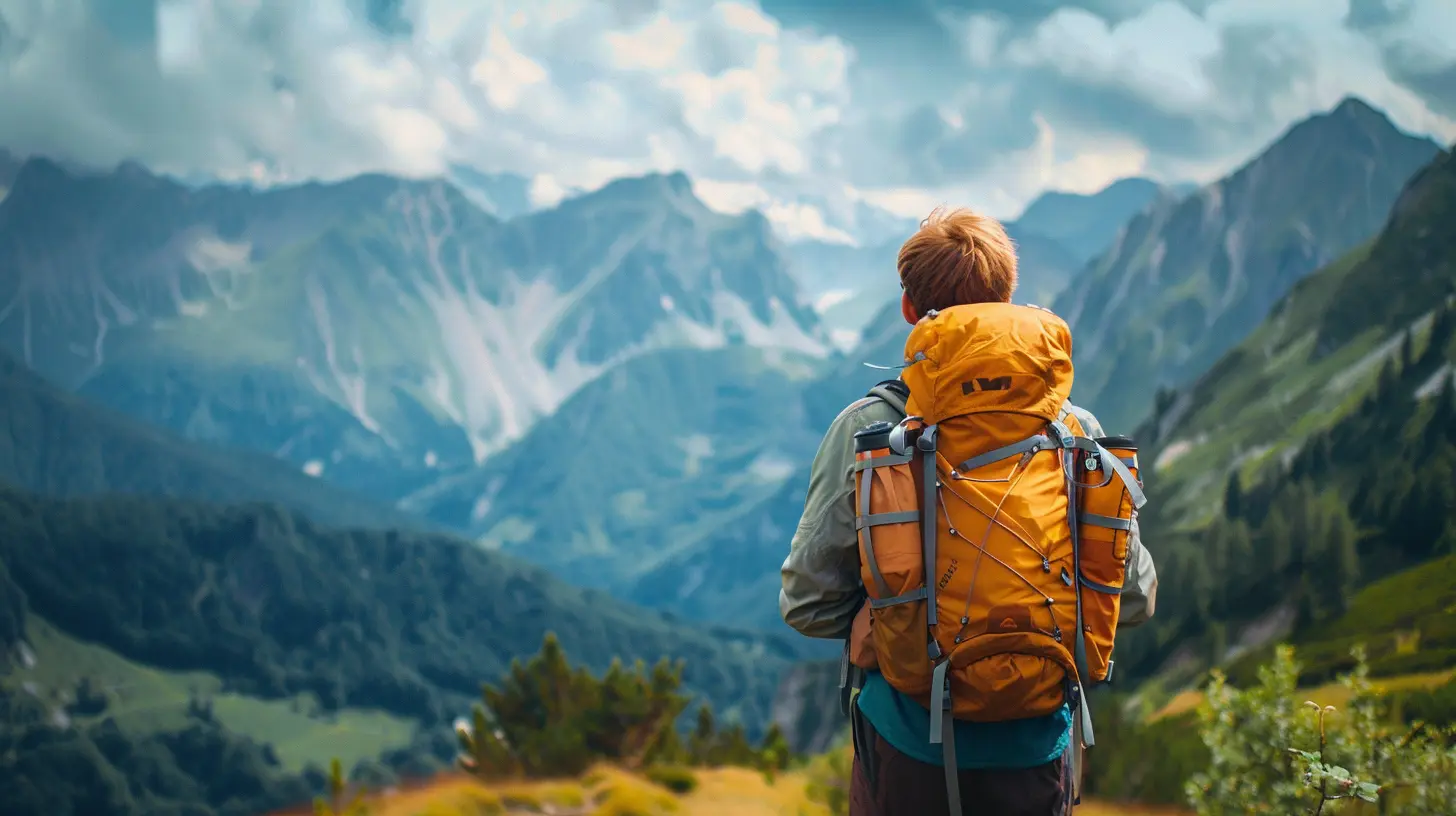
2. Let Someone Know Your Plans
This tip might sound basic, but you’d be surprised how many people forget to do it. Always tell someone where you're going, what trail you’ll be on, and when you expect to return.- Share your itinerary with a friend, family member, or even your hotel receptionist.
- Consider using a GPS tracker or a hiking app that allows real-time location sharing.
- If you’re going to a remote area, register with local authorities or park rangers if possible.
If something goes wrong, having someone aware of your whereabouts could be a lifesaver. 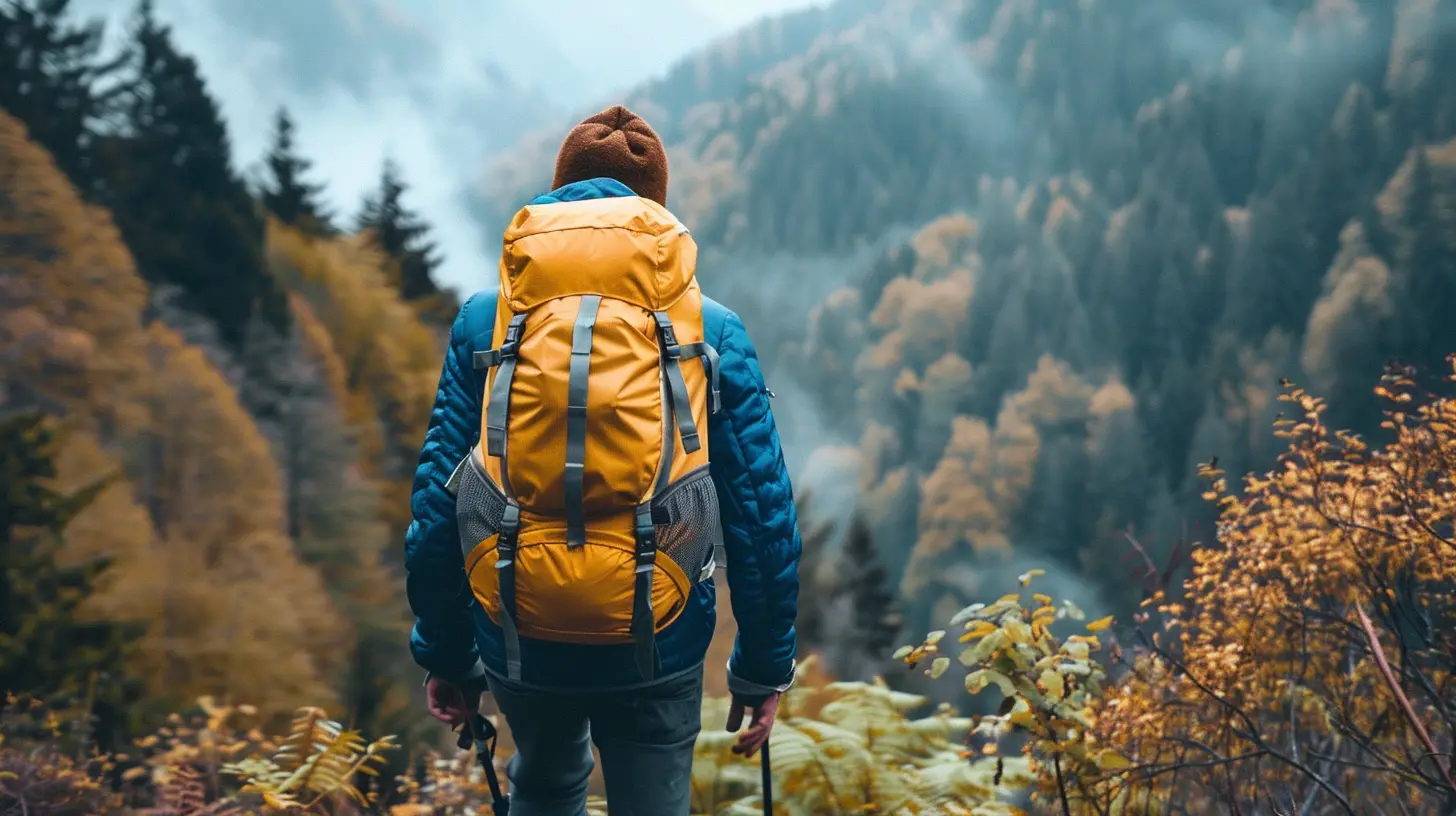
3. Pack the Right Gear
The right equipment can mean the difference between an enjoyable hike and a total nightmare. Here’s a checklist of essentials:Basic Hiking Gear:
✅ Comfortable hiking boots (broken in, not brand new!)✅ Lightweight, layered clothing (weather can change fast)
✅ A waterproof jacket or poncho
✅ Hat and sunglasses for sun protection
Safety & Survival Gear:
✅ A fully charged phone (with a power bank)✅ A map, compass, or GPS device (don’t rely only on phone apps!)
✅ First aid kit with bandages, antiseptic, painkillers, and any personal medications
✅ Whistle and flashlight (helps if you get lost or need to signal for help)
✅ Pocket knife or multitool
Food & Hydration:
✅ Plenty of water (or a portable water filter if hiking near natural water sources)✅ High-energy snacks like nuts, energy bars, and dried fruit
Having the right gear drastically reduces the risks associated with hiking in unknown terrain. 
4. Stay on Marked Trails
Wandering off the trail might feel adventurous, but it’s also one of the easiest ways to get lost or injured.- Marked trails are designed for safety and are usually maintained to prevent hazardous conditions.
- Straying off-path can lead to dangerous terrain, animal encounters, or even accidental trespassing into restricted areas.
- In some places, veering off can put you in serious legal trouble, especially in protected national parks.
Stick to the designated route—it’s there for a reason.
5. Be Aware of Wildlife
Nature isn’t a zoo. Wild animals act on instinct, and if you invade their space, they might not be too happy about it.- Research what animals you might encounter on your hike and how to react if you come across them.
- Avoid feeding wildlife—this can make them aggressive or dependent on humans.
- If you’re in bear country, carry bear spray and know how to use it.
- When hiking in areas with venomous snakes, watch your step and never stick your hands or feet into hidden spaces, like rock crevices or tall grass.
Respect animals from a safe distance, and they’re more likely to respect you in return.
6. Know Basic First Aid
You don’t need to be a doctor, but having some basic first aid knowledge can be a game-changer if something goes wrong.- Learn how to treat minor cuts, blisters, or sprained ankles.
- Know the signs of dehydration, heat exhaustion, and hypothermia so you can act before things get worse.
- If you're traveling somewhere remote, consider taking a basic wilderness first aid course.
Being able to handle minor injuries yourself can prevent them from turning into major problems.
7. Watch the Weather Closely
Weather in nature can be unpredictable, especially in mountainous or coastal regions.- Check forecasts before heading out, but also keep an eye on changing conditions while hiking.
- If it starts getting dark, stormy, or overly foggy, don’t push your luck—turn back.
- If hiking in cold environments, be aware of the risk of hypothermia, and in hot climates, watch for heatstroke symptoms.
Mother Nature plays by her own rules, so staying aware of your surroundings is key.
8. Be Prepared for Emergencies
Even with all the preparation in the world, things can still go wrong. Here’s how to handle emergencies:- If you get lost, stop moving, stay calm, and try to retrace your steps. If you have cell service, call for help. If not, use a whistle to signal rescuers.
- If someone in your group gets injured, assess the situation and provide first aid. If there’s a serious injury, send someone for help if you have no other way to call for assistance.
- If you encounter aggressive wildlife, stay calm, avoid sudden movements, and slowly back away without turning your back.
Knowing what to do in an emergency can make all the difference.
9. Travel With a Buddy
Solo hiking can be an amazing experience, but let’s be honest—it also carries more risks. If possible, hike with a friend or a group.- Having a buddy means someone is there to help if you get injured or lost.
- You’ll have someone to double-check decisions, which can prevent reckless mistakes.
- It’s just more fun to share the adventure!
If you must hike alone, make sure you take extra precautions, like carrying emergency communication devices and leaving a detailed itinerary with someone you trust.
10. Respect Local Customs and Regulations
Every country has different rules about hiking and nature exploration. Some areas consider certain behaviors disrespectful or even illegal.- In some cultures, taking rocks, plants, or other natural souvenirs is frowned upon.
- Certain trails may be closed due to environmental conservation efforts.
- Camping might be restricted in specific areas, so always check local regulations.
Being a responsible traveler means respecting nature and the culture of the country you’re visiting.
Final Thoughts
Hiking and exploring nature abroad can be one of the most rewarding experiences of your life—but only if you do it safely. By planning ahead, respecting your surroundings, and taking the right precautions, you can ensure that your adventure is not only memorable but also free of unnecessary risks.So, lace up those boots, pack wisely, and hit the trails with confidence—because the best kind of adventure is a safe one!
all images in this post were generated using AI tools
Category:
Travel SafetyAuthor:

Ian Powell
Discussion
rate this article
2 comments
Vex Ford
This article offers invaluable insights for anyone venturing into the great outdoors while traveling. From understanding local wildlife and weather conditions to maintaining communication with loved ones, these tips ensure a safer and more enjoyable experience. A must-read for all adventure seekers and nature enthusiasts!
March 11, 2026 at 5:45 PM
Ian Powell
Thank you for your thoughtful comment! I'm glad you found the insights helpful for your outdoor adventures. Stay safe and enjoy exploring!
Kenzie Young
Don’t let fear hold you back! Embrace the wild, but be smart: research your routes, trust your instincts, and stay prepared. Adventure awaits—just be bold and stay aware!
February 27, 2026 at 4:00 AM