Safari Magic: Face-to-Face with Africa’s Big Five
2 January 2026
So, you’ve decided to abandon your cozy couch, Netflix binge, and fridge full of snacks to venture into the untamed wilderness of Africa? Bold move, my friend. But trust me, spotting Africa’s Big Five in their natural habitat is worth every mosquito bite and awkward “bush bathroom” moment.
The term "Big Five" was originally coined by hunters to describe the five most difficult animals to hunt on foot. Fortunately, these days, the only thing most people shoot is a high-resolution Instagram pic. And let’s be real—nothing screams “adventure” like bragging about how you locked eyes with a lion.
So, buckle up and grab your binoculars! Let’s dive into the wild world of Africa’s Big Five. 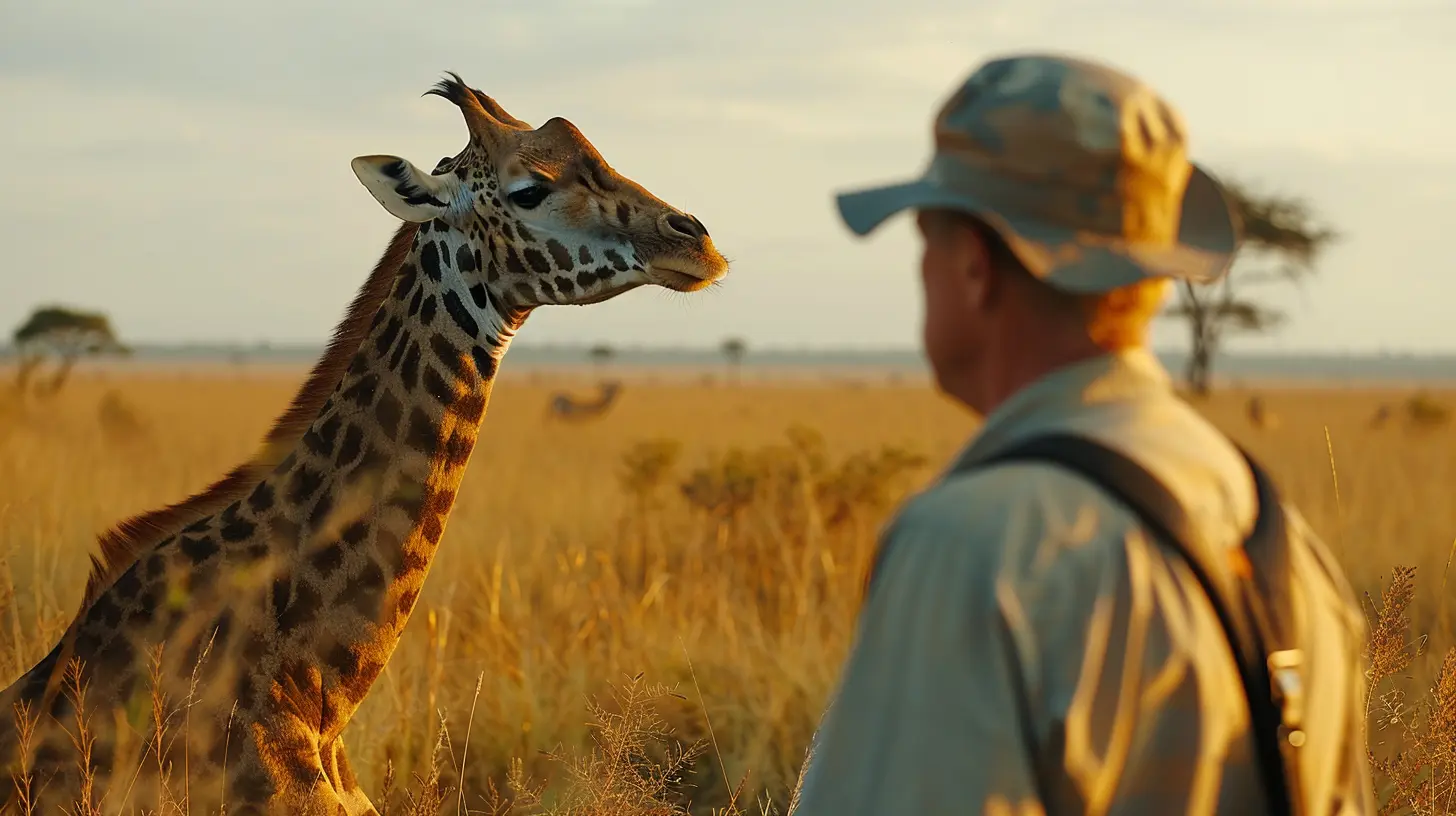
1. The Lion – The King (and Sleepiest) of the Jungle
Ah, the lion—majestic, powerful, and, let’s be honest, a bit of a lazy diva. Forget The Lion King’s action-packed portrayal of roaring dominance. In reality, lions spend about 20 hours a day napping. Yeah, that’s right. Your cat lying around the house? Amateur compared to these guys.But when they’re awake? Oh boy. Watching a lion on the hunt is like witnessing the ultimate suspense thriller—silent steps, laser focus, and bam! Dinner is served (for them, not you).
Want to see one up close? Head to Serengeti National Park (Tanzania) or Kruger National Park (South Africa) at dawn or dusk when they’re most active. Unless, of course, you’re into watching them snore. 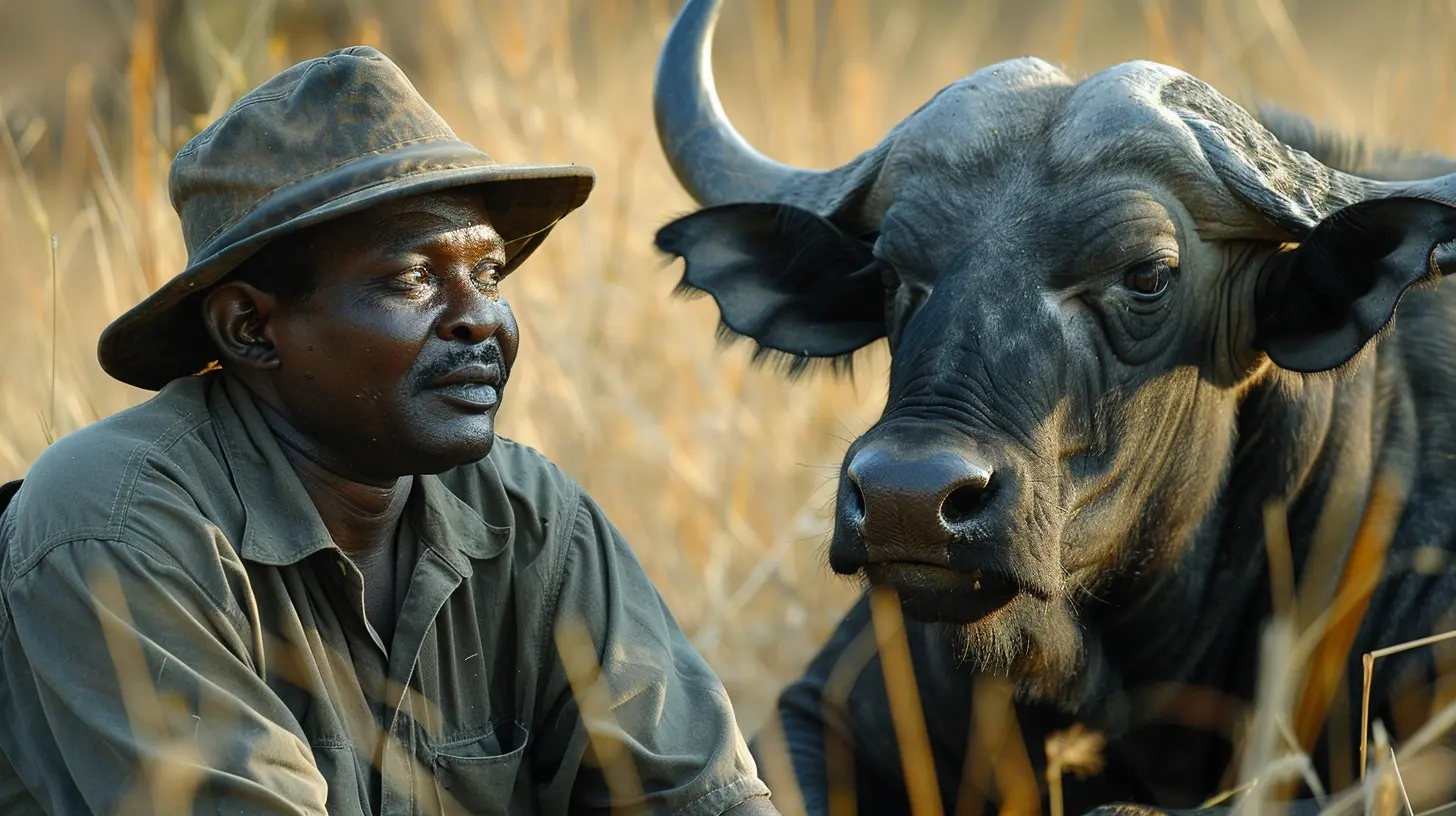
2. The Elephant – Nature’s Bulldozer with a Soft Side
If you think you have a big appetite, meet the African elephant. These guys munch on 300-400 pounds of food per day—that’s like eating your weight in pizza every single day. No judgment, of course.Despite their sheer size, elephants are basically emotional marshmallows. They mourn their dead, cuddle their young, and display more affection than your ex ever did. Plus, their problem-solving skills? Off the charts. If “breaking into tourist lodges for snacks” were an Olympic sport, elephants would take gold.
For the best elephant encounters, check out Chobe National Park (Botswana) or Amboseli National Park (Kenya), where you’ll likely see entire elephant families strutting their enormous yet adorable stuff. 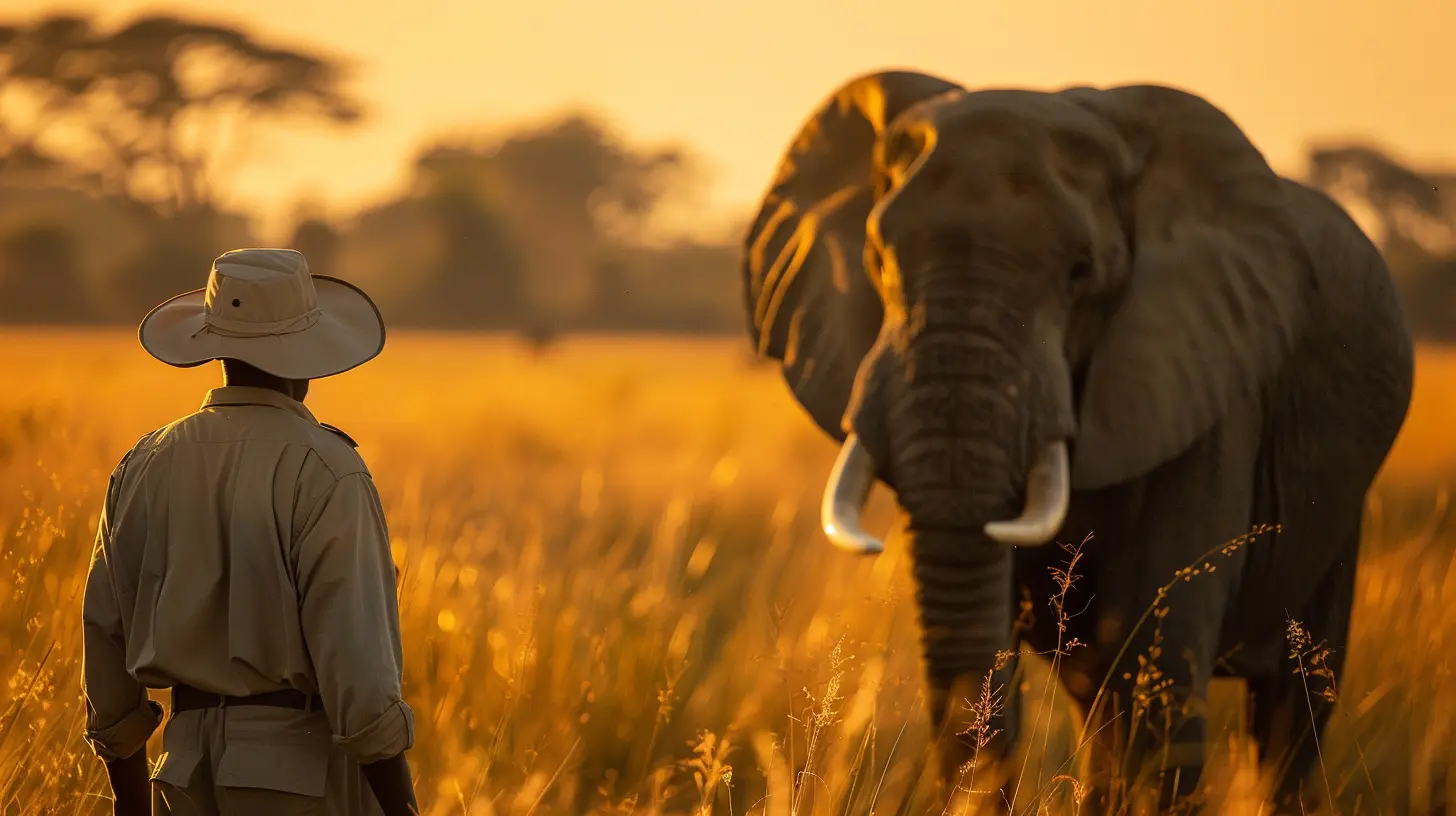
3. The Buffalo – The Moodiest Member of the Big Five
Buffalos don’t get the same red-carpet attention as lions or elephants, but don’t let their cow-like appearance fool you. These guys have serious anger issues. Think of them as the grumpy old men of the safari—always glaring, always ready to charge, and not interested in your selfies.What makes them especially terrifying? Their unpredictable nature. One moment they’re grazing peacefully, and the next, they’re coming at you like you just insulted their mother.
Despite the attitude problem, they’re fascinating to watch in herds, especially in Masai Mara (Kenya) or Hwange National Park (Zimbabwe). Just maintain a respectful distance (unless you enjoy a good adrenaline rush). 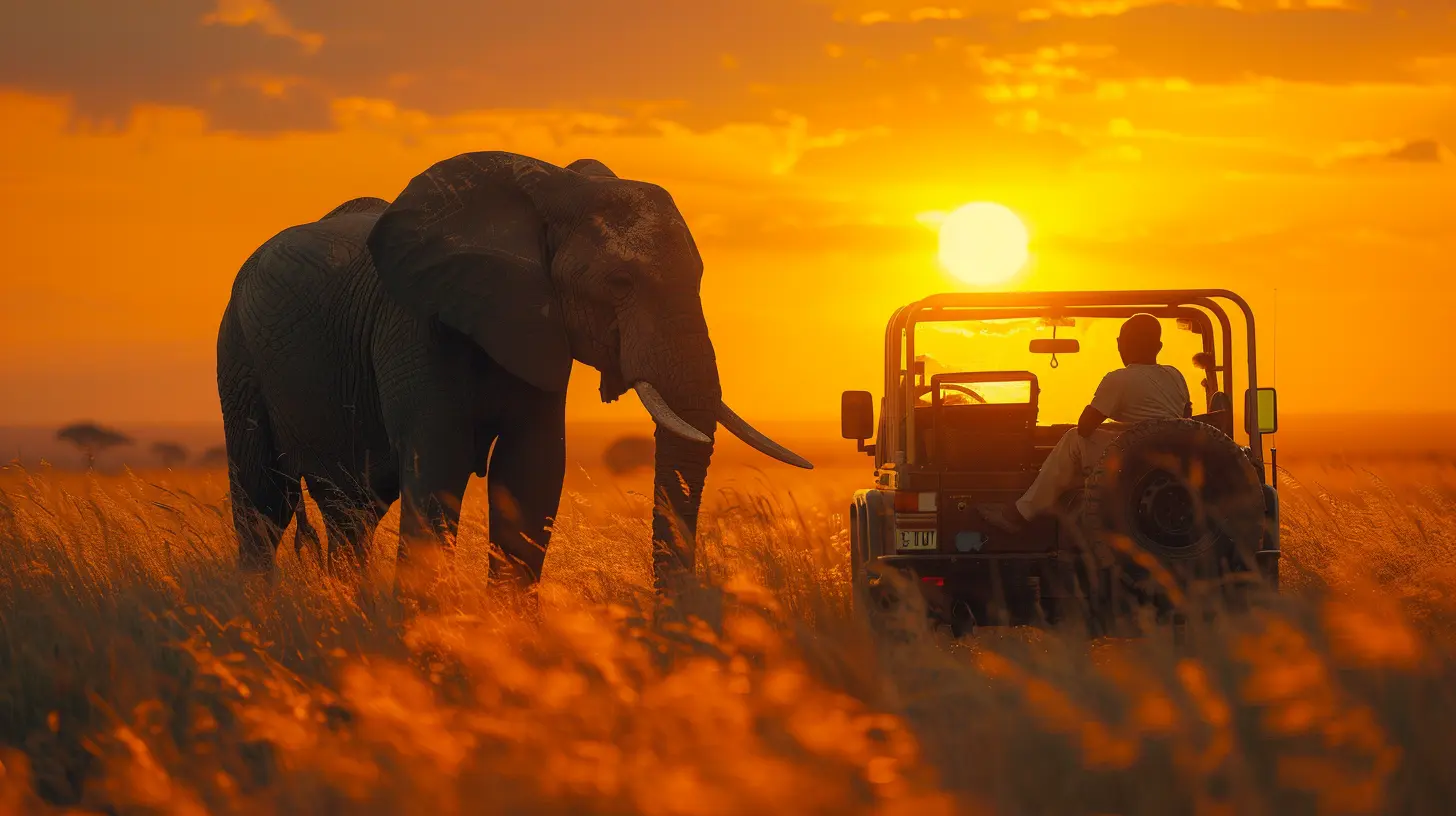
4. The Leopard – The Sneaky, Solo Assassin
If there’s one Big Five animal that truly deserves the “mysterious and cool” title, it’s the leopard. Unlike lions, who thrive in family drama, leopards are lone wolves (or… lone leopards?).They’re basically the ninjas of the animal kingdom—stealthy, silent, and exceptionally good at disappearing. You could stare at a tree for five minutes and then suddenly realize a leopard was lounging there the whole time, judging your poor observation skills.
Catching sight of one is like winning the safari jackpot. Your best bets? Sabi Sands Game Reserve (South Africa) and Okavango Delta (Botswana), where they like to show off their tree-climbing skills.
5. The Rhino – The Tank of the Wild
Rhinoceroses look like prehistoric warriors, and honestly, they act the part. With their built-in armor (aka thick skin) and dagger-like horns, these guys are pretty much the last creatures you'd want to argue with. But plot twist—they’re actually quite shy.Thanks to poachers (seriously, humans ruin everything), rhino populations have dwindled, making sightings even more special. White rhinos tend to be the social butterflies of the species, while black rhinos prefer to keep to themselves. Either way, seeing a rhino in the wild feels like stepping into a real-life Jurassic Park (minus the man-eating dinosaurs, thankfully).
For the best rhino encounters, head to Etosha National Park (Namibia) or Hluhluwe-Imfolozi Park (South Africa), where conservation efforts are keeping these magnificent beasts alive and thriving.
Bonus Tips for the Ultimate Big Five Safari
🌄 Best Time to Go
The dry season (June - October) is your golden ticket for Big Five sightings. With less water around, animals gather at watering holes like it’s happy hour at the local bar.📍 Top Safari Destinations
- Serengeti National Park, Tanzania – Home to the Great Migration and plenty of Big Five action.- Kruger National Park, South Africa – One of Africa’s most famous and accessible safaris.
- Maasai Mara, Kenya – Picture-perfect savannah landscapes and a high chance of spotting all five in a day.
📷 Essential Safari Packing List
- Binoculars – Because squinting at distant lions won’t cut it.- Camera with Zoom Lens – Your phone camera won’t do justice.
- Neutral-Colored Clothing – Blend in unless you want to be mistaken for a lost tourist.
- Bug Spray – Unless you want to be the main course for mosquitoes.
- Patience – Nature doesn’t operate on your schedule, buddy.
Final Thoughts: Is Seeing the Big Five Worth It?
Oh, absolutely. Sure, safaris come with their share of ugh moments—dusty roads, early wake-up calls, and the occasional close encounter with an overenthusiastic baboon. But getting up close with Africa’s most iconic creatures? That’s a once-in-a-lifetime thrill.So, pack your bags, charge your camera, and get ready for a safari adventure that will leave you with stories to tell for years. And hey, even if you don’t see all five, at least you’ll have enough mosquito bites to prove you gave it your best shot!
all images in this post were generated using AI tools
Category:
Wildlife EncountersAuthor:

Ian Powell
Discussion
rate this article
2 comments
Leo McKinnon
What an exciting read! Your vivid descriptions truly bring the magic of Africa’s safaris to life. Encountering the Big Five is such a thrilling experience, and I can’t wait to plan my own adventure. Thanks for sharing this captivating journey!
February 8, 2026 at 5:34 PM
Ian Powell
Thank you so much for your kind words! I'm thrilled you enjoyed the article and hope you have an amazing safari adventure!
Petra Roberson
Excited to hear about your adventures! What was the most unforgettable encounter?
January 7, 2026 at 3:52 AM
Ian Powell
Thank you! The most unforgettable encounter was watching a lioness and her cubs play. It was a rare, intimate glimpse into their world.