Roaming with Rhinos: A Journey into Africa's Conservation Reserves
3 August 2026
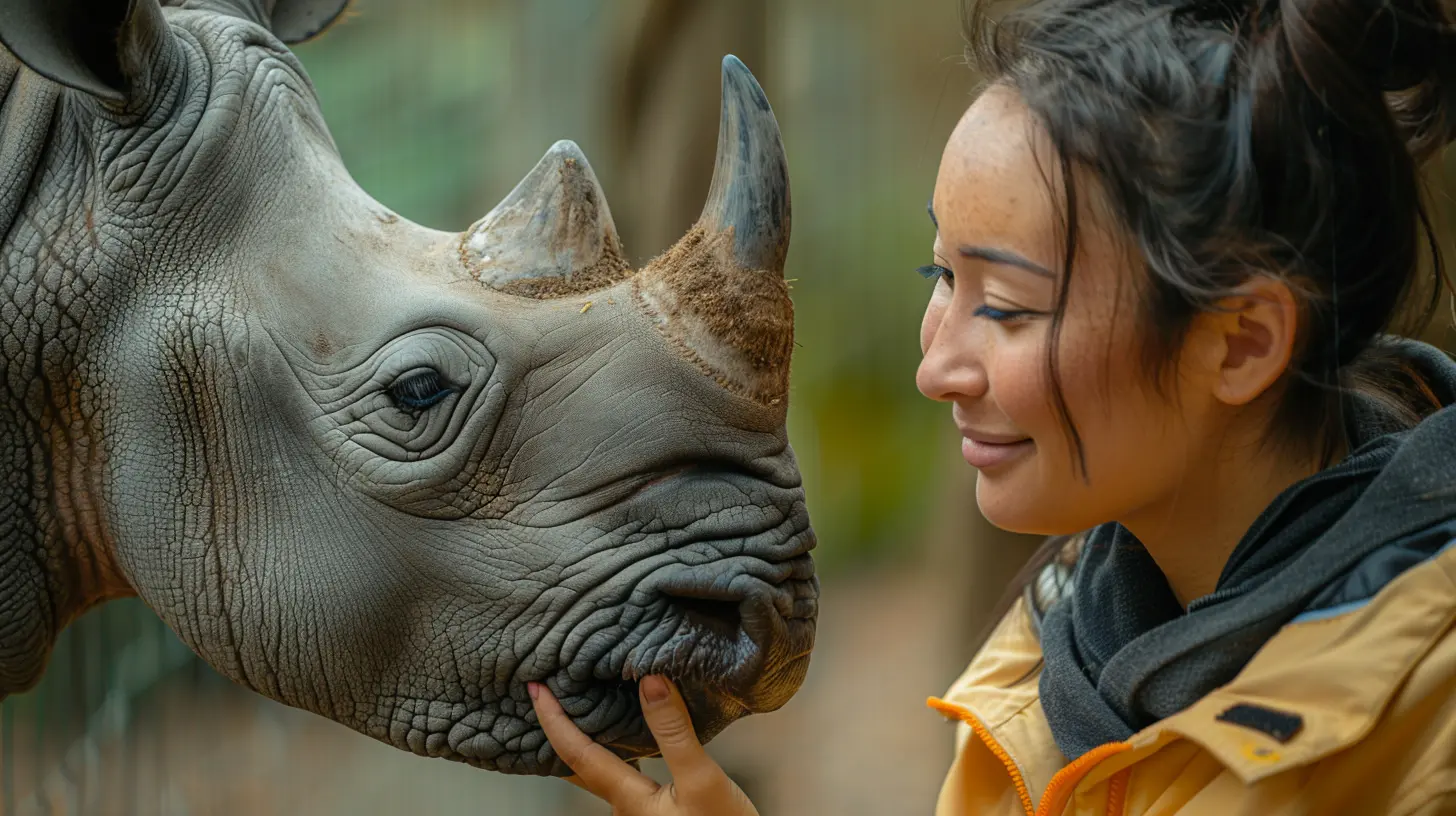
Ever dreamed of locking eyes with a wild rhino in its natural habitat? That heart-thumping moment when you realize you’re standing just a few feet away from one of nature’s most powerful creatures? That, my friend, is what it feels like to roam with rhinos in Africa's conservation reserves.
Let me take you on an unforgettable journey—not just across the vast plains and rugged bushlands of Africa but into the heart of the continent’s battle to save one of its most iconic animals. It’s part wild safari, part emotional rollercoaster, and all 100% worth the adventure.
Why Rhinos Matter More Than You Think
Rhinos are more than just prehistoric-looking tanks roaming the savannah. They’re integral players in Africa’s ecosystem. By grazing large amounts of grass, they help shape the landscape, which benefits other species—sort of like the lawnmowers of the bush.But it’s not just about grass and grazing. Rhinos symbolize the broader struggles and victories in conservation. Saving them means protecting entire ecosystems and empowering local communities who share the land with these giants.
The Grim Truth: Why Rhinos Need Our Help
Let’s not sugarcoat it—rhinos are in trouble. Like, serious trouble.There are five species of rhino in the world, and Africa is home to two of them: the white rhino and the critically endangered black rhino.
Decades of poaching, driven by the illegal demand for rhino horn, have decimated populations. It’s heartbreaking. Imagine losing a whole species because someone, somewhere, believes ground-up horn can cure a headache. Yeah, that’s the reality.
Back in the 20th century, there were hundreds of thousands of rhinos. Today, those numbers have nosedived. It’s a race against time, and Africa’s conservation reserves are on the frontlines.
What Makes Conservation Reserves So Special?
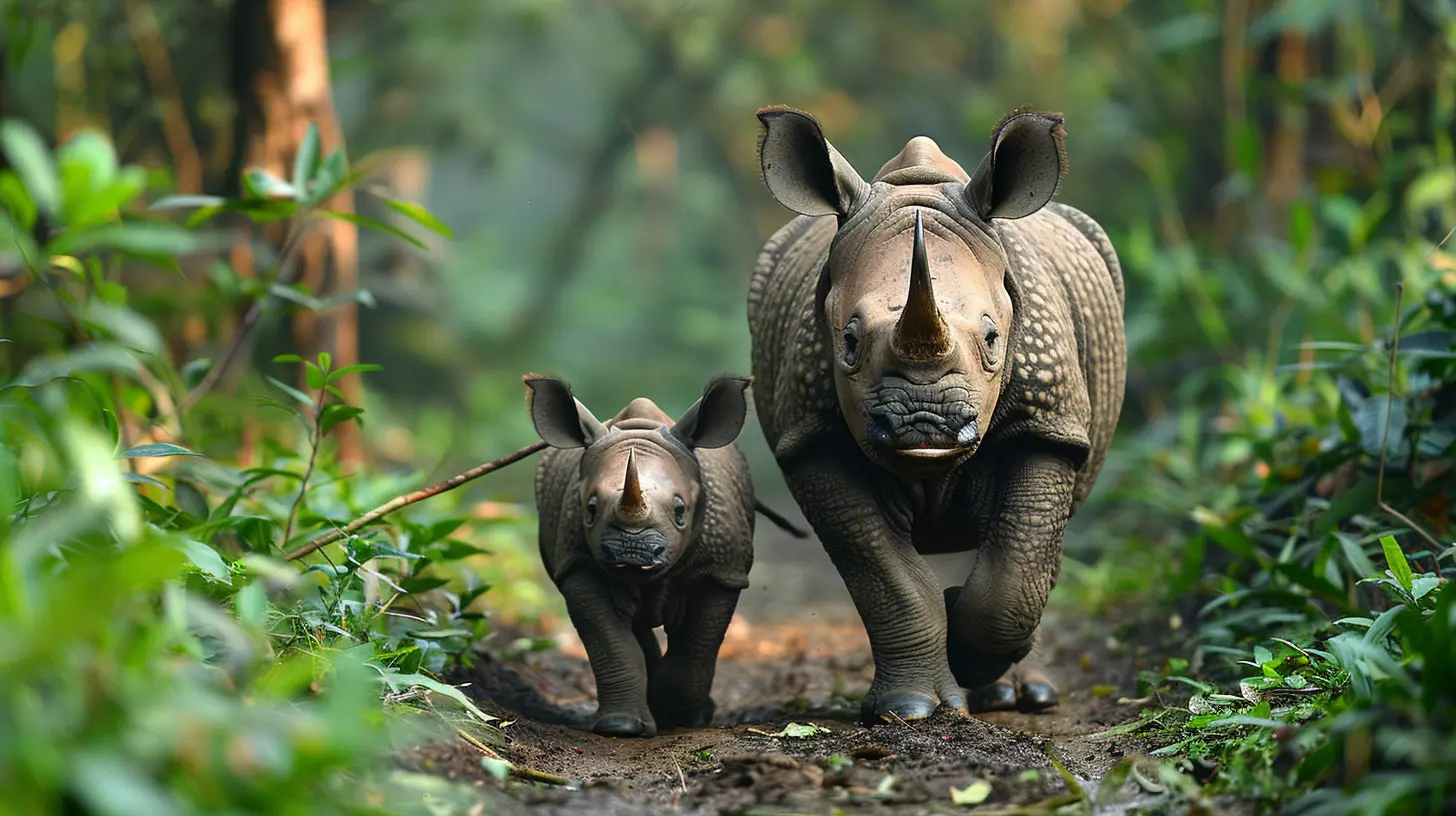
Think of conservation reserves as safe zones for rhinos—protected, monitored, and fiercely defended by people who care deeply about wildlife.These reserves aren’t just patches of land fenced off from the world; they’re carefully managed ecosystems where rhinos can live, breed, and flourish in peace. Some are government-run, while others are private or community-owned reserves that rely heavily on tourism to fund their efforts.
When you visit one, you’re not just going on a safari—you’re actively supporting the fight to save these animals. Your entrance fee helps pay for anti-poaching patrols, community outreach, and research programs.
Top Places to Roam with Rhinos in Africa
Alright, ready to pack your bags? Here are some of the best spots on the continent to see rhinos up close (safely, of course).1. Hluhluwe–Imfolozi Park, South Africa
This park is like the granddaddy of rhino conservation. It's where the white rhino was brought back from the brink of extinction. Located in KwaZulu-Natal, it offers a real chance to see both black and white rhinos.Plus, the landscape here is drop-dead gorgeous—rolling hills, thick bush, and river valleys that feel like something out of a dream.
2. Ol Pejeta Conservancy, Kenya
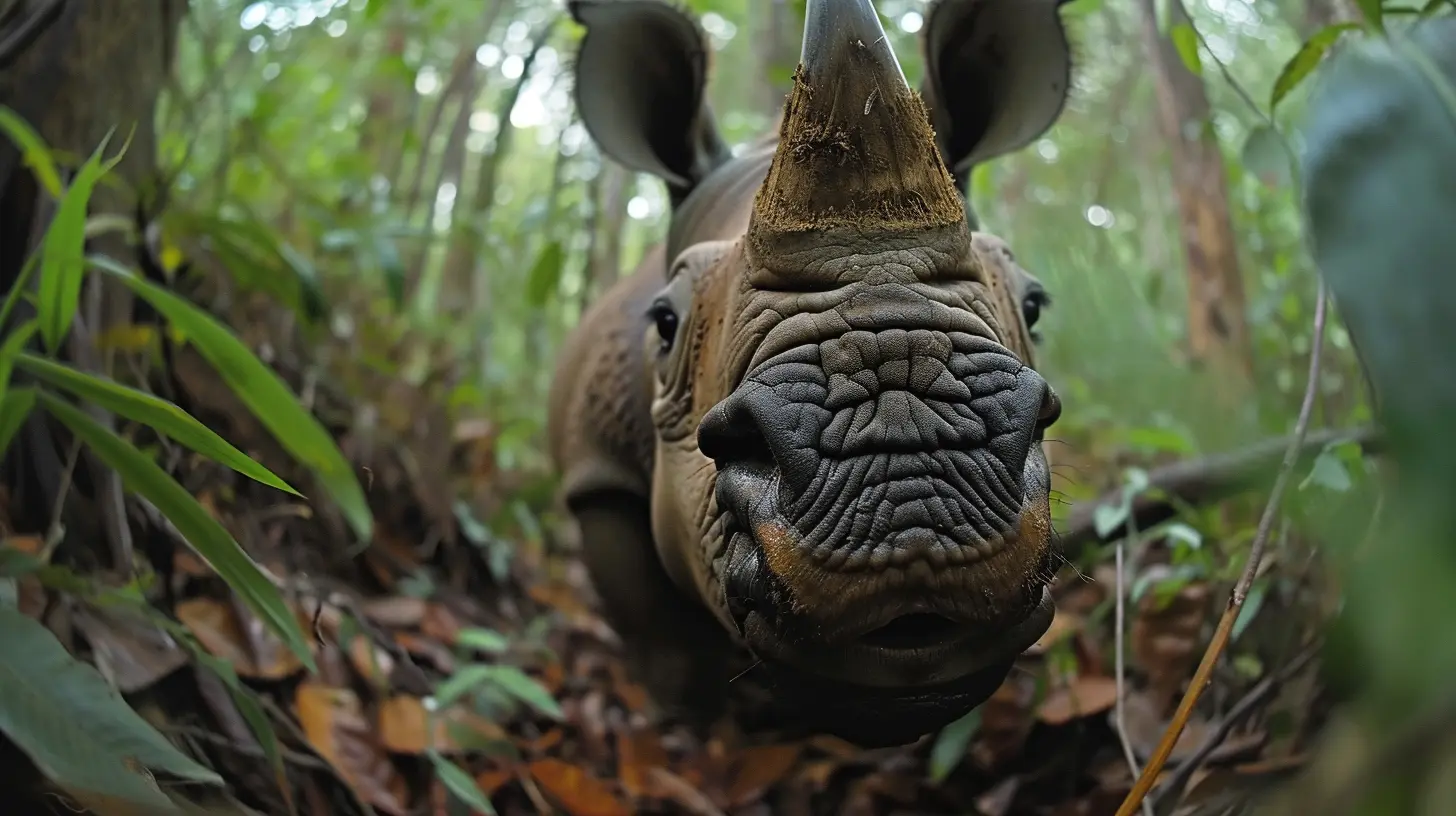
Ol Pejeta is the rockstar of Kenyan conservation. It's home to the last two northern white rhinos (yes, only two left!), as well as a thriving population of black rhinos.Visitors can get surprisingly close to the animals here—and even meet the rangers who protect them. It’s personal, moving, and incredibly insightful.
3. Etosha National Park, Namibia
Namibia’s arid landscapes are hauntingly beautiful, and Etosha delivers a rhino-viewing experience like no other. It’s not uncommon to see rhinos gathering around waterholes at dusk, silhouetted against a fiery sunset.Pro tip: Bring a pair of binoculars, and be patient. Rhino spotting here is like fishing—part luck, part skill, but always rewarding.
4. Matobo National Park, Zimbabwe
One word: walking. Yeah, you read that right. In Matobo, you can track rhinos on foot with an experienced guide. It’s not for the faint-hearted, but there’s nothing quite like standing in the shadow of a rhino without the barrier of a vehicle.It’s raw, it’s real, and it’ll make every hair on your body stand up in awe.
5. Kruger National Park, South Africa
Of course, no wildlife list would be complete without the mighty Kruger. This iconic park is massive—like, size-of-a-small-country massive—and houses a healthy population of rhinos.The park offers everything from budget camping to luxury lodges, so there’s something for every kind of traveler.
The Human Side of Conservation
Here’s something people often overlook: rhino conservation isn’t just about the animals. It’s also about people.Many reserves work closely with local communities to promote education, create jobs, and foster a meaningful connection between people and their natural heritage. Programs teach villagers that a living rhino brings more long-term benefits through tourism than a dead one ever could via illegal trade.
And guess what? It’s working. In areas where communities are involved, poaching rates drop significantly.
Rhino Tracking: What It’s Really Like
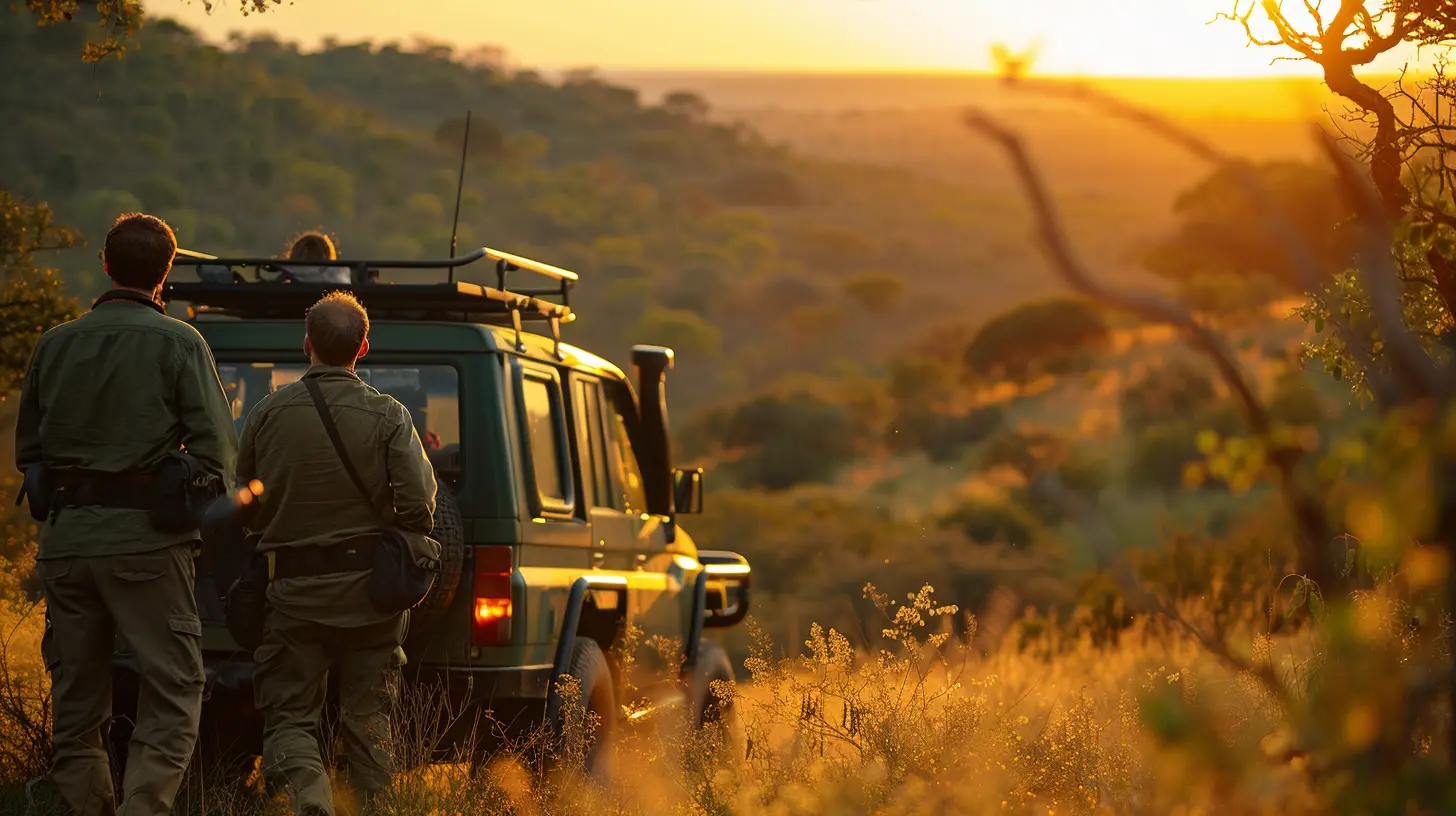
If you’re imagining a Jeep ride followed by a neat photo op, think again.Tracking rhinos is often dusty, sweaty, and way more intense than a typical game drive. You’ll follow fresh dung trails (yeah, really), study broken branches, and listen for the soft crunch of a rhino’s footsteps.
When you finally spot one, it’s like finding treasure. And the best part? You’re seeing it in the wild, where it belongs—not in a zoo, not in captivity, but free.
Staying Safe and Respectful in the Wild
Let’s be clear—rhinos are wild animals, not pets. They may look slow and docile, but they can run faster than you and weigh more than a car.So if you go roaming with rhinos, follow the rules. Listen to your guide, keep your voice low, and respect their space. It’s not just polite—it’s survival 101.
Also, avoid geotagging exact locations when posting on social media. Poachers monitor these platforms, and what seems like an innocent post can put rhinos at risk. Be smart. Be responsible.
Can Tourism Truly Help Save Rhinos?
In one word? Absolutely.When done right, tourism is one of the most powerful tools in conservation. It brings in essential funding, increases global awareness, and creates a financial incentive to protect wildlife.
Think of each rhino sighting as casting a vote for conservation. Your visit tells governments and communities: This matters. Keep going.
But here’s the catch—it has to be ethical. That means no canned hunting, no shady photo ops with drugged animals, and no supporting places that put profit over animal welfare.
Support reserves that are transparent, community-focused, and conservation-driven. Your dollars have power—spend them wisely.
The Emotional Impact of Seeing a Wild Rhino
Alright, let’s get a little personal.There’s something almost spiritual about seeing a rhino in the wild. Maybe it’s their sheer size. Or those ancient, wise eyes. Or knowing they're survivors in a world that’s been anything but kind.
Whatever it is, it sticks with you. Long after your trip is over, you’ll find yourself thinking about that moment. Maybe it’ll inspire you to donate, volunteer, or simply care a little more.
Because once you’ve looked a rhino in the eye, you can’t unsee it.
A Glimpse of Hope: Conservation Success Stories
Despite the grim headlines, there’s good news too. Conservation efforts are working—slowly but surely.White rhino numbers have rebounded in places like Hluhluwe–Imfolozi. Black rhinos are making a cautious comeback in several reserves. And more young people across Africa are getting involved in protecting their own natural heritage.
It's not a fairytale ending yet, but it's a start. And with support from travelers like you, there’s still hope.
Final Thoughts: More Than Just a Safari
Roaming with rhinos isn’t just a vacation—it’s a wake-up call. It’s eye-opening, humbling, and unforgettable. You’ll leave with more than just photos; you’ll leave with purpose.So, if you’re looking for an adventure that gives back—something wild, meaningful, and full of heart—then step into Africa’s conservation reserves. The rhinos are waiting.
And they could use a few more allies.
all images in this post were generated using AI tools
Category:
Wildlife EncountersAuthor:

Ian Powell