Relive History at UNESCO's Archaeological Wonders
1 July 2026
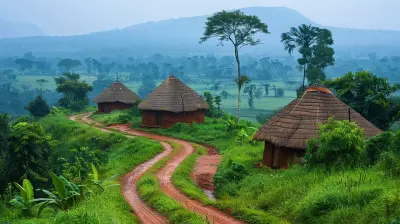
History has a way of whispering to us through the ruins of the past. Every ancient site tells a story—tales of empires rising and falling, civilizations thriving, and cultures evolving. Some of these priceless remnants are so significant that they've earned a place on UNESCO’s prestigious list of World Heritage Sites. If you have even the slightest love for history, visiting these extraordinary archaeological wonders is like stepping into a time machine.
From the towering pyramids of Egypt to the lost cities of South America, let's embark on a journey through time and relive history at some of the world's most iconic UNESCO-listed sites.
The Timeless Allure of UNESCO's Archaeological Wonders
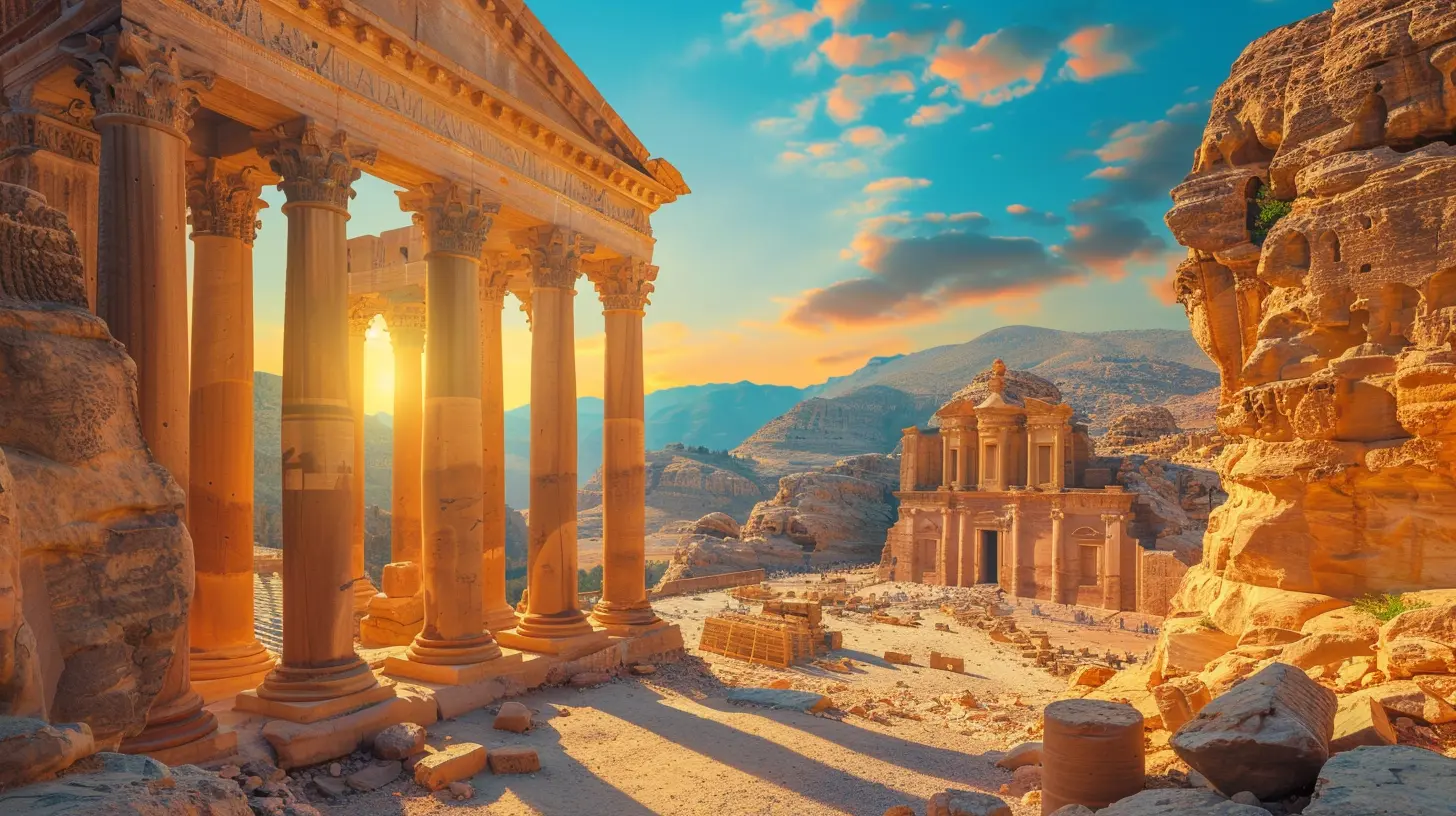
Why do these sites matter so much? Well, they’re not just piles of old stones. These ancient sites give us glimpses into the lives of our ancestors—how they built their societies, what they believed in, and the legacies they left behind. More importantly, they remind us of humanity’s incredible ability to create, innovate, and adapt.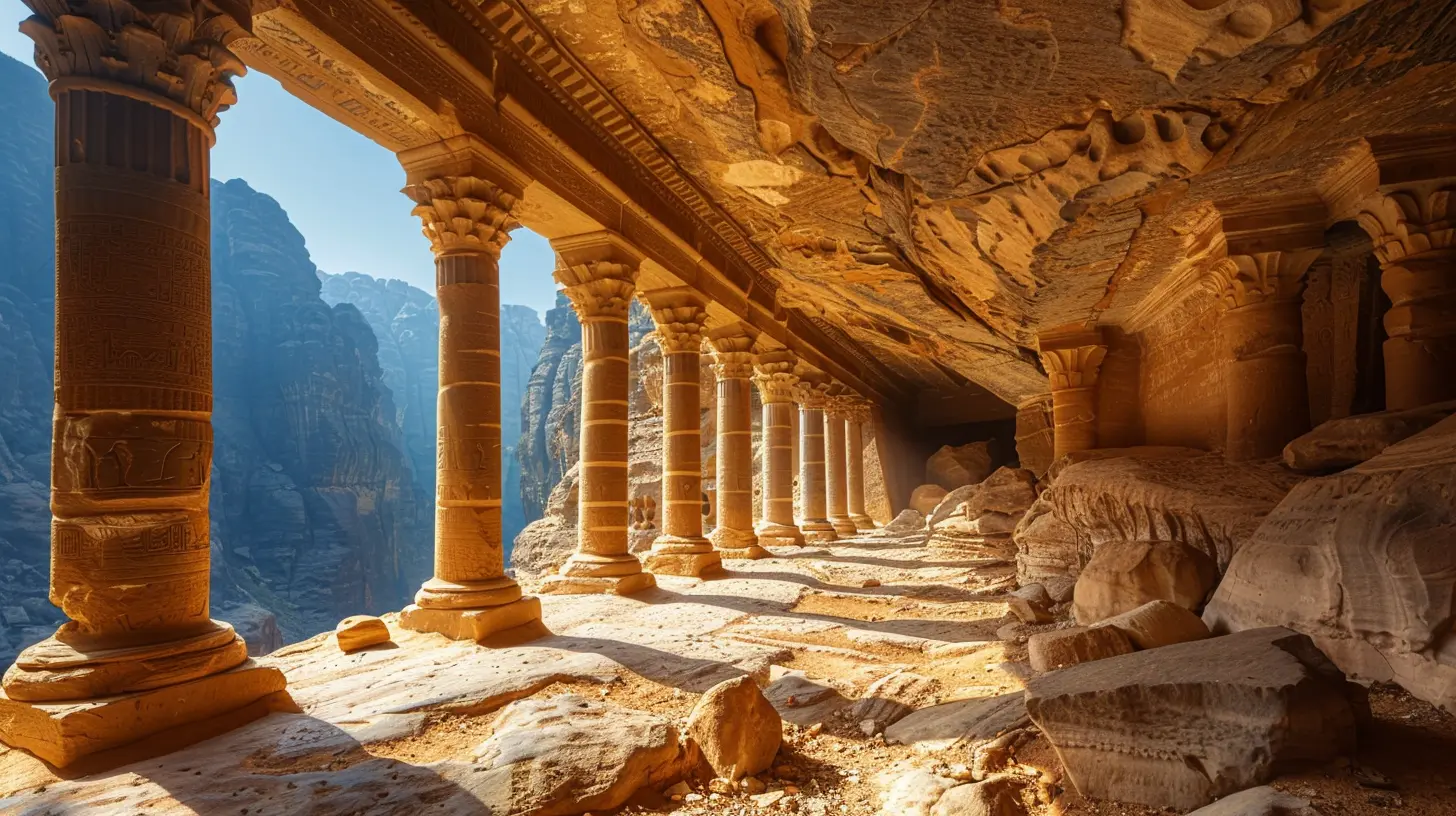
1. The Majestic Pyramids of Giza, Egypt
If history had a front cover, the Pyramids of Giza would be on it. These towering marvels have stood tall for over 4,500 years, guarding the secrets of Egypt’s pharaohs. The Great Pyramid, built as a tomb for Pharaoh Khufu, was once the tallest man-made structure in the world.The sheer precision of these pyramids leaves modern architects baffled. How did an ancient civilization build such colossal structures without modern machinery? Theories range from ingenious engineering techniques to extraterrestrial intervention (but let’s not go down that rabbit hole). Whatever the method, the pyramids remain a spectacular testament to human ingenuity.
2. The Lost City of Petra, Jordan
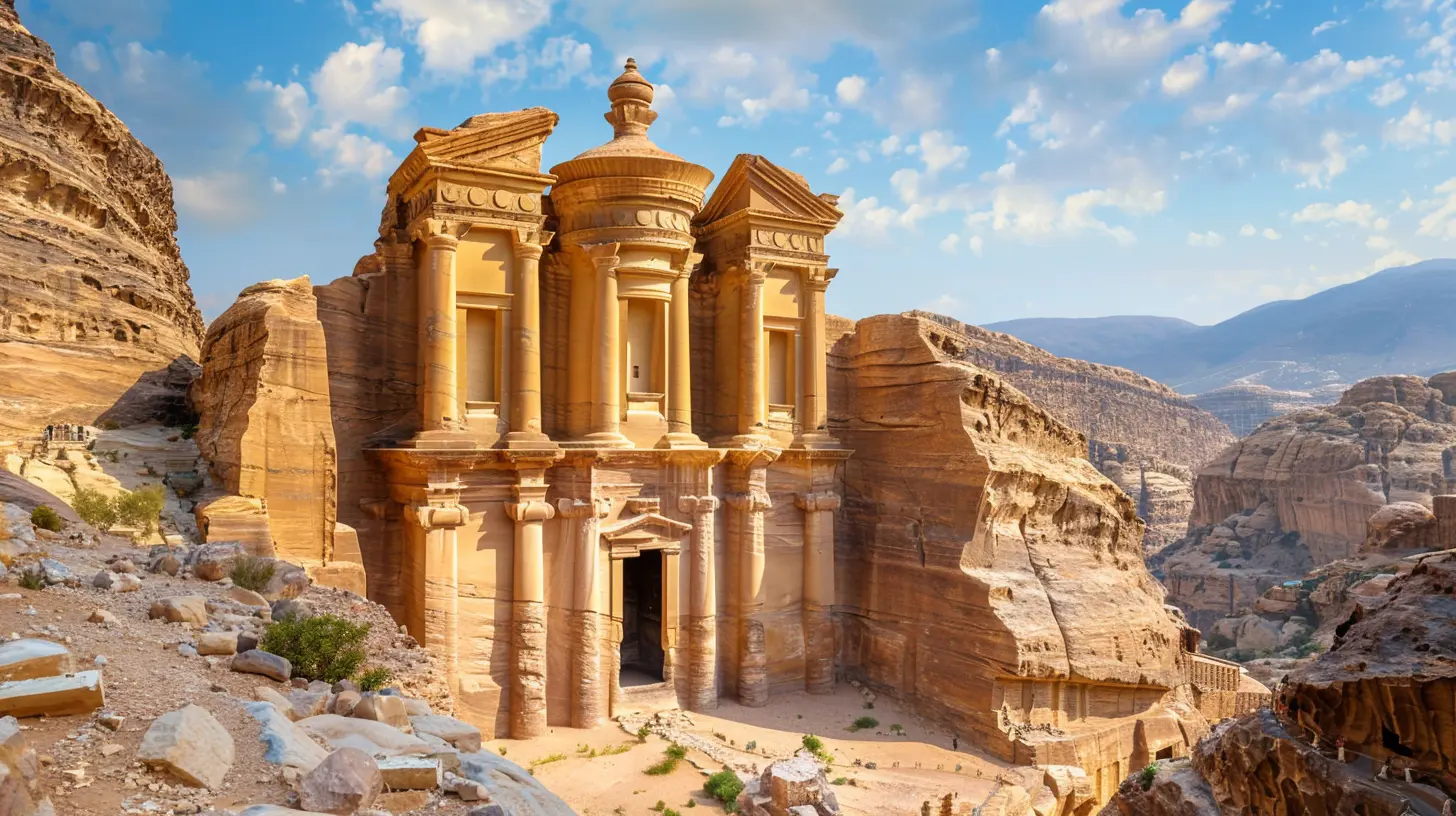
Carved directly into rose-red cliffs, Petra is one of the most breathtaking archaeological sites on the planet. Once a bustling trade hub, this hidden city was home to the Nabataeans, an ancient Arabian civilization. Walking through the narrow Siq (a dramatic canyon-like entrance) and suddenly coming face to face with the iconic Treasury is like stepping into an Indiana Jones movie.Petra’s advanced water management system showcases the brilliance of Nabataean engineering. Despite its arid location, the city thrived for centuries, only to be abandoned and forgotten until its rediscovery in the early 19th century. Today, it stands as a mesmerizing reminder of a lost civilization.
3. Machu Picchu, Peru – The Incan Wonder
Few places evoke a sense of mystery like Machu Picchu. Perched high in the Andes, this ancient Incan city remained hidden from the outside world until explorer Hiram Bingham stumbled upon it in 1911. Surrounded by misty mountains and lush greenery, Machu Picchu feels almost otherworldly.Historians believe it was an estate for Incan emperor Pachacuti or possibly a religious retreat. What’s truly fascinating is how the Incas managed to construct such a sophisticated city in the clouds without the use of wheels or iron tools. The perfectly cut stone walls, terraced fields, and spiritual significance make it one of the most awe-inspiring archaeological sites in existence.
4. The Colosseum, Italy – An Icon of Ancient Rome
Rome wasn’t built in a day, but the Colosseum continues to remind us of its powerful past. This massive amphitheater, once filled with roaring crowds and gladiatorial battles, is one of the most recognizable landmarks in the world.At its peak, the Colosseum could hold around 50,000 spectators. It hosted everything from intense gladiator fights to naval battle reenactments (yes, they actually flooded the arena). Despite centuries of earthquakes, pillaging, and natural wear, the Colosseum remains a fascinating window into the entertainment culture of ancient Rome.
5. The Mysterious Moai Statues of Easter Island
Easter Island, one of the most remote inhabited places on Earth, holds one of the greatest archaeological mysteries—the Moai statues. These massive stone figures, carved by the Rapa Nui people, stand solemnly across the island, their deep-set eyes gazing toward the horizon.How did a civilization with limited tools manage to carve and transport these colossal statues weighing several tons? Theories abound, from log-rolling techniques to mystical beliefs about the statues walking themselves into position. Sadly, overpopulation and resource depletion led to the decline of the Rapa Nui society, leaving behind these haunting yet awe-inspiring monuments.
6. The Ancient City of Angkor Wat, Cambodia
Angkor Wat isn’t just an archaeological site—it’s the largest religious monument in the world. Originally built as a Hindu temple, it later became a Buddhist sanctuary, reflecting Cambodia’s rich cultural transformation.With its intricate carvings, grandiose towers, and expansive layout, Angkor Wat is an architectural masterpiece. The level of detail in the stone bas-reliefs depicting epic battles and divine beings is astonishing. Watching the sunrise over its silhouette is truly a once-in-a-lifetime experience.
7. The Forgotten City of Pompeii, Italy
Imagine if an entire city was frozen in time. That’s precisely what happened to Pompeii in 79 AD when Mount Vesuvius erupted, burying the city under a thick layer of volcanic ash. For centuries, Pompeii remained lost until archaeologists uncovered a near-intact snapshot of Roman life.Walking through its streets today, you’ll see frescoes, houses, and even petrified residents caught in their final moments. Pompeii is both a chilling and fascinating glimpse into an ancient world that was halted in an instant.
Why Visiting UNESCO Archaeological Sites Matters
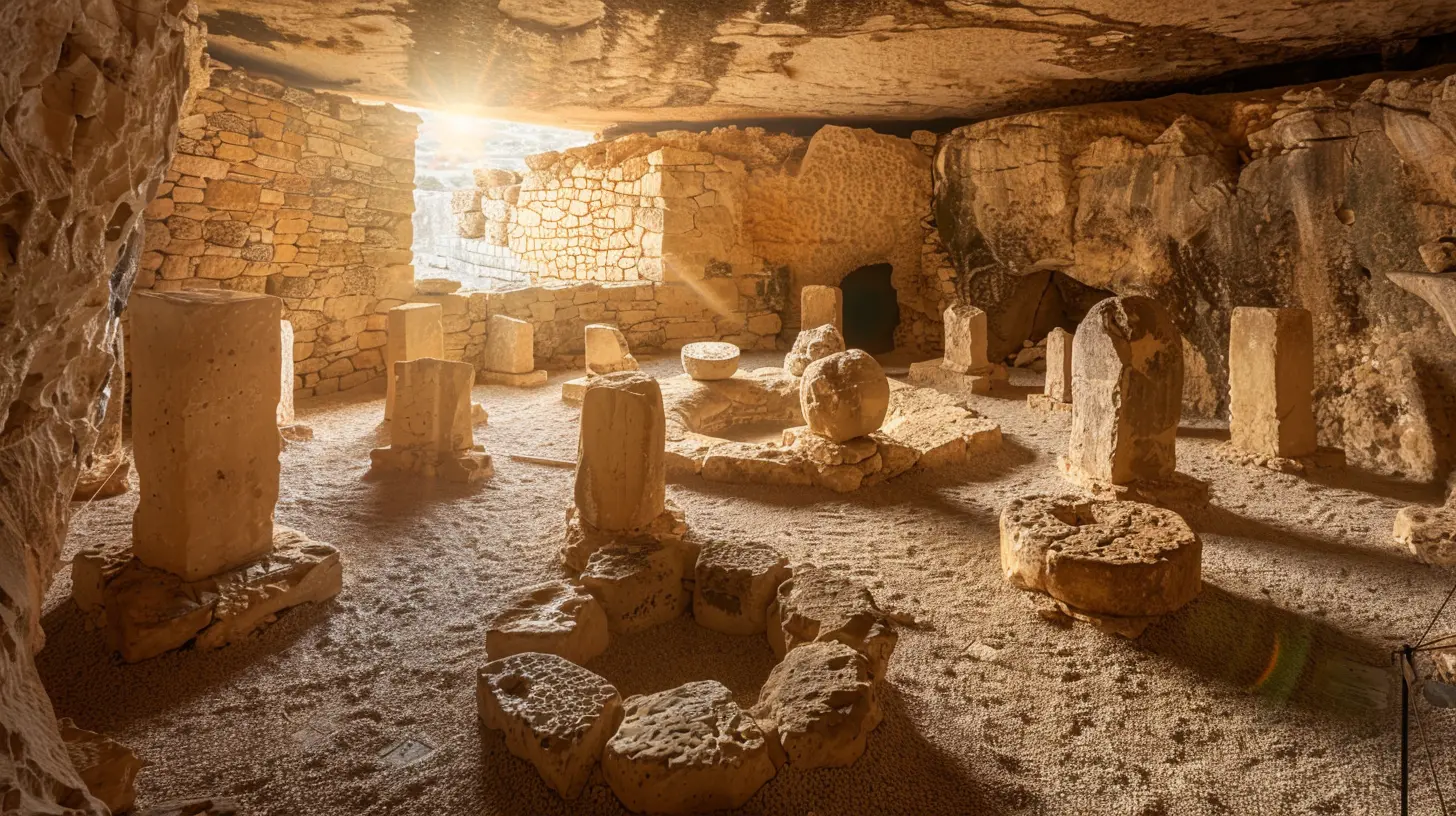
Sure, you could read about these places in a book or watch documentaries, but nothing compares to standing where history was made. These UNESCO sites aren’t just tourist attractions; they are living museums of human achievement, resilience, and creativity.By visiting, you support conservation efforts that help preserve these wonders for future generations. Plus, there’s something truly magical about walking the same paths as ancient civilizations, feeling their presence, and imagining what life was like centuries ago.
Final Thoughts
History isn’t just about dates and old ruins—it’s about stories, lessons, and connections. UNESCO’s archaeological wonders allow us to relive the past, understand different cultures, and appreciate the incredible accomplishments of humanity. Whether you're wandering through the corridors of Petra or gazing up at the towering Moai, these sites offer more than just a travel experience; they offer a journey through time.So, which of these historical marvels is calling your name? Pack your bags, grab your camera, and get ready to make history come alive!
all images in this post were generated using AI tools
Category:
Unesco SitesAuthor:

Ian Powell
Discussion
rate this article
1 comments
Naya McTavish
Discover the past. Experience the wonder.
August 9, 2026 at 3:00 PM