Predators of the Night: Where to Spot Big Cats After Sunset
19 August 2026
Ever wondered what the jungle whispers about when the sun goes down? As night blankets the savannah or jungle canopy, a new world awakens — mysterious, thrilling, and ruled by the stealthy predators of the dark. We're talking about the big cats: majestic, powerful, and all the more elusive after sunset.
In this article, we’re going deep into the shadows to uncover where and how you can safely (and ethically) spot these magnificent nocturnal hunters. So, grab your flashlight, tighten your boots, and get ready for a pulse-pounding twilight adventure.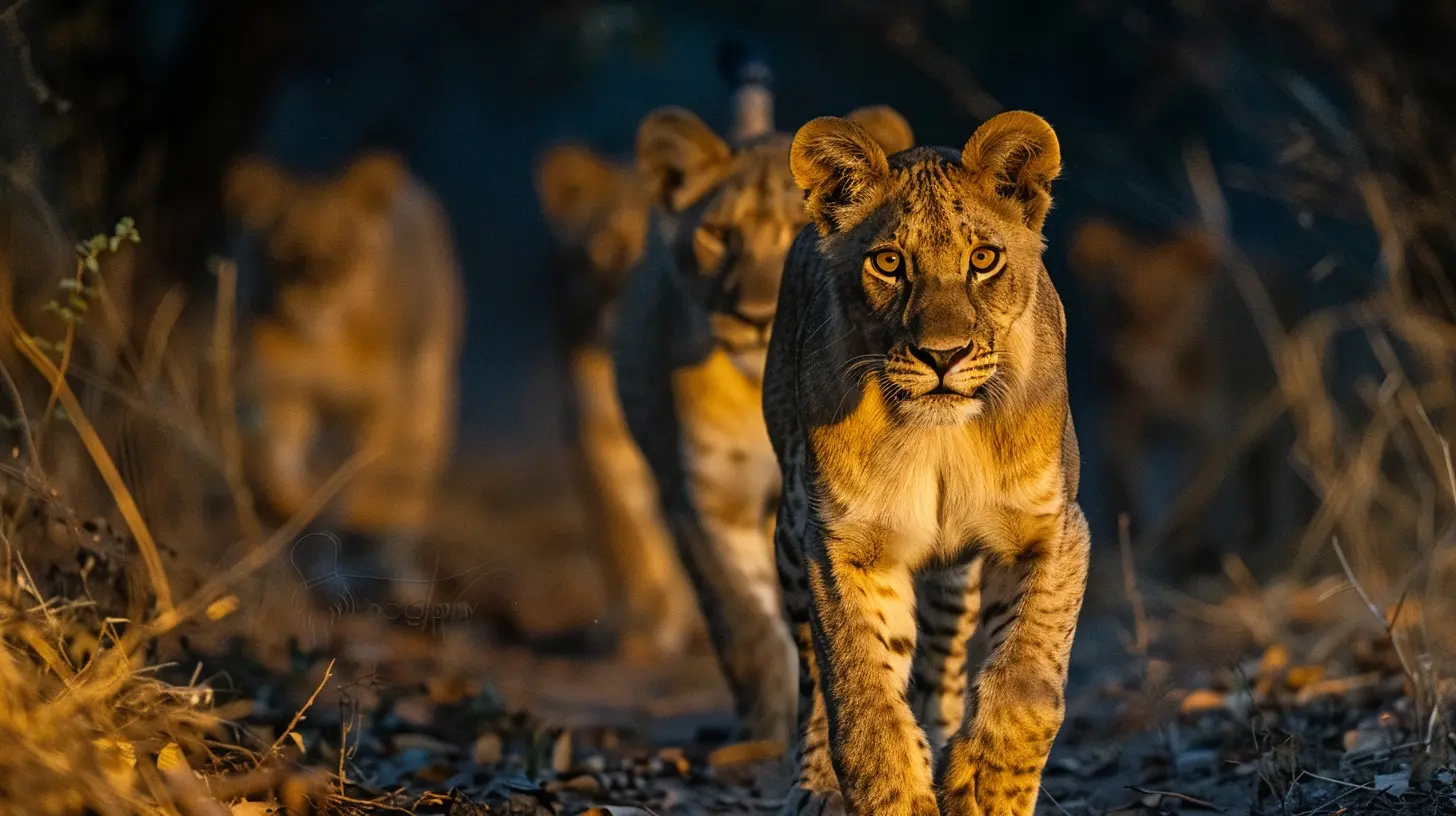
Why Big Cats Come Alive at Night
If lions are the king of the jungle, they sure prefer to rule it after dark. Unlike their daytime nap fests, most big cats — lions, leopards, tigers, jaguars — are crepuscular or nocturnal. That means they do their hunting and prowling during dusk, night, or dawn.Why? Two reasons. First, the temperature drops at night, which is a relief in the hot climates they usually call home. Second, darkness gives them the upper hand — their night vision is off the charts compared to their prey. Imagine being able to see six to eight times better in the dark than a human. It’s like having built-in night vision goggles.
Now that we know why they roam after hours, let’s talk about the top places where you can spot these night-time prowlers in the wild.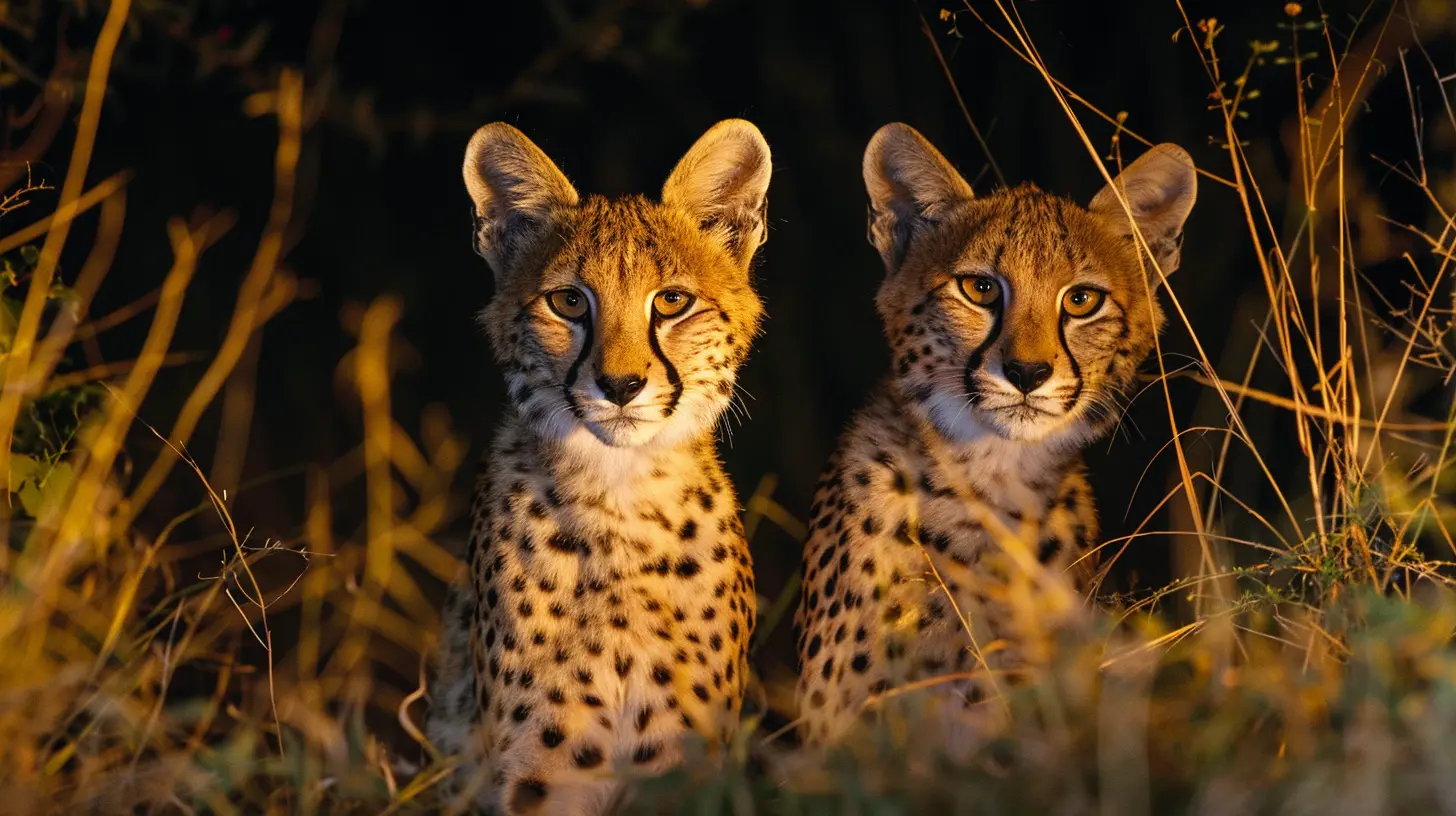
1. Maasai Mara, Kenya – Lion Kingdom After Dusk
What Makes It Special?
The Maasai Mara isn’t just a safari destination — it’s the Hollywood of wildlife documentaries for good reason. With one of the highest concentrations of lions in Africa, this reserve is your best bet to witness a pride in action — especially at night.Night Safari Experience
Most standard safaris end around sunset, but some conservancies around the Maasai Mara offer exclusive night safaris. Under the cover of darkness, you might witness lions stalking their prey with silent, stone-cold precision. Hyenas cackle in the distance, and the spotlight reveals eyes gleaming in the bush. It’s spine-chilling, but in the best way.Pro Tip:
Book with a reputable conservancy like Olare Motorogi or Naboisho. They not only offer night drives but also support sustainable tourism and local communities.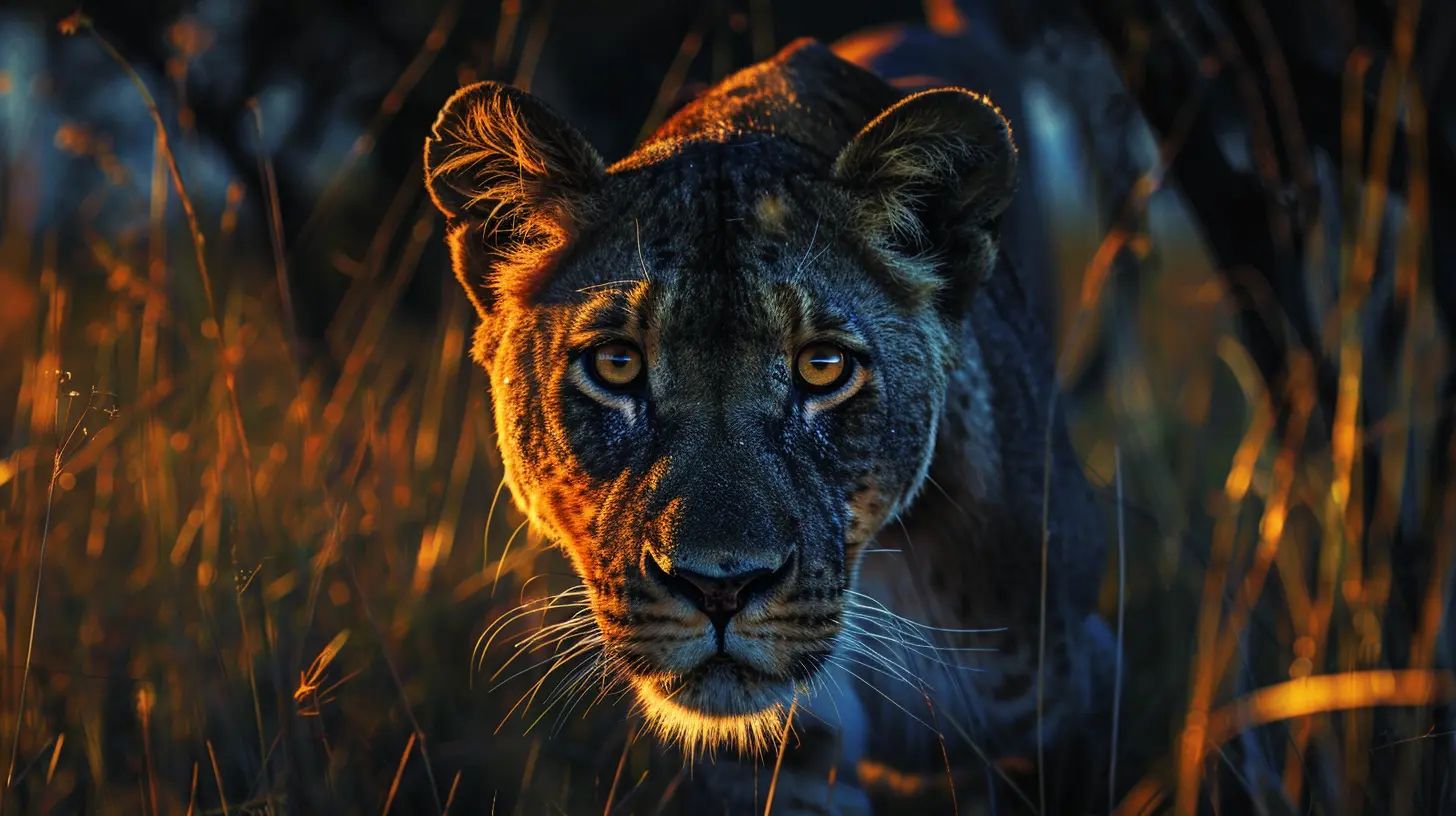
2. Ranthambore National Park, India – Tiger Territory
Why It’s a Must-Visit
Ranthambore is where history, jungle, and striped royalty collide. Tigers are the main stars here, and while spotting one during the day is like winning a wildlife lottery, your chances increase slightly at dawn or dusk when these elusive cats start to stir.Night Encounters
Official night safaris are rare in Ranthambore due to conservation efforts, but staying in a lodge on the park's edge can offer audio experiences — imagine drifting off to sleep as the distant roar of a tiger echoes through your cabin walls. Goosebumps, anyone?Where to Stay
Check out lodges like Khem Villas or Oberoi Vanyavilas. They’re situated close to the park and offer guided treks and jungle interpretations that give you insight into tiger behavior.
3. Pantanal, Brazil – Jaguar’s Midnight Playground
A Hidden Gem for Cat Lovers
When it comes to spotting jaguars, Brazil’s Pantanal beats even the Amazon. These spotted beasts are more water-loving than other big cats, and the open wetlands here give you better odds for sightings.After-Sunset Views
Nighttime boat safaris along rivers like the Cuiabá offer the rare chance of seeing jaguars patrolling the banks. You might also stumble across them hopping between islands or cooling off in shallow waters. Capybaras beware — jaguars are on the hunt.What to Remember
Travel during the dry season (July to October) when riverbanks shrink, and prey is more exposed. More prey, more predator activity — it’s a win for your wildlife checklist.4. South Luangwa National Park, Zambia – Leopard Central
The Leopard Capital
Few parks can rival South Luangwa's reputation for reliable leopard sightings. These elegant, mysterious cats are ghost-like in their movements, and their true nature emerges only after dark.Night Safari Adventure
Night drives are legal and popular here. With the help of skilled trackers and high-powered spotlights, you can see leopards descending from trees, dragging prey, or slinking past your vehicle with that unmistakable feline grace.Tips for Spotting
Look for impalas acting uneasy or baboons giving alarm calls — leopards are near when the jungle gets nervous.5. Yala National Park, Sri Lanka – Stealth and Solitude
The Asian Leopard’s Sanctuary
Yala boasts one of the highest densities of leopards globally, and though daytime drives are common, early morning and late evening are the magic hours.Nighttime Magic
Official night safaris are limited for conservation reasons, but staying in buffer zones or eco-resorts gives you access to twilight tracking and specialized nature walks. Guides often use camera traps to show guests what happened just a few hours before — and yes, it's often a leopard on the prowl.6. Okavango Delta, Botswana – The Wild Theater at Night
An Aerial Oasis
This UNESCO World Heritage site is where water meets wilderness. Lions, leopards, and cheetahs thrive in the Delta’s rich ecosystem.Night Game Drives
Many private concessions within the Delta offer exclusive night safaris. Spot hyenas laughing in the grasslands while lions lounge under starry skies. There’s something surreal about hearing a roar echo across a moonlit wetland.Bonus:
This area is thinly populated, which means fewer tourists, quieter safaris, and a more intimate encounter with nature’s raw side.How to Prepare for a Night Safari
Before chasing shadows in the wild, here are a few essentials:1. Gear Up
- Binoculars (with low-light enhancement if possible)- Red light torch (less intrusive to animals)
- Warm clothing — nights can get surprisingly chilly, even in the tropics
- Camera with high ISO capability — or just soak it in with your eyes
2. Safety First
Night safaris are safe with trained guides, but remember, you're entering someone else's kingdom. Never step out of the vehicle unless told. Listen closely to your guide— they know the jungle like cab drivers know shortcuts.3. Choose Ethical Operators
Avoid tours that bait animals or flood them with harsh lights. The goal is to observe, not intrude. Ethical safaris ensure both your safety and the animals' wellbeing.What Makes Spotting Big Cats at Night So Special?
Let’s be honest — anyone can take a selfie with a lion at a zoo. But watching a leopard stalk through tall grass under a full moon? That’s a memory tattooed on your soul. There’s a sense of primal awe. Their power. Their silence. The way they disappear like fog. It’s not just about seeing an animal — it’s about understanding the wilderness on its own terms.Final Thoughts: Trust the Silence, Embrace the Shadows
Spotting big cats after sunset is more than just ticking a box on a safari checklist. It’s a journey into the heartbeat of the wild — where every rustle might be a pawstep and every glint in the darkness could be a predator’s eye. These night stalkers remind us that the world is still wildly alive when the lights go out.So, are you ready to meet the wild cats of the night under starlit skies?
all images in this post were generated using AI tools
Category:
Wildlife EncountersAuthor:

Ian Powell