Marvel at Ancient Civilizations through UNESCO World Heritage
21 July 2026
Have you ever walked through ruins so ancient that they whisper the secrets of a time long forgotten? There's something magical about setting foot on the remnants of civilizations that shaped human history. UNESCO World Heritage Sites serve as a portal to the past, allowing us to marvel at the ingenuity, artistry, and resilience of ancient societies.
From the towering pyramids of Egypt to the mystical ruins of Machu Picchu, these sites stand as testaments to human achievement. So, grab your virtual passport as we journey through some of the most breathtaking UNESCO World Heritage Sites that preserve the essence of ancient civilizations. 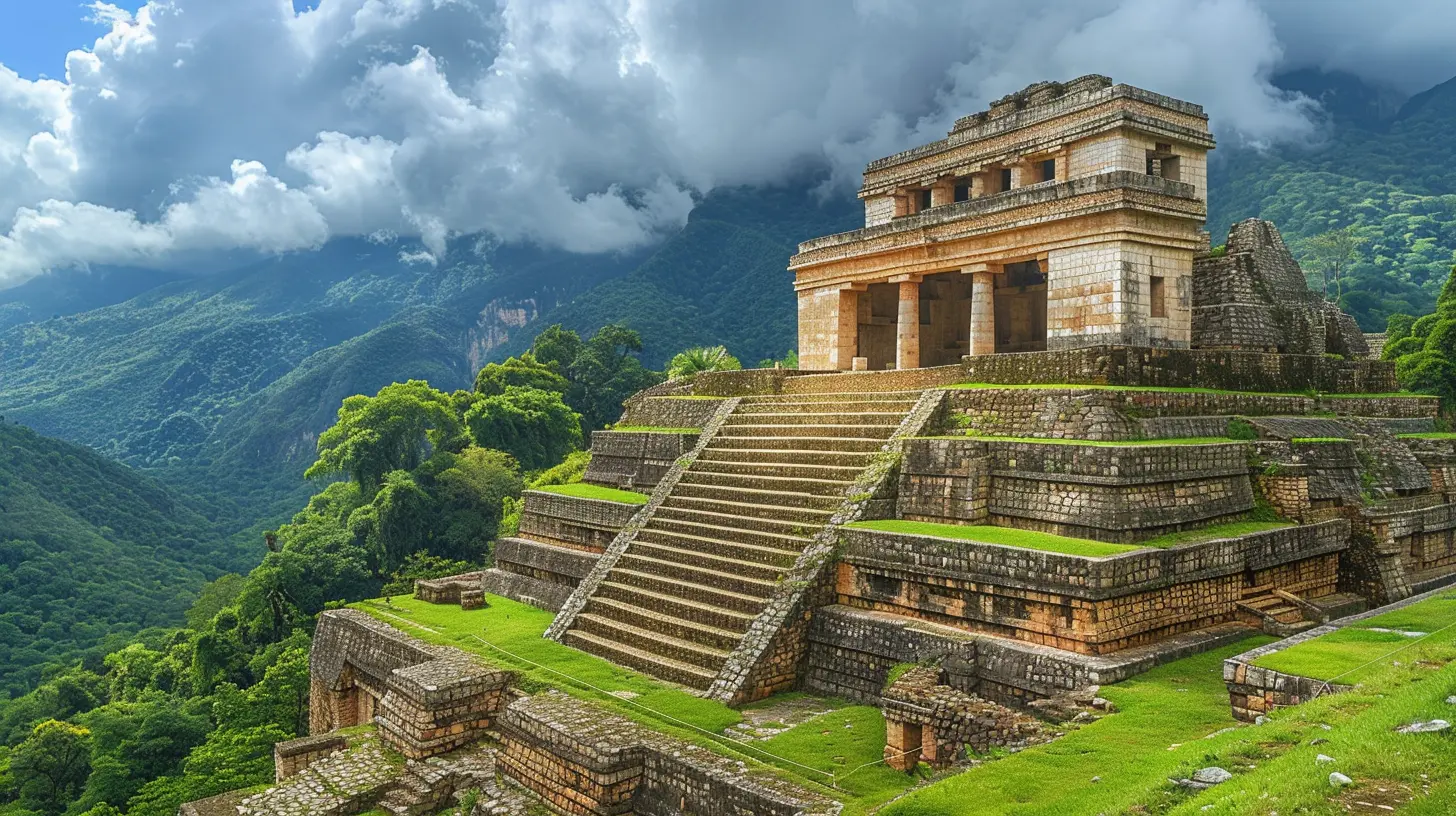
What Makes a Site UNESCO World Heritage-Worthy?
Before we embark on this adventure, let's clarify what makes a location eligible for UNESCO's prestigious list. A heritage site must meet certain criteria, such as:- Cultural Significance – It represents a masterpiece of human creativity.
- Historical Importance – It bears witness to a vanished civilization or significant historical period.
- Architectural Marvel – It showcases outstanding examples of architectural or technological advancements.
- Authenticity & Integrity – The site must remain largely intact and free from excessive modern alterations.
With that foundation set, let’s step into the past and visit some of the most awe-inspiring UNESCO-listed ancient civilizations. 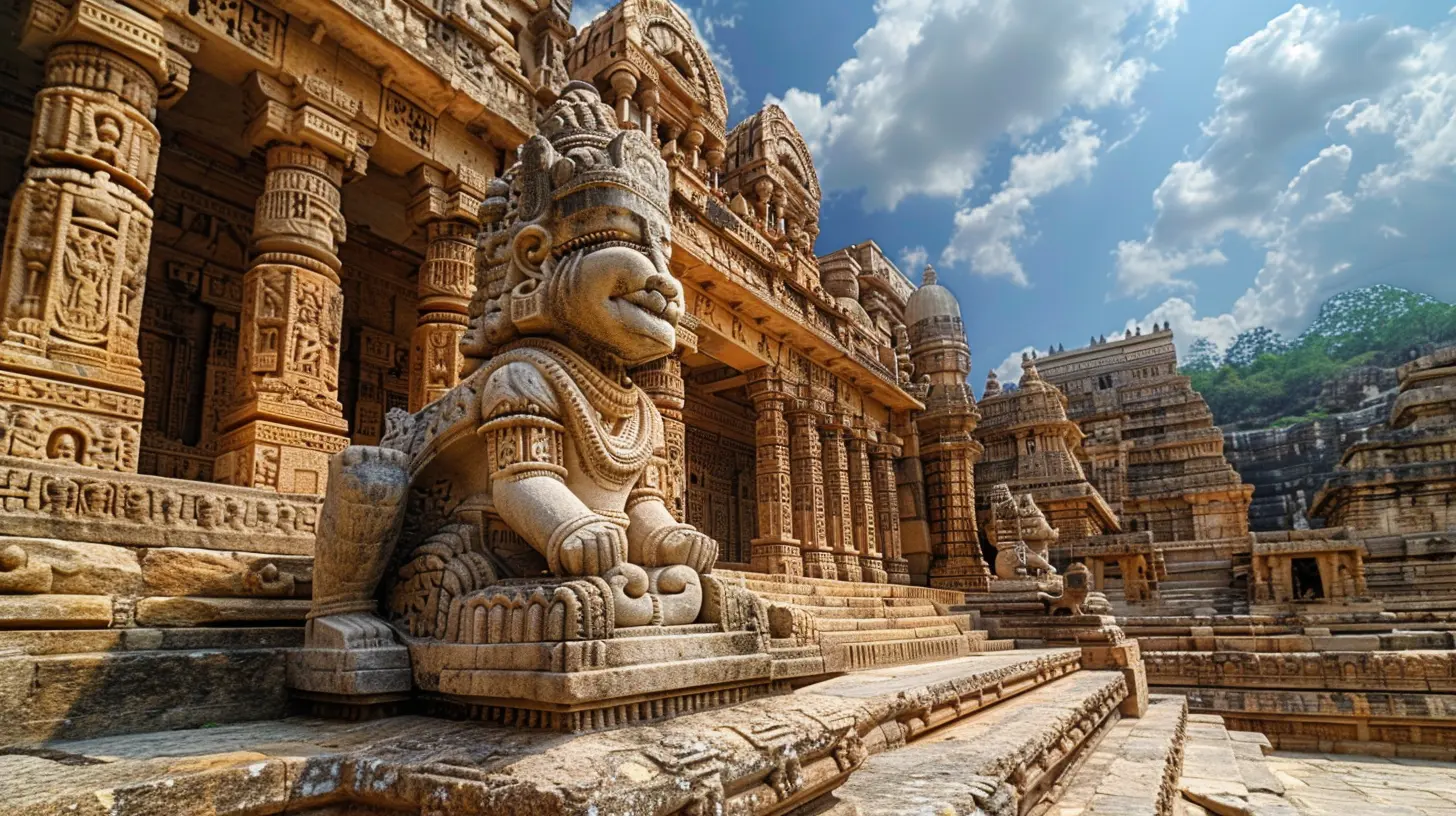
The Timeless Pyramids of Egypt
The Great Pyramid of Giza – The Last Standing Wonder
The Great Pyramid of Giza is a masterpiece of ancient engineering, standing tall for over 4,500 years. Built as a tomb for Pharaoh Khufu, this colossal structure consists of over 2.3 million limestone blocks, each weighing several tons!How did the ancient Egyptians achieve such precision without modern tools? That remains one of history’s biggest mysteries. While theories range from elaborate ramps to alien intervention (okay, probably not), one thing is certain—their ingenuity was unmatched.
The Sphinx – A Silent Guardian
Standing proudly beside the pyramids is the enigmatic Sphinx, its half-human, half-lion form carved from a single limestone block. With its missing nose and weathered features, the Sphinx has withstood the test of time, watching silently over the desert sands.Visiting Giza feels like stepping into a history book, where pharaohs ruled, and the gods of ancient Egypt held sway over life and death. 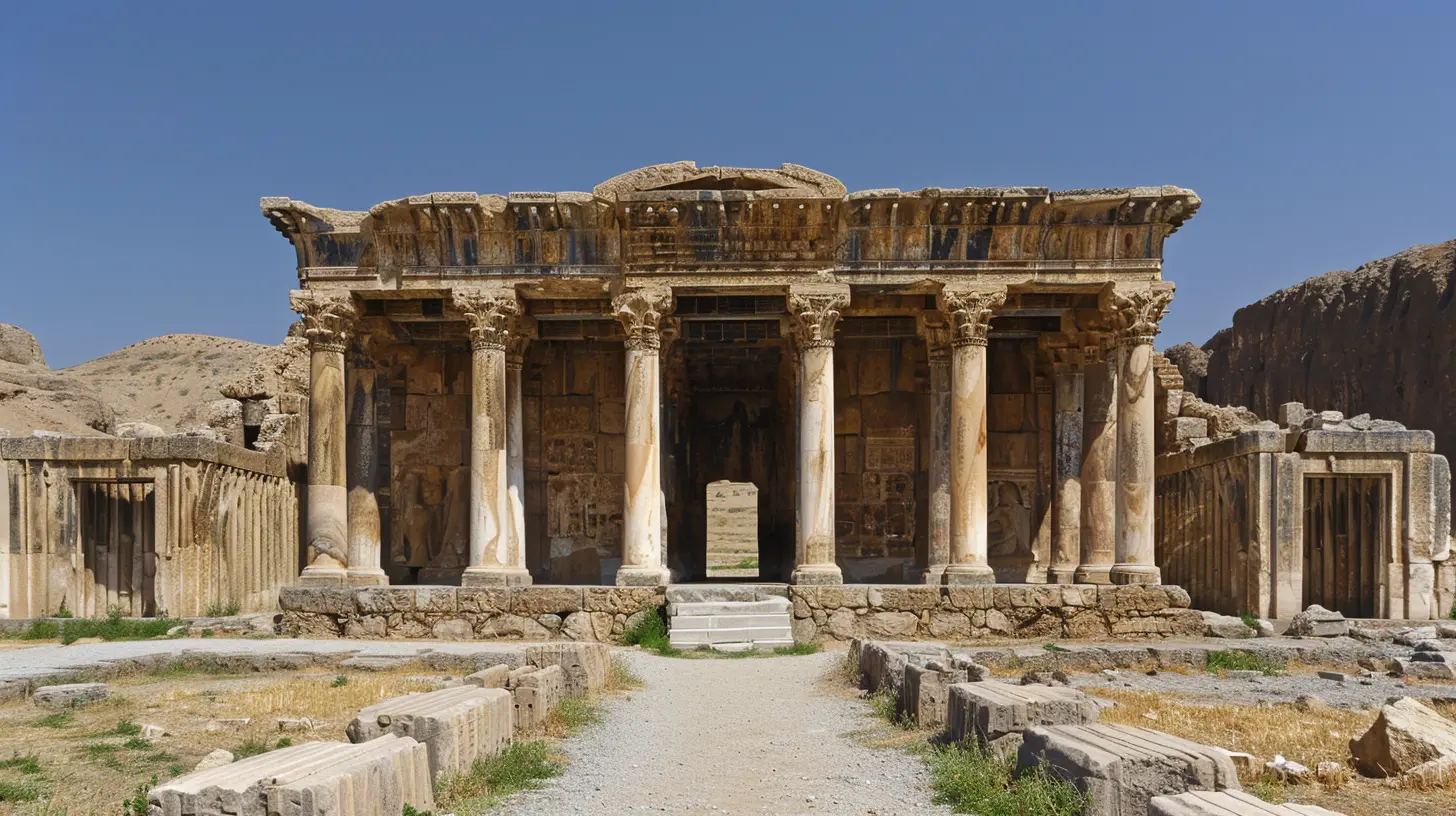
The Lost City of Machu Picchu
A Hidden Incan Gem
Perched high in the Andes Mountains, Machu Picchu is a breathtaking archaeological site that remained hidden from the outside world until 1911. This ancient city, built by the Inca civilization in the 15th century, is an extraordinary example of intricate stone construction, aligning perfectly with the surrounding natural landscape.How Did They Build It?
The stone walls of Machu Picchu were constructed without the use of mortar—yet they’ve stood firm against earthquakes and time. The precision of their interlocking stones is baffling. Just imagine lifting blocks that weigh several tons and fitting them seamlessly, like pieces of a giant puzzle!Hiking the Inca Trail to reach this mountaintop city is an adventure in itself. The scenic journey is a blend of breathtaking landscapes, ancient stairways, and sheer determination, making it one of the most rewarding travel experiences. 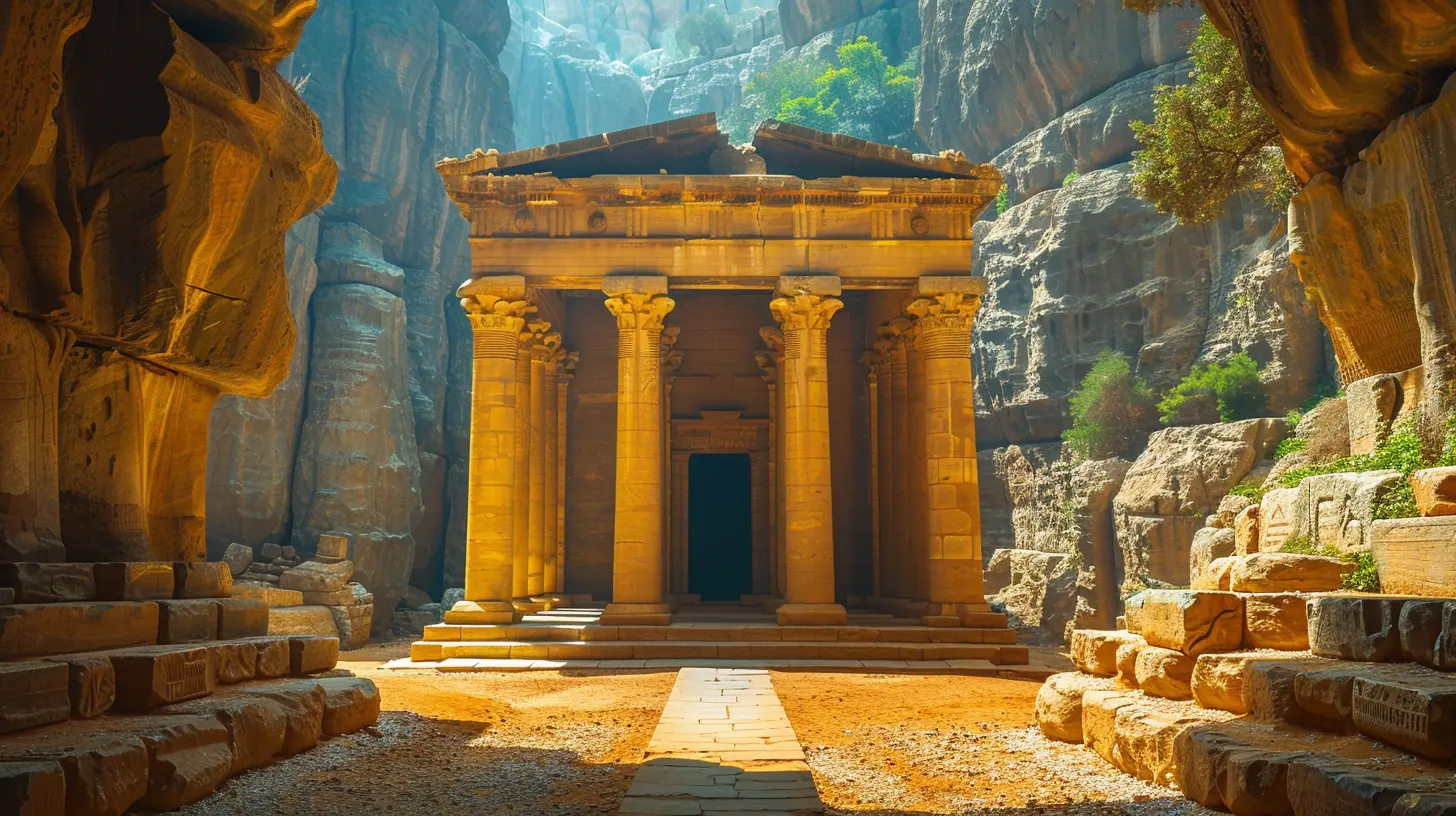
The Mysterious Ruins of Petra
The Rose-Red City of the Nabataeans
Hidden amidst the crimson cliffs of Jordan lies Petra, an ancient city carved entirely out of rock. With its iconic façade, the Treasury (Al-Khazneh), Petra looks like something straight out of an Indiana Jones movie—because, well, it actually appeared in The Last Crusade!A Civilization Ahead of Its Time
The Nabataeans, who inhabited Petra over 2,000 years ago, were masters of water conservation. In the middle of a desert, they ingeniously developed an advanced system of canals, reservoirs, and cisterns to ensure a steady water supply. Talk about resourcefulness!As you walk through the Siq—a narrow, winding canyon leading to Petra—you're hit with a sense of wonder. Each intricate carving and towering rock façade tells a story of a civilization that thrived and then mysteriously vanished.
The Colosseum: Rome’s Grand Arena
More Than Just an Amphitheater
When we talk about the grandeur of ancient Rome, the Colosseum tops the list. This massive amphitheater, built in 80 AD, was the heart of Roman entertainment—home to gladiatorial battles, theatrical performances, and even mock sea battles.A Testament to Roman Engineering
With a seating capacity of around 50,000 spectators, the Colosseum was an architectural marvel of its time. The Romans pioneered advanced construction techniques, using concrete and sophisticated support structures that influenced stadium designs even today.Standing inside the Colosseum, you can almost hear the echoes of the roaring crowds and the clashing of swords. It’s a haunting yet fascinating glimpse into the pageantry and brutality of ancient Rome.
Angkor Wat: The Jewel of the Khmer Empire
The World’s Largest Religious Monument
Deep in the jungles of Cambodia lies Angkor Wat, the largest religious structure ever built. Originally a Hindu temple dedicated to Vishnu, it later transformed into a Buddhist sanctuary. Its soaring towers and intricate carvings make it a symbol of Khmer architectural brilliance.Why It’s So Special
What makes Angkor Wat truly mesmerizing is its detailed bas-reliefs, depicting Hindu epics like the Ramayana and Mahabharata. The entire temple complex aligns with celestial movements, showcasing the Khmer civilization’s deep understanding of astronomy.At sunrise, the temple’s reflection in the surrounding moat creates a magical scene—one that leaves visitors breathless. If ever there was a place that radiates pure wonder, Angkor Wat is it.
Chichen Itza: The Mayan Legacy
A Pyramid Unlike Any Other
Chichen Itza, located in Mexico, is home to the famed El Castillo, a step-pyramid designed with mathematical precision. During the spring and autumn equinoxes, the sun casts shadows along the staircase, creating the illusion of a serpent slithering down. Talk about an astronomical masterpiece!A Center for Mayan Knowledge
This ancient city wasn't just about architecture—it was a hub for science, astronomy, and religion. The Great Ball Court is the largest in Mesoamerica, where Mayans played a high-stakes ball game that was deeply intertwined with their spiritual beliefs.Standing in the midst of Chichen Itza, you can't help but be amazed by the Mayan's foresight and sophistication. They truly were ahead of their time!
Why Visiting UNESCO Heritage Sites is a Must
So, what makes these sites worth visiting? It's not just about admiring old ruins; it’s about connecting with our shared human history. Each stone, carving, and structure tells the story of civilizations that rose, thrived, and eventually faded away.By preserving these sites, we ensure future generations get to witness the achievements of the past. Whether you're a history buff, an adventurer, or just someone who appreciates breathtaking locations, UNESCO World Heritage Sites offer a unique window into humanity’s greatest accomplishments.
So, which of these ancient wonders is on your travel bucket list?
all images in this post were generated using AI tools
Category:
Unesco SitesAuthor:

Ian Powell