Leopards of the Night: Discovering India’s Secretive Big Cats
25 May 2026
Big cats have always fascinated us. Think about it—there's something almost mythical about these stealthy predators that prowl through dense forests and rugged hills under the cover of darkness. Among them, the leopard is perhaps the most mysterious. Unlike the tigers, which often grab the limelight, leopards prefer to live in the shadows—both literally and figuratively.
India, with its vast and varied landscapes, is home to a significant population of these elusive big cats. From the misty hills of the Western Ghats to the arid terrains of Rajasthan, leopards have adapted beautifully to different environments. But how much do we actually know about them? Let’s step into their unseen world and uncover the secrets of India’s leopards.
The Masters of Stealth: A Closer Look at Leopards
Leopards (Panthera pardus) are the ultimate survivors. Their ability to live in diverse habitats, their unmatched stealth, and their breathtaking adaptability make them one of the most successful big cats in the wild.Appearance & Physical Features
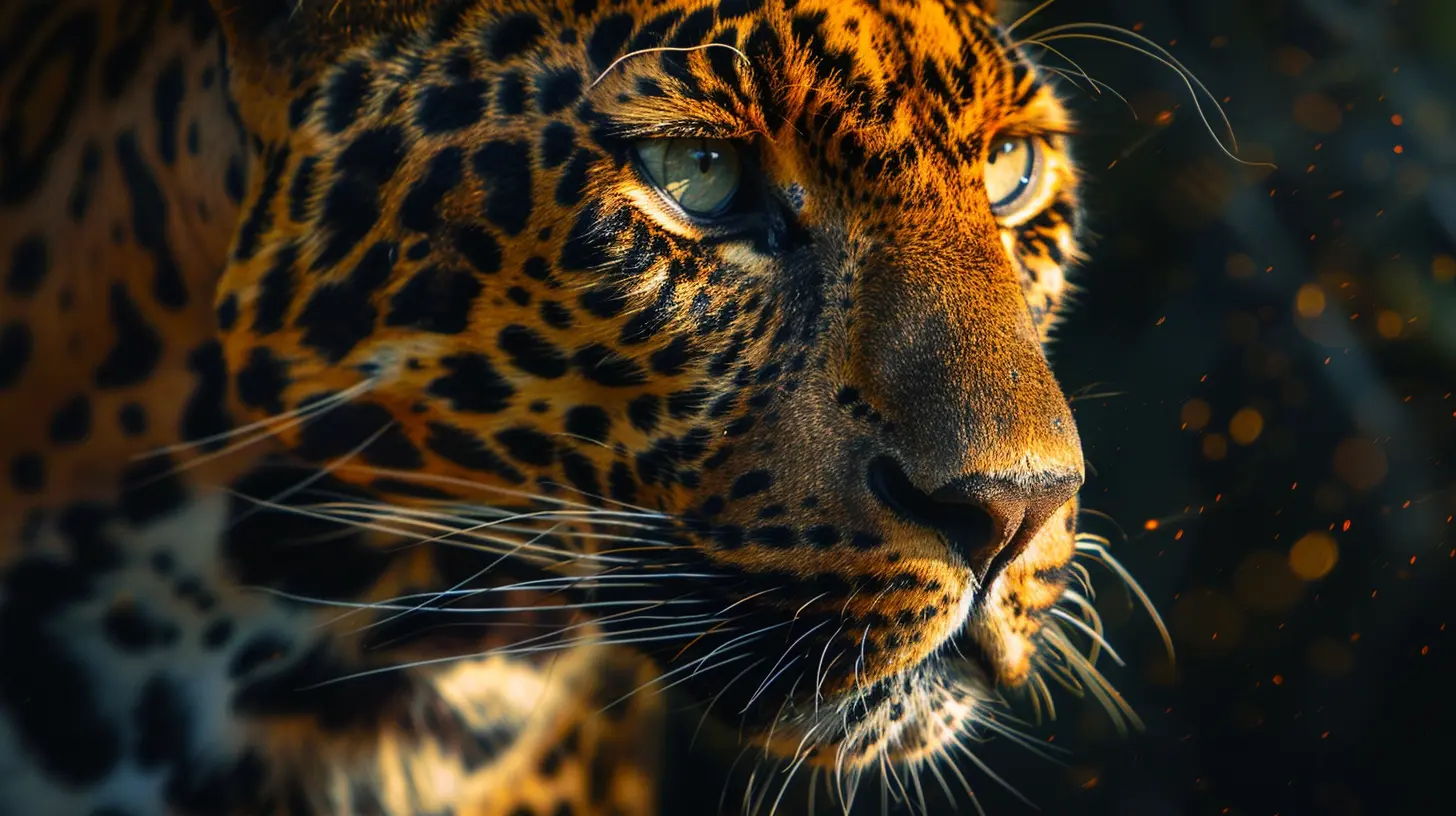
Leopards are built for the hunt. Their lean yet muscular bodies enable them to move swiftly and silently. Their coats—golden yellow with black rosettes—provide them with near-perfect camouflage, whether they’re in dense forests or rocky outcrops. The pattern on each leopard is unique, much like human fingerprints.One remarkable feature of leopards is their long, powerful tail. It helps them maintain balance when moving through trees or leaping over rocky terrain. Oh, and did we mention their piercing, hypnotic eyes? Those are designed for excellent night vision, making them incredibly efficient nocturnal hunters.
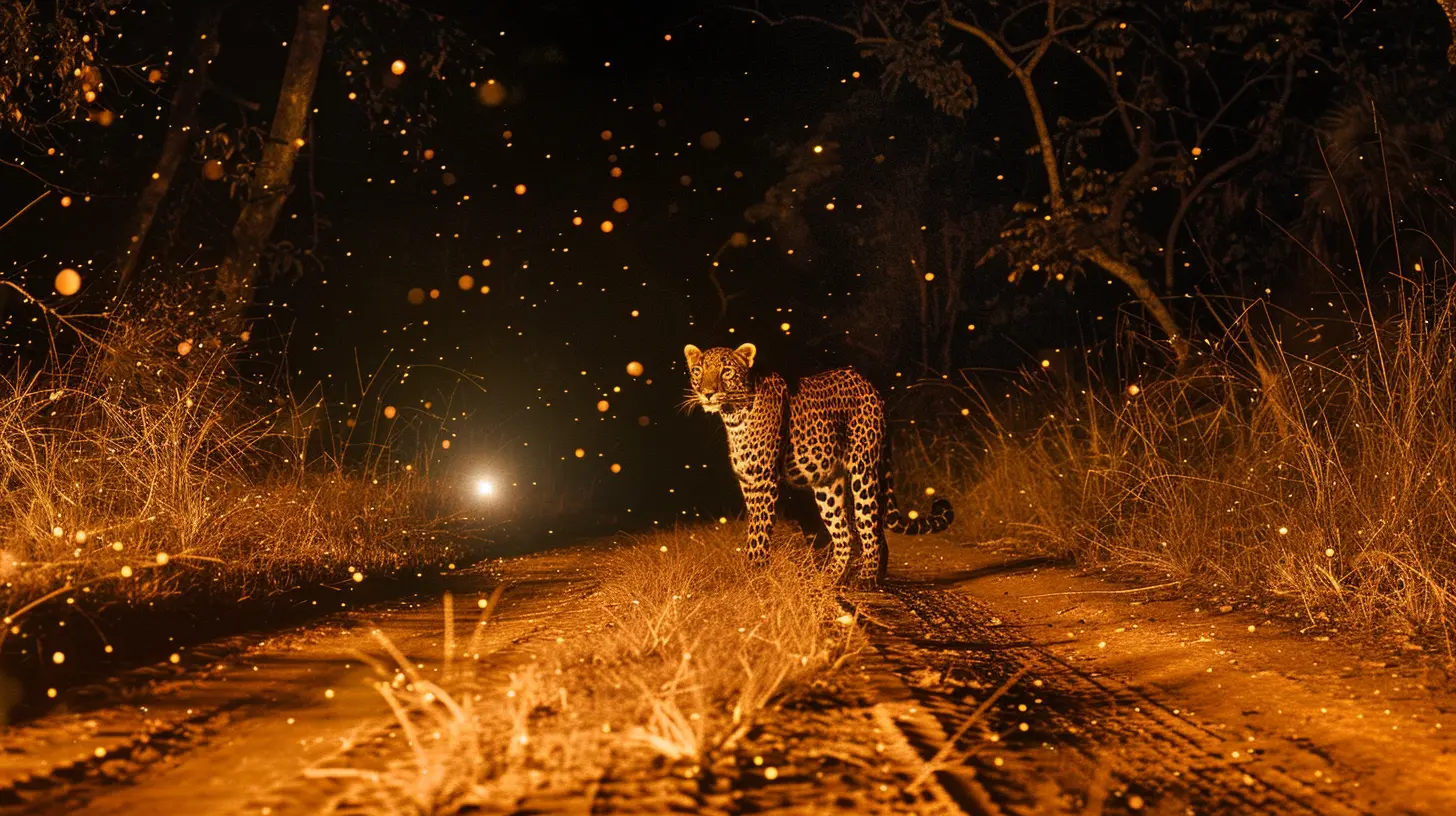
The Night Hunters
Leopards prefer to operate under the cover of darkness. Unlike lions and tigers, which might hunt during the day, leopards are typically nocturnal, using the night to their advantage. They rely on stealth rather than brute force—stalking their prey until they are close enough for a sudden, deadly attack.Once they make a kill, they have a unique habit: dragging their prey up into a tree. This prevents other predators and scavengers—like hyenas or even tigers—from stealing their hard-earned meal. Imagine carrying an animal heavier than yourself up a tree with just your jaws and legs! That’s the sheer strength of a leopard.
Where Do Leopards Roam in India?
India is one of the best places in the world to see leopards in the wild. They are widely distributed across the country, living in a variety of ecosystems. Let’s explore some of the best leopard-inhabited terrains.1. The Aravallis and Rajasthan’s Rocky Terrain
If you've ever driven through Rajasthan’s rugged hills, you’re in leopard country. The Jawai region in Rajasthan is famous for its thriving leopard population. Unlike other places where leopards hide deep within forests, leopards in Jawai have adapted to living among rocky caves and sharing territory with humans. The sight of a leopard gracefully navigating the granite boulders is mesmerizing!2. The Western Ghats and Karnataka’s Dense Forests
The Western Ghats, a biodiversity hotspot, is another haven for leopards. Places like Kabini and Nagarhole in Karnataka are famous for frequent leopard sightings. With their thick green cover and abundant prey, these forests provide an ideal home for the secretive cat.3. Maharashtra’s Leopards of Mumbai – The Urban Ghosts
This one might surprise you! Mumbai, one of India’s busiest cities, is also home to a significant leopard population. The Sanjay Gandhi National Park, right in the middle of the city, holds one of the highest densities of leopards in the world. These urban big cats have adapted to living alongside human settlements, silently slipping through the shadows of the world’s most chaotic metropolis.4. Madhya Pradesh – The Heart of India’s Leopard Kingdom
Madhya Pradesh, home to famous national parks like Panna, Kanha, and Bandhavgarh, boasts a strong leopard population. While most tourists visit these parks hoping to spot tigers, leopards often steal the show—if you're lucky enough to see one! Their elusive nature means leopard sightings are rare but incredibly rewarding.5. The Himalayas – Home to the Snow Leopards
When we talk about India’s leopards, we cannot ignore their high-altitude cousin—the snow leopard. Found in the cold deserts of Ladakh, Himachal Pradesh, and Uttarakhand, snow leopards are among the most difficult big cats to spot in the wild. Their thick fur, pale gray coats, and ability to blend into the snowy mountains make them near-invisible ghosts of the Himalayas.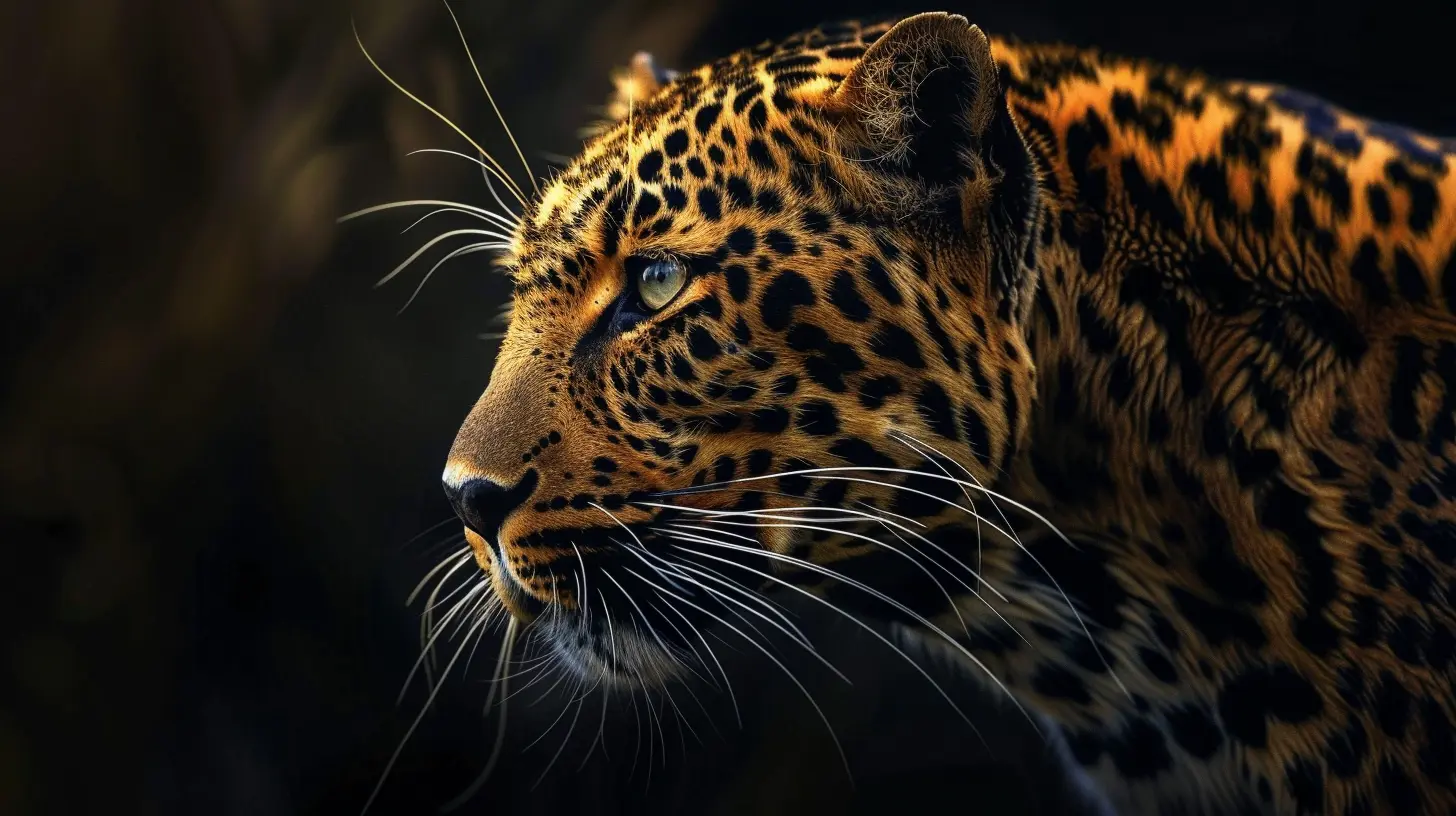
How Leopards Interact with Humans
Leopards are incredibly adaptable, but that also brings them in close contact with human populations. In places like Mumbai, Uttarakhand, and Rajasthan, leopards are often seen around villages and towns. This sometimes leads to human-wildlife conflicts.However, leopards don't attack humans unless provoked. In fact, they are shy creatures that prefer to avoid confrontation. Awareness and conservation efforts are key to ensuring that humans and leopards can coexist peacefully.

Conservation Efforts: Protecting India’s Leopards
While leopards are more resilient than tigers, they are not entirely safe from threats. Poaching, habitat destruction, and conflicts with humans pose serious risks to their survival.Conservation Challenges
- Habitat Loss – Rapid urbanization and deforestation are shrinking leopard territories.- Poaching – Their beautiful pelts make them targets for illegal wildlife trade.
- Human-Leopard Conflicts – As human populations expand, leopards sometimes venture into villages, leading to unfortunate encounters.
Conservation Success Stories
The good news is that conservation efforts in India have started showing positive results. National parks, wildlife reserves, and community awareness programs have helped protect leopards. Organizations and forest departments are also working on better conflict-management strategies to prevent unfortunate clashes between humans and leopards.One shining example is the Jawai region in Rajasthan, where leopards and locals have learned to coexist. Villagers consider leopards a part of their culture and refrain from harming them, which has allowed these big cats to thrive in a human-dominated landscape.
Leopard Tourism: Where & How to See These Elusive Cats
If you're eager to see leopards in the wild, India offers some fantastic opportunities. Here are some of the best destinations for leopard safaris:- Jawai, Rajasthan – Best for rocky terrain sightings.
- Kabini, Karnataka – Famous for its black panthers (a melanistic leopard).
- Sanjay Gandhi National Park, Mumbai – The best chance to see an urban leopard.
- Panna National Park, Madhya Pradesh – A hidden gem for leopard sightings.
- Hemis National Park, Ladakh – The ultimate destination for the rare snow leopard.
For the best chances of spotting these elusive cats, always opt for a guided safari and visit during early mornings or late evenings when leopards are most active.
Final Thoughts
Leopards may not be as famous as tigers, but they are undoubtedly one of India’s most fascinating predators. Their ability to adapt to different environments, their unmatched stealth, and their sheer strength make them one of the most incredible creatures in the wild.Whether it’s the golden-coated leopards of Rajasthan, the deep-forest dwellers of Madhya Pradesh, or the legendary snow leopards of the Himalayas, these big cats are spectacles of nature. If you're lucky enough to see one on a safari, consider yourself truly blessed to witness one of India's most secretive wild wonders.
all images in this post were generated using AI tools
Category:
Wildlife EncountersAuthor:

Ian Powell
Discussion
rate this article
1 comments
Marissa Larsen
This article beautifully captures the mystique of India's leopards. Your vivid descriptions invite readers to experience the magic of these elusive creatures. Thank you for sharing such insightful perspectives on these remarkable big cats and their habitats.
June 13, 2026 at 3:06 AM