How Italy’s Festa della Repubblica Embraces Old Customs in 2027
15 April 2026
Let’s be honest, when you think of Italian holidays, your mind probably jumps to Christmas markets, Easter processions, or maybe the wild confetti of Carnevale. But there’s one day, every June 2nd, that often flies under the tourist radar, yet it’s the very day Italy looks itself in the mirror. It’s the Festa della Repubblica—Republic Day. It’s Italy’s birthday party, marking the 1946 referendum that booted the monarchy and ushered in the modern republic.
Now, fast forward to 2027. We’re not just marking another year. We’re standing at a fascinating crossroads, a moment where the relentless march of technology and the whispers of ancient tradition are having a serious, heartfelt conversation. So, how does a national holiday, rooted in a 20th-century political act, keep its soul in a world of holograms and hyper-speed? The answer is as beautifully Italian as a perfectly timed gesture: by holding old customs not as dusty relics, but as living, breathing guides. In 2027, Festa della Repubblica isn’t just celebrating the birth of a nation; it’s showcasing the heartbeat of its people, proving that some roots only grow stronger with time.
The Unshakeable Core: What Makes Festa della Repubblica, Well, Festa
Before we dive into 2027, we need to understand the timeless script. Republic Day isn’t a scattered, chaotic festival. It has a rhythm, a solemn and proud choreography that has played out for decades. Think of it as a national symphony in three movements.First, there’s the Deposition of the Laurel Wreath at the Tomb of the Unknown Soldier in Rome. This isn’t just a photo-op. It’s a silent, powerful “thank you” carved in stone and ceremony. The President of the Republic lays that wreath, and in that simple act, the entire nation acknowledges the cost of its freedom. It’s old, it’s formal, and it carries a weight that no flashy display ever could.
Then, the Frecce Tricolori take over the sky. If the wreath-laying is the solemn bass note, this is the soaring, triumphant crescendo. The precision flight team of the Italian Air Force paints the Roman sky with the green, white, and red of the tricolore. It’s a spectacle of pure, unadulterated national pride. The roar of the engines, the perfectly timed smoke trails—it’s a custom that feels both modern and timeless, a reminder of skill, unity, and beauty.
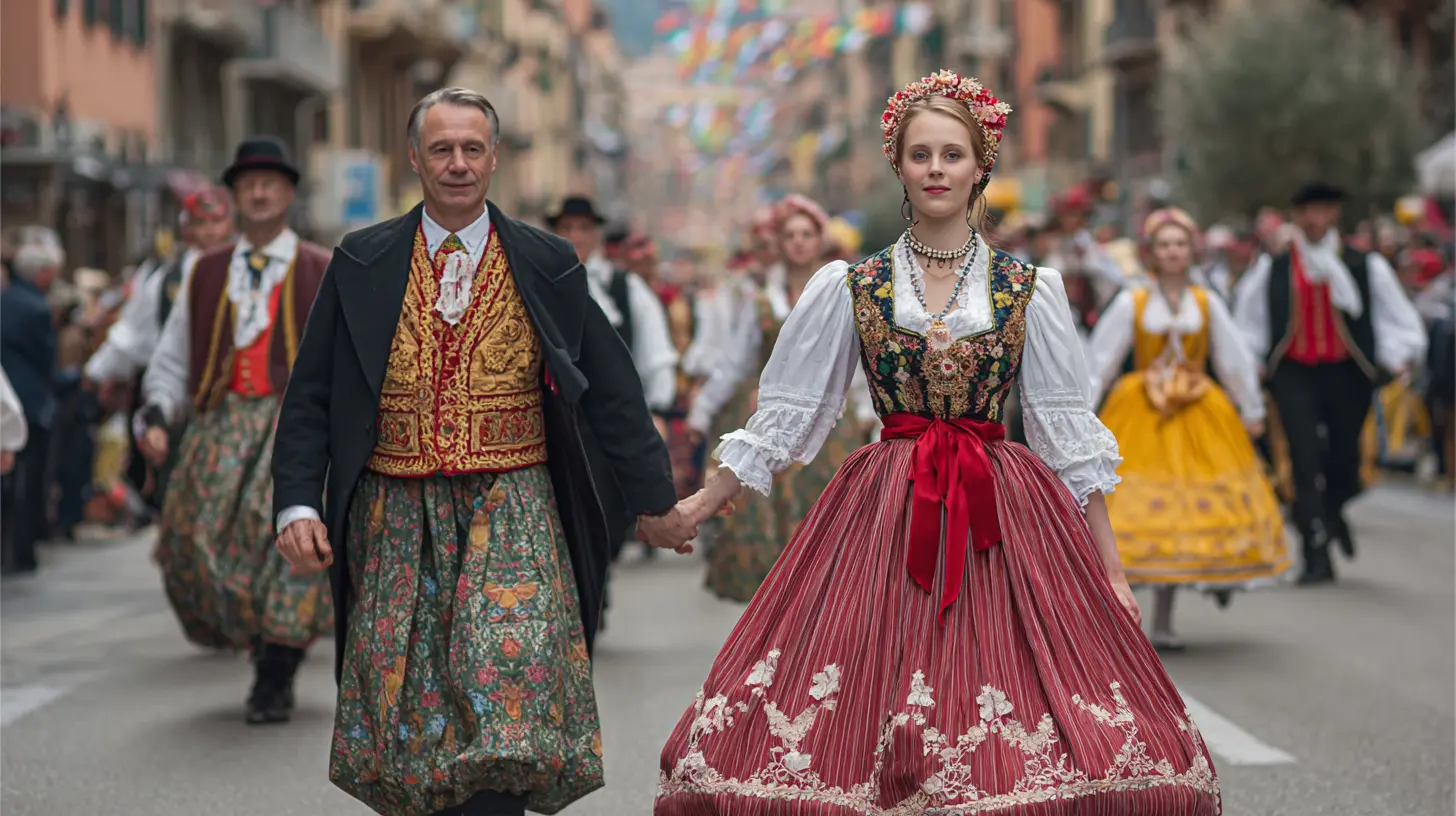
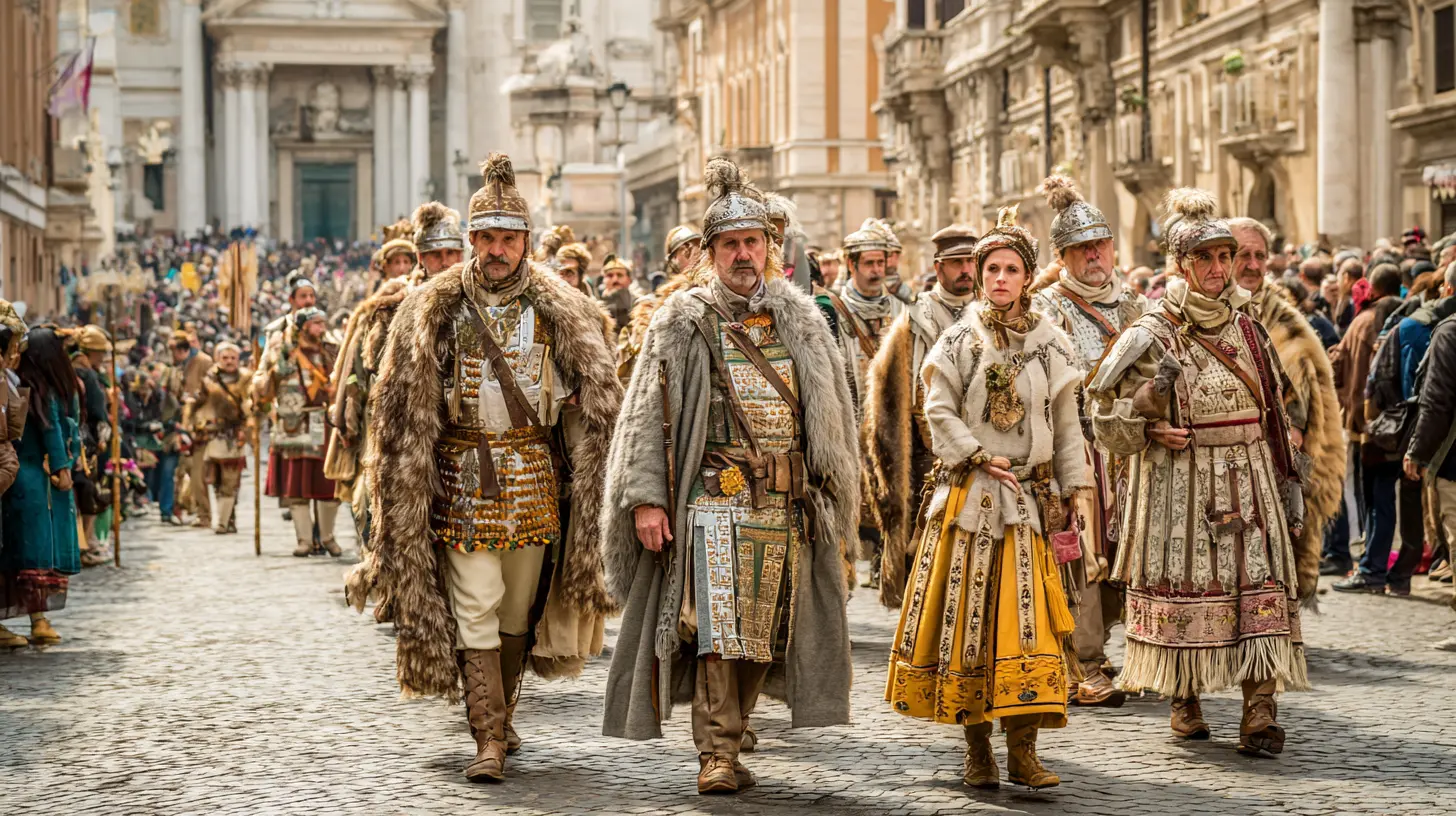
Finally, the day spills out into the streets. From the grand Parade of the Armed Forces along Via dei Fori Imperiali—a display of order and history marching past ancient ruins—to the open doors of the Quirinal Palace, the President’s home, the day is about public access. It’s about the state showing itself to its people, and the people claiming their piazzas, their flags, their sense of belonging. This is the foundation. This is the “old” we’re talking about.
2027: The Year Tradition Got a Smartphone (And Knew Exactly What to Do With It)
So, here we are in 2027. The world is more digital, more connected, and arguably more distracted than ever. The risk for any historical celebration is to either become a sterile museum piece or to sell its soul for a viral TikTok trend. Italy, in its inimitable style, has chosen a third path: seamless integration.The Holographic Nonno: Storytelling Reborn
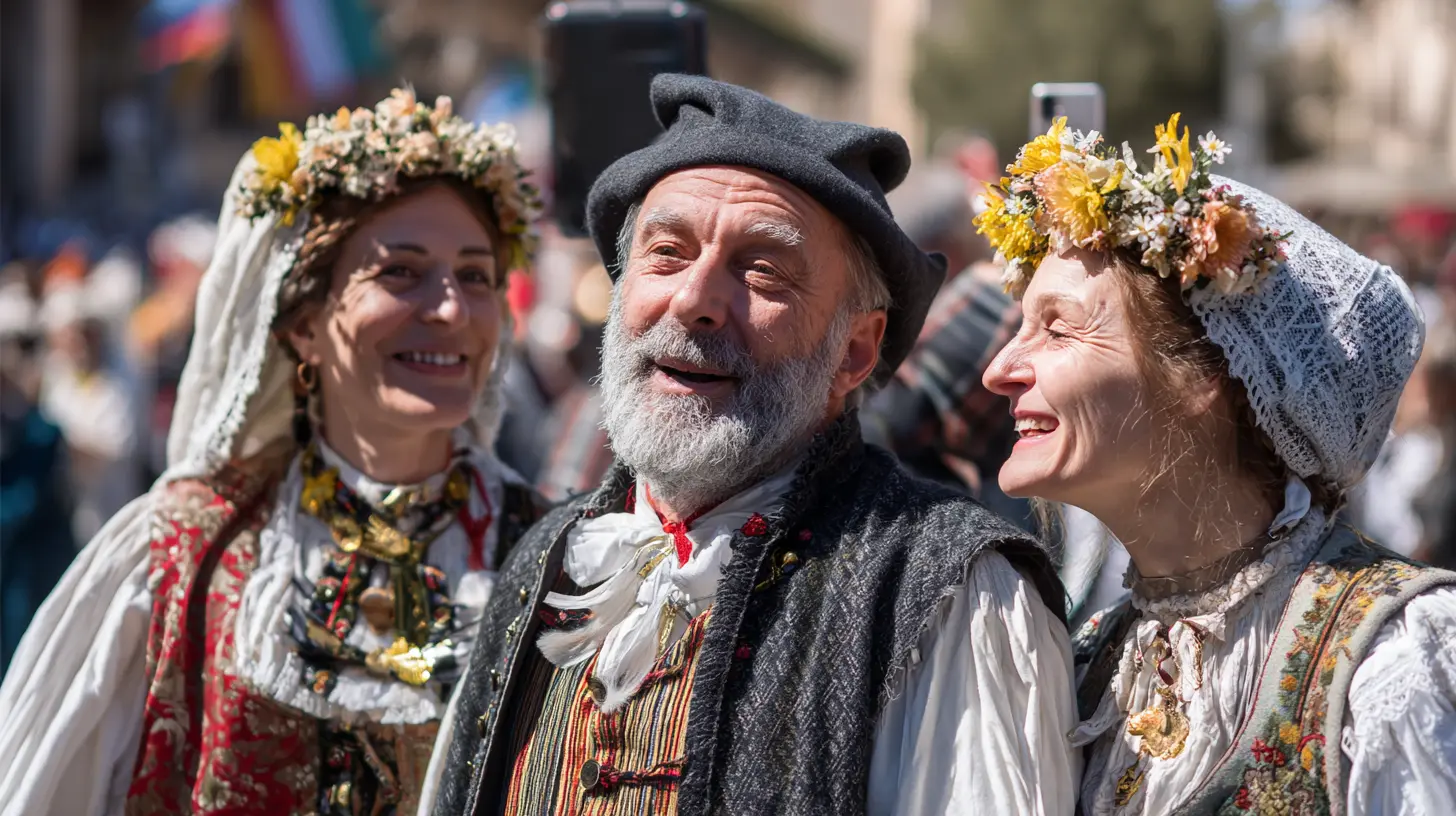
Imagine standing in your local piazza in a small Umbrian town. A physical stage is set up, but next to it, a subtle, clear holographic projection flickers to life. It’s not a flashy sci-fi effect, but a lifelike image of an elderly nonno (grandfather), maybe a bersagliere (a historic infantryman) or a woman who voted in that fateful 1946 referendum. Through advanced, yet respectfully used AR (Augmented Reality), these “holographic custodians” share stories. They don’t just recite dates; they talk about the smell of the ink on the ballot, the feeling in their village square, the quiet hope mixed with fear.This is 2027’s masterstroke. The custom of oral history—the racconto passed from generation to generation—is preserved, but its reach is multiplied exponentially. You’re not reading a placard; you’re having a conversation with a memory. The technology isn’t the star; the human story is. The tech just hands it a better microphone.
The Digital Tricolore: A Tapestry Woven Online
The Italian flag is everywhere on June 2nd. But in 2027, there’s a parallel, digital flag flying. A nationwide, interactive online platform invites citizens and global admirers of Italy to contribute. You can upload a photo of your grandfather’s military medal, a scan of a 1946 newspaper clipping from your attic, a short video of your family singing the Inno di Mameli (the national anthem) in your kitchen.All these fragments coalesce into a living, digital mosaic of the tricolore. It’s a custom of communal display, evolved. The piazza is physical, but the community is now global. The act of “showing your colors” has found a new dimension, creating a burst of collective memory that is both deeply personal and monumentally shared.
The "Taste of Republic" Food Map
Italians connect everything to the table—why should their republic’s birthday be any different? In 2027, a beautiful, old-world custom gets a delicious 21st-century twist. The Ministry of Tourism, alongside food historians and techies, launches the “Taste of Republic” interactive map.The concept is simple but profound: linking local, historical dishes to the story of 1946. You tap on a region—say, Emilia-Romagna. The map tells you how, in the post-war years, the simple piadina became a symbol of resilience and shared meals in rebuilding communities. It then guides you to local feste, farms, or trattorias that are celebrating with that specific food, telling its story. It turns the abstract idea of “national unity” into the tangible, flavorful reality of a shared plate. It’s a pilgrimage for the palate, connecting the act of eating with the memory of building a nation. Now that’s a custom you can sink your teeth into.
Why This Fusion Isn’t Just Cool—It’s Essential
You might wonder, “Why bother? The parade and the jets are cool enough.” And you’d be right. But a nation’s identity isn’t a statue; it’s a river. It needs to flow, to absorb new streams, or it stagnates. The 2027 approach to Festa della Repubblica understands this intuitively.It speaks to the young digital native in Milan who might find a straight military parade distant. Give them an AR app that lets them “see” historical figures in their own city square, and suddenly history is in their pocket, not a textbook.
It comforts the older generation in Sicily by showing them that their first-hand stories, their memorie, are not being lost but are being given a powerful, permanent platform. The core respect for their experience remains utterly intact.
Most importantly, it fights the modern plague of historical amnesia. In a world of 24-hour news cycles and fleeting trends, these fused traditions create “sticky memory.” The sensory experience of a holographic story, the interactive pride of adding to the digital flag, the taste of a historically significant dish—these create neural connections that a passive TV broadcast simply cannot. They make the past present.
The Timeless Thread: La Bella Figura Meets The Future
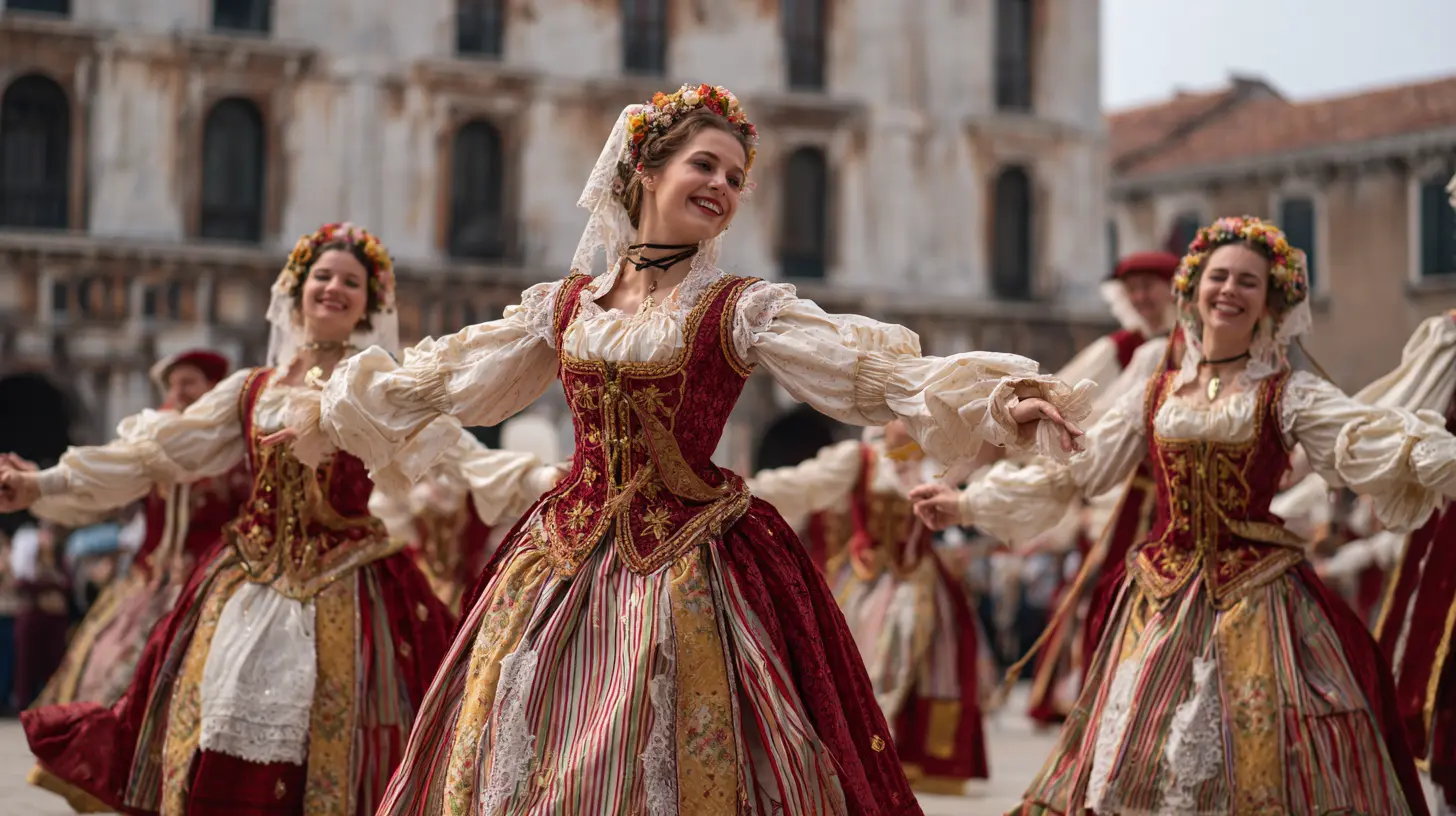
At its heart, every Italian custom is about la bella figura—making a good impression, presenting yourself and your community with dignity, grace, and style. The 1946 referendum was, in many ways, Italy making a bella figura to the world and to itself: choosing democracy, order, and a fresh start.The 2027 celebrations are a direct extension of that. They are Italy making a bella figura in the digital age. It’s saying, “Look at our ancient ruins, our timeless art, our unwavering customs. Now, watch as we weave them into the very fabric of your modern world, not as shadows, but as guides.” The technology is impeccable, sleek, and impressive—that’s the figura. But the soul within it is all nonna, all soil, all shared pasta.
The Frecce Tricolori will still tear the sky with green, white, and red smoke in 2027. The President will still lay that laurel wreath with solemn grace. The bands will still march. These customs are the anchor. But now, floating from that anchor is a brilliant, connected ship, carrying the stories, the flavors, and the collective pride of Italy to every corner of the globe.
So, if you find yourself in Italy on June 2nd, 2027, look up at the jets, for sure. But then, pull out your phone and scan the piazza. Listen to the holographic veteran. Find the trattoria serving the “Republic Plate.” Add your own memory to the digital flag. You’ll be participating in something rare and beautiful: a nation confidently walking into its future, hand-in-hand with its past, proving that the oldest customs, when embraced with heart and innovation, don’t just survive the future—they help define it.
all images in this post were generated using AI tools
Category:
Local TraditionsAuthor:

Ian Powell
Discussion
rate this article
2 comments
Rosanna Rivera
Love how Italy blends tradition with a modern twist! Festa della Repubblica sounds like the perfect mix of history, pride, and celebration. 🇮🇹
April 30, 2026 at 3:03 AM
Ian Powell
Thanks for your thoughts! Italy truly shines in how it celebrates its rich history while embracing modern elements at Festa della Repubblica. It's a beautiful blend.
Betsy Hughes
In Italy, tradition dances alive, Festa della Repubblica whispers of the past, Vibrant customs weave through the streets, A tapestry of history and hope, Where old souls meet new dreams in 2027’s embrace.
April 15, 2026 at 3:26 AM