Historical Landmarks That Define Africa’s Fight for Independence
28 December 2025
Africa isn’t just a vast continent with stunning landscapes and wildlife. It carries a heartbeat—a pulse of resilience, revolution, and pride. If you’re a history lover or someone with a deep curiosity about the world, there’s something incredibly moving about standing where heroes once stood. The spots where people fought, spoke, and dreamed louder than oppression—they’re more than just places. They’re monuments to freedom.
So today, let’s take a journey—not through safaris or beach resorts—but through the powerful historical landmarks that define Africa’s fight for independence. These places tell stories that textbooks simply can’t. Ready to time-travel with me?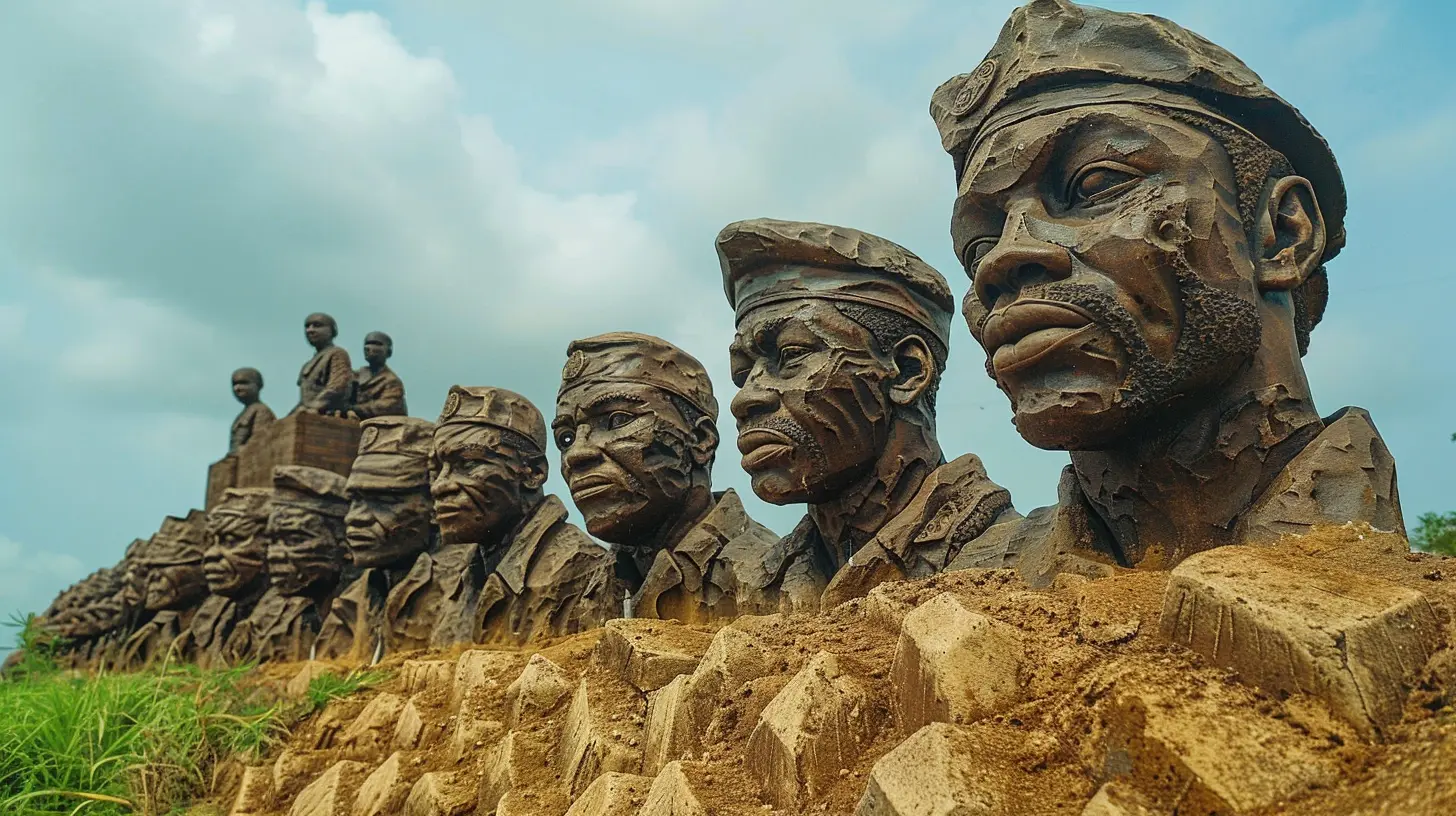
The Power of Places: Why These Landmarks Matter
Ever walked into a room and felt like something important happened there? That’s the feeling these landmarks give. They’re not just old buildings or statues. They’re the silent witnesses of Africa’s fierce road to liberation. And each one, in its own way, played a part in shaping the free nations we see today.Let’s dive into them.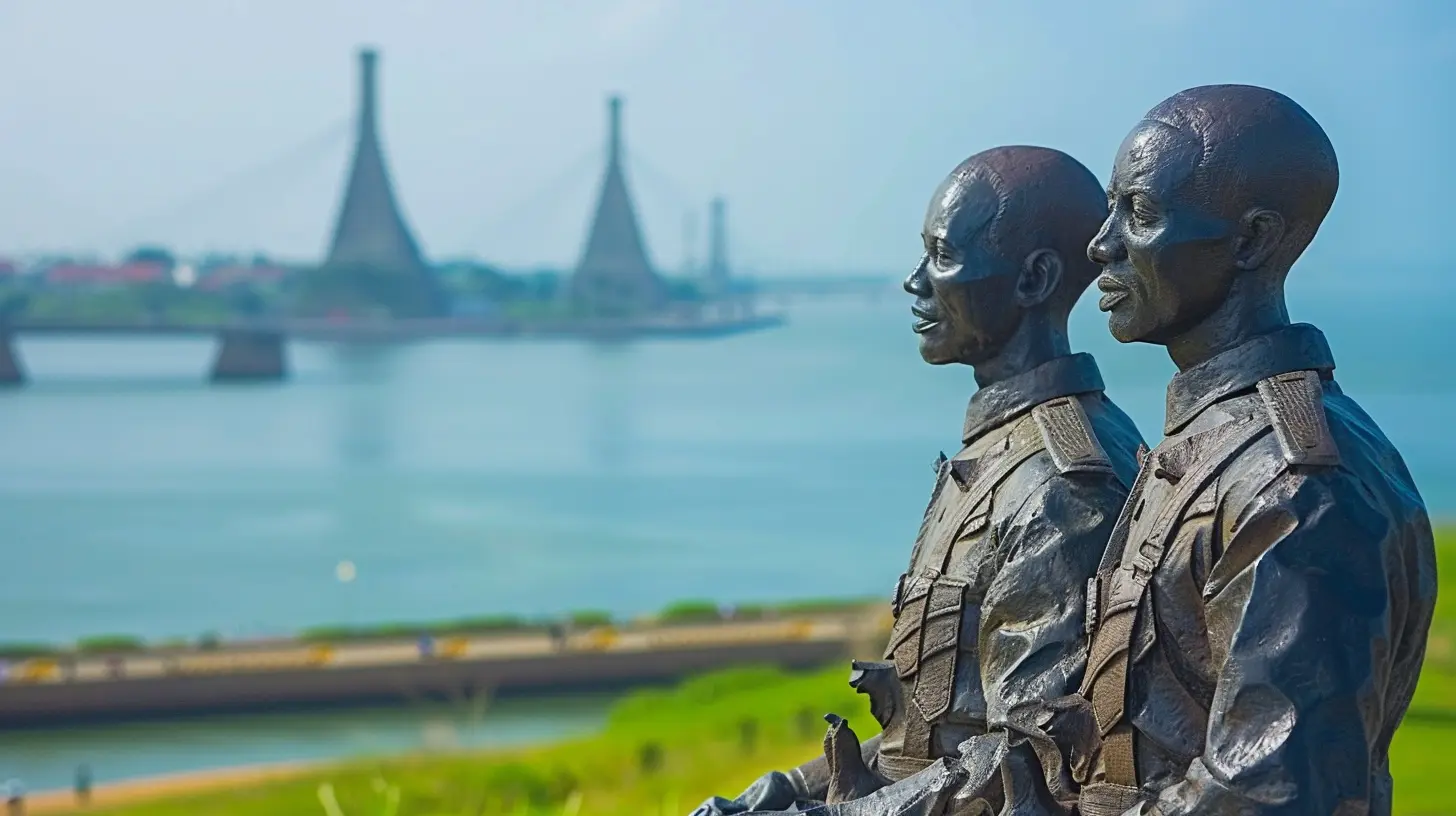
1. Robben Island – South Africa’s Island of Hope
You can’t talk about Africa’s independence without mentioning Nelson Mandela. And you certainly can’t understand Mandela’s journey without visiting Robben Island.Located just off the coast of Cape Town, this eerie, wind-blown island doesn’t look like much. But looks can be deceiving. For 18 of the 27 years he was imprisoned, Mandela called this place home—or more accurately, a cell.
Why It Matters:
Robben Island isn't just a prison. It’s the symbol of South Africa's painful apartheid era. But it also represents resilience, sacrifice, and the unbreakable spirit of people who refused to bow down.Travel Tip:
You can take a ferry from Cape Town’s V&A Waterfront. Guided tours are usually led by former political prisoners—giving you a raw, firsthand insight you won’t forget.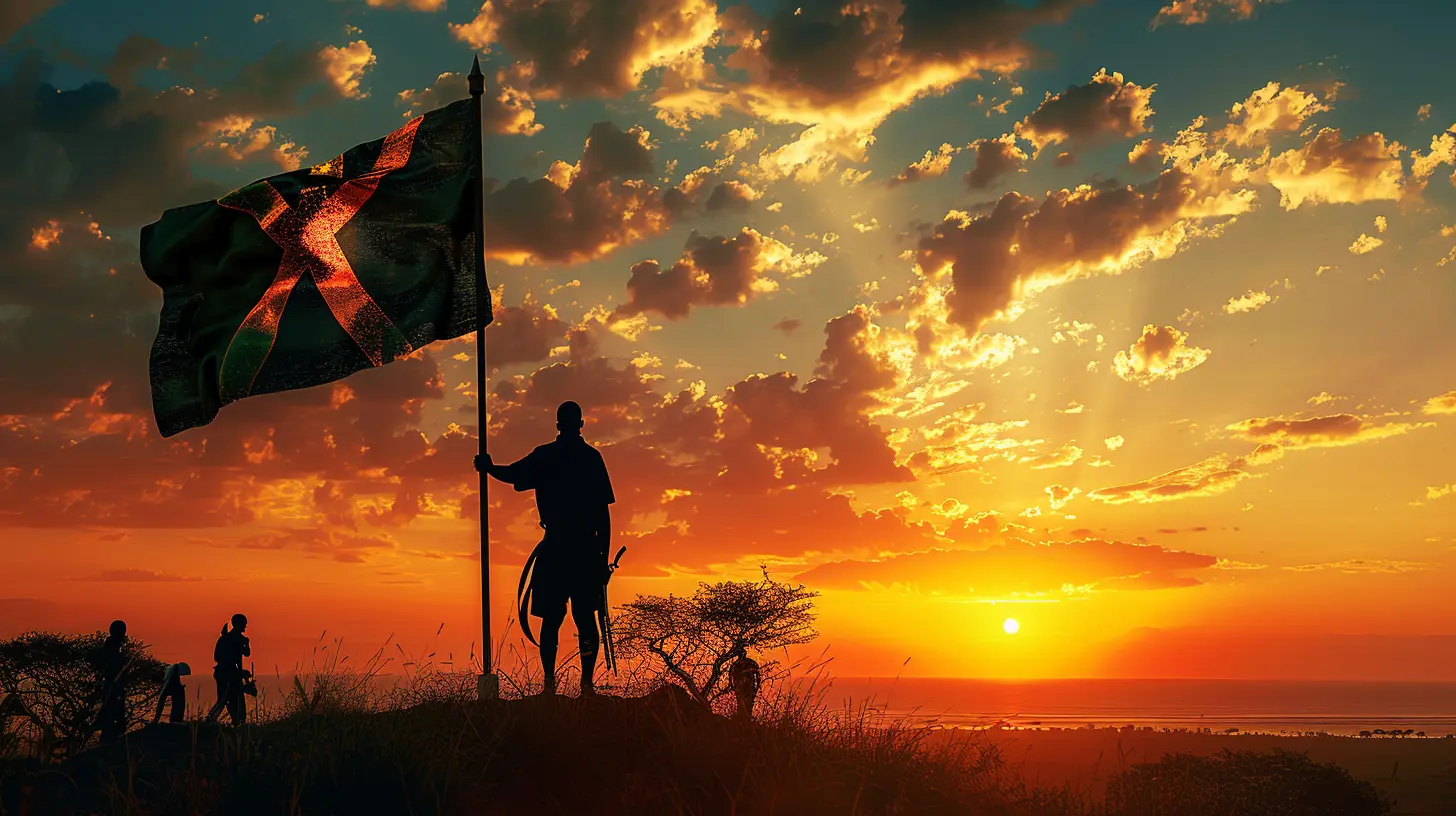
2. Ghana's Independence Arch – Accra’s Beacon of Freedom
Located in the heart of Accra, Ghana’s Independence Arch stands proud and tall. It's not just photogenic—it’s monumental. Ghana was the first sub-Saharan African country to gain independence from colonial rule in 1957, and this arch celebrates that historical stride.Why It Matters:
This spot marks more than just Ghana’s freedom. It sparked a ripple effect across the continent. If Ghana could do it, others believed they could too.Pro Tip:
Visit on Independence Day (March 6th) if possible. The vibe? Electric. Parade floats, speeches, fireworks—freedom in full swing.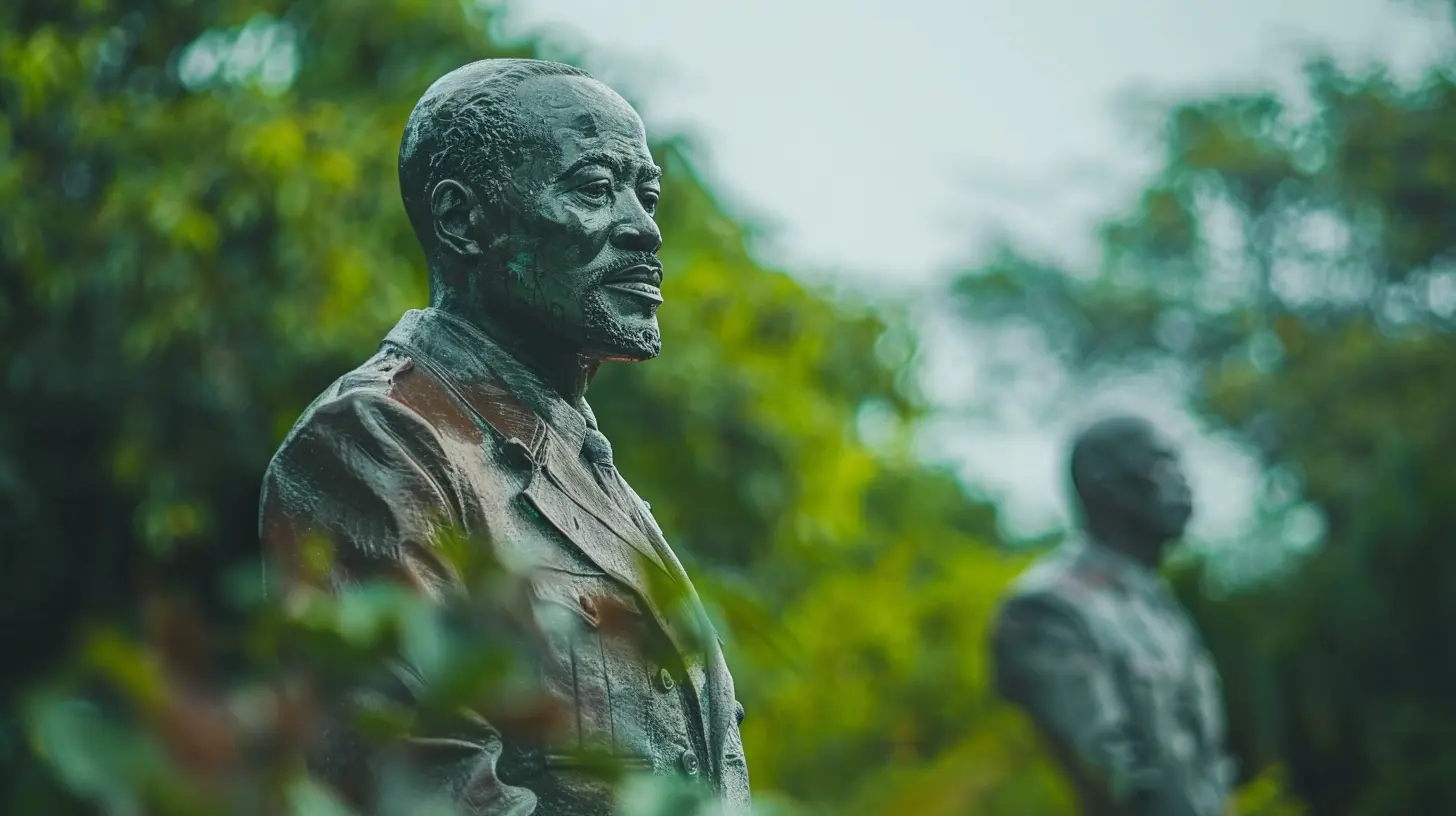
3. The Algerian Martyrs' Memorial – El Madania, Algiers
With its towering concrete palms stretching into the sky, the Martyrs’ Memorial (Makam Echahid) in Algiers is impossible to miss. Built in 1982, it commemorates the Algerian War of Independence against French colonizers.Why It Matters:
Algeria’s war was brutal. We're talking about 8 years of bloody conflict, torture, and immeasurable loss. This monument honors over a million Algerians who died in the fight. It’s haunting and heroic at once.Worth Knowing:
There’s also a museum at the base that dives deeper into Algeria’s battle for sovereignty. Perfect for a full history fix.4. The Castle of Good Hope – Cape Town, South Africa
Okay, it might seem odd to include a colonial fort here. But hear me out. The Castle of Good Hope, built by the Dutch in the 17th century, later became a military prison and a symbol of colonial dominance.Why It Matters:
This place flips the narrative. Today it’s used for cultural events, art exhibitions, and as a reminder of how far South Africa has come.Extra Nugget:
It’s the oldest existing colonial building in South Africa. So yeah, it’s got layers.5. Maji Maji Rebellion Monument – Songea, Tanzania
Tanzania's Maji Maji Rebellion may not get the spotlight often, but it was a big deal. Between 1905 and 1907, local tribes rose against German colonizers, believing sacred water (maji) could protect them.While the rebellion was crushed, it laid the groundwork for future resistance.
Why It Matters:
This monument in Songea honors those who dared to believe in magic and freedom. It’s both tragic and inspiring.Unexpected Lesson:
It teaches us that even so-called failed rebellions push the needle forward.6. Uhuru Gardens – Nairobi, Kenya
“Uhuru” means freedom in Swahili. So you know this place is more than just a pretty park. Uhuru Gardens is where Kenya’s national flag was first hoisted as the country broke free from British rule in 1963.Why It Matters:
It's the birthplace of modern Kenya. The spot where dreams of self-rule turned into reality.Sight You Shouldn’t Miss:
The towering independence column with a sculpture of heroes raising the new Kenyan flag—it’s chills-worthy.7. Samora Machel Statue – Maputo, Mozambique
Standing tall in Independence Square, the statue of Samora Machel—the first president of Mozambique—is more than bronze and steel. It’s a tribute to leadership with vision.Why It Matters:
Machel wasn’t just a political figure. He was the heart of Mozambique’s independence from Portugal. His fight was bold, and his legacy unmistakable.Local Flavor:
The square is full of local vendors, and it’s a great place to chat with locals who’ll remind you that independence isn't just history—it’s lived experience.8. The House of Slaves – Gorée Island, Senegal
Alright, this one hits differently. Gorée Island isn’t just tied to independence but goes way deeper—to the roots of colonization: the slave trade.The House of Slaves, with its infamous “Door of No Return,” is a small building with a massive impact.
Why It Matters:
This is where millions of Africans began a forced journey into slavery. Understanding this past helps us see why independence was so vital—and so deeply personal.Heads-Up:
It’s emotional. But necessary. Like confronting a wound so it can finally heal.9. Dedan Kimathi Statue – Nairobi, Kenya
This life-size bronze figure stands in central Nairobi, and to most Kenyans, it’s a sacred symbol.Dedan Kimathi was a leader of the Mau Mau uprising against British colonial rule. Executed by the British in 1957, he became a martyr and a national hero.
Why It Matters:
Kimathi didn’t just fight—he inspired. He stood for land rights, justice, and dignity at a time when none were available to native Kenyans.Street Vibe:
The statue stands surrounded by Nairobi’s hustle, serving up a beautiful contrast between then and now.10. Kwame Nkrumah Mausoleum – Accra, Ghana
We couldn’t leave out Kwame Nkrumah, could we? This man was not only Ghana’s first president but also a major voice in Africa’s total liberation. His mausoleum is his final resting place and a monument to pan-Africanism.Why It Matters:
Nkrumah believed in a united Africa, and today, he remains a symbol of leadership, vision, and unity.Travel Geek Alert:
The design of the mausoleum? Shaped like an upside-down sword—symbolizing peace. Pretty cool, right?Why You Should Visit These Landmarks
You don’t just visit these spots for Instagram likes (though, they’re pretty photogenic too). You go to be moved. To understand. To honor stories that are too often whispered when they should be shouted.These landmarks remind us that independence wasn’t gifted—it was fought for. With every stone and statue, there’s a story of courage that deserves your time and attention.
How to Make the Most of Your Visit
Here’s a quick cheat sheet for history lovers on the go:- Go with a guide. Local guides often know the unspoken truths.
- Ask questions. Be curious. It shows respect (and you'll learn more).
- Be present. Don’t just snap pics. Breathe it in.
- Talk to locals. Some stories aren't written—they’re spoken.
Africa’s Fight for Independence: A Never-Ending Echo
The fight for independence across Africa wasn’t one clean sweep. It was messy, painful, and sometimes slow. But it was real. And you can still feel its heartbeat in these historic places.So the next time you think about Africa, don’t just picture lions and safaris. Picture a continent that roared back at injustice—and won. Because these landmarks? They’re not just relics of the past.
They’re proof that freedom is worth fighting for.
all images in this post were generated using AI tools
Category:
Africa TravelAuthor:

Ian Powell
Discussion
rate this article
2 comments
Ardent Gutierrez
This article beautifully highlights the significance of Africa's historical landmarks in the struggle for independence. Each site tells a unique story of resilience and hope, reminding us of the courage and determination that shaped nations. Thank you for sharing these powerful narratives that honor the past!
February 5, 2026 at 4:50 PM
Ian Powell
Thank you for your thoughtful comment. I'm glad you found the narratives inspiring. Each landmark truly does reflect the strength of Africa's journey to independence.
Liv Wilson
Africa's historical landmarks are powerful symbols of resilience and courage, shaping the continent's journey to freedom.
January 12, 2026 at 5:05 PM
Ian Powell
Thank you for highlighting the significance of these landmarks; they truly embody the spirit of resilience and courage in Africa's quest for freedom.