Get to Know the Locals: Language Lessons and Cultural Exchange
2 February 2026
Have you ever traveled to a new country and felt completely lost when trying to communicate? You nod, smile, and rely on hand gestures, but deep down, you wish you knew how to say more than just “hello” and “thank you.” Well, you're not alone! Learning the local language and immersing yourself in the culture can transform your travel experience from ordinary to extraordinary.
But here’s the kicker—local interaction isn’t just about speaking their language. It’s about understanding their way of life, traditions, and values. So, if you're ready to break the tourist bubble and truly connect with locals, let’s dive into the power of language lessons and cultural exchange.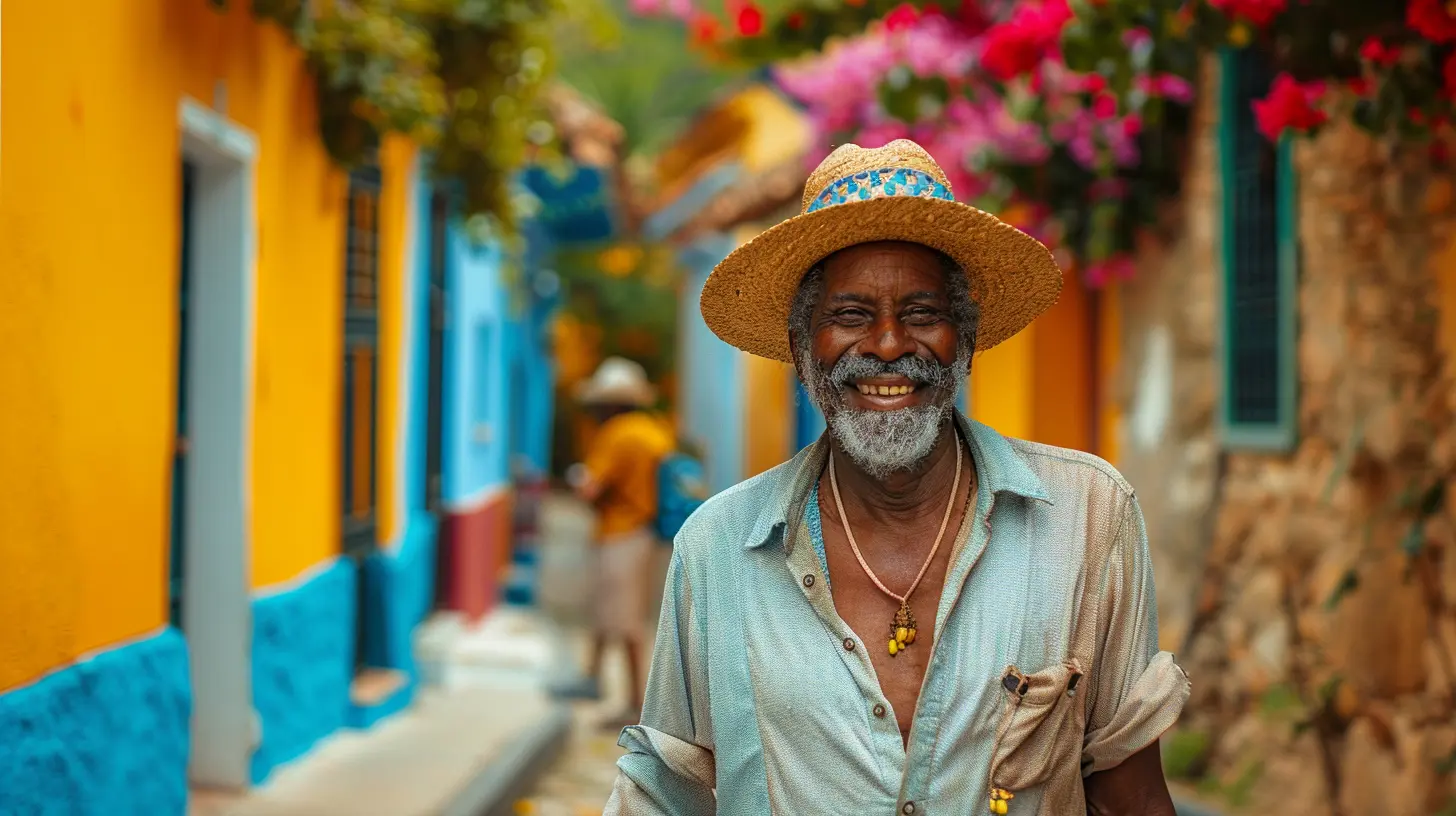
Why Bother Learning the Local Language?
1. It Opens Doors (Literally and Figuratively)
Ever tried asking for directions in English in a small village in Japan or rural Italy? It’s like playing charades with complete strangers! Learning even a few basic phrases can help you navigate places where English isn't widely spoken. Plus, locals appreciate the effort and are more likely to welcome you with open arms.2. Deeper Connections With People
Think about it—would you rather have a surface-level conversation in broken English or a heartfelt chat in someone’s native language? Even if you're not fluent, trying to communicate in the local tongue shows respect for their culture. It builds trust, fosters friendships, and sometimes even leads to once-in-a-lifetime experiences, like being invited to a family dinner!3. Better Travel Experiences
Ever noticed how tourists sometimes get different treatment than locals? Knowing the language helps you blend in (at least a little), unlock hidden gems, and avoid tourist traps. You’ll also gain insights into cultural nuances that guidebooks never mention.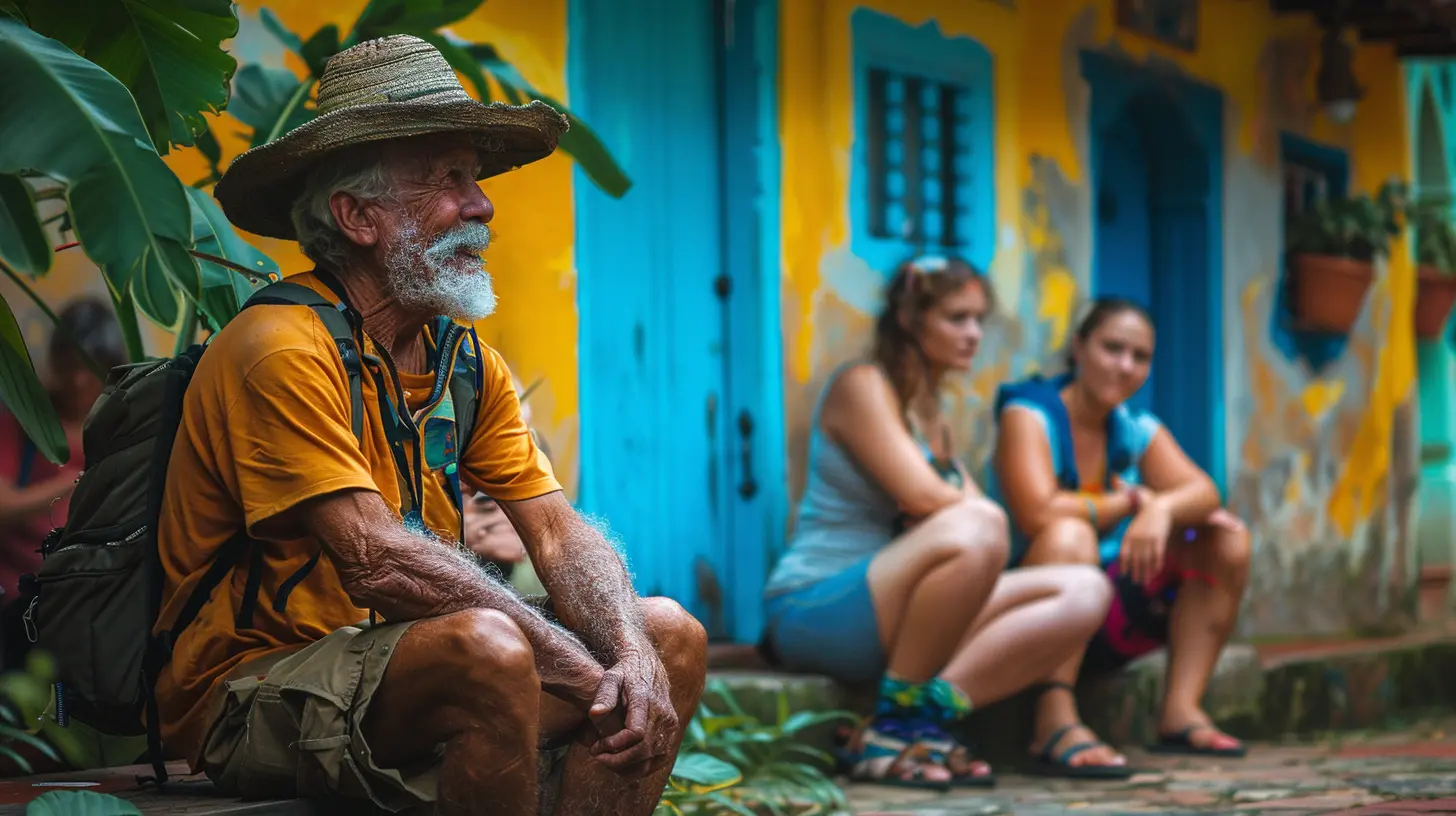
How to Learn the Local Language While Traveling
You don’t have to enroll in a year-long course to pick up useful phrases. Here are some fun and practical ways to get started:1. Take Local Language Classes
Many cities offer short-term language courses for travelers. They’re often affordable and designed to teach you everyday phrases quickly. Plus, being in a classroom setting allows you to meet fellow travelers and locals who share your interest in language.2. Use Language Exchange Programs
Ever heard of tandem language exchanges? You teach someone your language, and they teach you theirs. Apps like HelloTalk, Tandem, or even local meetups can connect you with native speakers. It’s a win-win situation—you improve your language skills while making new friends!3. Talk to Locals—No Fear!
Don’t let fear of saying something wrong hold you back. Most people appreciate the effort, and a few pronunciation mistakes won’t ruin your conversation. Order food in the local language, strike up a conversation with a street vendor, or ask your taxi driver about their favorite places.4. Learn Key Phrases Before You Go
Before you even set foot in a new country, familiarize yourself with basic phrases. Some essential ones include:- "Hello!" (Always a good start)
- "Thank you!" (Manners go a long way)
- "How much is this?" (Because shopping is inevitable)
- "Where is the bathroom?" (Super important!)
- "Can you help me?" (Just in case)
5. Watch, Listen, and Repeat
Immerse yourself in the language through movies, music, and podcasts. Watching films with subtitles or listening to local radio stations can help train your ear and expand your vocabulary without feeling like you're studying.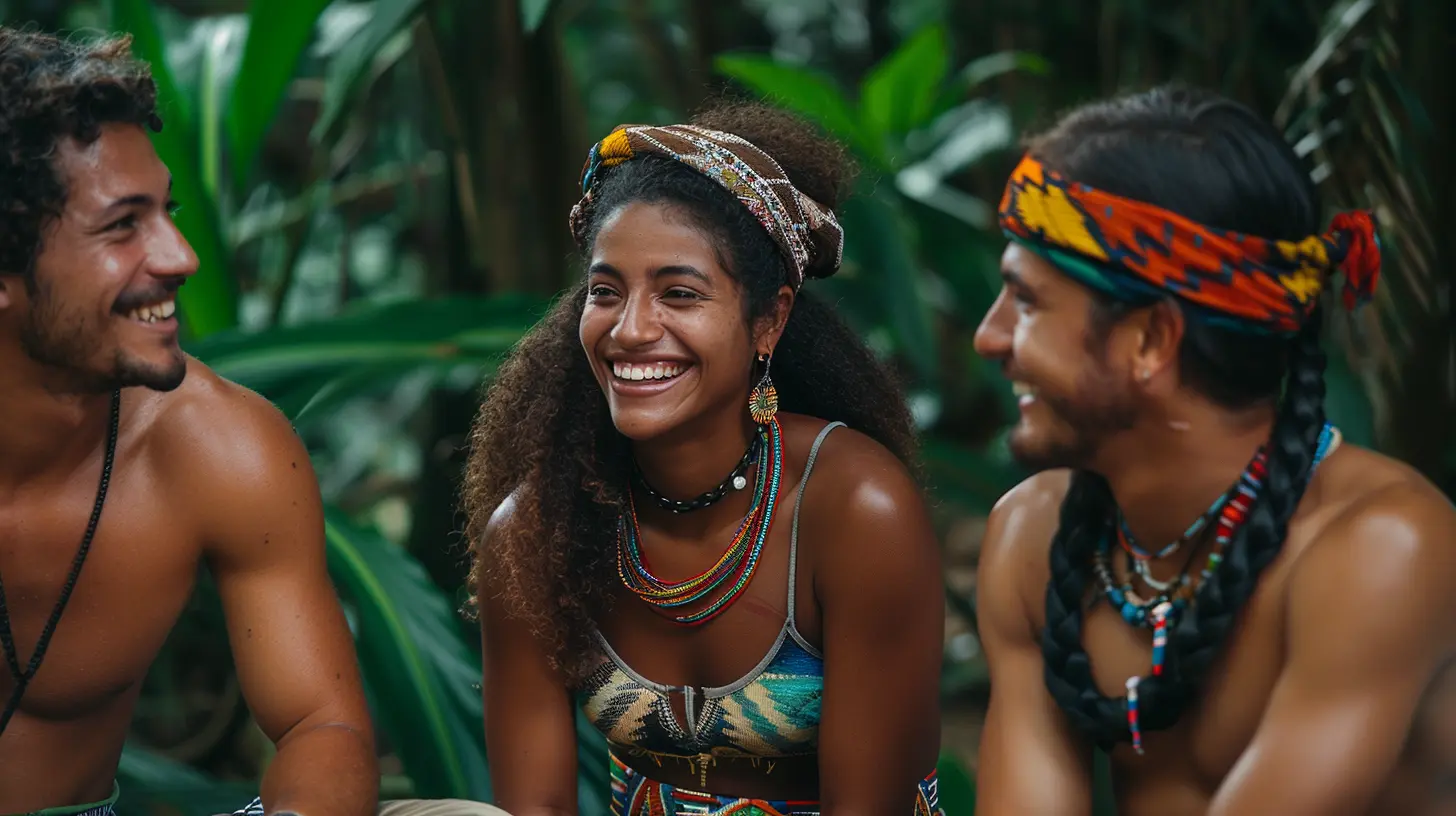
Cultural Exchange: More Than Just Words
Language is just one piece of the cultural puzzle. To truly connect with locals, take advantage of cultural exchange opportunities. Here’s how:1. Stay With a Host Family or in a Homestay
Hotels are nice, but nothing beats living with locals. A host family can introduce you to home-cooked meals, traditions, and daily life in a way that tourist accommodations never could. Plus, you’ll practice the language in a natural setting every day!2. Join Traditional Workshops and Classes
Ever wanted to learn how to cook Thai curry from a local chef? Or master the art of Flamenco dancing in Spain? Taking part in cultural workshops not only gives you hands-on experience but also helps you interact with locals in a meaningful way.3. Participate in Community Events
Festivals, local markets, and neighborhood gatherings are goldmines for cultural immersion. Whether it’s a lantern festival in Vietnam or a town parade in Brazil, joining in the fun helps you experience a culture from the inside out.4. Volunteer or Work Abroad
Giving back to the community can be one of the most rewarding ways to exchange culture. Whether you’re teaching English, working on a farm, or helping at a local shelter, volunteering allows you to form genuine connections and get a peek into everyday life.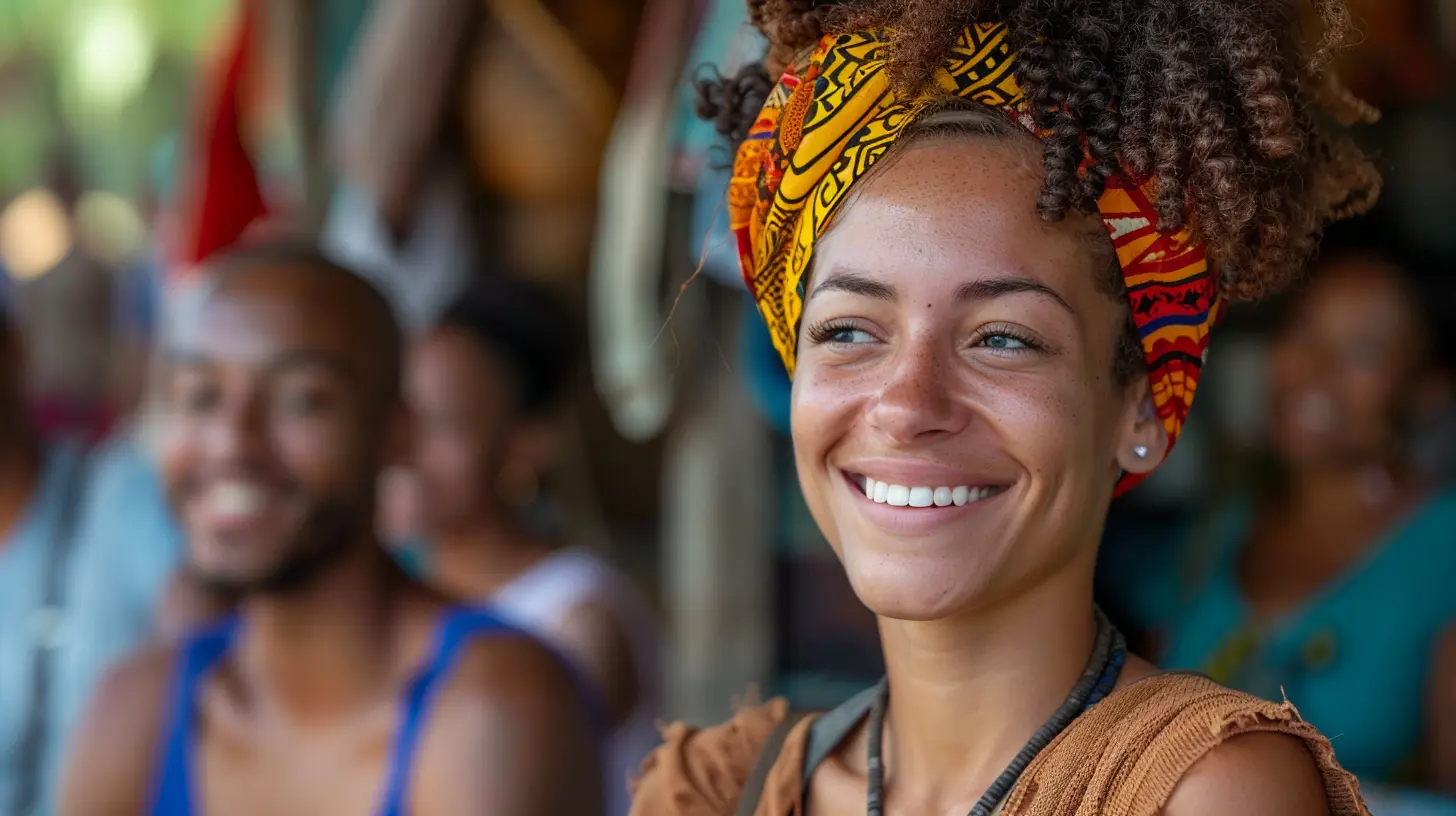
Overcoming Cultural and Language Barriers
Learning a new language and adapting to a different culture comes with its challenges. But don’t let that stop you! Here’s how to handle common obstacles:1. Don’t Be Afraid to Make Mistakes
You WILL mess up—it’s part of the process! Instead of worrying about perfection, focus on communication. If locals see you’re trying, they’ll usually be happy to help.2. Use Gestures and Body Language
Sometimes, words fail, but gestures never do! A smile, a thumbs-up, or pointing at what you need can go a long way in bridging the communication gap.3. Keep an Open Mind
Cultural differences can be surprising, amusing, or even frustrating at times. Respect traditions, embrace differences, and go with the flow—you might just end up with the best stories to tell.The Rewards of Language and Cultural Exchange
At the heart of travel is human connection. Learning a new language and immersing yourself in another culture isn’t just about making your trips easier—it’s about broadening your perspective and embracing new ways of thinking.By stepping out of your comfort zone and interacting with locals, you’re not just a visitor—you become part of the story. And who knows? The friendships you make along the way might just last a lifetime.
So, the next time you travel, ditch the tourist-only approach. Learn a few words, engage with locals, and immerse yourself in cultural exchange. You’ll walk away with not just memories, but experiences that truly change you.
all images in this post were generated using AI tools
Category:
Local ExperiencesAuthor:

Ian Powell
Discussion
rate this article
2 comments
Romina McWain
Thank you for sharing this insightful article! Exploring local languages and engaging in cultural exchanges truly enriches travel experiences. It’s heartwarming to see how language connects us and fosters deeper connections with the community. I’m excited to incorporate these tips on my next adventure!
February 24, 2026 at 5:44 AM
Ian Powell
Thanks for your thoughtful comment! I'm glad you found the article helpful. Enjoy your next adventure and the connections you'll make along the way!
Quillan McManus
Great insights on connecting with locals! Language and cultural exchange truly enhance the travel experience. Thank you for sharing!
February 2, 2026 at 5:01 AM
Ian Powell
Thank you for your kind words! I'm glad you found the insights valuable—connecting with locals truly enriches travel experiences. Happy travels!