From Farmers to Fork: Immersing in Local Markets
1 August 2026
Ever wondered where your food actually comes from? No, not the supermarket down the street. I’m talking about _really_ knowing—meeting the hands that dig, plant, harvest, and hustle to put those beautiful, fresh ingredients on your plate. That, my friend, is the magic of local markets, and more people are waking up to it every day.
From farmers to fork, local markets are so much more than a pleasant Saturday morning stroll. They're a full-on cultural immersion, a feast for the senses, and a one-of-a-kind chance to connect with a destination at a grassroots level—literally.
So grab your reusable tote and let’s dive into this journey of flavor, tradition, and community.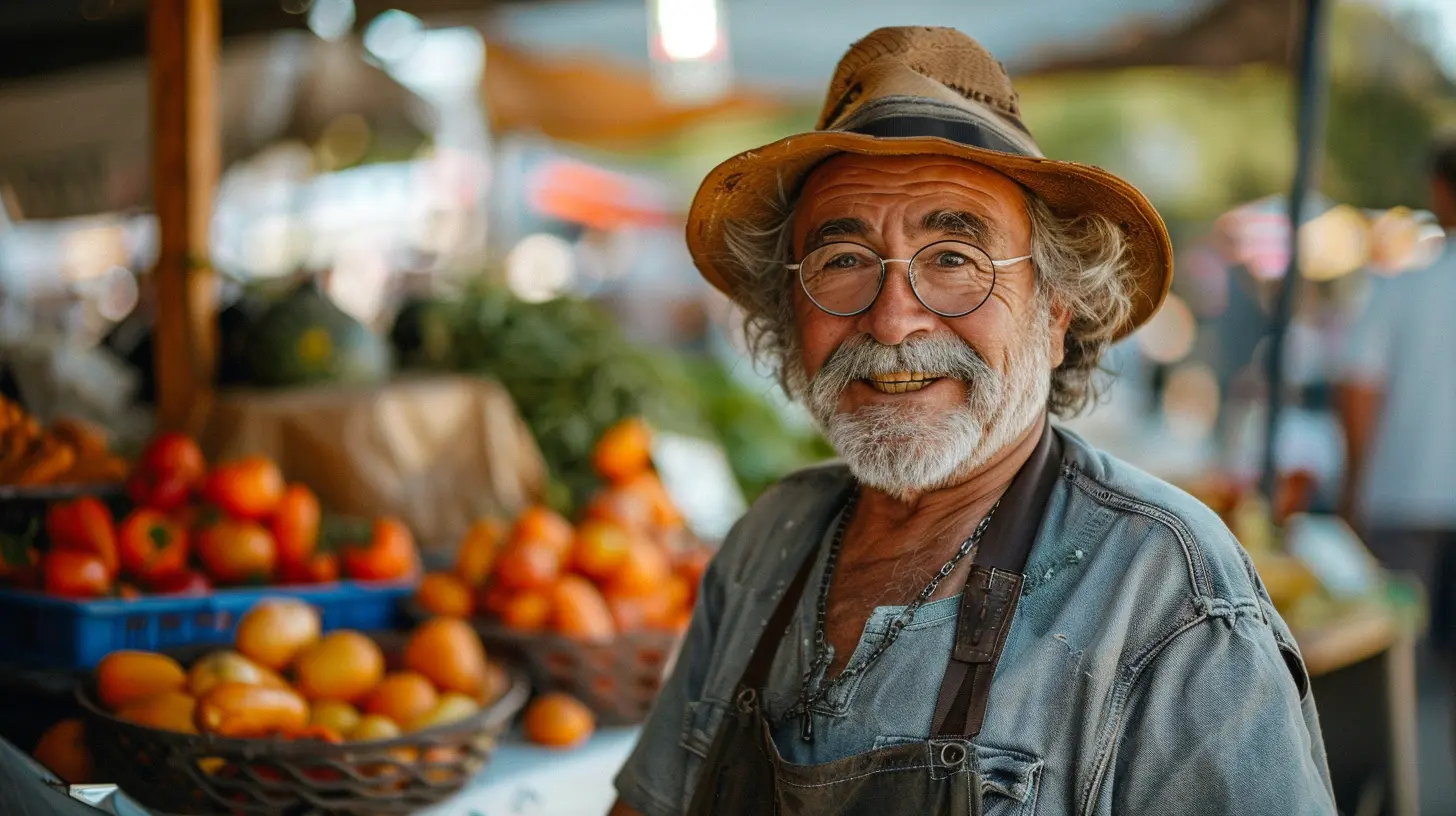
What Makes Local Markets So Special?
When we think of traveling, we usually picture famous landmarks, beaches, or maybe museums. But here’s something you might not have tried yet—visiting local markets.Why are they such a big deal? Because they’re the heartbeat of a community. They tell stories of seasons, soil, and people. You’re not just shopping—you’re stepping into the everyday life of locals. It’s raw, real, and refreshingly unfiltered.
Travel guides might show you tourist hotspots, but local farmers' markets peel back the curtain. They’re authentic, unpredictable, and full of character—just like the places they spring from.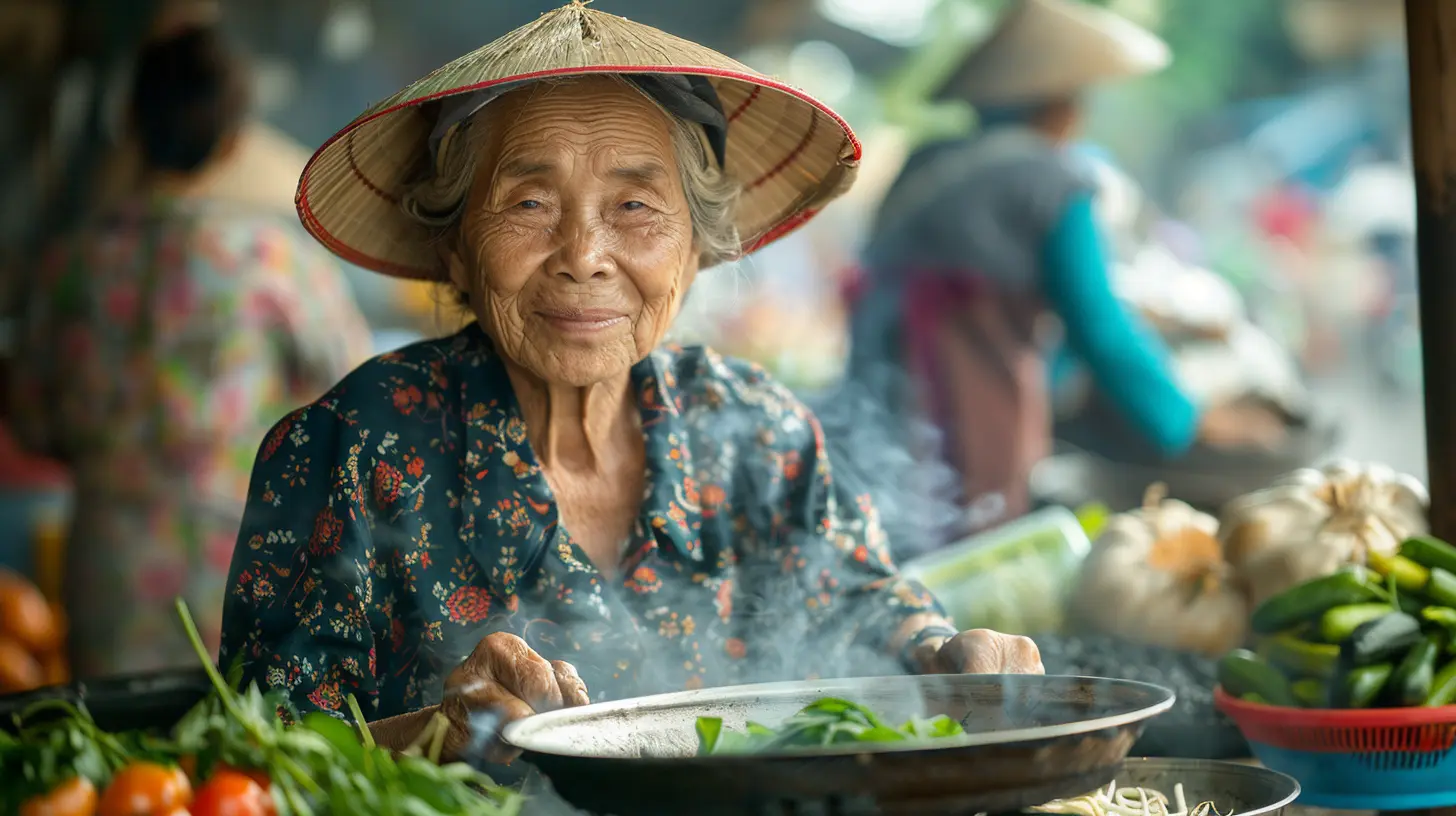
A Feast for the Senses
The second you set foot in a bustling local market, your senses go into overdrive.- The vibrant colors of produce piled high like edible rainbows.
- The aroma of fresh herbs, just-picked strawberries, or sizzling street food.
- The hum of chatter as vendors passionately describe the taste of a rare cheese or explain how to cook with heirloom tomatoes.
It’s not just a place to shop—it’s a place to feel alive.
Honestly, no glossy grocery aisle can compete with the magic of someone handing you a slice of juicy peach and saying, “Try this—I picked it this morning.”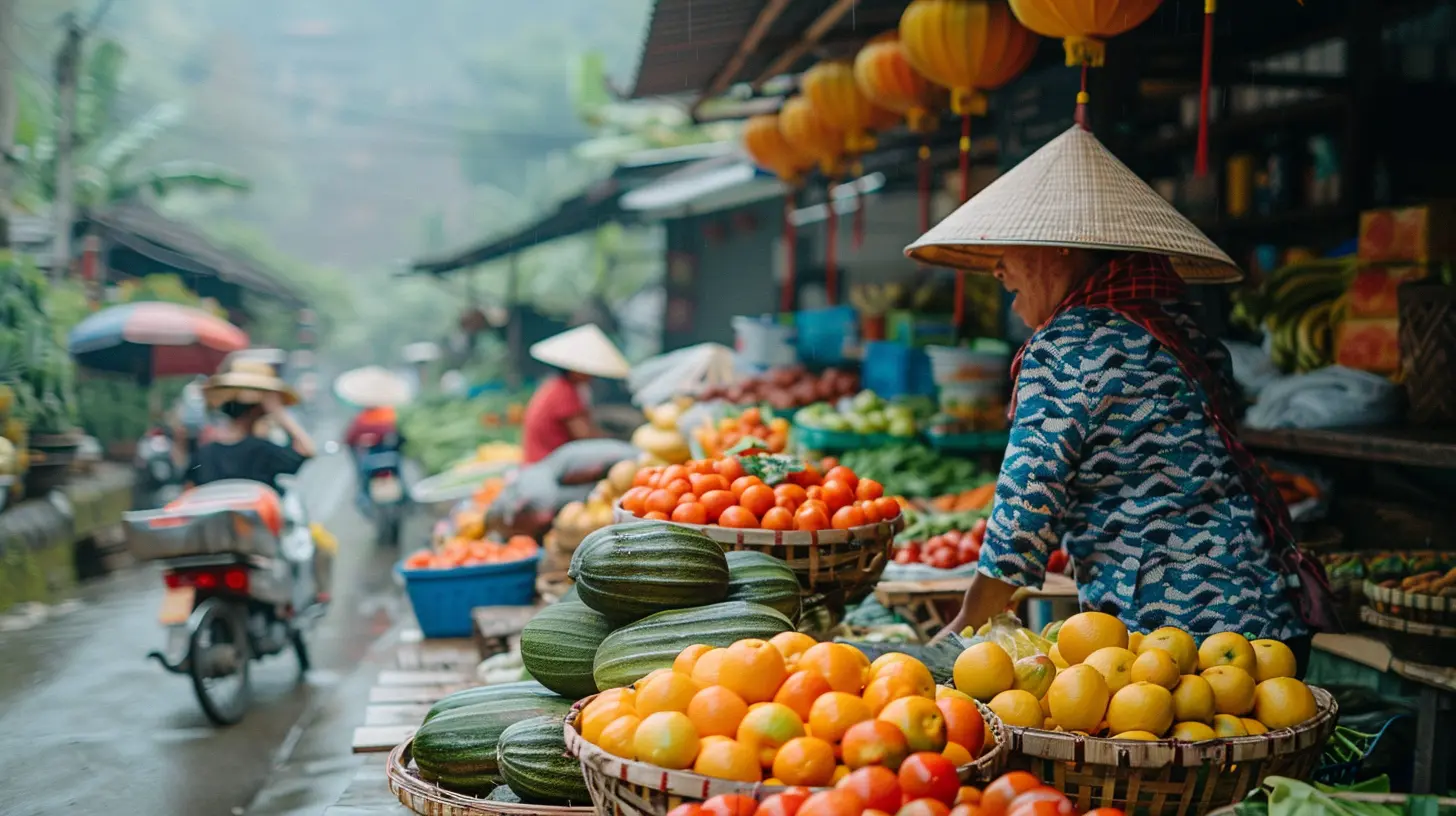
More Than Just Food: A Cultural Window
Sure, local markets are about food, but they go so much deeper.You learn about a region’s history and culinary traditions. You hear languages, taste spices, and see crafts that tell the story of a community. In Morocco, spices stack into pyramids like ancient temples; in Thailand, you might see chili pastes made with recipes passed down for generations.
These aren’t just transactions—they’re conversations.
Ever asked a vendor what’s in season or what they recommend? Chances are, they’ll light up and share way more than you expected. That little chat might even lead you to a tucked-away hole-in-the-wall restaurant or a festival you didn’t know was happening.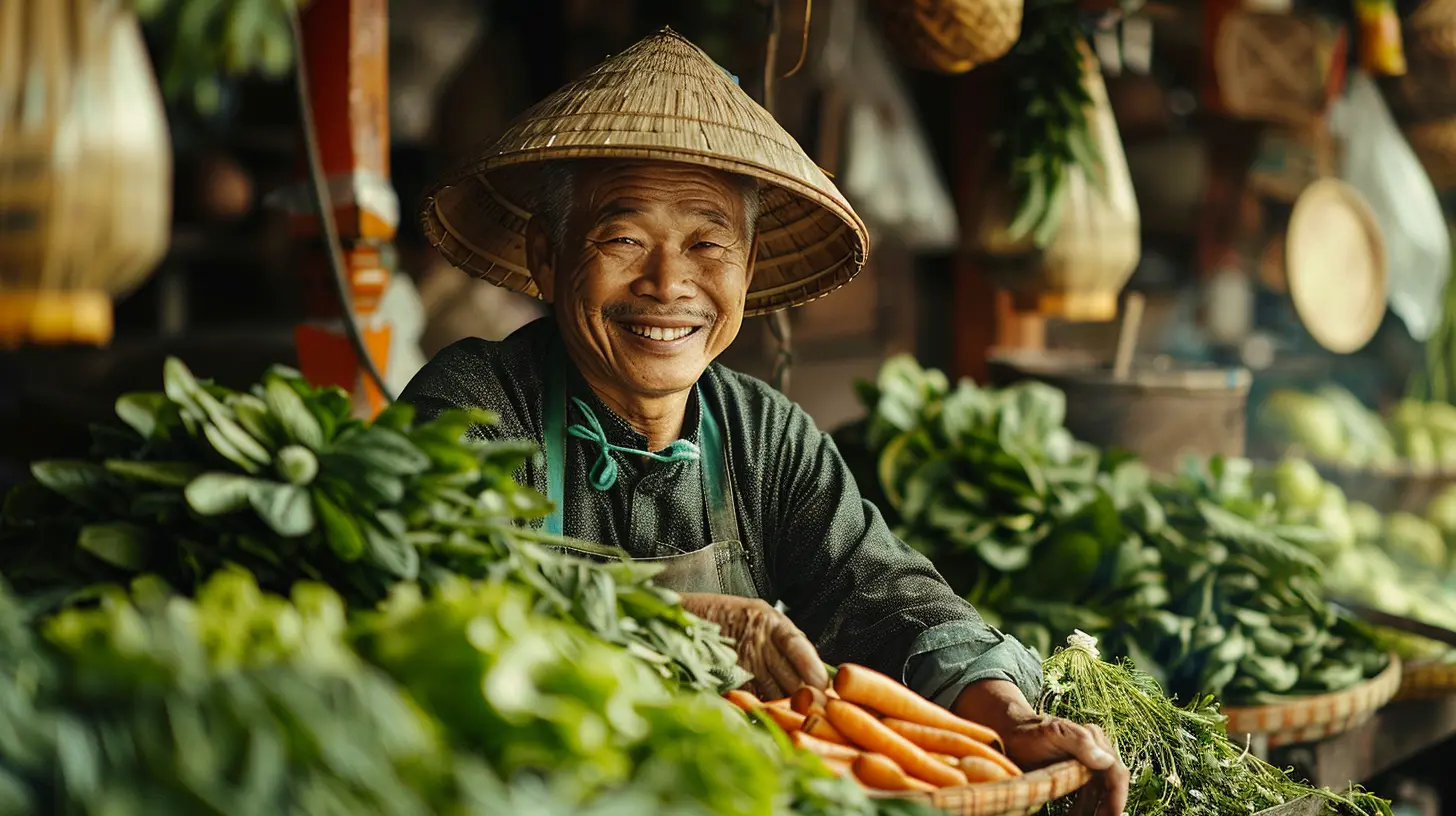
The Farm-to-Table Connection
The farm-to-table movement isn’t just some hipster trend. It’s a deeper reconnection with what nourishes us.At local markets, food doesn’t travel thousands of miles on planes or trucks. It comes from right down the road, often harvested within 24 hours of hitting the stalls.
This means:
- Fresher food
- Richer flavors
- Fewer preservatives
- Lower carbon footprint
Supporting local farmers also means keeping age-old techniques and small-scale agriculture alive. It’s sustainability in its most delicious form.
And let’s be real: food just tastes better when you know the story behind it.
The Joy of Eating Seasonally
One of the best things about local markets? You learn to eat with the seasons.Instead of strawberries year-round (that taste like cardboard half the time), you get peaches in summer, squash in fall, and citrus in winter. Mother Nature knows what she’s doing.
Eating seasonally isn’t just tastier—it’s healthier and often cheaper. Plus, it helps you appreciate the rhythm of the natural world. The anticipation for certain foods builds up, making each bite feel like a celebration.
I mean, is there anything more satisfying than that first bite of a sun-ripened tomato after a long winter?
Meeting the Makers
Let’s talk about the people. Local markets are powered by a passionate, hardworking bunch who genuinely care about what they do.Take time to chat with them. Ask about their farming methods, their favorite way to cook that weird-looking veggie, or how they got started.
You’ll meet everyone from organic farmers and artisan bakers to cheese makers, fishmongers, and herbalists. They’ve got knowledge you won’t find on any food label.
And here's the kicker: your money goes directly to them. No middlemen, no faceless corporations. Just honest work and fair pay.
It feels good, doesn’t it?
Local Markets Across the Globe
Let’s take a whirlwind tour of some incredible local markets around the world. Whether you’re in Asia, Europe, Africa, or your own backyard, there’s always a unique market worth exploring.?? Marché Bastille – Paris, France
A stunning blend of fresh produce, gourmet cheese, and warm baguettes straight out of the oven. It’s French culture in edible form.?? Jemaa el-Fnaa – Marrakech, Morocco
Not your traditional farmers market, but a thrilling sensory overload of spices, meats, teas, and snake charmers. It’s a dance between chaos and charm.?? Mercado Benito Juárez – Oaxaca, Mexico
Dive into colorful mole pastes, fragrant chocolate, and handmade tortillas. It’s a flavor explosion waiting to happen.?? Hoi An Market – Hoi An, Vietnam
Smack in the middle of this charming city, you’ll find layers of fresh herbs, seafood, and Vietnamese street food magic.?? Portland Farmers Market – Oregon, USA
One of the best in the States—think wild mushrooms, craft cider, organic greens, and live music.A More Mindful Way to Travel
In a world of fast food and faster lives, visiting local markets slows you down in the best way.It encourages:
- Mindful eating
- Sustainable choices
- Meaningful connections
You’re not just consuming—you’re participating.
Travel isn’t only about checking boxes or snapping selfies. It’s about being present, absorbing the nuances of everyday life, and coming home with stories that start with “So I met this farmer who…”
How to Make the Most of Your Local Market Visit
New to the market scene? No worries. Here are a few tips to get you rolling:1. Go Early
The best produce and baked goods sell out fast. Early birds catch the juiciest figs!2. Bring Cash and a Tote
Some vendors may not take cards, and you’ll want something eco-friendly to carry your loot.3. Ask Questions
Curiosity is your best travel companion. Vendors love sharing their knowledge.4. Taste First
Many stalls offer samples. Don’t be shy. Let your taste buds lead the way.5. Be Respectful
Remember you’re a guest. Be kind, don’t haggle aggressively, and appreciate the effort behind every product.What You’re Really Bringing Home
We often return from trips with magnets, t-shirts, or keychains. But what if your souvenirs were a little different?Like:
- A traditional family recipe.
- A jar of hand-harvested honey.
- A story about a farmer who grows 17 varieties of basil.
- Or the memory of sitting on a bench eating a pastry while musicians played nearby.
These are the kinds of souvenirs you carry in your heart—not your suitcase.
Final Thoughts
So the next time you travel, skip the gift shops and head to the local market. It’s a simple act, but it opens up a whole new world.From farmers to fork, every moment is a chance to connect—with food, with people, with culture. And let’s be honest, isn’t that what the best travel experiences are made of?
So go ahead—talk to that weathered man selling oranges, taste that mysterious jam, buy that slightly odd-looking vegetable. You’re not just shopping. You’re immersing, engaging, and making memories.
Because at the end of the day, the soul of a place is often found in its simplest rituals—and one of those is surely a morning spent at the local market.
all images in this post were generated using AI tools
Category:
Local ExperiencesAuthor:

Ian Powell