Exploring the Great Wildebeest Migration in Tanzania and Kenya
18 February 2026
Hold onto your safari hat, because we're about to take a wild ride through one of nature’s most jaw-dropping spectacles — the Great Wildebeest Migration! Imagine millions (yep, millions!) of wildebeest, zebras, and gazelles on an epic, never-ending road trip across the African savannas of Tanzania and Kenya. No GPS needed, just instinct, survival, and a whole lot of hooves!
Whether you’re a safari newbie or a seasoned wildlife enthusiast, there's nothing quite like watching this thunderous, dusty, adrenaline-filled journey up close. So, grab your binoculars, slather on some sunscreen, and let’s dive into the quirks, drama, and raw beauty of the greatest natural show on Earth.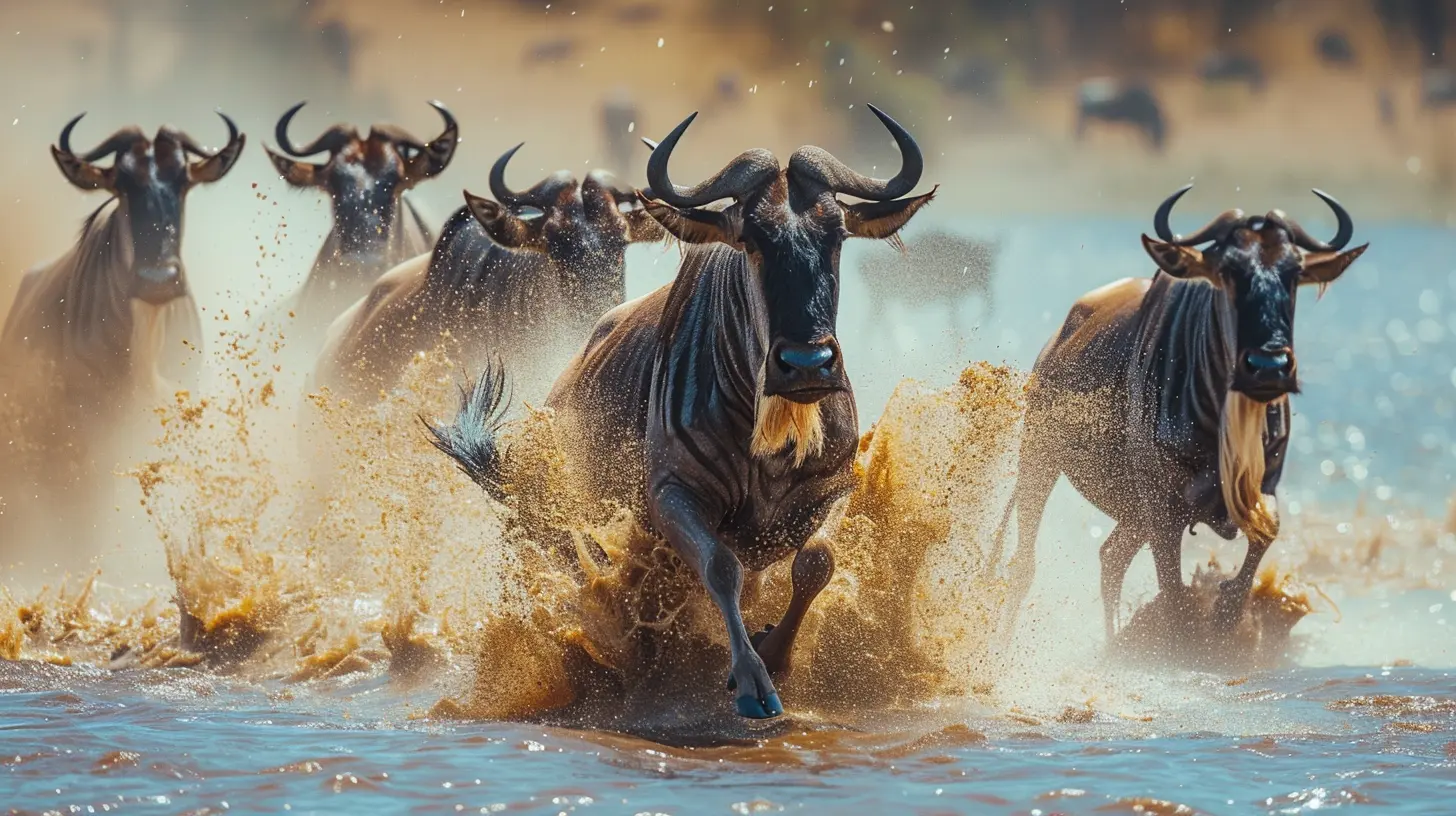
What Is the Great Wildebeest Migration Anyway?
Okay, quick geography lesson. Every year, around 1.5 million wildebeest (plus hundreds of thousands of zebras and Thompson’s gazelles) move in a massive loop between Tanzania’s Serengeti National Park and Kenya’s Maasai Mara Reserve. Why? They’re chasing fresh grass, water, and survival — basically, the ultimate buffet on the move.This isn't just a random walk in the park. It’s a life-or-death cycle shaped by rainfall, predators, and ancient instincts. Think of it as the longest-running soap opera in the animal kingdom, complete with dramatic births, unexpected deaths, crocodile villains, and heroic stampedes.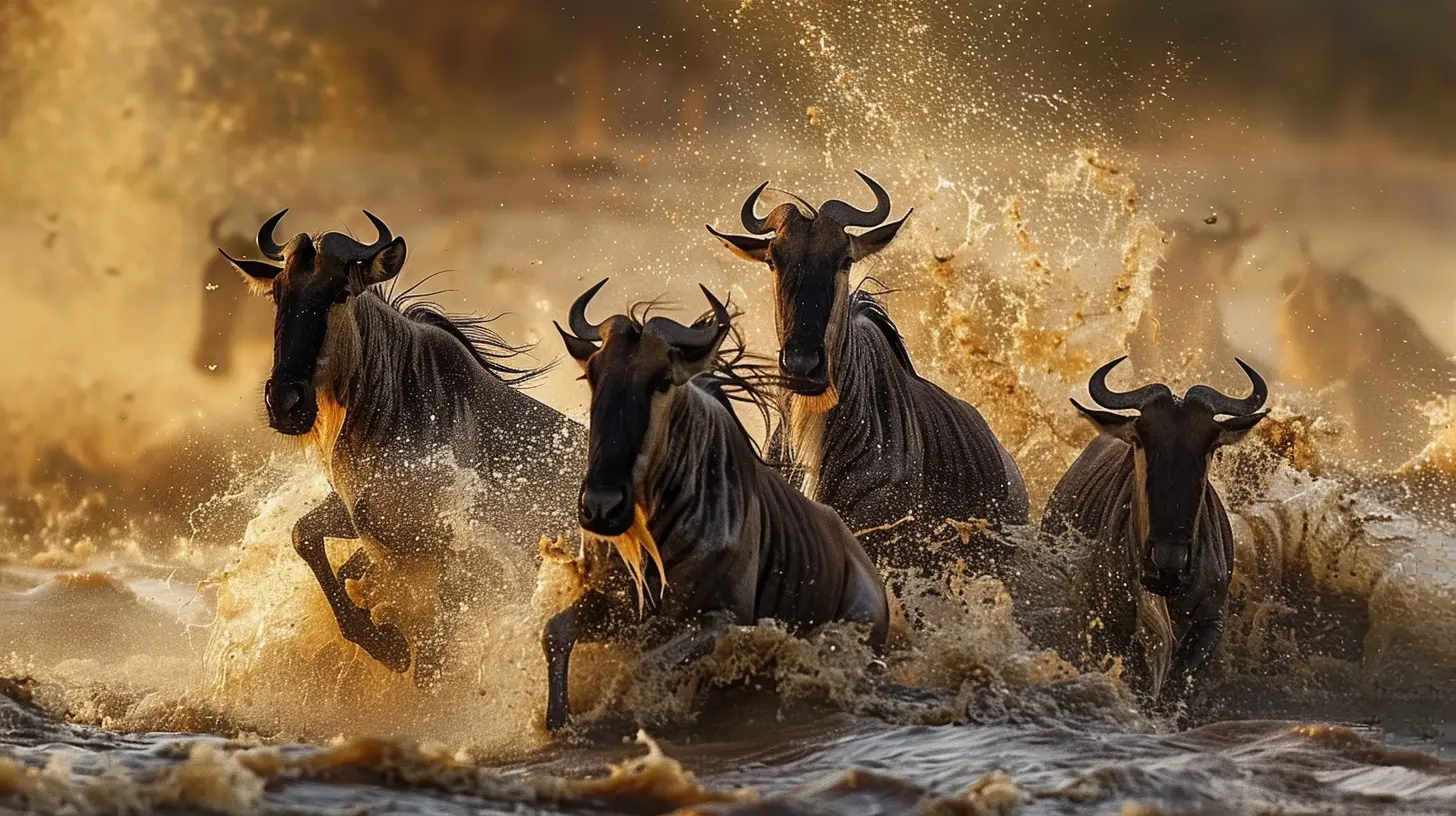
Where and When Does It Happen?
Timing is everything, folks. The Great Migration doesn’t follow a neat calendar, but here’s a rough breakdown of what to expect throughout the year:🚼 January – March: Calving Season in Southern Serengeti, Tanzania
Welcome to baby season! The lush Ndutu Plains in the southern Serengeti are like a cozy nursery, where nearly half a million calves are born within just a few weeks. It’s adorable, yes — but also a buffet for lions, hyenas, and cheetahs. Nature’s not always cuddly, right?Travel tip: This is the best time to witness predators in action and catch those Insta-perfect shots of baby wildebeest taking their first wobbly steps. Prepare for some heart-melting moments!
🌱 April – May: The Long March North
Once the buffet dries up, the herd starts moving into central Serengeti. This is when things get… mucky. April and May are rainy season months, which means lush greenery but also some seriously soggy roads. It’s less crowded, though, and you’ll still catch beautiful scenes of the migration trudging onward.Travel tip: If you don’t mind a little mud and love a good deal, this is the budget-friendly time to go!
🦓 June – July: Grumeti River Crossings
Hold onto your seat — this is where the drama peaks. The wildebeest reach the Grumeti River in western Serengeti, and let’s just say, it’s not a friendly welcome. Giant crocodiles lie in wait, jaws open and ready. Tension? Check. Chaos? Check. Hardcore survival mode? Double check.Travel tip: This period is ideal for photographers and thrill-seekers. Just don't drop your camera.
🐊 July – September: Mara River Crossings into Kenya
Now we’re talking blockbuster territory. The Mara River crossings are the climax of the migration. Picture thousands of wildebeest plunging into crocodile-infested waters, climbing slick riverbanks, some making it, some... not. It's raw. It's real. It’s nature’s version of a high-speed car chase.Travel tip: This is peak season in Kenya’s Maasai Mara. Book early and prepare to be amazed. Also, bring snacks. Watching nature's drama can work up an appetite.
🍂 October – December: Back to Tanzania
Once the grass in Maasai Mara withers, the herd heads south again, returning to the Serengeti. It’s a journey of resilience, guided by nothing more than the smell of rain and instinct. By December, they’re back in Ndutu, ready to start the madness all over again.Travel tip: November and December offer fewer tourists and stunning green landscapes — perfect for some quiet reflection (and more affordable safari rates!).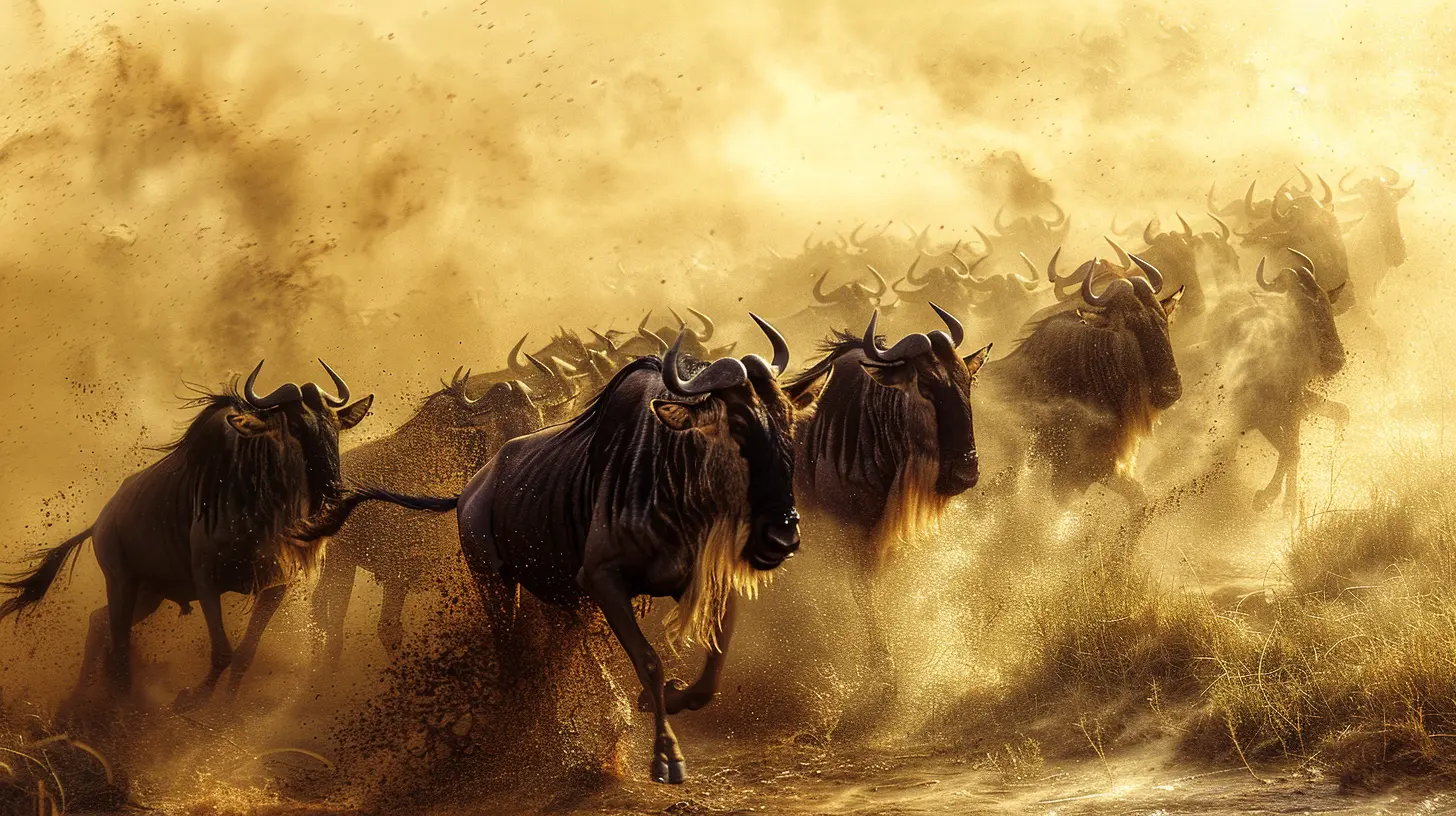
What Animals Tag Along?
Let’s not forget the entourage. Wildebeest might be the headliners, but the supporting cast deserves some love too:- Zebras: The stripes look fashionable, sure, but they also help ward off bugs. Smart and stylish.
- Thomson’s Gazelles: These little guys are fast and nimble — the sprinters of the savanna.
- Predators: Lions, cheetahs, hyenas, and leopards all capitalize on the chaos. It’s a feast… and a fight.
- Nile Crocodiles: The lurking, sneaky villains of the rivers. Silent but deadly.
It’s like the ultimate real-life wildlife documentary — no narration needed!
Why Do They Even Migrate?
Now that’s the big question, huh? The short answer: food, water, and survival.The migration is driven entirely by the weather. When one area dries up, the herds move on to greener pastures — literally. It’s a perfectly-timed, instinctual journey that keeps millions of animals alive (and lets plenty of predators eat too).
This circular movement has been happening for thousands of years. Scientists are still in awe of how the animals instinctively know where to go. Some say it’s the smell of rainfall. Others believe the herds follow ancient migratory paths etched into their DNA. Either way, it’s mind-blowing.
Quirky Facts You Didn't Know
Let’s sprinkle in some quirky trivia — because who doesn’t love fun facts?- Wildebeest are part of the antelope family, but they kind of look like a cow had a baby with a buffalo, right? Nature got creative.
- Newborn wildebeest can run within minutes of being born. Talk about hitting the ground running!
- The migration covers around 1,800 miles every year. That’s like walking from New York to Denver — in hooves.
- Zebras and wildebeest are travel buddies because zebras have great memories for routes, and wildebeest sniff out water. Teamwork makes the dream work!
- Crocodiles can go months without eating, waiting patiently for the migration buffet to swim by. Creepy, yet efficient.
How to See the Migration — Tips for First-Timers
Ready to upgrade your bucket list? Here’s how to do it right:📍 Choose Your Spot Wisely
- Serengeti (Tanzania) for lush plains, calving season, and river crossings.- Maasai Mara (Kenya) for dramatic Mara River scenes and big-cat sightings.
Both are amazing, so consider doing both if your budget allows!
🐘 Go With a Reputable Safari Operator
Don't just jump in any ol’ jeep. Look for experienced guides who know the migration patterns like the back of their hand. They'll take you to the action — safely and respectfully.🛏️ Book Early
Especially between June and September. Accommodations and safari slots fill up fast. Pro tip? Aim for tented camps for that authentic “Out of Africa” vibe.📸 Pack Smart
- Lightweight clothes (in neutral colors — leave the neon shirts at home).- Binoculars and a decent camera.
- Sunscreen, bug spray, and a sense of humor!
Ethical Safari Travel — Be a Responsible Tourist
Look, we get it. Safaris are epic, but they also impact the local environment and wildlife. Do your part:- Support locally-owned lodges and ethical tour operators.
- Don’t feed or disturb the animals. You’re a visitor in their home.
- Respect park rules and tip your guides (they’re superheroes, seriously).
Final Thoughts: It’s More Than Just a Migration
The Great Wildebeest Migration isn’t just about animals moving from point A to B. It’s a mind-blowing, soul-stirring, bucket-list-level journey that reminds us of the raw beauty and brutality of nature. It’s dusty, loud, chaotic — and completely unforgettable.You’ll leave with more than just gorgeous photos. You’ll carry home an appreciation for the wild, for resilience, and for the crazy, wonderful way life finds a way.
So… what are you waiting for? The wildebeest are on the move. Are you?
all images in this post were generated using AI tools
Category:
Africa TravelAuthor:

Ian Powell
Discussion
rate this article
2 comments
Jocelyn Cummings
Witnessing the Great Wildebeest Migration is an unforgettable adventure that showcases nature's beauty and the circle of life. Don't miss it!
March 7, 2026 at 3:27 AM
Ian Powell
Absolutely! The Great Wildebeest Migration is a breathtaking spectacle that beautifully highlights the wonders of nature. It's a must-see for any adventure seeker!
Martha Potter
Thank you for this informative article! The Great Wildebeest Migration truly showcases the beauty of nature in Tanzania and Kenya.
February 22, 2026 at 5:59 AM
Ian Powell
Thank you for your kind words! I'm glad you found the article informative. The migration is indeed a breathtaking spectacle of nature!