Experience Nature’s Drama: Tracking Wolves in Yellowstone
31 January 2026
Have you ever wondered what it’s like to stand face-to-face with some of the wildest creatures on earth? To witness the raw beauty of nature in action, where every howl echoes a story of survival? Well, buckle up because we’re about to dive into one of the most exciting wildlife experiences out there—tracking wolves in Yellowstone National Park.
Yellowstone’s sprawling wilderness is no fairy tale; it’s a place where nature rules supreme. And at the heart of this epic landscape lives one of North America’s most iconic predators—the wolf. Join me as we unpack the thrill, the chills, and everything in between about tracking these majestic creatures in their natural habitat.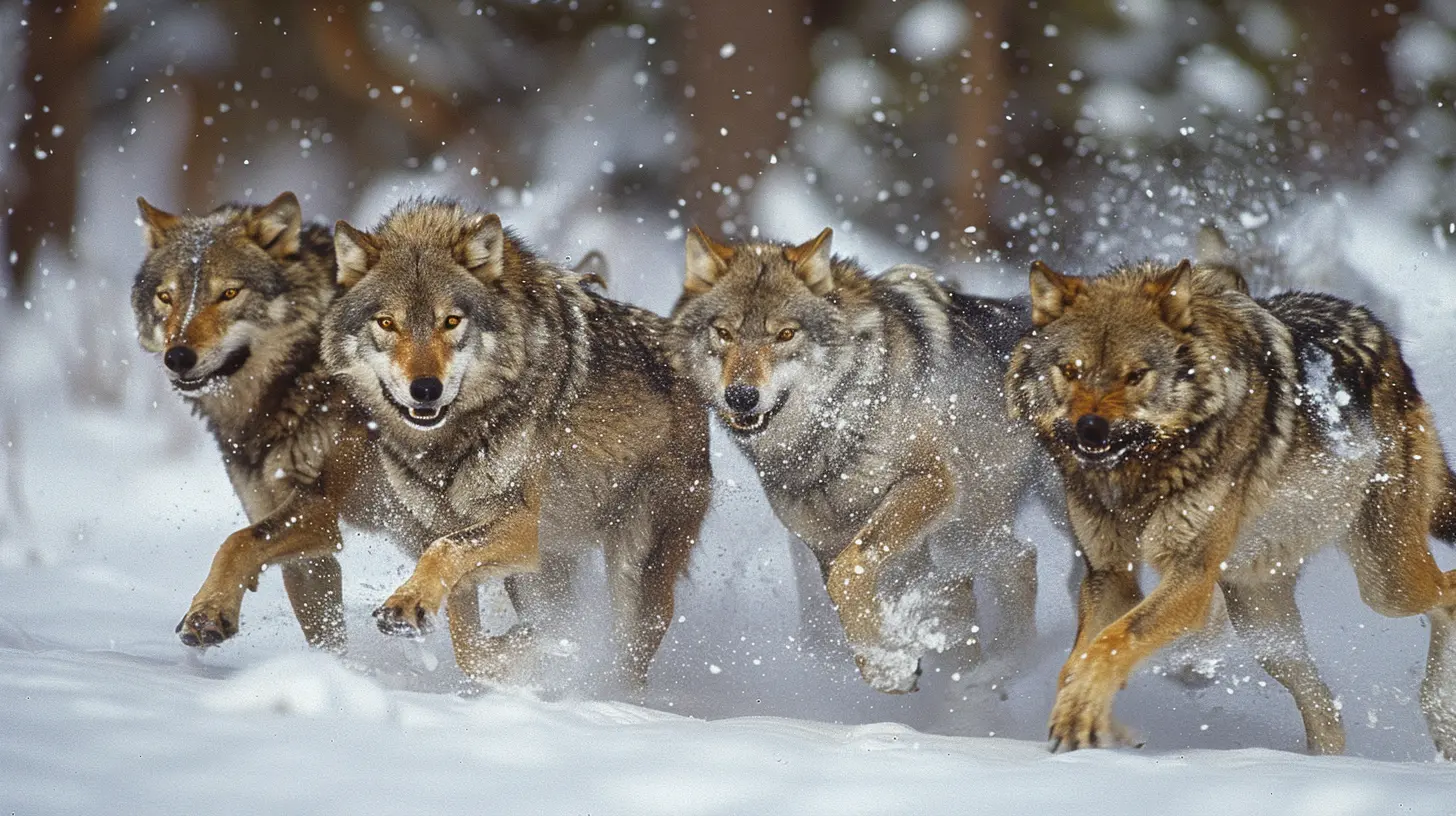
Why Yellowstone Is a Prime Wolf-Watching Destination
Yellowstone is no ordinary national park. Spanning three states—Wyoming, Montana, and Idaho—it’s a land of geysers, hot springs, and wildlife galore. But perhaps its most compelling residents are the wolves. They’re not just tourists’ darlings; wolves are a cornerstone of Yellowstone’s delicate ecosystem balance.Back in the mid-1990s, wolves were reintroduced to Yellowstone after nearly 70 years of absence due to hunting and habitat loss. Since then, they’ve flourished, and their presence has transformed the park in remarkable ways, helping keep other animal populations in check and even rejuvenating vegetation along riversides.
Today, Yellowstone is home to approximately 100 wolves spread across 8-10 packs. And tracking them—well, let’s just say it’s like stepping into a National Geographic documentary. 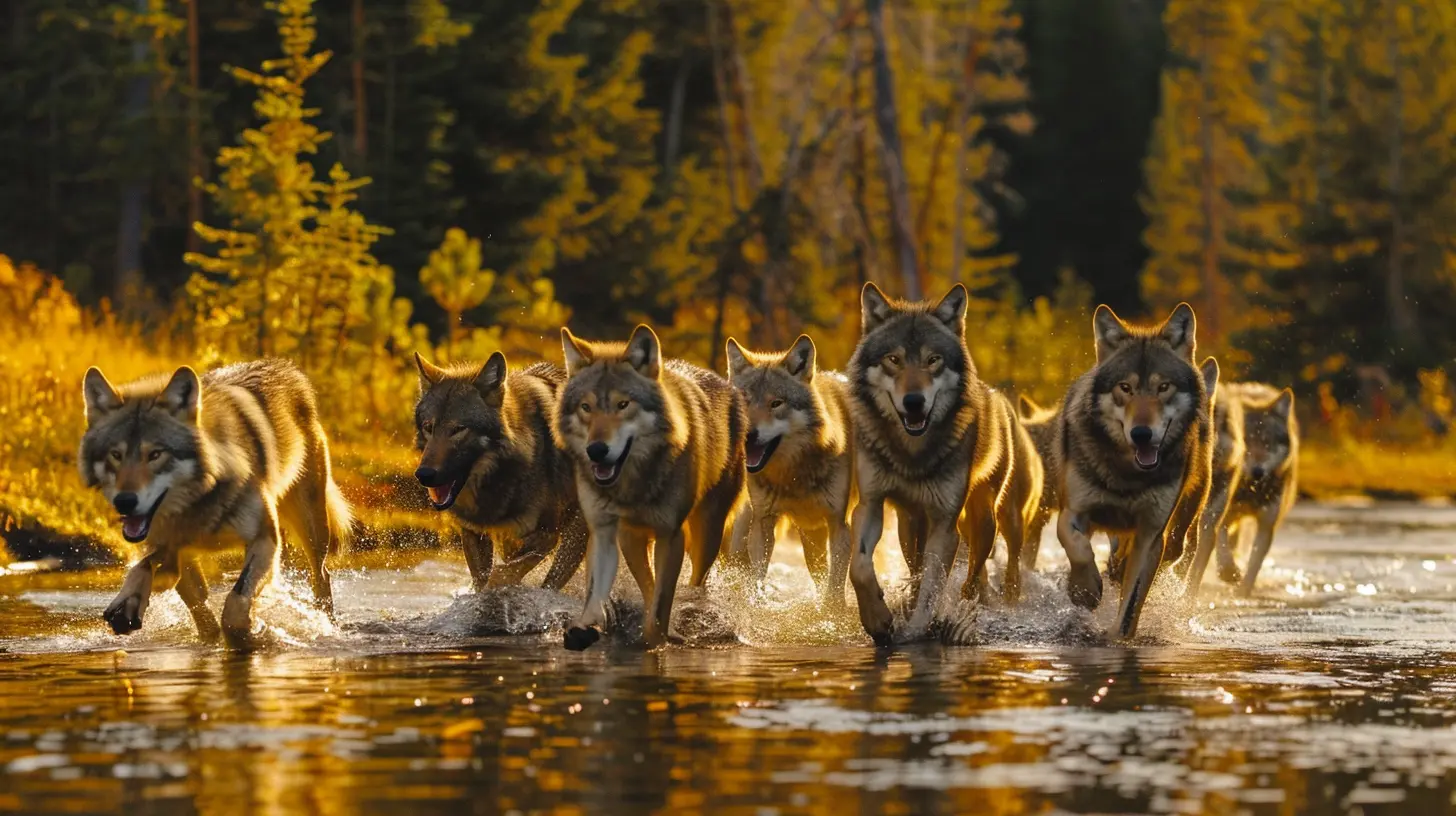
What Makes Wolf Tracking So Thrilling?
Have you ever felt that electric jolt of excitement, like when you catch the first notes of your favorite song live? That’s wolf tracking in a nutshell. It’s not just spotting wildlife; it’s unraveling the untamed drama of nature.Wolves are elusive, intelligent, and incredibly social creatures. Observing them means you're witnessing more than just an animal—it’s an entire community with its own rules, hierarchy, and drama. From hunting strategies to playfulness between pups, every moment is raw and real. And trust me, there’s nothing quite like hearing a wolf howl in the distance. It’s haunting yet beautiful, like a lullaby from the wild.
When and Where to Start Your Adventure
Best Times for Wolf Watching
Timing is everything when it comes to wolf tracking. Generally, the best times to see wolves in Yellowstone are early mornings and late afternoons. Wolves are most active during these hours, hunting or traveling with their pack.If you’re planning your trip, winter is hands-down the best season to maximize your chances. The snow-covered landscape acts like a giant white canvas, making it easier to spot the wolves against the backdrop. Plus, fewer tourists in the park mean fewer distractions from the serene silence of the wild.
Top Spots for Wolf Tracking
When it comes to wolf-watching hotspots, you can’t beat Lamar Valley and Hayden Valley. Known as the “Serengeti of North America,” Lamar Valley boasts wide-open spaces perfect for tracking wildlife. Hayden Valley is another gem, offering stunning vistas teeming with elk, bison, and—you guessed it—wolves.Pro tip: Bring along binoculars or, better yet, a spotting scope. Wolves rarely come close to humans, and you’ll thank yourself for the extra zoom.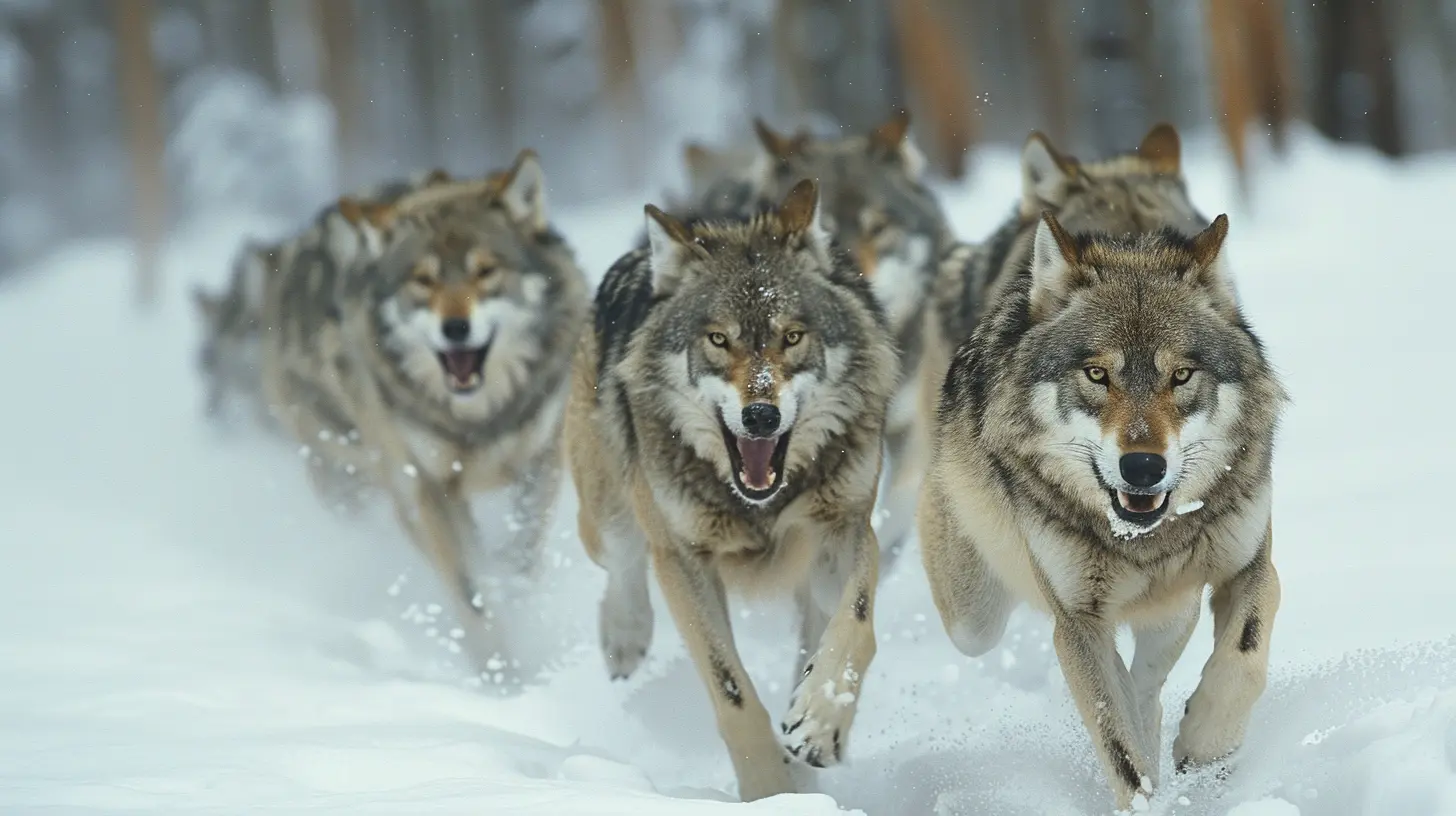
How to Track Wolves Like a Pro
Alright, let’s talk strategy. Tracking wolves isn’t just about stumbling across them randomly (though that would be awesome). It’s a skill that combines patience, preparation, and a dash of luck. Here are some tips to make the most of your adventure:1. Team Up with an Expert Guide
Sure, you could wander the park solo, but let’s be real: wolf tracking is an art. Guided tours, like those offered by Yellowstone Forever or other local outfits, are your best bet. These guides know the wolves’ territories, habits, and even pack dynamics. Plus, they’re equipped with radios to communicate with other wildlife enthusiasts about sightings.2. Be Patient and Stay Quiet
Remember, you’re on their turf, not the other way around. Wolves are incredibly aware of their surroundings, so any noise or sudden movement could scare them off. Dress warmly, sit tight, and let nature come to you.3. Learn to Read the Signs
Wolves leave clues, and spotting them is like piecing together a puzzle. Look for tracks in the snow (a wolf print is larger than a dog’s), scat, or even howling in the distance. Each sign pulls you closer to the action.What to Bring for Your Wolf-Tracking Adventure
Like any great quest, preparation is key. Here’s your ultimate wolf-tracking checklist:- Binoculars or Spotting Scope: Get up close without actually getting up close.
- Warm Clothing: Layers are your best friend, especially during those frosty winter mornings.
- Comfortable Shoes: You’ll likely be hiking or standing for long periods—don't skimp on footwear.
- Snacks and Water: Trust me, you’ll work up an appetite.
- Camera: Capture those unforgettable moments, but don’t forget to soak it in with your own eyes too.
Pro tip: While a smartphone camera might cut it for landscapes, a DSLR with a zoom lens is your best option for wildlife shots.
The Ethical Side of Wolf Watching
As exhilarating as wolf tracking is, it’s important to remember that these are wild animals, not showpieces. Be respectful. Keep your distance—at least 100 yards is the recommended minimum. Avoid feeding or trying to interact with wolves. The goal is to observe without interfering.Yellowstone’s wolves have already overcome immense challenges, from near-extinction to adapting in a world increasingly influenced by humans. Let’s do our part to ensure they continue thriving.
Wrap-Up: A Once-in-a-Lifetime Experience
Tracking wolves in Yellowstone isn't just a bucket list item; it’s an experience that changes you. It’s about reconnecting with nature, witnessing its unfiltered reality, and gaining a newfound respect for the creatures that call this wilderness home.Whether you’re an avid wildlife enthusiast or just someone looking for a unique adventure, Yellowstone’s wolves deliver a story you’ll carry with you forever. So, are you ready to answer the call of the wild? Because trust me, once you hear that ethereal howl, you’ll never forget it.
all images in this post were generated using AI tools
Category:
Wildlife EncountersAuthor:

Ian Powell
Discussion
rate this article
2 comments
Patricia Gilbert
Tracking wolves in Yellowstone offers an unforgettable glimpse into nature's raw beauty and complexity. Witnessing these majestic creatures in their natural habitat is a must for any wildlife enthusiast, bringing the thrill of adventure and connection to the wild.
February 21, 2026 at 5:31 AM
Ian Powell
Thank you! Experiencing wolves in Yellowstone truly highlights the beauty and intricacy of nature, making it an essential adventure for all wildlife lovers.
Xylo Anderson
Tracking wolves sounds amazing! Just remember: don’t try to pet them—unless you want to become a snack!
February 3, 2026 at 4:30 AM
Ian Powell
Haha, great advice! Respecting their wild nature is key to truly enjoying the experience. Thanks for the comment!