Diving Deep: Exploring the Great Barrier Reef’s Sea Life
8 December 2025
Imagine a place so vibrant, so wildly alive, it feels like you’ve stepped into another universe. That’s what diving into the Great Barrier Reef is like. It’s not just an underwater adventure—it’s an emotional rollercoaster wrapped in a wetsuit. Whether you're an experienced diver or a curious first-timer, the reef promises one thing: awe. Let’s dive into why this natural wonder isn’t just worth visiting—it’s essential for anyone craving a real connection with the wild side of our planet.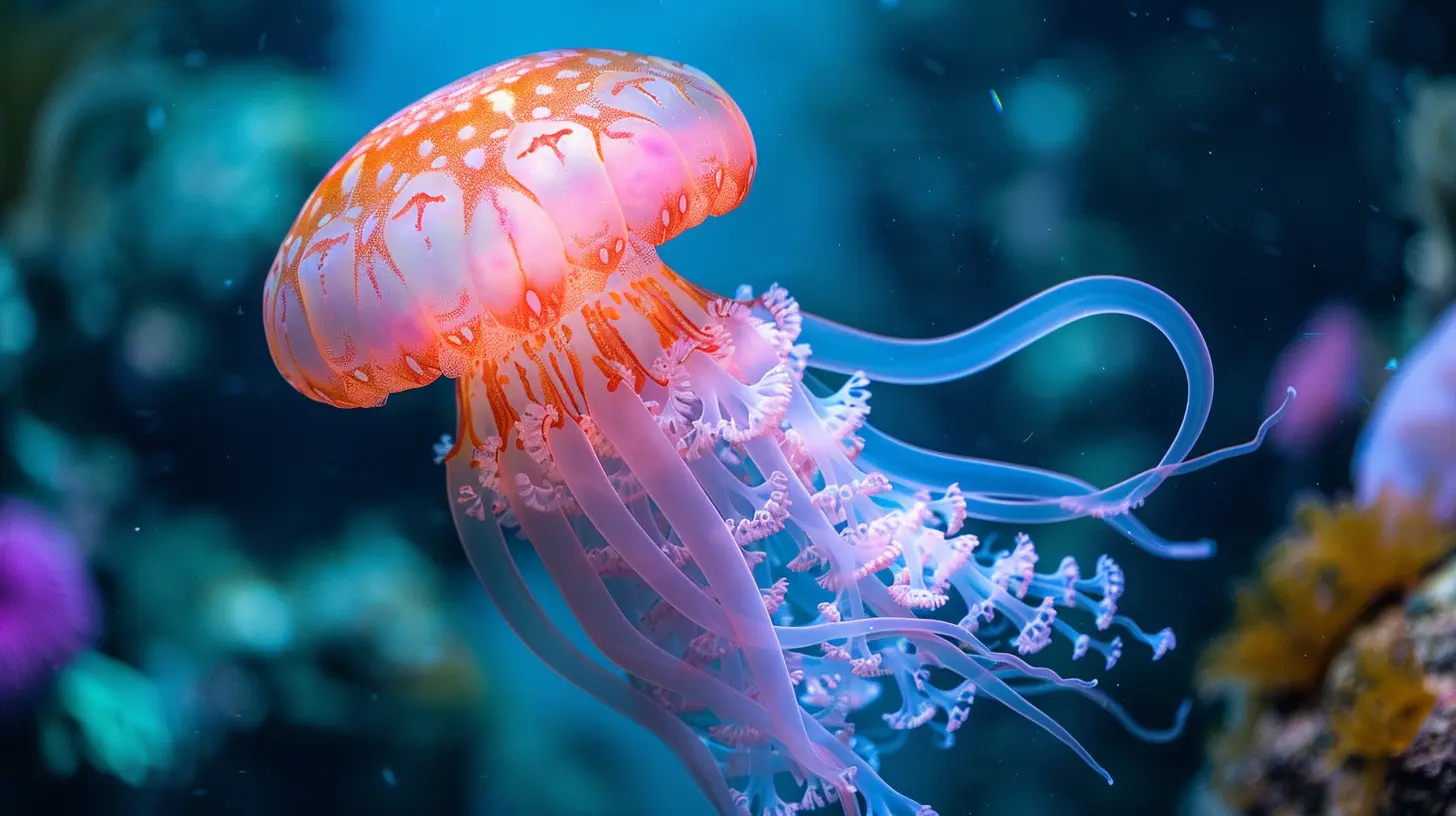
What Makes the Great Barrier Reef So Special?
Stretching over 2,300 kilometers along the northeast coast of Australia, the Great Barrier Reef is the largest coral reef system on Earth. It’s visible from space. Yeah, you read that right—space.But beyond its jaw-dropping size, it’s home to thousands of marine species. We’re talking fish of every imaginable color, giant clams the size of bathtubs, neon nudibranchs (they’re like underwater confetti), sea turtles that glide like wise old souls, and of course, the ever-charming clownfish hiding in their anemone homes like little pranksters.
So, why is this reef such a big deal? Because it’s one of the most biodiverse ecosystems on the planet. It’s a Living Eden. And like all Edens, it’s fragile.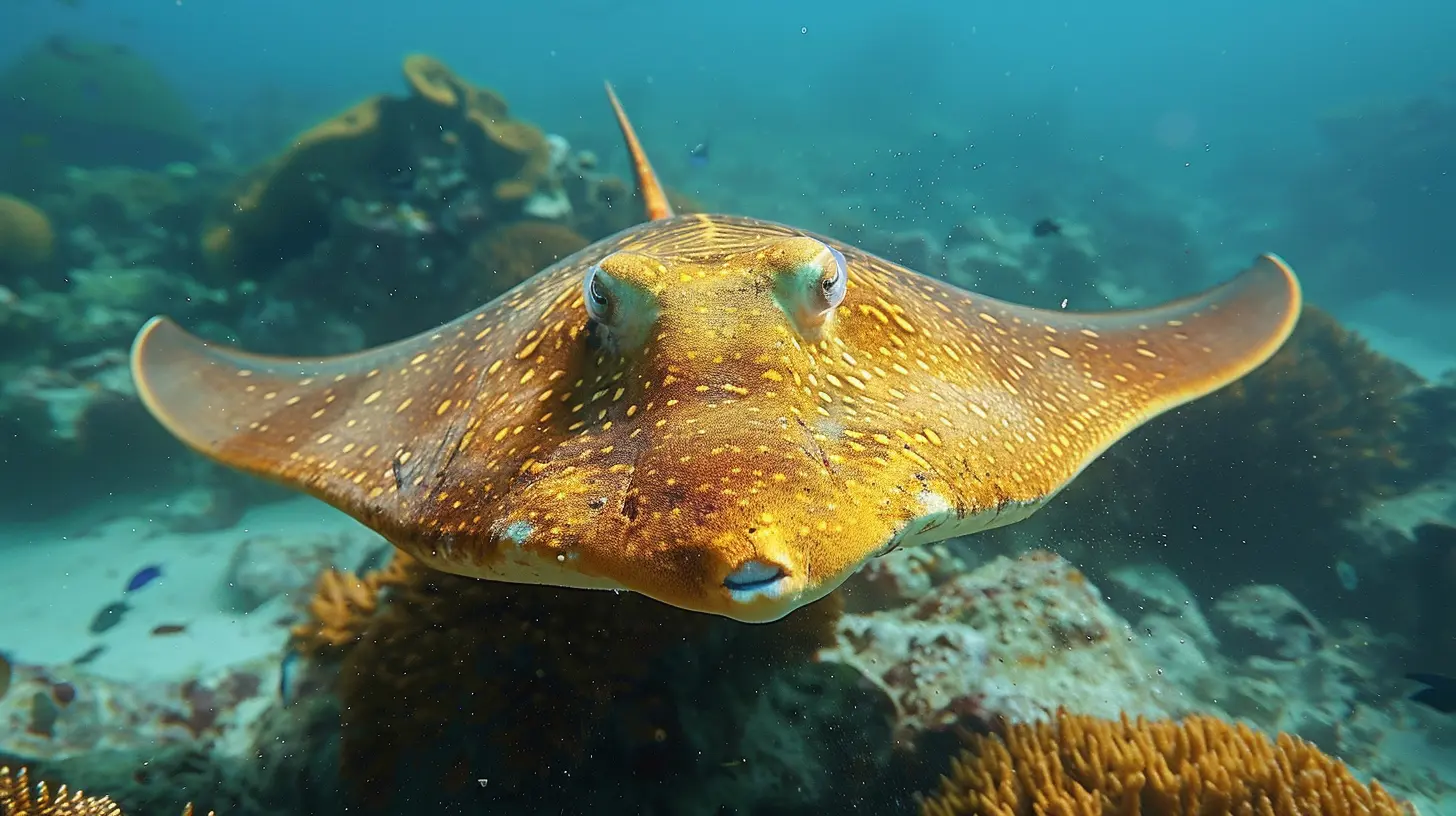
A Kaleidoscope of Coral: More Than Just Pretty Colors
People hear “coral reef” and think of colorful rocks. But here’s the thing: coral is alive. It’s a complex community of tiny creatures called polyps. They build vast structures over time—generations upon generations of hard work. It’s like the ultimate underwater condo complex!There are hard corals that look like antlers or boulders, and soft corals that sway with the current like underwater dancers. Each type plays a role in the balance of this aquatic metropolis. They shelter creatures, break waves to protect the coastline, and even help regulate carbon in the ocean.
But here’s the kicker—corals are touchy. A slight change in water temperature? Boom. Bleaching. Pollution? Boom. Death. They need our care like a houseplant that’s too dramatic for its own good. But once you see them in their full glory? You’ll gladly fight to keep them alive.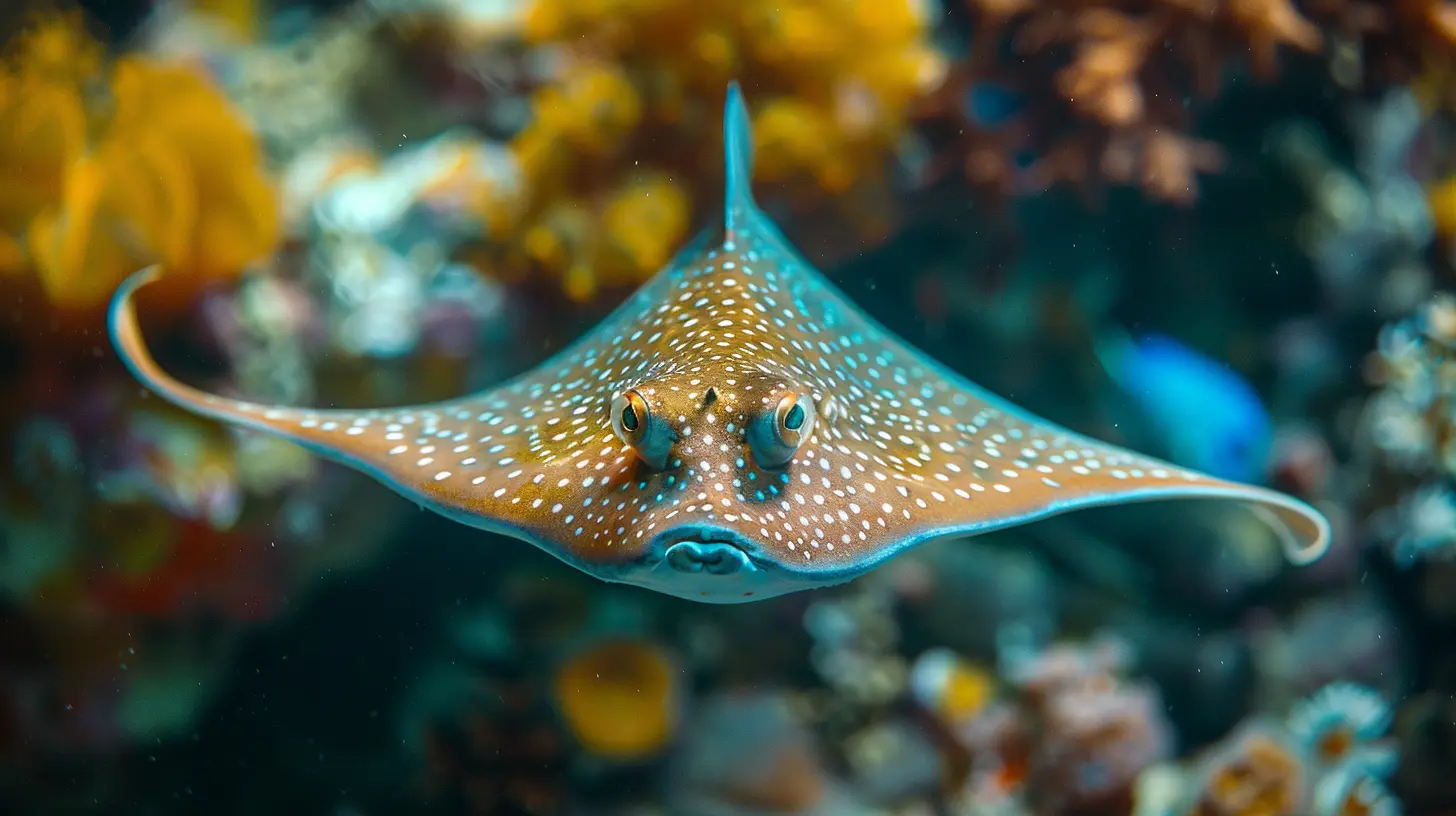
Fish Frenzy: Who’s Who in the Reef
You’ve never seen such a party underwater. It's like Times Square on New Year’s Eve, just with more fins.- Clownfish: You probably know them from a certain animated movie. But in real life, these little guys are even more charming. They have a symbiotic relationship with sea anemones, living among the stinging tentacles totally unharmed. It's like living in a haunted house and being best friends with the ghosts.
- Parrotfish: These beautiful herbivores chomp on coral with beak-like mouths and poop out sand. Yes, the white sandy beaches? Parrotfish poop. Nature works in mysterious (and slightly gross) ways.
- Giant Trevally: Fast, fierce, and kind of scary-looking, these guys are the apex predators of the reef. Watching them hunt in packs is like watching your favorite action movie play out in real time.
- Reef Sharks: Despite their ominous reputation, reef sharks are shy and usually keep to themselves. But spotting one gliding quietly below you? It’ll give you chills (the good kind).
- Manta Rays: Graceful, majestic, and enormous. Watching them swoop and glide is like seeing ballet in slow motion. You can't help but feel small in the best possible way.
The reef is home to over 1,500 species of fish. It's a full cast of characters, each with their own role in this underwater drama. Every dive brings a new encounter, a new story to tell.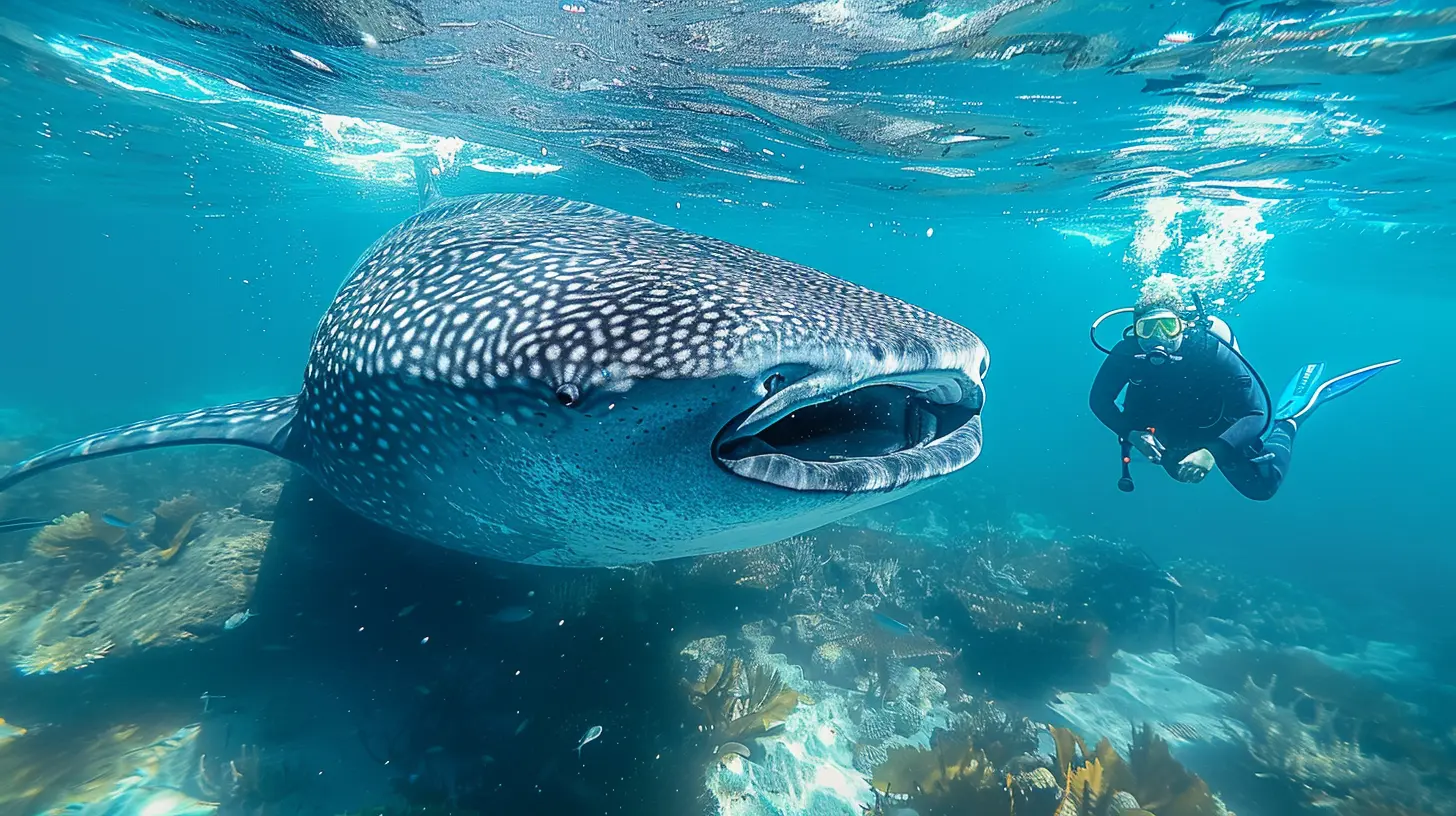
Sea Turtles: The Gentle Elders of the Ocean
Let’s talk turtles. If you’re lucky, you might catch a glimpse of a green sea turtle munching on some seagrass or lazily swimming past. These ancient mariners have been around for over 100 million years. They’ve seen the dinosaurs come and go. They’ve seen continents shift. And yet, here they are, sharing a swim with you.It’s humbling, isn’t it?
There are six species of sea turtles found in the reef, including the endangered loggerhead and the adorable (yes, adorable) hawksbill. They remind you to slow down, take it all in, and respect the pace of nature.
Dolphins and Dugongs: The Unexpected Guests
You might not expect to find large mammals here, but surprise—there are dolphins and dugongs too!- Dolphins: Ever the performers, you’ll see them leaping and playing in the open waters, especially around the reef’s outer edges.
- Dugongs: These gentle giants are like aquatic cows, grazing quietly on underwater seagrasses. They’re shy and elusive, but spotting one feels like winning the marine lottery.
Their presence is a sign that the reef’s ecosystem is still functioning, still nurturing life in its countless forms.
Nudibranchs and the Micro Marvels
Let’s zoom in. Way in. Beyond the flashy fish and the big mammals, there’s a miniature world full of tiny, extraordinary creatures.Enter the nudibranchs—the showstoppers of the underwater macro world. These sea slugs are wildly colorful, with patterns that look like they belong on the runway in Milan. They’re tiny—but mighty in charm.
Then there are feather stars, tiny shrimp, pipefish, and miniature crabs that live among coral branches or inside sponges. This is where diving turns into a treasure hunt. Every crevice holds a new surprise, a pop of color, a dance of delicate limbs.
It’s a reminder that even the smallest things matter—and often, they’re the most magical.
Night Diving: Seeing the Reef in a New Light
So far, we’ve talked about daylight diving. But what if I told you the reef has a whole other personality when the sun goes down? Seriously, it’s like someone switched the channel from Discovery to Sci-Fi.During a night dive, you’ll see glowing corals under your flashlight, sleeping parrotfish in mucus bubbles (yeah, it’s a thing), and nocturnal predators like octopuses and moray eels coming out to hunt.
It’s a totally different vibe—silent, mysterious, and totally hypnotic. Like sneaking around nature’s secret after-party.
The Human Impact: A Fragile Paradise
Now, here comes the honest part. As mind-blowing as the reef is, it’s under serious threat. Climate change is warming the waters, causing widespread coral bleaching. Pollution and overfishing make things worse. And yeah, even tourism—when not done responsibly—can take its toll.But there’s good news. People are stepping up. From local reef guardians and marine biologists to eco-conscious travelers like you and me, there’s a growing effort to protect this underwater gem. Choosing eco-certified dive operators, avoiding single-use plastics, and supporting reef-friendly tourism all help.
Because here’s the deal: we don’t just visit the reef. We become part of its story.
What It Feels Like to Dive the Great Barrier Reef
Let me paint you a picture.You’re floating weightless, suspended between sea and sky, watching a sea turtle glide past as rays of sun pierce the water like spotlights. Fish dart around you like confetti in a wind tunnel. Your breath is the only sound, rhythmic and calming.
Time stops.
And for those brief moments, you’re not just a tourist. You’re part of something older, bigger, and infinitely more beautiful than any screen or textbook could ever describe.
Diving the Great Barrier Reef isn’t just a bucket-list item. It’s a soul-stirring experience. It changes you. And once you’ve seen it with your own eyes, you’ll understand why it needs protecting—not someday, but now.
Tips If You're Planning to Dive the Reef
Thinking about making the trip? Good on ya! Here are a few quick tips to make your visit eco-friendly and unforgettable:- Choose the Right Season: May to October offers the best visibility and weather.
- Go With Reputable Dive Operators: Look for eco-certification and sustainability commitments.
- Don’t Touch the Coral: It’s fragile. Even a gentle tap can cause damage.
- Use Reef-Safe Sunscreen: Chemicals in regular sunscreen can harm corals.
- Respect the Wildlife: No chasing turtles or poking pufferfish, okay?
- Stay Curious: Ask questions, learn from the guides, and soak it all up.
Final Thoughts: The Reef Is Calling
Let’s be real—there are plenty of beautiful places in the world. But the Great Barrier Reef? It’s in a league of its own. It’s a kaleidoscope of life, color, and wonder, just waiting for you to dive in and be amazed.But it needs us. Not just as wide-eyed visitors, but as protectors. As storytellers. As advocates. Because once you’ve seen its beauty, felt its energy, and swam alongside its residents, you’ll want it to last forever.
The reef has given us memories, inspiration, and joy. It’s time we give something back.
all images in this post were generated using AI tools
Category:
Wildlife EncountersAuthor:

Ian Powell
Discussion
rate this article
2 comments
Renee Wyatt
Every dive unveils nature's intricate beauty and fragility.
December 12, 2025 at 5:32 PM
Ian Powell
Thank you! Diving truly reveals the delicate balance of life beneath the waves.
Elizabeth Daniels
Excellent insights on the Great Barrier Reef! Your passion for marine life truly shines through.
December 12, 2025 at 5:38 AM
Ian Powell
Thank you so much! I'm thrilled you enjoyed the article and share my passion for the Great Barrier Reef!