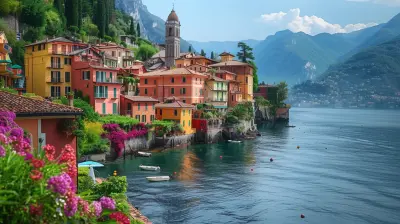
Cultural Journeys: UNESCO World Heritage and Local Traditions
2 June 2026
Traveling isn’t just about visiting new places; it’s about diving deep into the heart and soul of different cultures. Some destinations hold stories that span centuries, preserving history, architecture, and local traditions. This is where UNESCO World Heritage sites step in—these are places so valuable to humanity that they deserve protection for future generations.
But what makes these sites so special? And how do they intertwine with the local traditions of the communities that surround them? Let’s embark on a cultural journey through some of these incredible locations and see how they keep the past alive.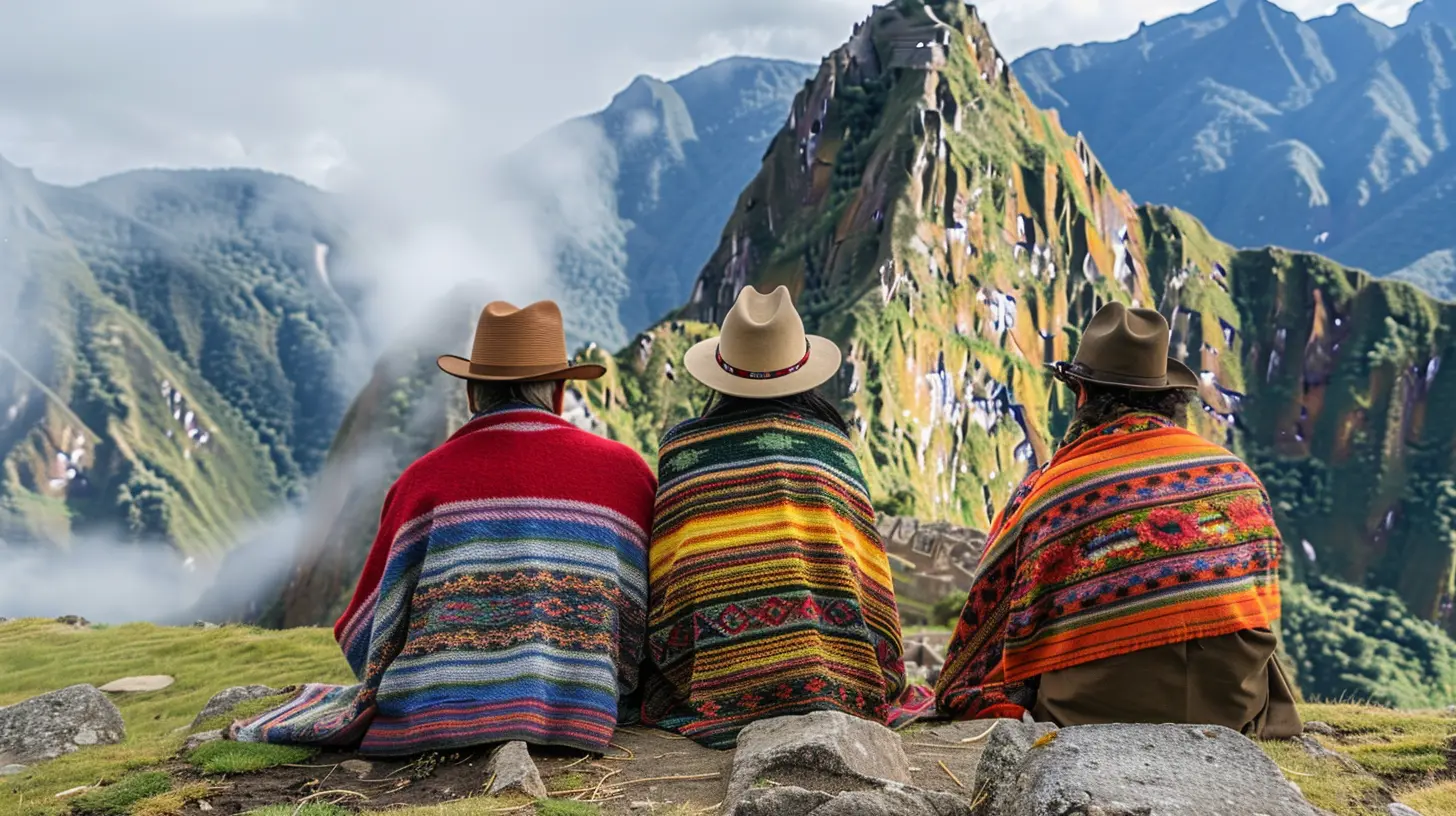
What Is a UNESCO World Heritage Site?
Before we dive into specific sites, let’s get the basics straight. UNESCO (United Nations Educational, Scientific and Cultural Organization) designates certain places around the world as World Heritage sites due to their cultural, historical, or natural significance. Think of them as the crown jewels of our planet—places that tell timeless stories of civilizations, traditions, and nature’s wonders.These sites fall into three main categories:
- Cultural Heritage – Landmarks that hold historical or artistic value, such as ancient ruins, religious temples, or medieval towns.
- Natural Heritage – Stunning landscapes, wildlife habitats, or geological wonders that deserve conservation.
- Mixed Heritage – A perfect blend of both cultural and natural significance, such as sacred mountains or ancient settlements surrounded by breathtaking scenery.
Each of these places has its own unique character, but what truly brings them to life are the local traditions that have been passed down for generations.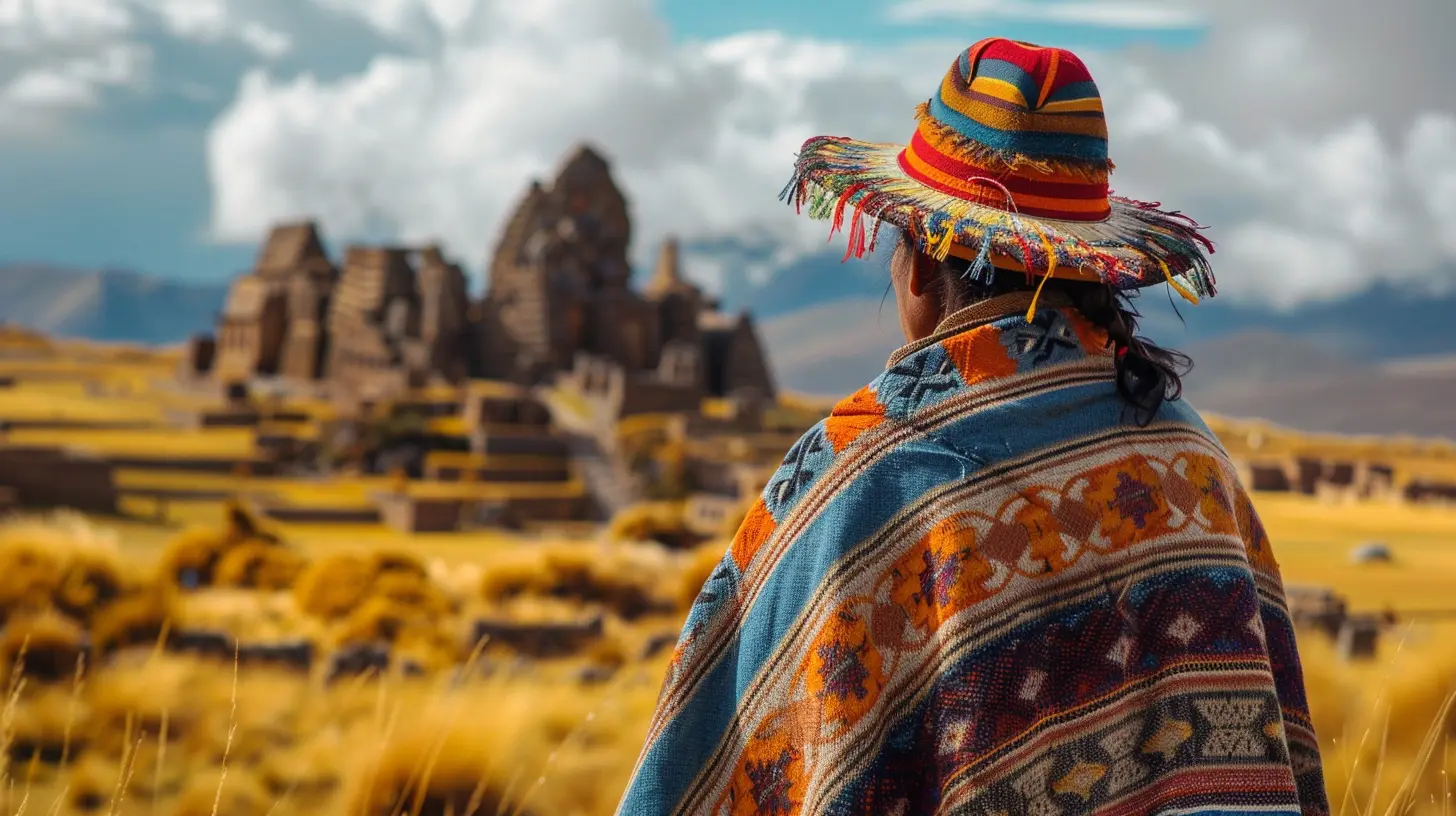
The Connection Between Heritage Sites and Local Traditions
A UNESCO site isn’t just about bricks, stones, or landscapes—it’s about the lifeblood of the people who live around them. The customs, festivals, crafts, and traditional lifestyles of these communities play a huge part in preserving the spirit of these locations.Imagine walking through the ancient streets of Kyoto, where tea ceremonies and geisha performances still thrive. Or picture yourself in the shadow of the Pyramids of Giza, where Egyptian artisans maintain age-old techniques passed down from their ancestors. These traditions create an unbreakable bond between the past and the present.
Now, let’s take a journey through some of the world’s most fascinating UNESCO sites and the living traditions that keep them vibrant.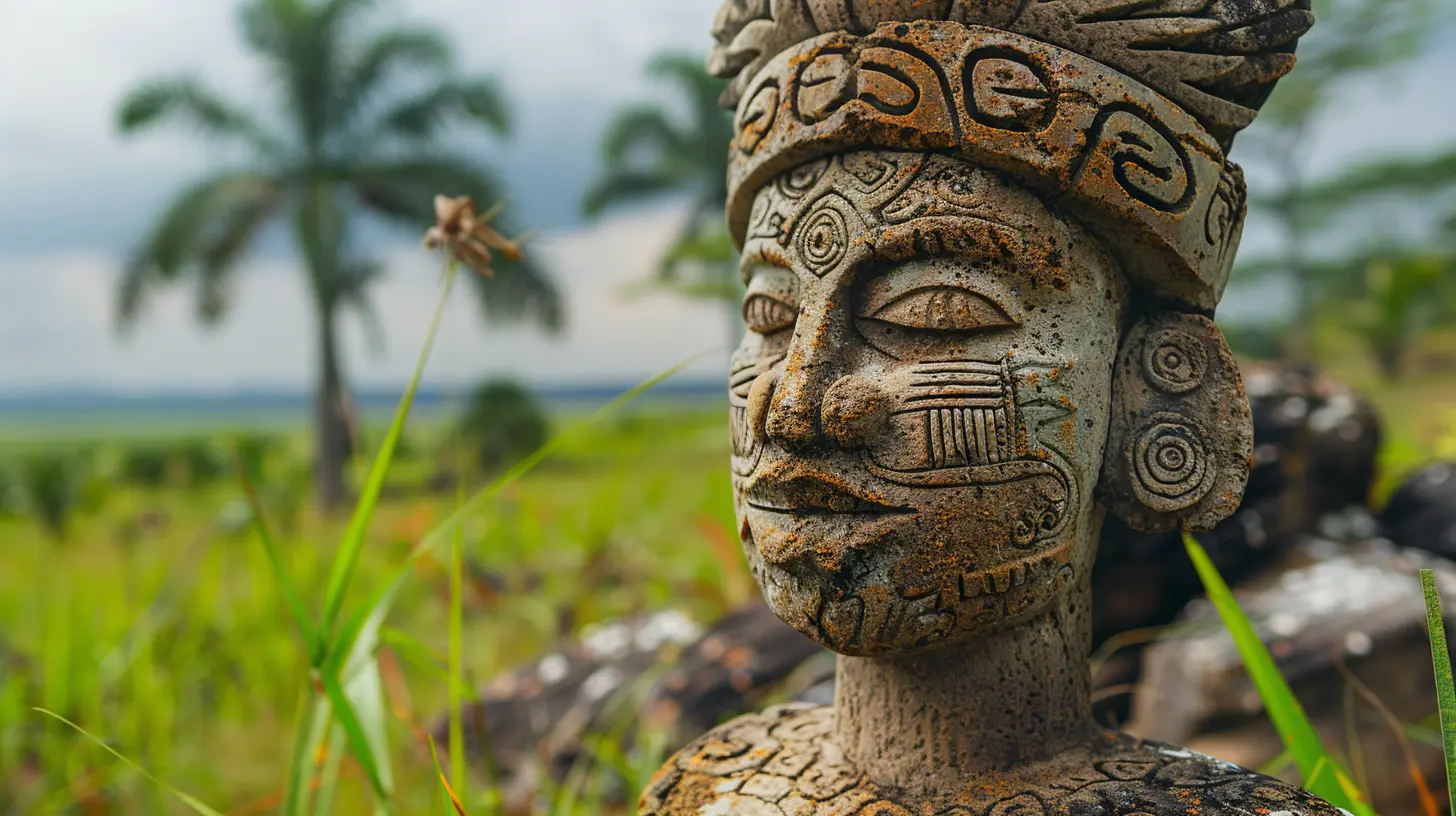
1. Machu Picchu, Peru – The Living Legacy of the Incas
Machu Picchu is one of the most breathtaking ancient cities ever uncovered. Nestled high in the Andes Mountains, this Incan citadel tells the tale of a civilization that thrived long before European explorers set foot in South America.But Machu Picchu isn’t just about stunning stone structures—it’s about the traditions that have endured for centuries. The indigenous Quechua people still practice age-old ceremonies, weaving intricate textiles and performing spiritual rituals to honor nature and their ancestors. Visitors can even participate in traditional Pachamama (Mother Earth) offerings, where locals give thanks to the land that sustains them.
The beauty of Machu Picchu isn’t just in its ruins—it’s in the echoes of ancient traditions that still resonate through the valleys.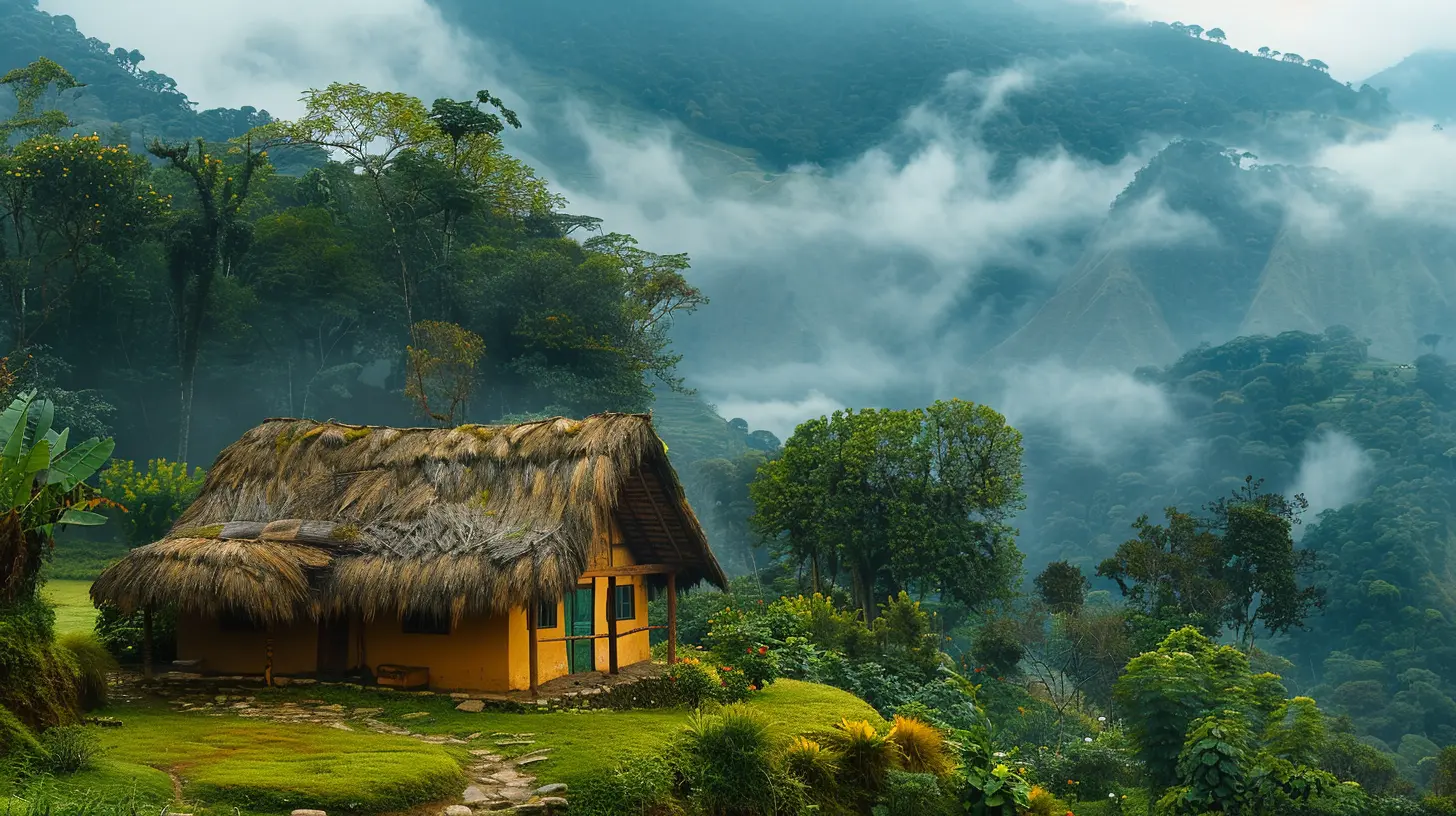
2. Kyoto, Japan – Where Tradition Meets Tranquility
If there’s one city that embodies the essence of old-world Japan, it’s Kyoto. As a UNESCO-listed cultural heritage site, Kyoto is a treasure trove of historic temples, shrines, and traditional wooden houses.One of the most captivating traditions here is the ancient tea ceremony. More than just drinking tea, it’s a meditative practice that embodies harmony, respect, and tranquility. The city is also famous for its kimono culture, where skilled artisans continue to craft exquisite fabrics that tell stories through intricate designs.
And let’s not forget the ethereal world of geishas—highly trained performers who keep Kyoto’s artistic heritage alive with mesmerizing dance and music.
Every street, every temple, and every cup of tea in Kyoto carries the legacy of Japan’s rich past.
3. Petra, Jordan – The Rose City and Bedouin Traditions
Petra, the ancient city carved into red sandstone cliffs, is one of the most jaw-dropping UNESCO sites in the world. But beyond the grand facades and tombs, the nomadic Bedouin people have kept their culture alive in these desert landscapes for centuries.The Bedouins of Petra still follow age-old traditions, from storytelling under starlit skies to brewing aromatic Bedouin tea infused with sage and cardamom. Their hospitality is legendary—visitors are often welcomed with warm smiles, a steaming cup of tea, and tales of the desert’s history.
Modern development has changed aspects of their lifestyle, but their deep connection to the land and their customs remain an integral part of Petra’s magic.
4. Fez, Morocco – A Window Into the Past
Stepping into Fez is like stepping back in time. This Moroccan city, home to the world’s oldest university and a labyrinth-like medina, is a UNESCO World Heritage site bursting with culture.One of the most vibrant traditions in Fez is the art of tanning leather. At the famous Chouara Tannery, workers use age-old techniques to treat leather in strikingly colorful dye pits. The process may be tough, but it’s a skill that has been passed down for generations.
Fez’s local souks (markets) also offer a sensory overload of sights, sounds, and scents—spices, carpets, ceramics, and handcrafted goods that reflect Morocco’s deep-rooted artisanal heritage.
Every corner of Fez whispers secrets of the past, kept alive by the hands and hearts of its people.
5. Varanasi, India – The Spiritual Capital
Varanasi is not just a city—it’s a spiritual experience. As one of the world’s oldest continuously inhabited cities, this sacred Hindu pilgrimage site along the Ganges River holds deep religious and cultural significance.One of the most mesmerizing traditions in Varanasi is the Ganga Aarti ceremony. Every evening, priests perform a stunning ritual by the riverbanks, offering fire, flowers, and prayers to the sacred Ganges. It’s a sight that leaves visitors in awe—an experience of faith, devotion, and timeless tradition.
Silk weaving is another craft deeply rooted in Varanasi’s culture. Artisans have been weaving luxurious Banarasi silk sarees for centuries, a tradition that continues to thrive in the bustling alleyways of the city.
Varanasi is more than just a holy city—it’s a living testament to India’s deep spiritual and cultural heritage.
Why Cultural Journeys Matter
Visiting UNESCO sites isn’t just about sightseeing—it’s about connecting with the soul of a place. These destinations give travelers the chance to walk through history, experience authentic traditions, and witness how heritage is preserved through generations.And here’s the thing—culture isn’t frozen in time. Traditions evolve, adapt, and sometimes even struggle to survive in a rapidly changing world. That’s why supporting local communities, respecting their customs, and immersing ourselves in these experiences can play a huge role in keeping traditions alive.
So, the next time you plan a trip, don’t just tick off landmarks from a list. Dive deeper. Talk to the locals, join a traditional ceremony, learn a craft, and truly absorb the essence of the place. After all, the best souvenirs aren’t things—they’re the stories and connections you bring back home.
all images in this post were generated using AI tools
Category:
Unesco SitesAuthor:

Ian Powell