Cruising for Whales: Unforgettable Whale-Watching Expeditions
14 February 2026
Picture this: you're on a boat, the salty ocean breeze teasing your hair, the scent of adventure thick in the air. The water ripples, and suddenly, an enormous creature breaks the surface—spraying mist into the golden sunlight. Your heart skips a beat as you witness one of nature’s most awe-inspiring spectacles.
Whale watching is more than just another tourist activity—it’s an experience that leaves you humbled, amazed, and maybe even a little teary-eyed. But before you set sail, let’s talk about why this is an absolute must for any travel bucket list, what to expect, and where to go for the ultimate whale-watching adventure.
Why Whale Watching is a Bucket-List Must
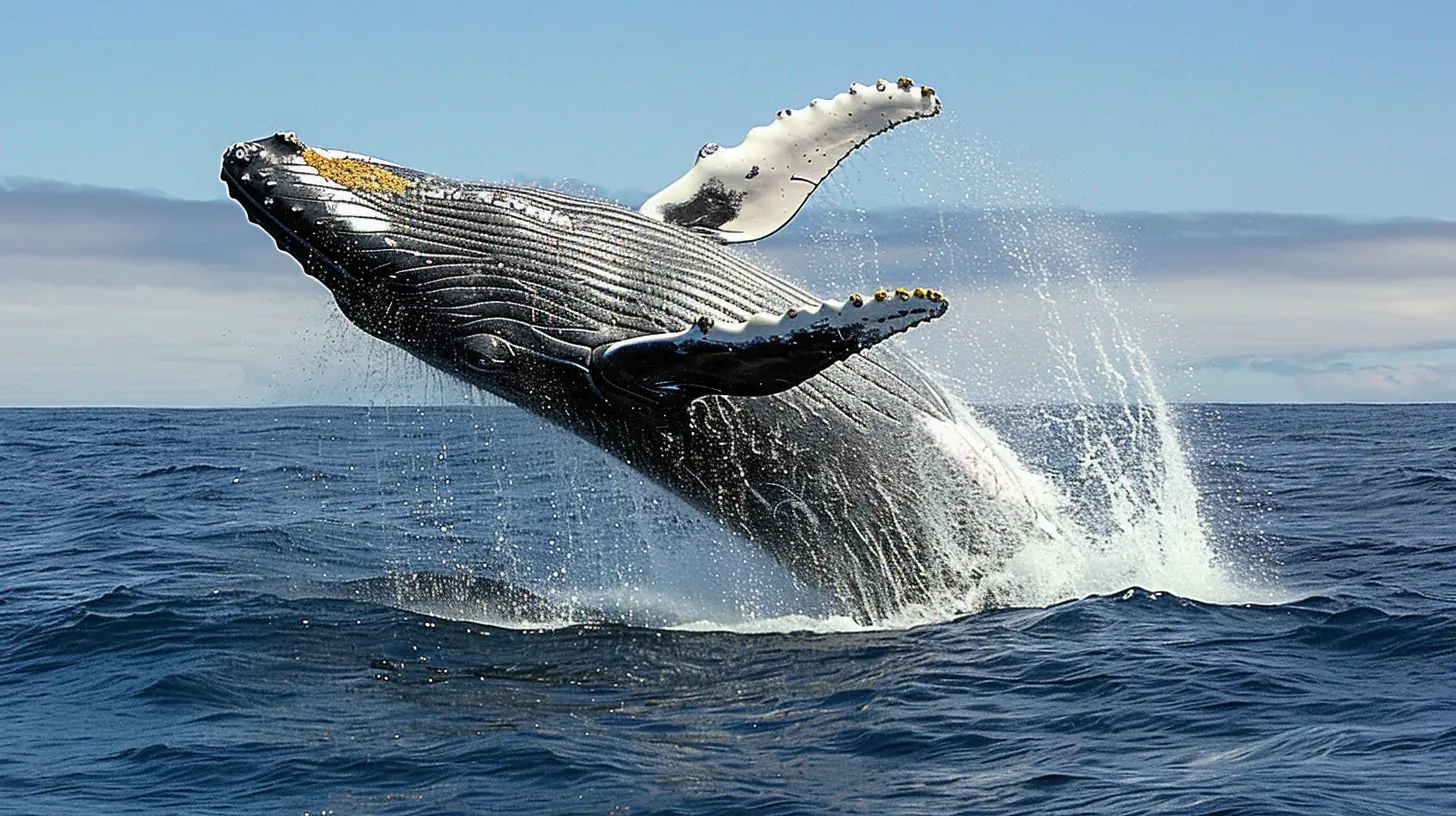
Let’s be honest—you don’t need to be a marine biologist to appreciate the beauty of whales. These gentle giants have been cruising the world's oceans for millions of years, and seeing them in the wild is like watching a real-life nature documentary.But here’s the kicker: whale watching is unpredictable. Unlike zoos or aquariums, this is a raw, unscripted show where the ocean is the stage, and the whales are the stars. One minute, the water is calm; the next, a massive humpback breaches, sending waves in every direction. It’s pure magic.
And the best part? You don’t just see whales—you feel them. Their sheer size, the sound of their breaths, the way the ocean reacts to them—it’s something that pictures and videos just can't capture.
When is the Best Time to See Whales?
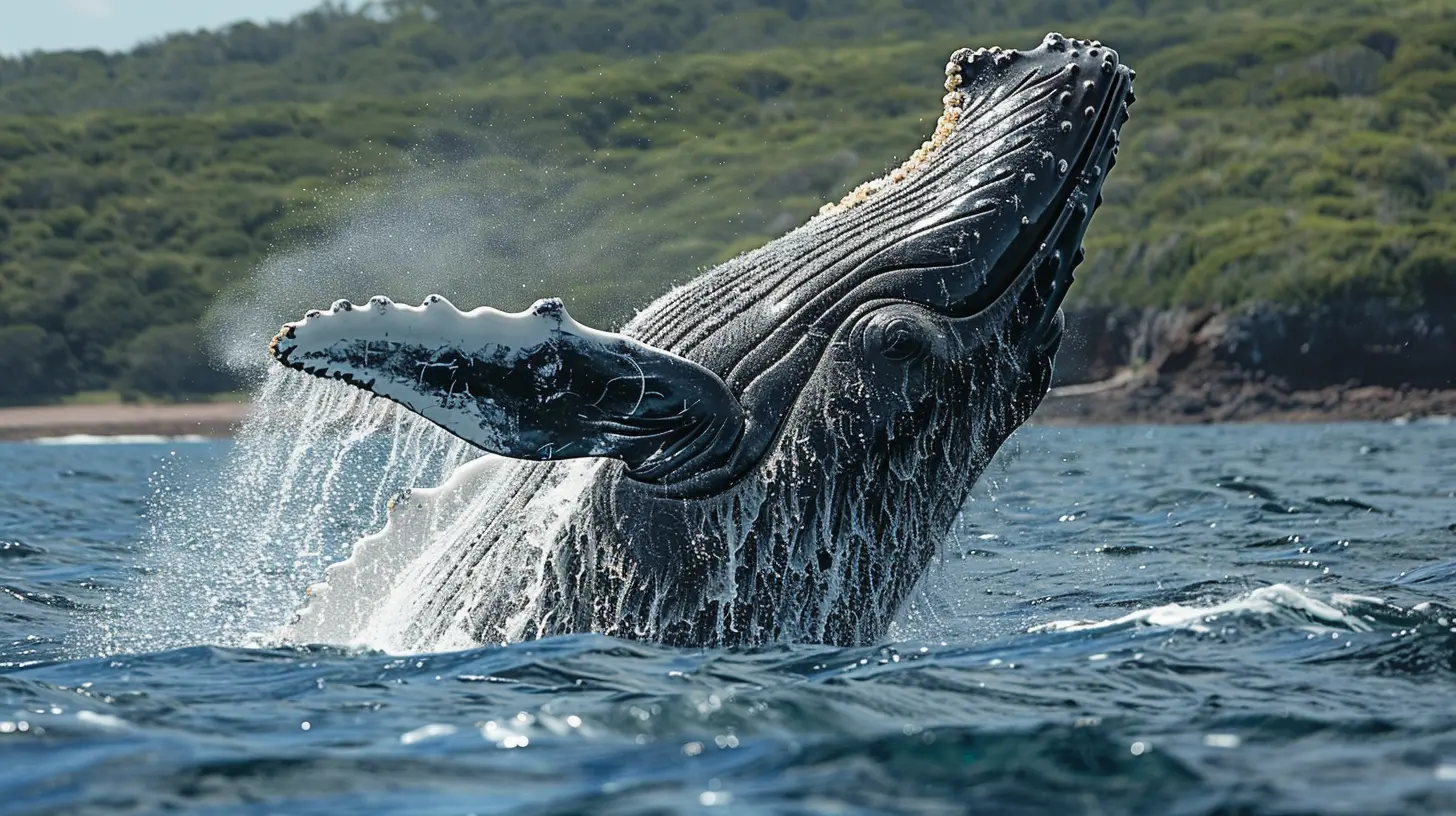
Timing is everything when it comes to whale watching. Different species migrate at different times, so your experience depends on when and where you're heading.- Humpback Whales: These acrobatic beauties migrate between feeding and breeding grounds. The best times? December to April in Hawaii, June to September in Alaska, and July to October in Australia.
- Gray Whales: Known for their epic migrations, gray whales travel between Mexico and Alaska. Prime time? December to May.
- Blue Whales: The largest animals on Earth (seriously, they can be the length of two school buses). The best spots? California (June to October) and Sri Lanka (March to April).
- Orcas (Killer Whales): These apex predators aren't quite as predictable, but your best bet is in the Pacific Northwest—especially around Washington and British Columbia.
Best Places in the World for Whale Watching
Where can you get up close and personal with these ocean giants? Well, pack your bags, because we’re about to embark on a virtual tour of the best whale-watching destinations.1. Monterey Bay, California, USA
If whales handed out five-star ratings for feeding spots, Monterey Bay would be the Michelin-star restaurant of the Pacific. This nutrient-rich area attracts humpback whales, blue whales, and even orcas. Bonus? The scenery is jaw-droppingly beautiful.2. Húsavík, Iceland
Dubbed the “Whale Watching Capital of Europe,” Húsavík offers ridiculously high chances of spotting whales. Think humpbacks, minke whales, and sometimes even the elusive blue whale. Plus, the dramatic Icelandic landscapes make it even more unforgettable.3. Hervey Bay, Australia
Whale moms and their calves treat Hervey Bay like a nursery, making it one of the best places to see humpbacks up close. These playful giants often approach boats—almost like they’re as curious about us as we are about them.4. San Ignacio Lagoon, Mexico
You know how some people say whales are intelligent? Well, gray whales in San Ignacio Lagoon actually seek out human interaction. That’s right—they’ll come right up to boats, and some people even get to pet them. If that’s not a bucket-list-worthy experience, I don’t know what is.5. Kaikoura, New Zealand
Few places in the world have year-round whale watching, and Kaikoura is one of them. Sperm whales are the main stars here, but you might also catch a glimpse of humpbacks, orcas, and even the occasional blue whale.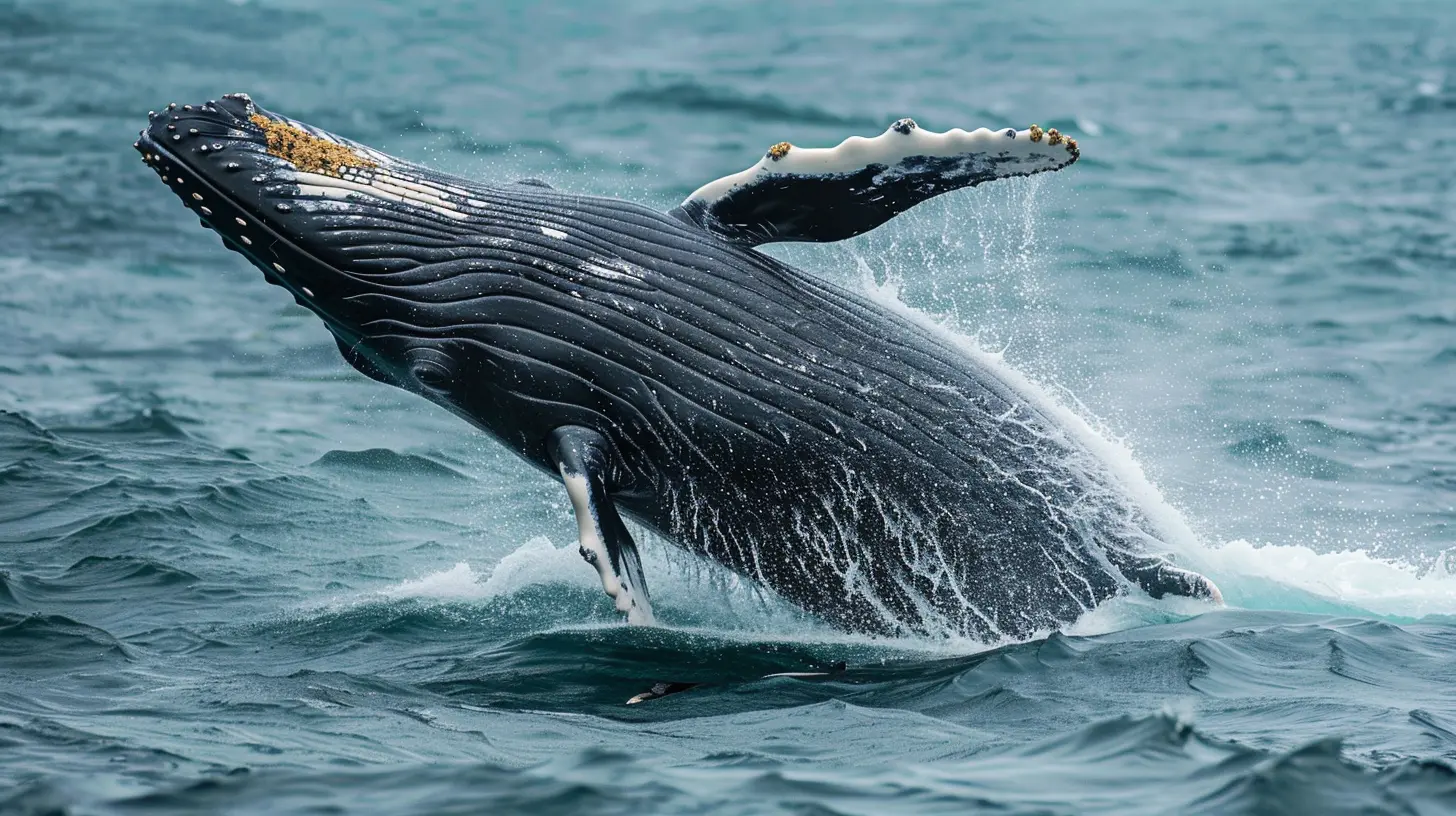
What to Expect on a Whale-Watching Trip
Now, let’s set expectations straight. Whale watching is not like going to SeaWorld—these animals are wild and unpredictable. But that’s what makes it so thrilling.The Waiting Game
Sometimes, whales show up within minutes. Other times, you might spend hours scanning the horizon. Bring patience (and sunscreen).The Unforgettable Moment
When a whale finally appears, it’s goosebumps galore. Whether it’s a simple tail slap or a full-body breach, the sheer power and grace of these creatures will leave you speechless.The Unexpected Guests
Whales aren’t the only marine life you’ll see. Dolphins, sea lions, seals, and even the occasional shark might make an appearance. It’s like a free bonus show!Pro Tips for Whale Watching Like a Pro
You don’t need to be an expert, but a few tips can make your experience even better.1. Go with a Responsible Tour Operator
Look for eco-friendly or responsible whale-watching tours that prioritize the well-being of the whales. Avoid tours that chase or disturb the animals.2. Dress in Layers
Ocean weather is unpredictable. One minute it’s warm and sunny, the next you’re being blasted by chilly sea spray. Layers = lifesaver.3. Bring Binoculars
Whales don’t always pop up right next to the boat. A good pair of binoculars can give you a front-row seat even if they’re further away.4. Pack Motion Sickness Pills
Even if you don’t normally get seasick, trust me—being queasy while waiting for whales is not fun. Be prepared, just in case.5. Keep Your Camera Ready (But Don’t Forget to Just Watch)
Yes, getting that perfect shot is awesome. But don’t be so focused on snapping pictures that you forget to actually experience the moment. Sometimes, the best memories are the ones you capture with your own eyes.
The Emotional Aftermath of Whale Watching
Here’s something no one tells you: whale watching changes you. Seeing these gigantic, intelligent, and mysterious beings in their natural habitat makes you realize just how vast and incredible our planet is.You walk away feeling smaller, but in a good way—like you’ve been let in on a profound secret of the universe. And honestly, isn’t that what travel is all about?
So if you’ve been on the fence about a whale-watching trip, consider this your sign to take the plunge. Pack your bags, find a great tour, and get ready for a front-row seat to one of nature's greatest performances.
Who knows? Maybe the whales are just as excited to see you as you are to see them.
all images in this post were generated using AI tools
Category:
Wildlife EncountersAuthor:

Ian Powell
Discussion
rate this article
2 comments
Khloe Brown
Get ready for an unforgettable adventure! Whale-watching is nature’s way of reminding us to dream big!
March 1, 2026 at 4:51 AM
Ian Powell
Absolutely! Whale-watching truly inspires awe and encourages us to embrace our dreams. Get ready for an incredible experience!
Kai Simmons
Dive into the ocean's depths and experience the majesty of whales up close. Don’t just watch; witness nature’s grandeur in its rawest form!
February 18, 2026 at 5:39 PM
Ian Powell
Thank you! Experiencing whales up close truly allows us to appreciate the incredible beauty and power of nature. It's an adventure like no other!